7 Chakras Meditation: A Step-by-Step Practice for Beginners
Welcome to the journey of chakra meditation, a gentle practice designed for those seeking a calmer mind and a deeper connection with their body. This 15-20 minute session is perfect for beginners, offering a chance to explore the seven energy centers that align from the base of your spine to the crown of your head.
According to Sejal Shah, this ancient practice is linked to both physical and mental well-being. However, it’s important to remember that it is not a substitute for medical care. As you embark on this path, you may notice that sensations can be subtle or even absent. The key is to maintain steady awareness, as the journey is more about presence than dramatic experiences.
This guide will combine traditional concepts with simple breathing techniques, practical preparations, and a guided meditation sequence that is friendly for beginners. Let’s explore how to practice chakra meditation effectively and embrace the benefits it brings to your life.
Key Takeaways
- Chakra meditation is a gentle practice lasting 15-20 minutes.
- It promotes a calm mind and a deeper body connection.
- The seven energy centers run from the base of the spine to the head.
- Sensations may vary; focus on awareness rather than dramatic experiences.
- This guide offers practical tips and a beginner-friendly meditation sequence.
Introduction to 7 Chakras Meditation
Exploring the concept of energy wheels opens a doorway to deeper self-understanding. This practice is rooted in yoga philosophy, where the Sanskrit word chakra translates to “wheel” or “circular.” These energy centers are thought to influence our physical and emotional well-being.
According to Gurudev Sri Sri Ravi Shankar, there are 109 total energy centers, but the focus is often on seven main ones. These primary centers play a crucial role in yoga and other holistic practices. They help cultivate greater calm, creativity, and a sense of connection.
Sejal Shah, an E-RYT 500 and SKY Instructor, encourages you to approach these practices with curiosity. It’s important to differentiate traditional teachings from modern adaptations, which sometimes include colors and lotus-petal counts not found in ancient texts.
What Are Chakras and How Do They Work?
Understanding the energy centers within you can unlock profound insights. These centers, often called chakras, are subtle energy points that influence your physical and emotional health. Imagine them as intersections where energy flows, connecting various aspects of your being.
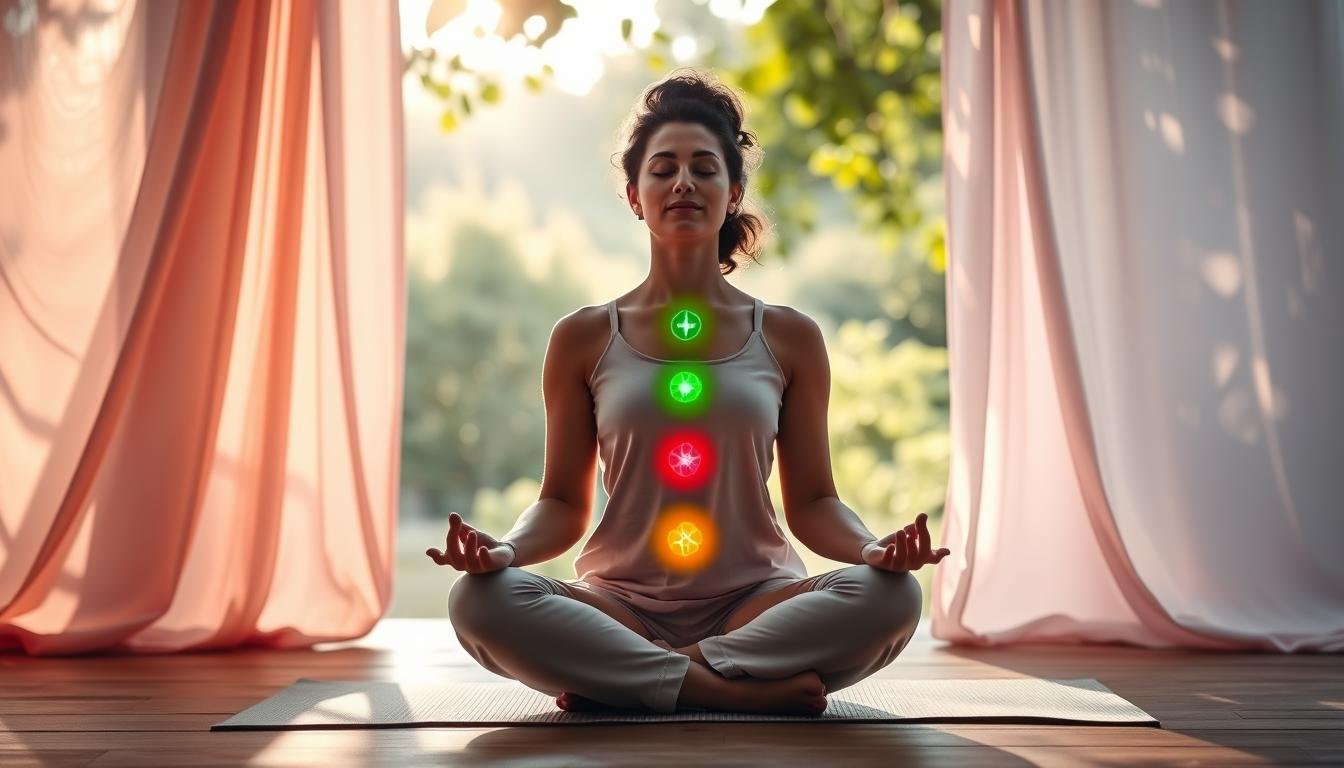
There are seven main energy centers that you will explore: Muladhara, Svadhishthana, Manipura, Anahata, Vishuddha, Ajna, and Sahasrara. Each center has its unique location along the spine and is associated with specific elements and qualities. For instance, the first center, Muladhara, is linked to the earth and stability.
Kundalini energy, often visualized as a coiled serpent at the base of the spine, represents potential energy waiting to be awakened. This energy flows through nadis, the subtle channels that connect each chakra, promoting balance and harmony throughout your body.
| Chakra Name | Location | Element | Quality |
|---|---|---|---|
| Muladhara | Base of Spine | Earth | Stability |
| Svadhishthana | Lower Abdomen | Water | Creativity |
| Manipura | Solar Plexus | Fire | Power |
| Anahata | Heart | Air | Love |
| Vishuddha | Throat | Space | Expression |
| Ajna | Forehead | Light | Intuition |
| Sahasrara | Crown of Head | Universal Energy | Connection |
The Significance of Balancing Your Energy Centers
Finding harmony within your energy centers can transform your emotional landscape. When energy flows upward, it leads to feelings of enthusiasm, creativity, and love. This upward movement, known as urdhvagati, encourages gratitude, awareness, wisdom, and bliss.
Conversely, the downward flow, referred to as adhogati, can manifest as anger, fear, and negativity. Recognizing these patterns helps you understand when your energy feels stuck or blocked. This doesn’t imply a physical obstruction; rather, it highlights emotional states that may need attention.
Reflecting on your recurring emotions can provide insights without labeling yourself. Use the framework of urdhvagati and adhogati as a contemplative model. Consider how meditation, yoga, and healthy lifestyle choices can guide your energy in a positive direction.
| Energy Movement | Positive Emotions | Negative Emotions |
|---|---|---|
| Urdhvagati | Enthusiasm, Creativity, Love | Anger, Fear, Jealousy |
| Adhogati | Gratitude, Awareness, Wisdom | Lust, Inertia, Negativity |
| Bliss |
Preparing for Your Guided 7 Chakras Meditation
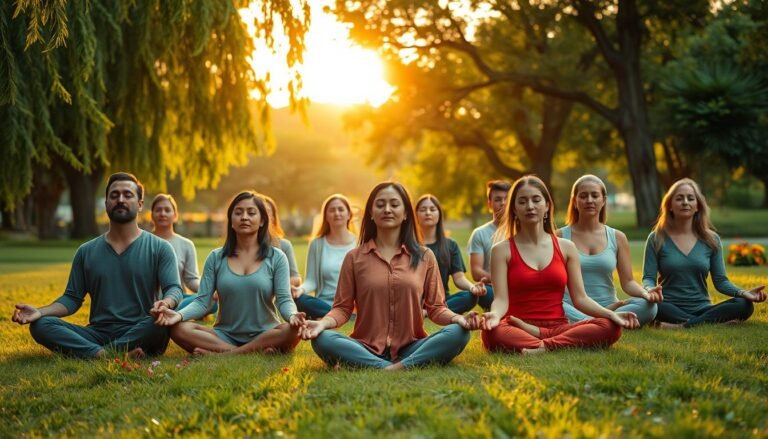
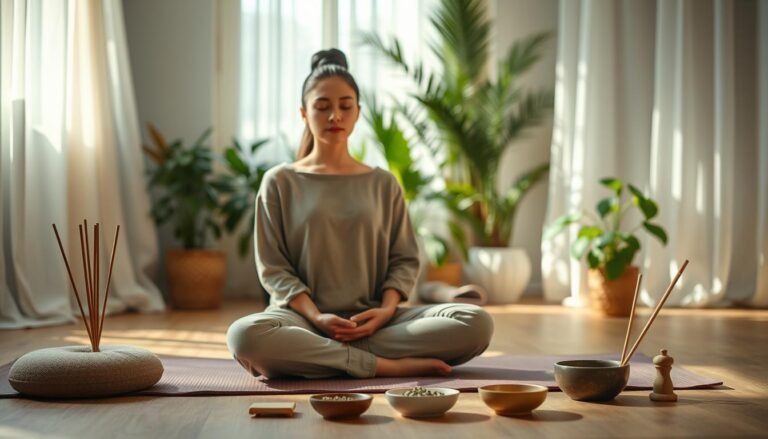
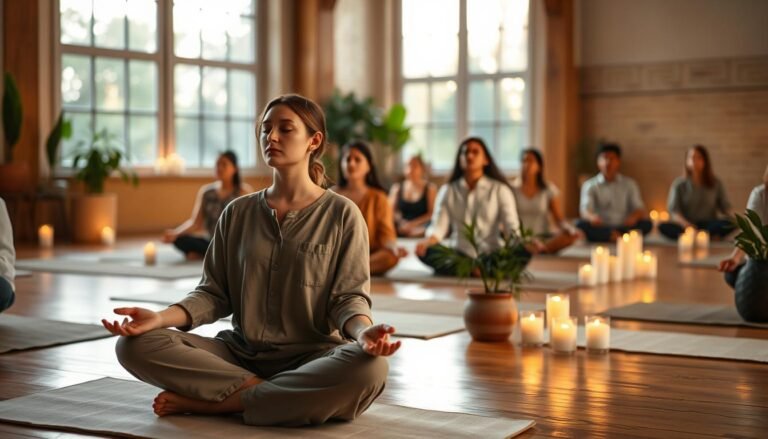
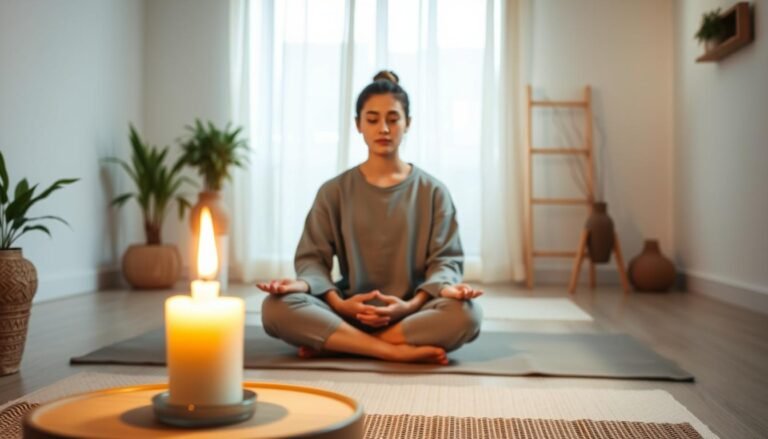
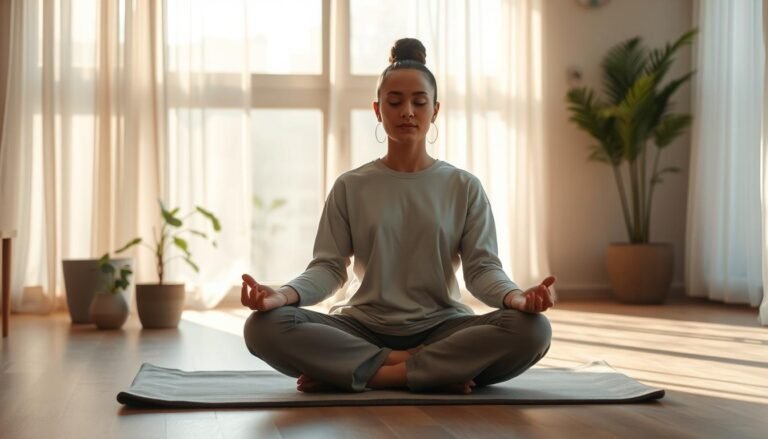
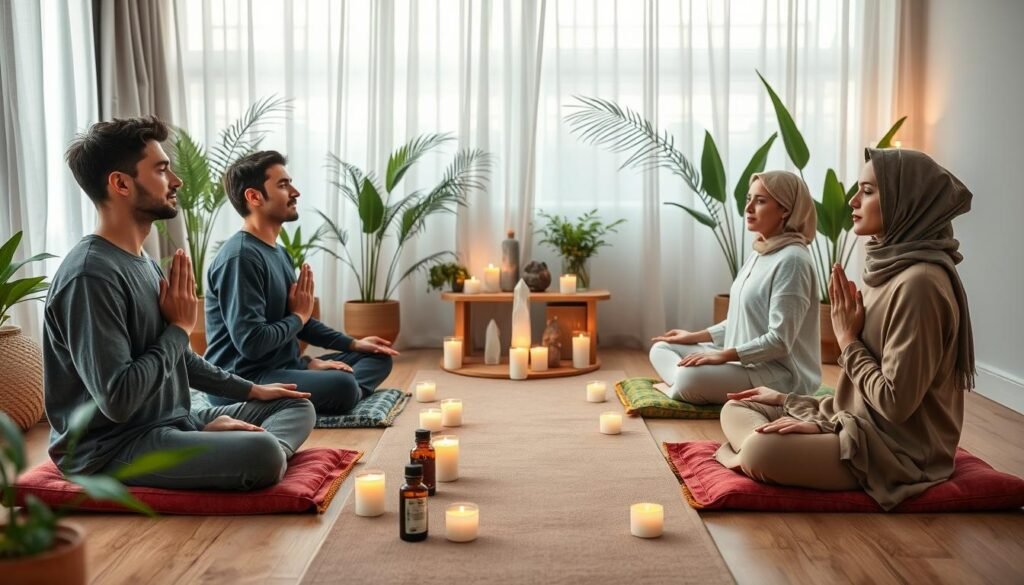
Setting the right atmosphere is key to a fulfilling practice. Find a quiet place where you won’t be disturbed for at least 15-20 minutes. This time is essential for immersing yourself in the experience.
Consider using a yoga mat, meditation cushion, or a sturdy chair. Your comfort is important, so don’t force a cross-legged position if it feels uncomfortable. Aim for a seated posture with your spine erect but relaxed.
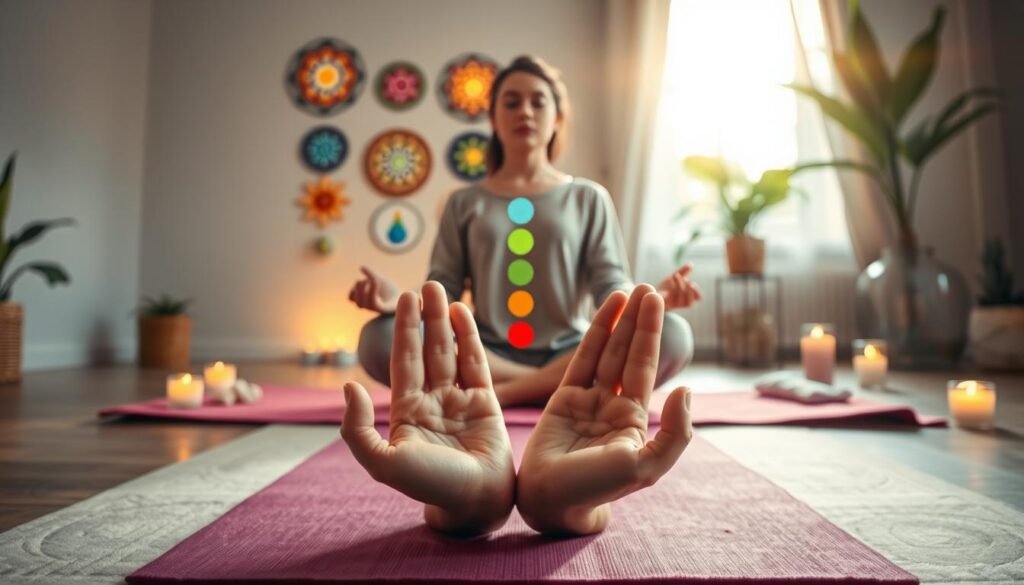
Place your hands on your knees with palms facing upward. This position encourages an open and receptive state. Before you begin, take a moment to breathe gently and relax your shoulders.
Lastly, silence your notifications and inform those around you that you need uninterrupted time. Keeping a glass of water nearby can be helpful, but avoid turning this preparation into a complicated ritual.
Step-by-Step 7 chakras meditation for Beginners
Embarking on a journey through your energy centers can lead to transformative experiences. This practice lasts about 15-20 minutes, allowing you to connect with each center along your spine. Here’s a gentle guide to help you navigate through the seven energy centers.
Exploring the Base Chakra
Begin with two or three gentle breaths at the base of the spine. Keep your awareness soft, allowing sensations to arise naturally.
Activating the Sacral Chakra
Next, move to the sacral chakra, located about 4 inches above the base. Observe your breath while reflecting on creativity.
Focusing on the Solar Plexus Chakra
Shift your attention to the solar plexus at the navel. Spend a couple of minutes here, acknowledging your personal power.
Opening the Heart Chakra
Now, bring your focus to the heart chakra. Allow feelings of love and compassion to fill your awareness.
Balancing the Throat Chakra
Next, direct your energy to the throat chakra. This center is about expression, so take your time to feel its presence.
Enhancing the Third Eye Chakra
Move to the third eye located between your eyebrows. This is a space for intuition and insight.
Connecting with the Crown Chakra
Finally, focus on the crown chakra at the top of your head. Here, you can connect with universal energy. After this, rest quietly for a few moments before gradually returning to your day.
As you explore these centers, you may use affirmations such as:
- I am thriving.
- I am creative.
- I am abundant.
- I am loving.
- I am grateful.
- I am aware.
- I am joy.
Colors associated with each center can be used symbolically. After reaching the crown chakra, lying down for a few minutes can enhance your experience.
Focusing on the Upward Flow of Energy
Recognizing the direction of your energy can open pathways to emotional balance. Energy can flow in two primary directions: upward and downward. The upward flow, known as urdhvagati, moves from the base of the spine toward the crown of the head. This flow is associated with lighter, more positive emotional qualities.
In contrast, the downward flow, referred to as adhogati, descends from joy to negative emotions like anger and fear. Understanding these flows can help you redirect your energy toward a more uplifting state.
Understanding Upward vs. Downward Energy Flows
Urdhvagati encourages feelings of enthusiasm and creativity. Adhogati, however, can lead to negativity and inertia. Recognizing these patterns in your life can help you identify when to shift your focus.
Actionable Tips to Redirect Energy Upward
- Spend time in nature and embrace silence to foster a settled state.
- Incorporate fresh fruits and vegetables into your diet for a natural energy boost.
- Practice Bellows Breath and Bee Breath to enhance your breathing techniques.
- Engage in mindful movement, such as yoga, to support upward energy flow.
- Pay attention to your emotional state and adjust your environment accordingly.
| Energy Flow | Characteristics | Emotional Qualities |
|---|---|---|
| Urdhvagati | Upward movement | Enthusiasm, Creativity, Love |
| Adhogati | Downward movement | Anger, Fear, Negativity |
Incorporating Chakra Meditation in Daily Life
Integrating energy practices into your daily routine can foster a more balanced life. Consistency is key to experiencing the benefits of these techniques. You can start with short daily sessions or longer practices two to three times a week, depending on what fits your schedule.
To make this easier, try linking your meditation to an existing habit. For example, you could meditate after your morning coffee, during your evening shower, or following your yoga practice. This connection can help you establish a lasting routine.
Additionally, prioritize your sleep. Avoid both oversleeping and sleep deprivation to maintain a healthy lifestyle. Consider replacing some screen time with a walk, quiet sitting, or a few minutes of conscious breathing.
To track your progress, create a simple weekly log. Record the date, duration, mood, and one observation about your physical or emotional state. This practice can enhance your awareness without turning into a diagnostic tool.
How to Overcome Chakra Blockages and Imbalances
Addressing blockages in your energy flow can pave the way for emotional healing and balance. Many people may feel that their energy is blocked, which is a traditional way to describe sensations of stagnation or downward energy. This isn’t a confirmed physical diagnosis but rather a cue for self-reflection.
Common signs of energy blockages include recurring feelings of fear, jealousy, or grief. These emotions can signal that it’s time to pause and reflect. Instead of isolating one energy center, return to the complete meditation practice. This holistic approach acknowledges the interconnectedness of all energy centers.
To help reduce stress and restore flow, consider integrating gentle exercises, nature walks, and fresh foods into your routine. Mindfulness and adequate rest are essential. You might also use affirmations like “I am thriving” or “I am creative” as journaling prompts to guide your reflections.
Always remember, if you experience persistent pain or emotional challenges, seeking qualified support is crucial. Meditation can be a wonderful tool, but it’s not a substitute for professional care.
Enhancing Your Meditation Practice with Complementary Techniques
You can elevate your meditation practice by exploring supportive techniques that resonate with your personal experience. One such method is SKY Breath Meditation, which employs different rhythms of breath. This technique is best learned through qualified instruction, ensuring you practice safely and effectively.
Sejal Shah, a seasoned SKY Instructor, shares her insights from years of practice. She emphasizes that integrating breathwork with meditation can deepen your experience. Alongside this, consider incorporating accessible yoga movements. Practices like Sun Salutations, Boat Pose, and Reverse Plank can complement your meditation.
To conclude your session, you might try Lotus Pose with gentle chanting, but only if it feels comfortable. Remember, using a chair or a neutral seated posture is perfectly valid.
For additional guidance, check out this article on deep breathing exercises. Slower breathing can help you settle before diving into your meditation practice.
Internal and External Resources to Deepen Your Practice
Expanding your knowledge through additional resources can greatly benefit your practice. Many tools and materials are available to enhance your experience with energy centers.
For a structured approach, consider the , which teaches SKY Breath Meditation. This course provides valuable insights into breathwork and its connection to energy flow.
If you prefer audio guidance, Gurudev Sri Sri Ravi Shankar offers a guided Hari Om chakra meditation that you might find helpful. It’s a wonderful way to experience the benefits of chakra meditation.
Additionally, a free seven-day on-demand chakra meditation program is available, allowing you to explore one guided session at a time. This can be a great way to practice daily and reduce stress.
For more varied entry points, check out BetterLifeAtlas articles on walking meditation, daily mindfulness, and deep breathing exercises. Following Sejal Shah on her social media platforms like YouTube, Instagram, Twitter, or Facebook can also provide ongoing support and inspiration.
Conclusion
As you wrap up your journey, remember that a gentle 15-20 minute sequence through all energy centers is more beneficial than seeking intense sensations. Consistency is key; aim for daily practice or two to three times a week to truly experience the benefits.
This traditional framework of energy, emotions, breath, and awareness is a valuable tool, but it should not replace professional healthcare. Your awareness and connection with your body are essential.
FAQs:
- How long should beginners meditate? Start with the suggested 15-20 minutes, adjusting as needed.
- Can I practice without feeling energy? Yes, calm awareness is still valid even if sensations don’t arise.
- Should I focus on one chakra only? It’s best to meditate on all energy centers together, as they are interconnected.
- How often should I practice? Aim for daily sessions or two to three times a week to build a sustainable habit.
- What should I do if I experience distressing symptoms? Pause and consult a qualified healthcare professional instead of relying solely on these practices.
Related Guides
- Meditation for Beginners: How to Start a Simple Daily Practice
- Guided Meditation: How It Works and How to Get Started
- Crystal Meditation: A Beginner Guide to Mindful Practice
FAQ
What are the benefits of practicing chakra meditation?
Engaging in chakra meditation can help reduce stress, enhance emotional balance, and improve overall health. It promotes a sense of connection and creativity, allowing you to navigate life’s challenges with greater ease.
How can I tell if my chakras are blocked?
Signs of blocked energy centers may include feelings of anxiety, fatigue, or emotional instability. You might also notice physical symptoms like tension or discomfort in specific areas of your body related to each chakra.
How often should I practice chakra meditation?
For the best results, aim to incorporate this practice into your daily routine. Regular meditation can help maintain balance in your energy centers and support your overall well-being.
Can chakra meditation help with emotional healing?
Yes, this form of meditation can assist in processing emotions and fostering self-love. By focusing on your energy centers, you can release negative feelings and promote healing from past experiences.
Do I need to be experienced to start chakra meditation?
Not at all! Chakra meditation is accessible to everyone, regardless of experience level. Beginners can benefit from guided sessions that provide clear instructions and support.
What should I do if I feel overwhelmed during meditation?
It’s normal to feel overwhelmed at times. If this happens, take a break and focus on your breath. You can also try grounding techniques, such as visualizing roots extending from your base chakra into the earth.
Are there specific colors associated with each chakra?
Yes, each energy center is linked to a specific color. For example, the base chakra is red, the heart chakra is green, and the crown chakra is violet. Visualizing these colors during meditation can enhance your practice.