Types of Meditation: How to Find the Right Practice for You
Meditation has been a vital practice for over 2,500 years, with roots in ancient Buddhist traditions. Today, it has evolved into various forms, from traditional techniques to modern guided apps. This variety means that there is no single method that fits everyone. What works for you might not work for someone else.
Whether you prefer focusing on your breath, repeating a mantra, or simply being aware of your thoughts, each approach offers unique benefits. You might find that a short, consistent practice is more effective than an ambitious routine that’s hard to maintain. As you explore different practices, keep in mind that your personal fit, consistency, and curiosity are what truly matter.
This guide will help you compare various styles based on your goals, such as stress relief, improved focus, emotional balance, and better sleep. With insights from historical practices like Vipassana and modern adaptations like mindfulness, you’ll discover what resonates with you.
Key Takeaways
- Explore various meditation practices, from ancient to modern.
- No single approach suits everyone; find what fits you.
- Focus on consistency rather than complexity in your practice.
- Consider your goals: stress relief, focus, or emotional balance.
- Historical roots can guide your exploration of techniques.
Introduction to Meditation and Its Benefits
Rooted in ancient traditions, meditation continues to be a source of comfort and clarity today. This practice involves intentional attention, helping you create distance from automatic thoughts. By doing so, you become more aware of your mind and body.
Mindfulness meditation, popularized by Jon Kabat-Zinn in the 1970s, has transformed how we approach mental health. It offers a way to manage stress and improve emotional regulation. Regular practice can enhance concentration, memory, and relaxation. While it supports general wellness, it’s essential to remember that meditation is not a cure for medical conditions.
Research indicates that just 15 to 20 minutes of daily practice can significantly reduce stress. Some studies suggest a potential 25% decrease in cortisol levels. Imagine responding calmly to emails or noticing tension before a meeting. Meditation can help you navigate daily challenges with greater ease.
For more insights on managing everyday stress, check out our BetterLifeAtlas article on practical stress-management habits. Incorporating meditation into your routine can complement broader wellness practices.
| Benefit | Description | Research Findings |
|---|---|---|
| Stress Reduction | Helps lower stress levels through focused breathing. | Up to 50% reduction in stress reported. |
| Emotional Regulation | Enhances your ability to manage emotions. | Improved emotional responses in various situations. |
| Improved Concentration | Increases focus and attention span. | Stronger memory and cognitive function. |
Understanding Types of Meditation
From ancient civilizations to modern times, meditation has remained a vital practice for enhancing well-being. Various styles exist, each offering unique approaches to cultivating awareness and focus. These practices differ based on their object of attention, posture, and guidance level.
For instance, focused attention meditation encourages you to concentrate on a single object, such as your breath. In contrast, open monitoring allows you to observe your thoughts and emotions as they arise, promoting a sense of detachment.
Vipassana, meaning “insight,” has been practiced in India for over 2,500 years. It emphasizes seeing experiences clearly. Similarly, Zazen, a seated Zen practice from Japan, focuses on posture and breath while observing thoughts without attachment.
Modern adaptations, like mindfulness, showcase how ancient practices can coexist with contemporary approaches. Jon Kabat-Zinn’s work in the 1970s made mindfulness accessible in Western settings. To explore more rigorous techniques, consider learning from a qualified teacher, especially for practices requiring specific postures or lineage.
Exploring Mindfulness Meditation and Beyond
Mindfulness is a practice that encourages you to embrace the present moment fully. It involves paying attention to your thoughts, emotions, and sensations without judgment. This approach can help you develop a deeper awareness of your mind and body.
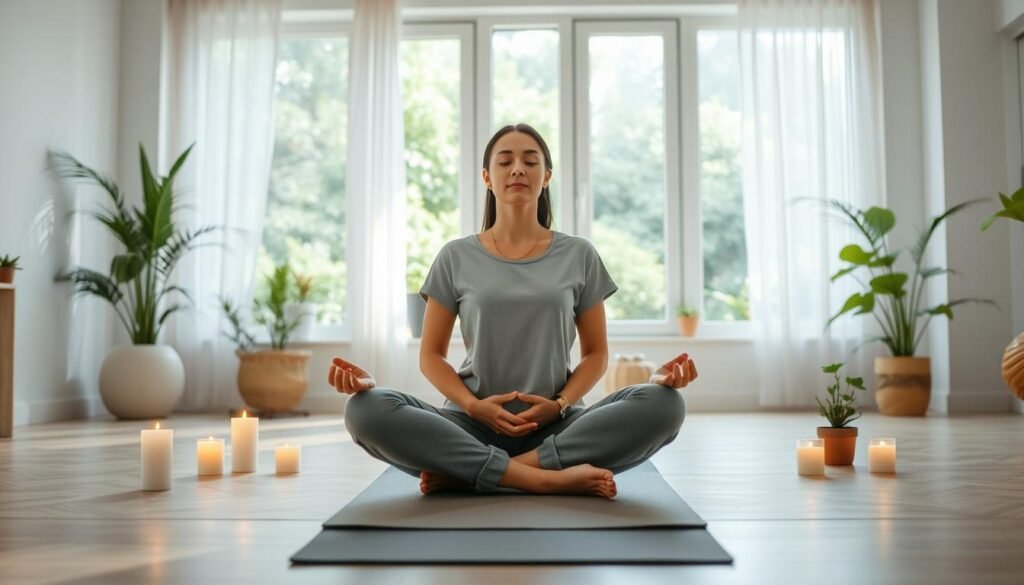
For beginners, a simple five-minute exercise can be a great start. Sit comfortably and take a moment to notice your breath. If distractions arise, gently label them as “thoughts” and return your focus to your breath. Remember, the goal isn’t to have an empty mind; noticing distractions and returning to your breath is the essence of practice.
This method connects to Jon Kabat-Zinn’s Mindfulness-Based Stress Reduction program, which was developed in the 1970s to enhance mental health. Practicing mindfulness after waking or before bed can be beneficial. For more tips on creating a sustainable morning habit, check out our BetterLifeAtlas article.
| Aspect | Description | Benefits |
|---|---|---|
| Awareness | Focus on the present moment | Improved mental clarity |
| Acceptance | Observe thoughts without judgment | Enhanced emotional regulation |
| Breath | Center attention on breathing | Reduced stress levels |
Popular Meditation Practices to Consider
Exploring various meditation practices can open new doors to relaxation and self-discovery. Each method has its unique approach, allowing you to find what resonates with you. Here are some notable techniques to consider:
Mantra, Transcendental, and Guided Techniques
Mantra meditation involves repeating a specific word or phrase to help focus your mind. In contrast, Transcendental Meditation offers personalized instruction, requiring you to sit comfortably with your eyes closed for 20 minutes, twice daily. This practice was popularized by Maharishi Mahesh Yogi in the 1950s and has been embraced by many, including The Beatles.
Official instruction comes from licensed teachers, ensuring a proper foundation. Guided meditation, on the other hand, provides flexibility with verbal instructions that can focus on breath awareness, relaxation, or visualization.
Chakra, Body Scan, and Visualization Methods
Chakra meditation targets seven energy centers along your spine, promoting balance and well-being. Body scan meditation, rooted in Jon Kabat-Zinn’s Mindfulness-Based Stress Reduction program, guides your attention from head to toe, enhancing body awareness.
Visualization techniques encourage you to picture calming images, which can be particularly soothing. Choose images that evoke feelings of safety and peace. For more insights on creating supportive routines, check out our BetterLifeAtlas article on sleep.
| Technique | Description | Benefits |
|---|---|---|
| Mantra | Repeating a word or phrase | Enhanced focus and calmness |
| Transcendental | Personalized instruction, 20 minutes twice daily | Deep relaxation and mental clarity |
| Guided | Verbal instructions for various focuses | Flexible and accessible |
| Body Scan | Attention moves from head to toes | Increased body awareness |
| Chakra | Focus on energy centers | Promotes balance and well-being |
Types of Meditation: A Comprehensive Overview
Meditation encompasses a wide range of practices, each offering unique benefits. By exploring different techniques, you can find the one that aligns with your personal goals. This section will provide insights into popular styles and their key features.
For instance, Acem Meditation is a nonreligious method developed by Scandinavian psychologists in the 1960s. It emphasizes a relaxed focus on thoughts without forcing them away. In contrast, walking meditation turns each step into a mindful experience, perfect for those who prefer movement over stillness.
Additionally, biofeedback meditation utilizes sensors to display heart rate and brainwaves, enhancing your awareness of your body’s responses. Meanwhile, Trataka involves gazing at a candle flame, which can improve concentration but requires caution to avoid fire hazards.
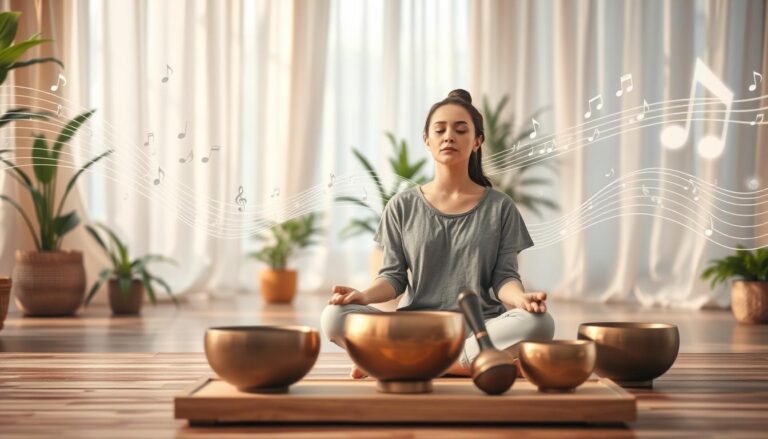
Finally, consider how Vipassana aims for insight into reality, while sound baths use vibrations to promote relaxation. Each practice serves different needs and preferences.
| Technique | Focus | Typical Goal | Ideal User | Guidance Needed |
|---|---|---|---|---|
| Acem | Thoughts | Relaxed awareness | All levels | No |
| Walking | Movement | Mindful presence | Active individuals | No |
| Biofeedback | Body sensations | Self-awareness | Tech-savvy users | Yes |
| Trataka | Visualization | Focus enhancement | Concentration seekers | Yes |
| Vipassana | Insight | Deep understanding | Serious practitioners | Yes |
Choosing the Right Meditation Based on Your Goals
Selecting a meditation approach tailored to your goals can lead to profound personal growth. Whether you seek stress relief, improved focus, or better sleep, understanding your needs is key. Each practice offers unique benefits, and matching them to your objectives can enhance your experience.
If your aim is to cultivate awareness and concentration, consider mindfulness meditation. This practice encourages you to observe your thoughts without judgment. For those struggling with stress or insomnia, body scan meditation can help release tension and promote relaxation.
People looking to develop compassion may find loving-kindness meditation beneficial. It fosters empathy and emotional healing. If time is limited, guided meditation provides verbal support to help maintain focus, making it easier to integrate into a busy schedule.
For individuals who prefer movement, walking meditation or Yoga Nidra can be excellent alternatives. They offer a more dynamic experience for those who find traditional seated practices uncomfortable. Additionally, visualization may inspire creative individuals seeking motivation.
Ultimately, it’s important to explore different practices and notice how your body and mind respond. Ask yourself whether you prefer secular or spiritual language, short sessions or longer practices. Your personal experience will guide you toward the right fit.
Meditation Techniques for Different Lifestyles
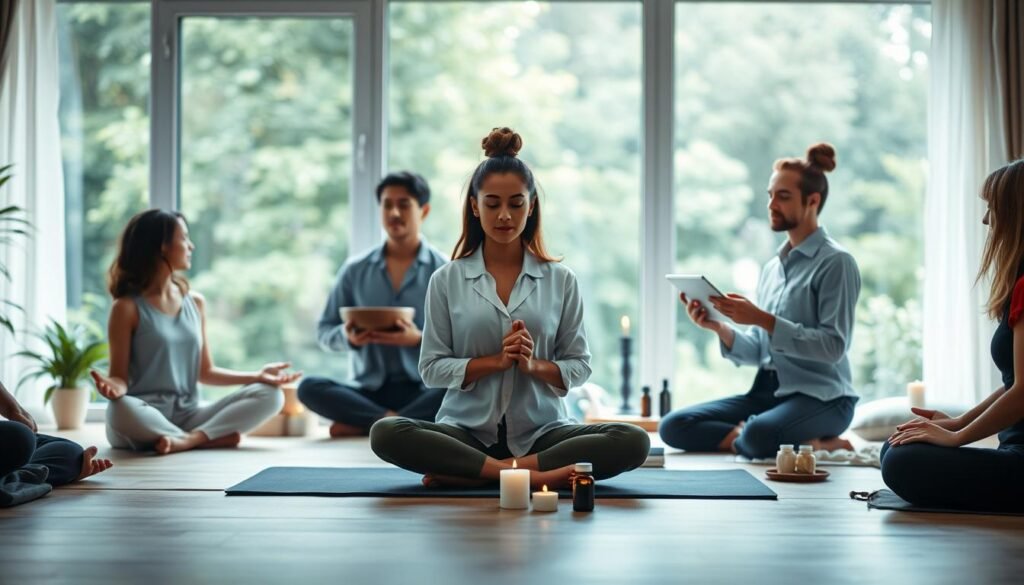
Finding time for meditation can be a challenge in our fast-paced lives. However, integrating this practice into your daily routine is possible with some planning. Here are some effective ways to make meditation fit into your schedule.
Start your day with a quick five-minute breath practice right after waking up. This can help set a positive tone for the day. If you have more time, aim for a 15-20 minute session to deepen your practice.
During your commute or lunch break, consider trying walking meditation. This technique allows you to be mindful while moving, perfect for those who find it hard to sit still.
After work, a short body scan can help release physical tension before family time or evening responsibilities. This simple practice promotes relaxation and helps you transition from work to home.
For winding down at night, Yoga Nidra is a fantastic option. Practiced in Savasana, it supports relaxation, especially for those managing fatigue or irregular sleep patterns.
Incorporating meditation with yoga can enhance your ability to cope with everyday stress. Kundalini yoga, for instance, focuses on supporting the nervous system.
To further develop your habit, link meditation to an existing daily action. For more tips on habit formation and managing digital fatigue, check out our BetterLifeAtlas articles.
| Time of Day | Technique | Duration | Benefits |
|---|---|---|---|
| Morning | Breath Practice | 5-20 minutes | Sets a positive tone for the day |
| Commute/Lunch | Walking Meditation | 10-15 minutes | Promotes mindfulness while moving |
| Evening | Body Scan | 5-10 minutes | Releases tension before family time |
| Bedtime | Yoga Nidra | 20-30 minutes | Supports relaxation and better sleep |
Leveraging Guided Meditations and Expert Advice
Guided meditations offer a structured approach that can greatly benefit beginners. These sessions provide reminders to relax, focus on the breath, and gently return attention when distractions arise. This support can be essential for those just starting their meditation journey.
One accessible way to learn the basics is through . This program introduces you to essential techniques before exploring more specialized content. For those interested in Transcendental Meditation, remember that it is taught one-on-one by instructors trained and licensed by the Maharishi Foundation USA.
Seeking guidance from an experienced teacher can be invaluable, especially for rigorous practices like Vipassana or posture-intensive techniques. To get started, choose one technique, practice for five minutes daily, and record how you feel. Gradually increase your practice time as you become more comfortable.
These resources can support your meditation journey and help you build lasting habits.
Conclusion
Embracing meditation can be a transformative journey for your mind and body. The best practice is one that resonates with your goals and fits seamlessly into your life. Mindfulness, mantra, and guided techniques provide various paths toward greater self-awareness and relaxation.
As a beginner, starting with just five minutes can be effective. Many sources suggest 15-20 minutes daily for building consistency. Ancient practices like Vipassana and Zazen blend beautifully with modern approaches, such as those created by Jon Kabat-Zinn.
Try one method for several days and observe how your thoughts and body respond. Remember, experimentation is part of the journey, not a failure. If a practice feels uncomfortable, don’t hesitate to seek guidance from a qualified teacher.
FAQ
What are the benefits of practicing meditation?
Meditation can enhance focus, reduce stress, and improve emotional well-being. It promotes relaxation and can lead to better sleep and overall mental clarity.
How long should I meditate each day?
Starting with just 5 to 10 minutes daily can be effective. As you become more comfortable, you can gradually increase the duration to 20 minutes or more.
Can beginners practice mindfulness meditation?
Absolutely! Mindfulness meditation is accessible for beginners. It involves paying attention to the present moment without judgment, making it a great starting point.
What is the difference between guided and transcendental meditation?
Guided meditation involves following along with a teacher or recording, while transcendental meditation uses a specific mantra and is often practiced in silence.
How can I incorporate meditation into a busy lifestyle?
You can integrate short sessions throughout your day, such as during breaks or before bed. Even a few minutes of focused breathing can be beneficial.
Do I need a teacher to start meditating?
While having a teacher can be helpful, many people successfully start their practice using apps or online resources. It’s all about finding what works for you.
What techniques can help with stress relief?
Techniques like deep breathing, body scan, and visualization can effectively reduce stress. Experiment with different methods to find what resonates with you.
Is it normal for my mind to wander during meditation?
Yes, it’s completely normal! The goal is to gently bring your focus back to your breath or mantra without judgment. This practice itself builds mindfulness.