Sahaja Yoga Meditation: A Beginner’s Guide to the Practice
Are you curious about how to enhance your well-being? Sahaja yoga meditation offers a gentle way to explore your inner self. Founded by Nirmala Srivastava in 1970, this practice focuses on the energy within you. It encourages self-realization and a deeper awareness of your body and mind.
Many people around the world have found comfort and clarity through this practice. With centers reported in over 69 countries, it’s clear that this approach resonates with many. If you’re looking to start your journey, know that you can do so safely and thoughtfully.
In this guide, we will walk you through the essentials of this practice. You will discover practical tips to begin your experience. Embrace the power of meditation and find a new way to connect with yourself.
Key Takeaways
- Understand the origins of Sahaja Yoga and its benefits.
- Learn about the energy within and how to harness it.
- Explore practical steps to begin your meditation journey.
- Discover the global community and resources available.
- Embrace a supportive approach to personal growth.
Introduction to Sahaja Yoga and Its Core Principles
Have you ever wondered how to deepen your understanding of yourself? The term “Sahaja” comes from Sanskrit, combining “saha,” meaning “with,” and “ja,” meaning “born.” This reflects the essence of the practice, which encourages you to realize your true self through self-exploration.
Sahaja Yoga emphasizes self-realization through the awakening of your inner energy, known as kundalini. This journey is about more than just relaxation; it’s about connecting with your inner self and achieving a higher state of awareness.
Shri Mataji, the founder, believed that everyone should have access to this transformative experience. She directed that classes and teachings on self-realization be available without charge. This inclusive approach fosters a community where people can learn and grow together.
“Self-realization is the awakening of the inner energy, leading to profound awareness.”
History and Legacy of Shri Mataji Nirmala Devi
What inspired a movement that has touched lives across the globe? Shri Mataji Nirmala Devi, born in 1923, dedicated her life to spreading the practice of self-realization through Sahaja Yoga. She began her mission in India in 1970, sharing her teachings with those seeking deeper awareness.
Over the years, her influence expanded significantly. By the late 1980s, she reached countries across Europe, North America, and even Russia. Her first trip to Russia in 1989 marked a pivotal moment, as she introduced her teachings to many who were eager for change.
Shri Mataji Nirmala Devi passed away on February 25, 2011, leaving behind a rich legacy. Today, practitioners around the world continue to share her vision. They embody the principles she taught, helping others tap into their inner energy and find balance.
| Year | Event | Impact |
|---|---|---|
| 1923 | Birth of Shri Mataji | Foundation of her teachings |
| 1970 | Start of Sahaja Yoga in India | Introduction of self-realization |
| 1989 | First trip to Russia | Global expansion of the movement |
| 2011 | Passing of Shri Mataji | Continued legacy through practitioners |
Understanding the Subtle System: Chakras and Nadis
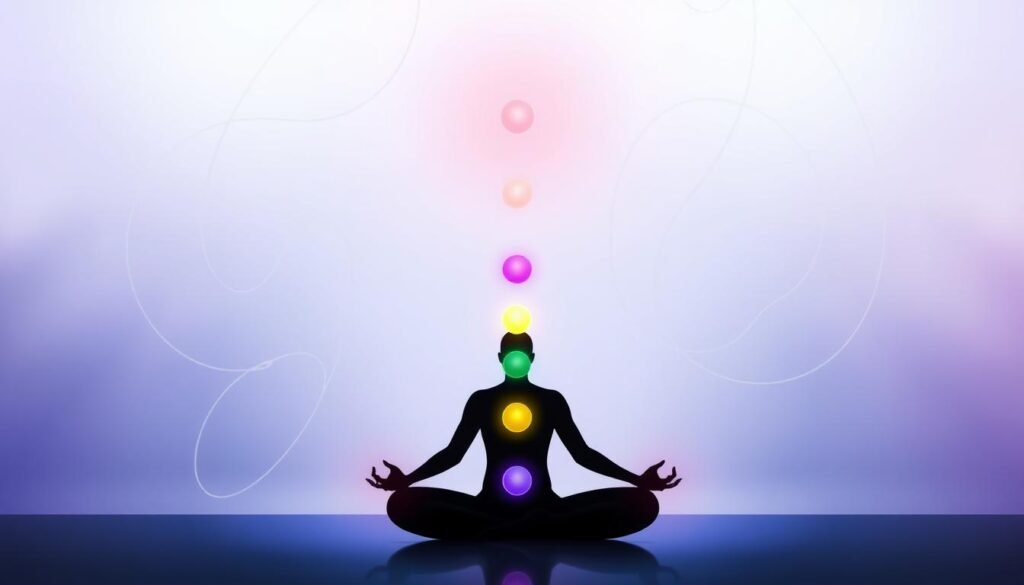
Do you know how your energy flows through your body? In Sahaja Yoga, understanding the subtle system is key. This system comprises seven major chakras and three primary nadis. Each chakra represents a different aspect of your being, while nadis serve as the channels for energy flow.
Here’s a brief overview of the seven chakras:
| Chakra | Location | Function |
|---|---|---|
| Root | Base of the spine | Grounding and stability |
| Sacral | Lower abdomen | Creativity and pleasure |
| Solar Plexus | Upper abdomen | Confidence and control |
| Heart | Center of the chest | Love and compassion |
| Throat | Throat area | Communication and expression |
| Third Eye | Forehead | Intuition and insight |
| Crown | Top of the head | Spiritual connection |
The three nadis include:
- Ida Nadi: Left channel, linked to intuition.
- Pingala Nadi: Right channel, associated with logic.
- Sushumna Nadi: Central channel, facilitating balance.
Nirmala Srivastava highlighted that these nadis relate to the sympathetic and parasympathetic nervous systems. Understanding these energy pathways can deepen your awareness and enhance your overall experience.
The Essence of Self-Realization and Thoughtless Awareness
Do you find yourself searching for ways to tap into your inner energy? The journey of self-realization is a profound experience. It invites you to connect with your true self, transcending the noise of daily life.
At the heart of this practice lies the concept of kundalini awakening. Practitioners describe this energy as resting in the sacrum, waiting to be awakened. When this energy rises, it can lead to a state of thoughtless awareness, where you feel a cool-breeze sensation and a deep sense of peace.
Self-realization is not just about gathering information; it’s about experiencing vibrations and embracing vibratory awareness. This direct experience is what sets this practice apart.
| Aspect | Description | Benefits |
|---|---|---|
| Kundalini Energy | Resting energy at the sacrum | Awakens self-awareness |
| Thoughtless Awareness | State of mental calm | Enhances clarity and peace |
| Vibratory Awareness | Connection to energy vibrations | Deepens personal experience |
As you explore this journey, remember that every experience is unique. Allow yourself to embrace the process without expectations.
Step-by-Step Guide to sahaja yoga meditation
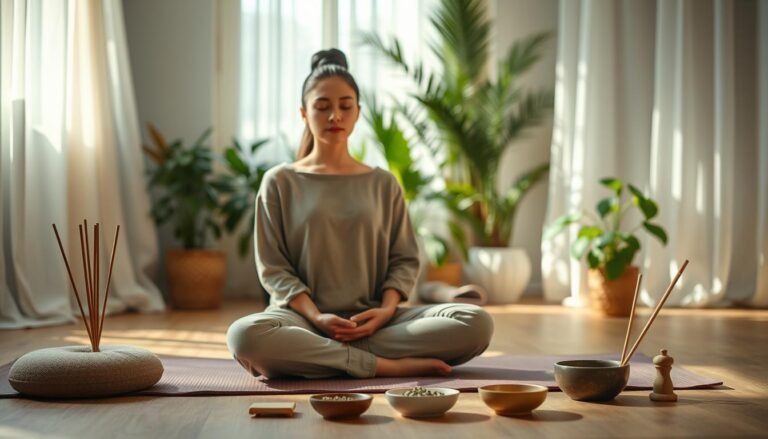
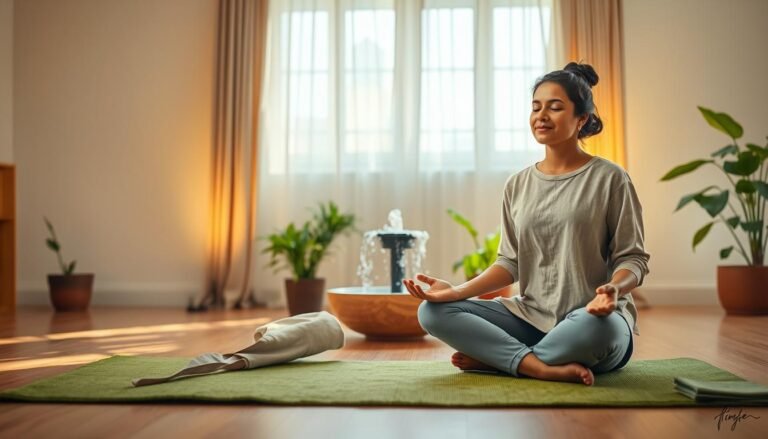
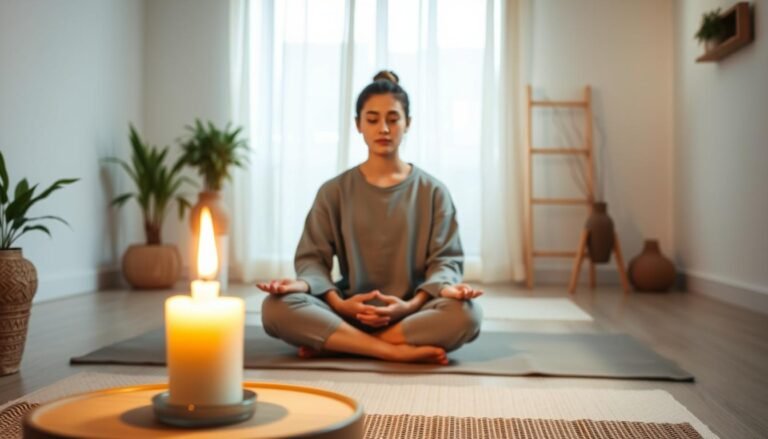
How can you cultivate an environment that enhances your inner experience? Preparing your mind and physical space is essential for a successful practice. Start by finding a quiet area where you feel comfortable and free from distractions. This will help you focus on your journey inward.
Preparing Your Mind and Physical Space
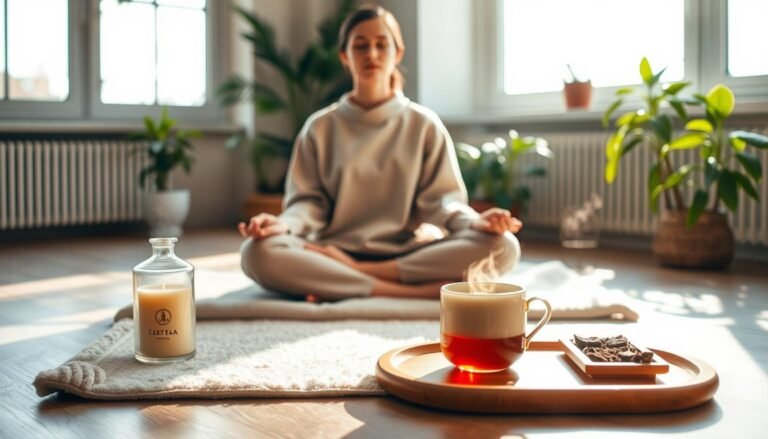
Before you begin, take a moment to clear your thoughts. Breathe deeply and let go of any tension. You might want to sit in a comfortable position, ensuring your back is straight. Surround yourself with calming elements, such as soft lighting or soothing scents.
Detailed Meditation Techniques and Mantras
Here’s a simple sequence to follow:
- Place your right hand on your heart.
- Move your left hand to your ribs.
- Rest your hands on your abdomen, neck, forehead, and finally, the crown of your head.
As you do this, repeat the following mantras:
| Mantra | Repetitions |
|---|---|
| “I am” | 3 times |
| “I am one with the universe” | 6 times |
| “I am in peace” | 10 times |
Feel free to pause if you experience discomfort. This practice is about your comfort and growth.
Practical Techniques for Initiating Self-Realization
How can you actively engage in practices that promote self-awareness and inner peace? Initiating self-realization involves straightforward techniques that you can practice daily. One effective method is using specific hand positions along with mantra repetitions.
Begin by placing your right palm on the left side of your body. This contact helps channel energy effectively. Keep your left hand resting on your lap, palm facing upward, inviting a calm state.
As you settle into this position, gently ask your inner energy to rise through the central channel. This request fosters a deeper connection with your inner self.
Incorporate mantra repetitions to enhance your experience. For example, repeating phrases like “I am one with the universe” can amplify your focus and awareness. Remember to approach this practice with a calm, nonjudgmental attitude.
Health Benefits and Mind-Body Balance
Could your path to a healthier life be intertwined with mindfulness? Many practitioners of sahaja yoga report significant improvements in their overall well-being. This practice encourages balance and heightened awareness, which can lead to a more fulfilling life.
Research indicates that regular meditation can support mental clarity and emotional stability. As you engage in this practice, you may notice a reduction in stress and anxiety. These benefits can enhance your quality of life, making it easier to navigate daily challenges.
It’s important to remember that while many people experience positive changes, these benefits are subjective. Always seek professional advice when needed. Incorporating meditation into your routine may be a powerful way to foster a healthier mind and body.
Overcoming Common Challenges for Beginners
Is it common to feel discomfort or doubt as you begin your journey? Many people experience distractions or unresolved thoughts when they first start their practice. This is completely normal, and there are ways to navigate these challenges.
When you find your mind wandering, gently bring your focus back to your breath. Acknowledge the distraction without judgment. If you miss the cool-breeze sensation, try repeating a mantra of forgiveness. This can help you reconnect with your inner energy.
Here are some tips to troubleshoot common interruptions:
- Distraction: Acknowledge it and return to your breath.
- Discomfort: Adjust your position for better comfort.
- Doubt: Remind yourself that every experience is unique.
- Missed sensations: Use mantras to refocus your energy.
- Inconsistent practice: Set a regular time to meditate.
Remember, every practitioner faces these hurdles. With patience and practice, you can cultivate a deeper sense of awareness and connection.
Integrating Meditation into Daily Life
Have you thought about how to weave mindfulness into your everyday routine? Making meditation a part of your life can significantly enhance your well-being. A consistent home practice is key to reaping the benefits of this transformative experience.
Start by dedicating a specific time each day for your practice. Even a short session can create a lasting impact. Consider setting aside 10 to 15 minutes in the morning or evening when you can focus without distractions. You might also find it helpful to incorporate simple techniques like foot soaking to relax your body and mind.
Utilizing instructional videos can guide you through your independent home routine. These resources can help you stay motivated and engaged. Additionally, try to create a calming environment that encourages relaxation.
Creating a Consistent Home Practice
- Choose a quiet space free from distractions.
- Set a daily reminder to practice.
- Incorporate foot soaking for added relaxation.
- Use instructional videos for guidance.
Linking with Related BetterLifeAtlas Articles
Explore more about integrating mindfulness into your life through articles on BetterLifeAtlas. These resources can offer further insights and techniques to enhance your practice.
Expert Advice and Real-Life Experiences
What can the voices of experienced practitioners teach you about this transformative practice? Learning from those who have embraced this journey can provide valuable insights. Their experiences highlight the benefits and challenges of engaging with your inner energy.
Judith Coney, in her work *Sahaja Yoga: Socializing Processes in a South Asian New Movement*, emphasizes the community aspect of this practice. She notes how people across different countries have found a sense of belonging through shared experiences.
Similarly, Sudhir Kakar discusses the psychological impacts of this practice in *Shamans, Mystics and Doctors*. He illustrates how practitioners often report a heightened state of awareness and emotional balance.
“The power of this practice lies in its ability to connect individuals with their true selves.”
David V. Barrett’s documentation of practitioner perspectives offers a balanced view of the experiences within the community. He encourages readers to explore these insights and reflect on their personal journeys.
| Author | Work | Key Insight |
|---|---|---|
| Judith Coney | *Sahaja Yoga: Socializing Processes in a South Asian New Movement* | Community and belonging |
| Sudhir Kakar | *Shamans, Mystics and Doctors* | Psychological benefits |
| David V. Barrett | Various documentation | Balanced practitioner perspectives |
| Jean-Marie Abgrall | *Soul Snatchers* | Critical analysis of the movement |
Conclusion
Could the journey to a more fulfilling life start with a simple practice? Embracing the energy within you can lead to profound self-awareness and personal growth. Many people around the world have experienced the benefits of this approach, finding clarity and balance in their lives.
As you explore this practice, remember that every experience is unique. Connecting with your inner self can enhance your overall health and well-being. By engaging with this transformative journey, you become part of a global community dedicated to self-realization.
Take the first step today. Your path to greater awareness and energy awaits. Now, let’s address some common questions to help you along your journey.
FAQ
What is Sahaja Yoga meditation?
Sahaja Yoga meditation is a practice that focuses on achieving self-realization through the awakening of the Kundalini energy. It emphasizes achieving a state of thoughtless awareness, where individuals can experience inner peace and balance.
Who is Shri Mataji Nirmala Devi?
Shri Mataji Nirmala Devi is the founder of Sahaja Yoga. She dedicated her life to teaching this meditation practice, helping individuals connect with their inner selves and achieve spiritual growth.
How does meditation affect the chakras?
Meditation helps to balance and activate the chakras, which are energy centers in the body. By focusing on these centers, practitioners can enhance their physical, emotional, and spiritual well-being.
What are the benefits of practicing Sahaja Yoga meditation?
Practicing this meditation can lead to improved mental clarity, reduced stress, enhanced emotional stability, and a deeper connection to oneself and others. It promotes overall health and well-being.
Can beginners easily learn Sahaja Yoga meditation?
Yes, beginners can easily learn this practice. It is designed to be accessible, with simple techniques that anyone can follow, regardless of their prior experience with meditation.
How can I integrate meditation into my daily routine?
To integrate meditation into your daily life, set aside a specific time each day for practice, create a peaceful space, and start with short sessions, gradually increasing the duration as you become more comfortable.
What challenges might I face as a beginner?
Beginners may experience distractions, difficulty focusing, or physical discomfort during meditation. These challenges are common and can be overcome with patience and practice.
How can I connect with other practitioners?
You can connect with other practitioners through local meditation centers, online forums, or community events. Engaging with others can enhance your practice and provide support.