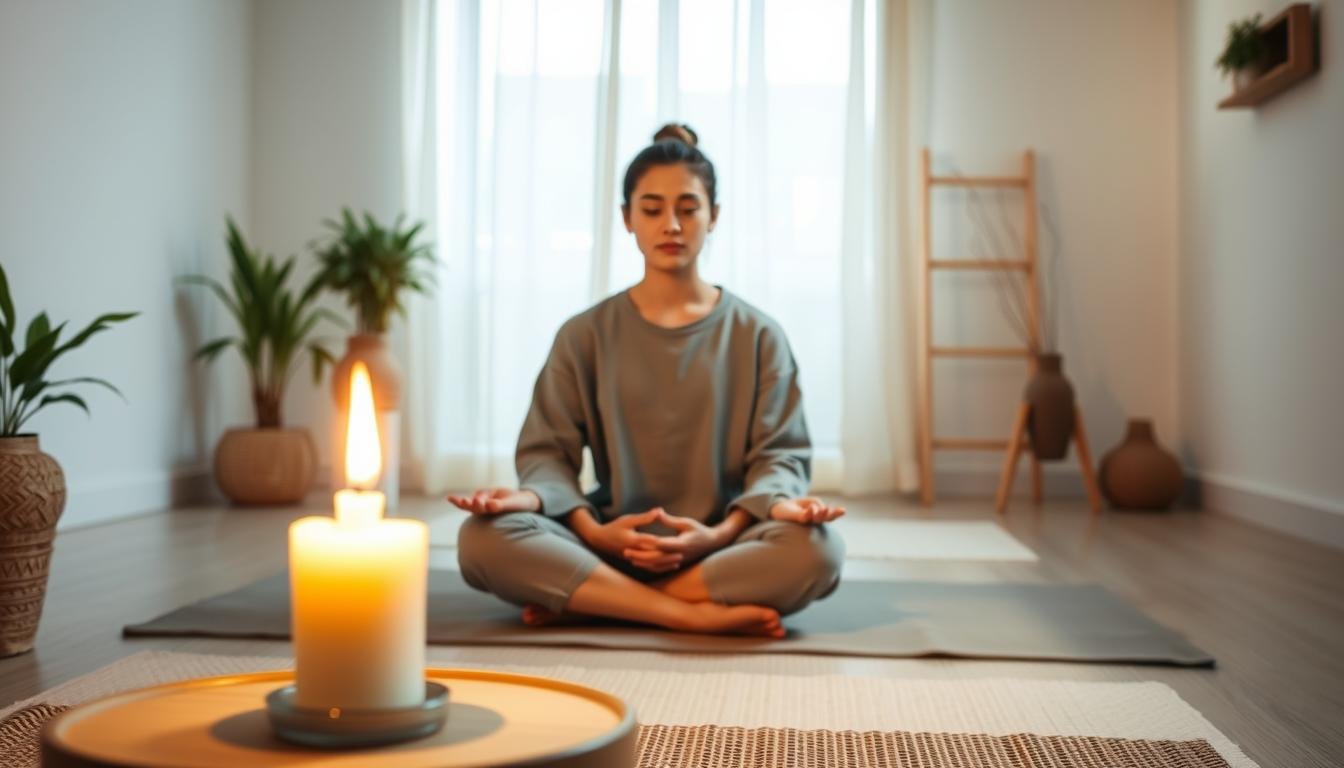
Trataka Meditation: How to Practice Candle-Gazing Meditation
Have you ever wanted to calm your mind and focus your thoughts? One effective way to do this is through a practice that involves gazing at a candle flame. Rev. Connie L. Habash describes this focused method as a way to fix your eyes on one object, which can be both soothing and enlightening.
The gentle flicker of candlelight not only creates a peaceful atmosphere but also symbolizes the increasing solar light after the winter solstice. This practice allows you to connect with the Divine Light within yourself. As you gaze at the flame, it creates a clear after-image on your retina, which can help during the visualization phase with your eyes closed.
It’s important to note that beginners may find it challenging at first. You might need several attempts before you can comfortably maintain your gaze or hold the after-image in your mind. However, you don’t need to be a yogi to enjoy this simple yet powerful candle-based practice at home.
Key Takeaways
- This practice helps you focus your mind and improve concentration.
- Candlelight can symbolize inner light and growth.
- The method consists of two parts: gazing at the flame and visualizing its after-image.
- Beginners may require patience and practice to feel comfortable.
- You can practice this technique at home without any special training.
Understanding Trataka Meditation and Its Benefits
Are you seeking a way to sharpen your focus and calm your racing thoughts? This practice involves concentrated gazing, directing your attention to a single point, such as a candle flame. By doing so, you minimize distractions and create a pathway to mental clarity.
Trataka is closely linked to dharana, a key aspect of yoga that emphasizes concentration. As you engage in this focused practice, you may find that it fosters a sense of stillness, paving the way for deeper meditation and tranquility.
| Traditional Claims | Practical Benefits |
|---|---|
| Eradicates eye diseases (Hatha Yoga Pradipika) | Improved concentration |
| Purifies the mind | Enhanced mental calm |
| Supports spiritual growth | Increased focus on tasks |
According to Yogamatters, around 80% of sensory information is processed through our vision. This highlights the importance of maintaining healthy eyes and a focused mind. Remember, while improved concentration and calmness are attainable goals, it’s essential to avoid unrealistic expectations about curing eye conditions or gaining extraordinary abilities.
The Historical Roots and Symbolism of Candle-Gazing
What if the methods you use today have deep historical roots? Candle-gazing, a practice with origins dating back to at least the 15th century, is intertwined with ancient yogic traditions. The Hatha Yoga Pradipika serves as a central text, providing insights into its techniques and significance.
This practice is closely linked to the shatkarmas, which are six cleansing actions traditionally employed to prepare the body for yoga. Understanding these connections enriches your experience and highlights the importance of both body and mind in your practice.
Ancient Yogic Traditions and the Hatha Yoga Pradipika
The practice of candle-gazing can be divided into two forms: Bahiranga (external gazing) and Antaranga (internal gazing). These concepts emphasize focusing your gaze, whether on a candle flame or within your own mind.
The Spiritual Symbolism of Candlelight
The candle symbolizes inner illumination, connecting seasonal sunlight with spiritual light. This representation serves as a reminder of the energy and clarity that can be achieved through focused practice.
| Aspect | Description |
|---|---|
| Historical Context | Dates back to the 15th century |
| Key Text | Hatha Yoga Pradipika |
| Forms of Gazing | Bahiranga (external) and Antaranga (internal) |
| Symbolism | Candle as a symbol of inner light |
| Associated Benefits | Enhanced focus and clarity |
Step-by-Step Guide to Practicing Trataka Meditation
Can you imagine a technique that helps you center your thoughts with just a candle? Practicing this method can bring clarity and calm to your mind. Follow these steps to set up your space and engage in focused gazing.
Setting Up Your Space and Lighting the Candle
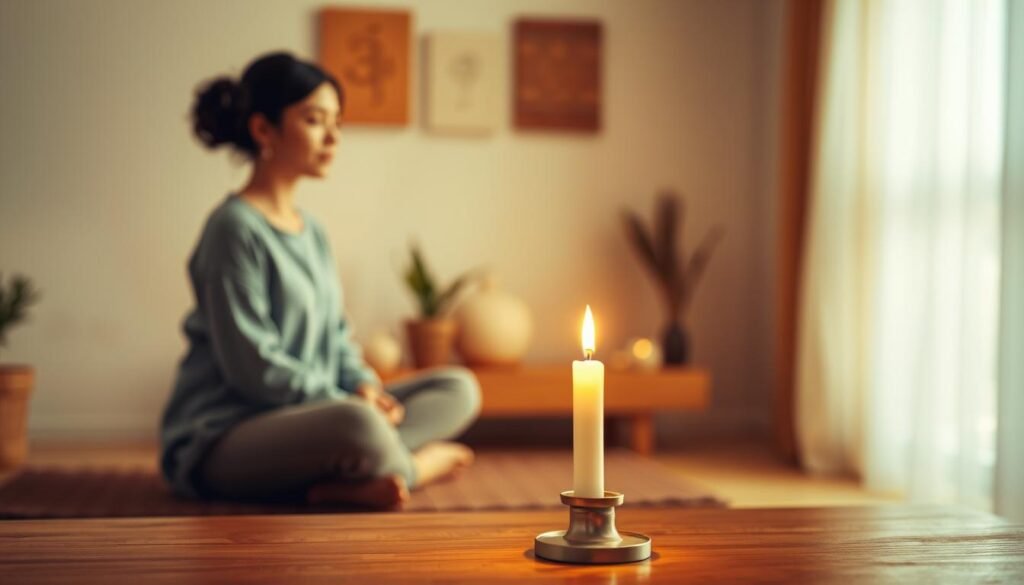
Begin by placing a candle on a stable surface at eye level and approximately arm’s distance away. If needed, use books to adjust the height. Choose a dark room free from drafts and insects, as recommended by Swami Svatmarama, to keep the flame steady.
Guided Instructions: Open Gaze to Closed Eyes
1. Sit comfortably and relax your body. Settle your breath to prepare for focus.
2. Gaze near the base of the candle flame, keeping your eyes relaxed. Start with 3-5 minutes of open-eye gazing, blinking when necessary to avoid strain.
3. After gazing, close your eyes and hold the flame’s after-image at the eyebrow center, known as the ajna chakra, for several minutes.
4. Repeat this process for a total practice time of about 5-10 minutes, gently returning your attention whenever your mind wanders.
| Step | Action | Duration |
|---|---|---|
| 1 | Open-eye gaze at the candle flame | 3-5 minutes |
| 2 | Close eyes and visualize after-image | Several minutes |
| 3 | Repeat the sequence | 5-10 minutes total |
Exploring the “trataka meditation” Practice in Daily Life
Imagine a daily practice that can bring clarity and peace to your busy life. Incorporating candle-gazing into your routine can help you cultivate focus and calmness. This simple yet effective technique allows you to transition from a hectic day to a more tranquil state of mind.
To make this practice sustainable, consider starting with just five minutes each day. By setting aside the same quiet time, you’ll find it easier to remember and commit to your ritual.
Building Focus and Cultivating Calm
Rev. Connie L. Habash shared how she and her daughter enjoy lighting candles together. This tradition can inspire you to create a personal, hands-on ritual. Try making rolled beeswax candles, which adds a fun and creative element to your practice.
Establishing a Sacred Ritual at Home
Place a candle on an altar, shelf, or uncluttered table to create a sacred space. You don’t need elaborate equipment; simplicity is key. Using the open-gaze and internal-image sequence before journaling or planning can enhance your focus.
Observing the flame for a few minutes can signal a shift from busy tasks to a quieter part of your day. This intentional moment can enrich your life and improve your overall awareness.
| Action | Duration | Purpose |
|---|---|---|
| Open-eye gaze | 5 minutes | Focus attention |
| Visualize after-image | Several minutes | Enhance calmness |
| Reflect or journal | As needed | Deepen insights |
Integrating Trataka with Your Yoga and Meditation Routine
Have you ever considered how a simple practice can seamlessly blend into your existing wellness routine? Incorporating candle-gazing can enhance your overall experience. This technique complements other practices, helping you deepen your focus and calm your mind.
Swami Svatmarama recommends practicing this technique on an empty stomach between 4 and 6 a.m., following your asana and pranayama sessions. This traditional sequence sets a solid foundation for your practice. However, if early mornings aren’t feasible, consider practicing in the evening before bed or just before another meditation session.
To make the most of your time, start with gentle asana to prepare your body. Follow this with slow, mindful breathing. When your body feels settled, engage in candle-gazing to foster deeper connection and awareness.
Here are some suggestions to help you create a flexible routine:
- Practice in the morning or evening based on your schedule.
- Complete gentle asana before using candle-gazing.
- Incorporate slow breathing to calm your body and mind.
For more insights, explore related articles on breathwork, mindful routines, and evening relaxation. These resources can support your journey toward building consistent wellness habits.
| Practice Time | Recommended Sequence | Benefits |
|---|---|---|
| 4-6 a.m. | Asana → Pranayama → Trataka | Enhanced focus and clarity |
| Evening | Gentle asana → Breathing → Trataka | Calmness before sleep |
| Before Meditation | Trataka → Meditation | Deeper mental exploration |
Safety Considerations and Overcoming Common Challenges
Do you find it difficult to maintain focus during your practice? Many beginners encounter challenges that can disrupt their experience. Understanding these hurdles is key to enhancing your practice.
One common issue is eye strain. When you gaze at a candle flame, tears may appear due to prolonged focus. If you feel discomfort, remember to blink or take a break. It’s important to listen to your body and stop if pain persists.
For relief, you can gently cup your palms over your closed eyes. This technique, known as palming, helps ease strain without rubbing your eyes, which can cause irritation.
Additionally, ensure your practice environment is safe. Place the candle on a stable, heat-resistant surface, away from curtains and pets. Following Swami Svatmarama’s advice, choose a room free from drafts and insects to maintain a calm space.
Lastly, keep in mind that while the Hatha Yoga Pradipika claims benefits for eye health, it should not replace professional medical advice. Regular eye check-ups are essential for maintaining your vision.
Advanced Techniques and Variations in Candle Meditation
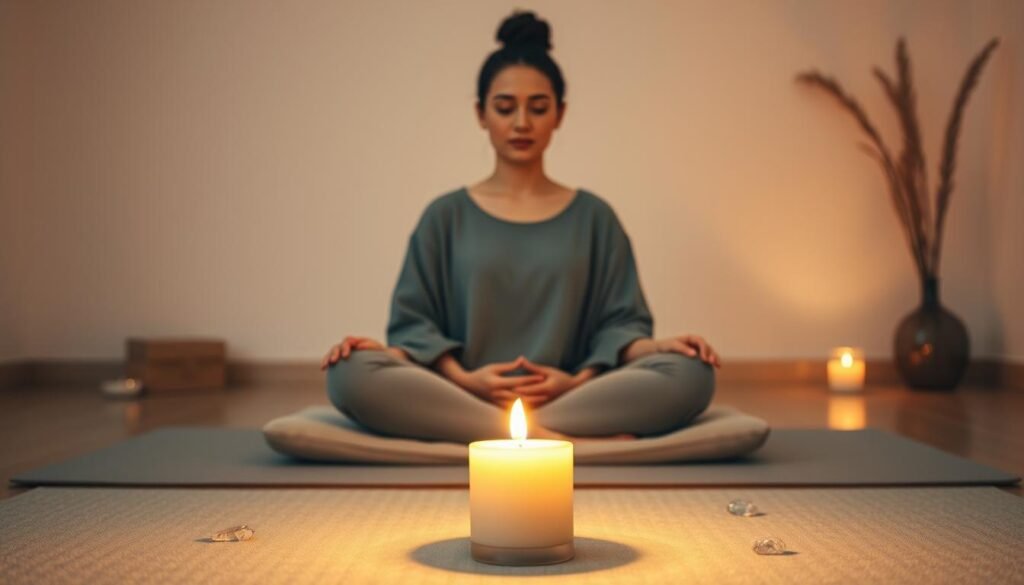
What if you could explore advanced techniques to elevate your practice? As you grow in your candle-gazing journey, you may want to deepen your focus. This can be achieved through two primary methods: Bahiranga and Antaranga Trataka.
Exploring Bahiranga and Antaranga Trataka
Bahiranga Trataka involves gazing at an external object, like a candle flame. In contrast, Antaranga Trataka develops your internal visual awareness. Both techniques can enhance your concentration and mindfulness.
Using Alternative Focal Objects for Deeper Concentration
Consider incorporating alternative focal objects. These can include a yantra, the Om symbol, or even the moon. However, remember never to gaze directly at the sun without guidance, as this can harm your eyes.
Enhancing Your Practice with Visualization Techniques
Visualization can further enrich your experience. Focus on observing the colors and movements of the flame image. Instead of forcing a dramatic experience, let the image naturally evolve in your mind.
Conclusion
What if you could harness a simple technique to enhance your mental clarity? Candle-gazing combines steady gazing at a flame with holding the resulting image internally after closing your eyes. This practice supports concentration and calm without needing an elaborate background.
Place the candle at eye level, ensuring the room is stable and draft-free. Prioritize comfort over endurance, allowing yourself to adapt as needed. Aim for a routine of about 5-10 minutes, adjusting the timing if your eyes water or your mind feels tired.
Embrace the candle as both a practical focus point and a personal symbol of inner light. By integrating this simple practice into your life, you can cultivate a sense of peace and clarity that enhances your daily experiences.
FAQ
What is the purpose of candle-gazing meditation?
The purpose is to enhance focus, calm the mind, and improve vision by concentrating on the flame of a candle.
How long should I practice candle-gazing meditation?
Start with 5 to 10 minutes daily, gradually increasing the duration as you become more comfortable with the practice.
Can anyone practice candle-gazing meditation?
Yes, it is suitable for most individuals. However, those with specific eye conditions should consult a healthcare professional first.
What should I do if I experience eye strain during the practice?
If you feel strain, take a break, close your eyes, and allow them to rest. You can also reduce the duration of your practice.
How can I create a conducive environment for candle-gazing meditation?
Choose a quiet, dimly lit space, free from distractions. Ensure the candle is placed at eye level for optimal focus.
Is it necessary to have prior meditation experience to start this practice?
No prior experience is needed. Candle-gazing meditation is accessible to beginners and can be a great introduction to mindfulness.
What are some common distractions to avoid during practice?
Avoid noise, electronic devices, and interruptions. Create a peaceful space to help maintain your focus on the candle flame.
Can I use other objects for gazing besides a candle?
Yes, you can use other focal objects, such as crystals or flowers, to enhance your concentration and mindfulness.