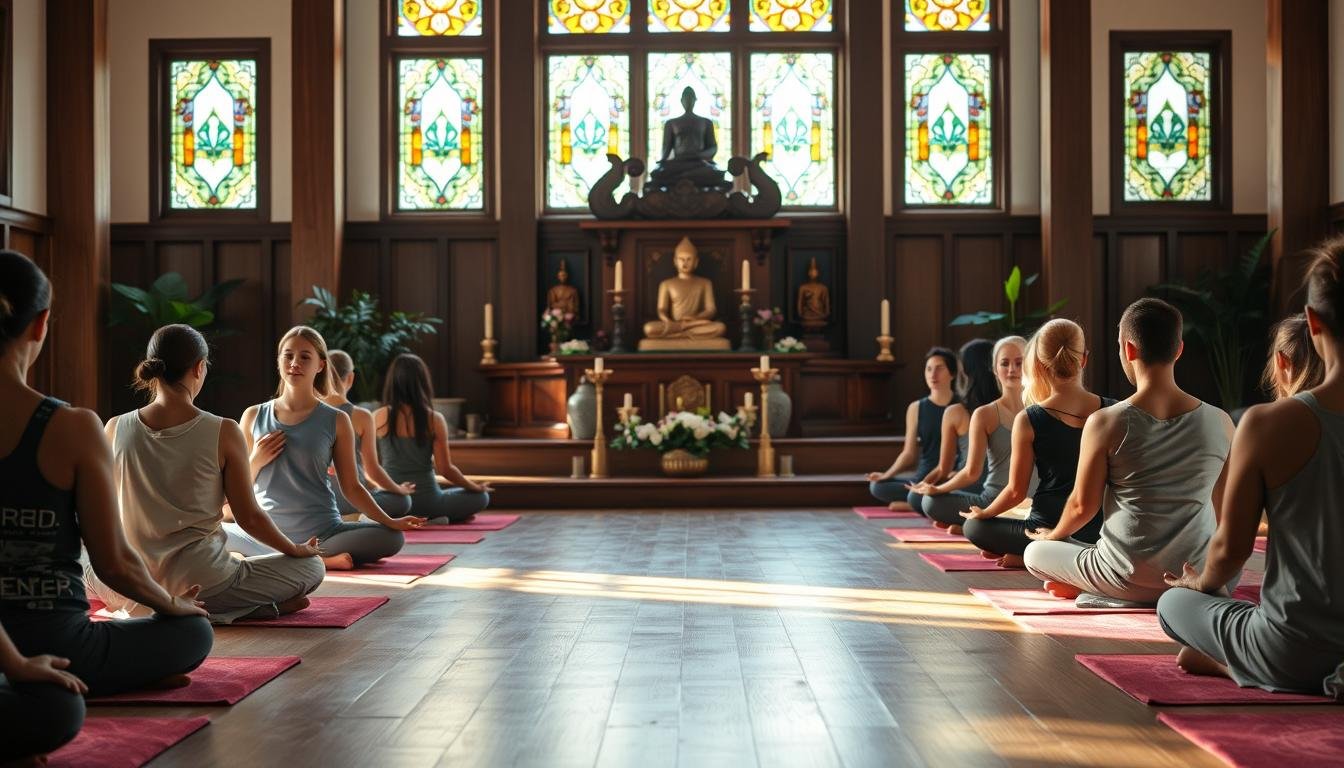
Buddha Meditation: Understanding Traditional Mindfulness Practices
Buddhist meditation is a powerful practice that encourages greater awareness and inner freedom. This tradition, rooted in the life of Siddhartha Gautama, the “Awakened One,” dates back to the fourth century B.C.E. in Lumbini, Nepal. While the ultimate goal for many practitioners is enlightenment, others find value in cultivating peace and emotional balance.
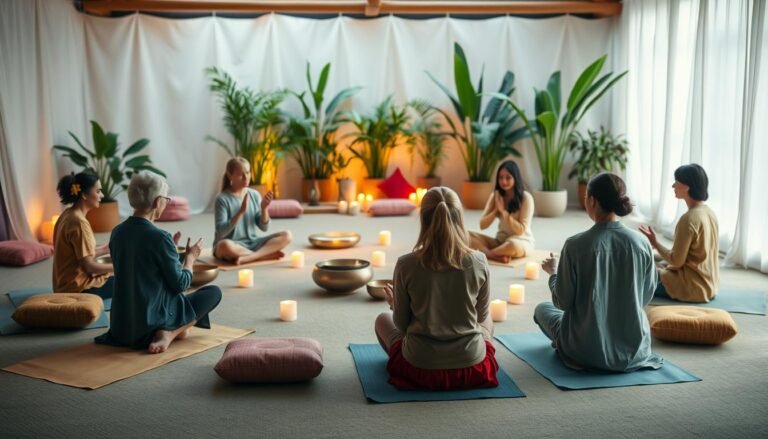
This practice can be done alone or in groups, making it accessible for everyone. You don’t need to have a specific schedule or level of experience to begin. Mindfulness, a key component, focuses on being present with your thoughts and feelings without forcing your mind to be completely blank.
As you explore this article, you’ll discover the journey from the ancient teachings to modern applications. Whether you seek spiritual growth or personal well-being, the insights provided will guide you in your practice.
Key Takeaways
- Buddhist meditation enhances awareness and promotes inner peace.
- Practitioners may pursue it for spiritual or personal reasons.
- Mindfulness emphasizes present experiences over emptying the mind.
- Traditional goals include enlightenment, while modern goals may focus on stress relief.
- The practice is adaptable, suitable for individuals or groups.
Understanding the Foundations of Buddhist Meditation
At the heart of Buddhist practices lies a profound philosophy that nurtures awareness and tranquility. Central to this tradition are the Four Noble Truths, which connect dissatisfaction with desire and emphasize disciplined living. Meditation plays a crucial role in the Noble Eightfold Path, guiding practitioners toward mental liberation.
Mindfulness is about honestly noticing your present experiences, including your breath, sensations, emotions, and thoughts. It encourages you to observe without immediate reaction. This awareness helps cultivate a peaceful mind, allowing you to make peace with unsettling thoughts.
Shamatha, meaning calmness, focuses on resting the mind amid disturbances. In contrast, vipashyana offers insight into the nature of mental phenomena. The Satipatthana Sutta illustrates this with simple breath instructions: notice wandering thoughts, gently return your attention, and repeat without self-criticism.
Ultimately, Nirvana represents Buddhism’s goal of liberation from fear, suffering, and ignorance. It is essential to distinguish between Nirvana experienced in life and parinirvana, which occurs after death.
| Concept | Description | Significance |
|---|---|---|
| Four Noble Truths | Understanding the nature of suffering and its causes. | Foundation for all Buddhist teachings. |
| Noble Eightfold Path | A guide to ethical and mental development. | Pathway to enlightenment. |
| Shamatha | Calmness and tranquility in meditation. | Helps in stabilizing the mind. |
| Vipashyana | Insight into the nature of thoughts and feelings. | Promotes deep understanding and wisdom. |
Historical Journey Behind Buddhist Meditation Practices
The journey of Buddhist meditation unfolds through the life of Siddhartha Gautama, showcasing a rich tapestry of teachings and practices. Born in Lumbini, modern-day Nepal, Siddhartha lived a life of luxury. However, he left it all behind to seek spiritual freedom in the forests.
His experiences were shaped by Brahmanist traditions, which influenced his early understanding of yoga and meditation. Over time, Siddhartha became known as the Buddha, meaning “Awakened One.” His teachings emphasized mindfulness and insight, guiding practitioners toward liberation from suffering.
By 500 C.E., Buddhist philosophy had spread across Asia, reaching places like China, Thailand, and Japan. Each region adapted the teachings, leading to diverse schools and forms of meditation. For instance, Kinhin, a mindful walking practice, originated in China and later influenced Japanese Zen traditions.
In the twentieth century, interest in Buddhist practices surged in North America. Psychologists began incorporating these techniques into treatments for anxiety and depression, further popularizing the benefits of mindfulness and meditation.
As you explore these historical roots, consider how these teachings can enhance your own journey toward awareness and compassion.
Buddha Meditation Techniques: Traditional Paths to Enlightenment
The techniques of Buddhist meditation provide various pathways to personal enlightenment. Each method emphasizes unique aspects of awareness and compassion, allowing you to explore your inner self.
Insight Meditation (Vipassana)
Vipassana, or insight meditation, focuses on observing sensations and thoughts. This practice enhances clarity and wisdom. You learn to recognize mental patterns, leading to less reactive awareness.
Concentration Meditation (Samatha & Anapanasati)
Samatha, meaning calm, helps settle your mind using the breath or another focal point. Anapanasati specifically centers on mindful breathing. A simple exercise involves noticing your breath, recognizing distractions, and gently returning your focus without judgment.
Compassion Meditation (Metta Bhavana)
Metta Bhavana, or loving-kindness meditation, extends goodwill from yourself to others. It progresses through six stages, starting with yourself and gradually including friends, neutral people, and even those you find difficult. Phrases like “May I be happy” foster a sense of connection and compassion.
| Technique | Description | Purpose |
|---|---|---|
| Vipassana | Observes sensations and thoughts | Develops clarity and wisdom |
| Samatha | Focuses on calming the mind | Enhances concentration |
| Anapanasati | Mindfulness of breathing | Promotes relaxation and focus |
| Metta Bhavana | Loving-kindness meditation | Encourages compassion and connection |
Exploring the Benefits of Meditation for Mind and Body
Practicing mindfulness can significantly enhance your emotional and physical well-being. This practice helps you observe your thoughts and sensations, which can lead to greater emotional balance. By noticing your reactions, you can respond to difficult experiences with clarity and less automatic behavior.
While traditional aims of meditation include enlightenment and Nirvana, modern practitioners often seek improved mood and stress management. Research links meditation to lower blood pressure, inner peace, and enhanced happiness. However, it’s essential to remember that these benefits are not guaranteed outcomes.
Compassion practices, such as loving-kindness meditation, can reduce self-clinging and foster empathy towards others. As you practice, you may find a deeper connection to your own feelings and those of the people around you. Remember, meditation complements professional care for issues like anxiety and depression, rather than replacing it.
Mindful walking, as taught by Thich Nhat Hanh, is another excellent way to connect with your body and the Earth. This simple form of meditation can deepen your awareness and bring peace to your daily life.
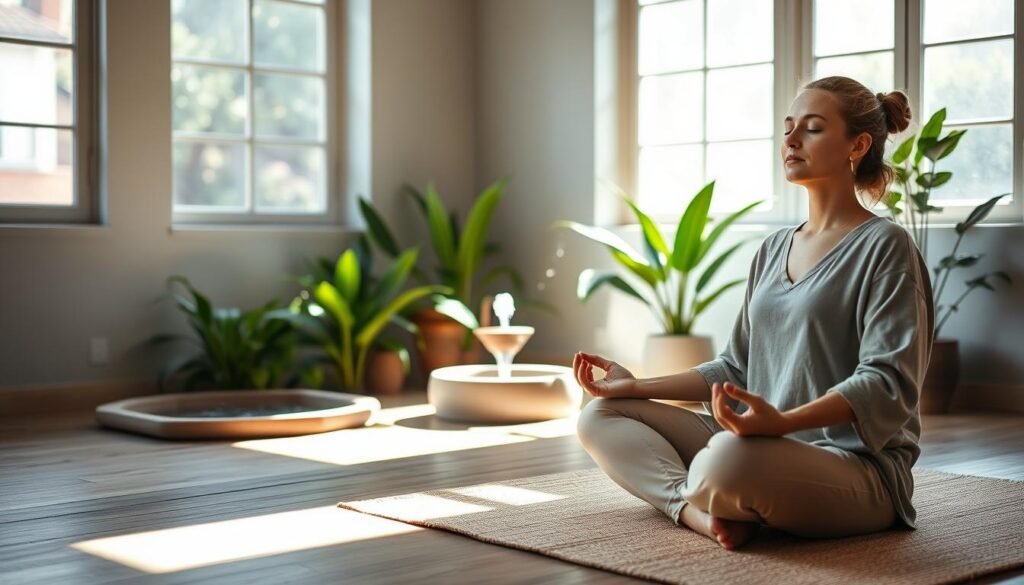
Integrating Traditional Meditation into Modern Life
Incorporating ancient mindfulness practices into daily life can transform your routine. With busy schedules and numerous responsibilities, it’s essential to find realistic ways to embrace these techniques. Mindfulness can serve as a powerful tool for stress relief.
One effective method is to take a three-minute breathing pause during your workday. Following the Satipatthana Sutta’s principle, notice your thoughts and gently return your attention to your breath. This brief break can rejuvenate your mind and improve focus.
Thich Nhat Hanh emphasized the beauty of mindful walking. You can turn ordinary walks into a practice by focusing on your breath and each deliberate step. This connection with the Earth can ground you amidst daily chaos.
Apps like Headspace and Calm have made mindfulness more accessible. However, it’s crucial to understand the spiritual context behind these practices. Consider choosing one short technique for specific transitions in your day, such as before commuting or after lunch.
Flexibility is key. If a formal cushion-based session isn’t practical, try seated, standing, or walking meditation. Adapting these traditional practices respectfully can enrich your modern life.
Practical Tips for Starting Your Meditation Practice
The path to cultivating mindfulness begins with simple, practical steps. Establishing a routine is crucial for consistency. Here are some tips to help you get started:
Establishing a Consistent Routine
Begin with just five minutes of breath awareness. Use the method from the Satipatthana Sutta: notice your thoughts and gently return your focus to your breathing. Practicing at the same time each day can help make this habit stick.
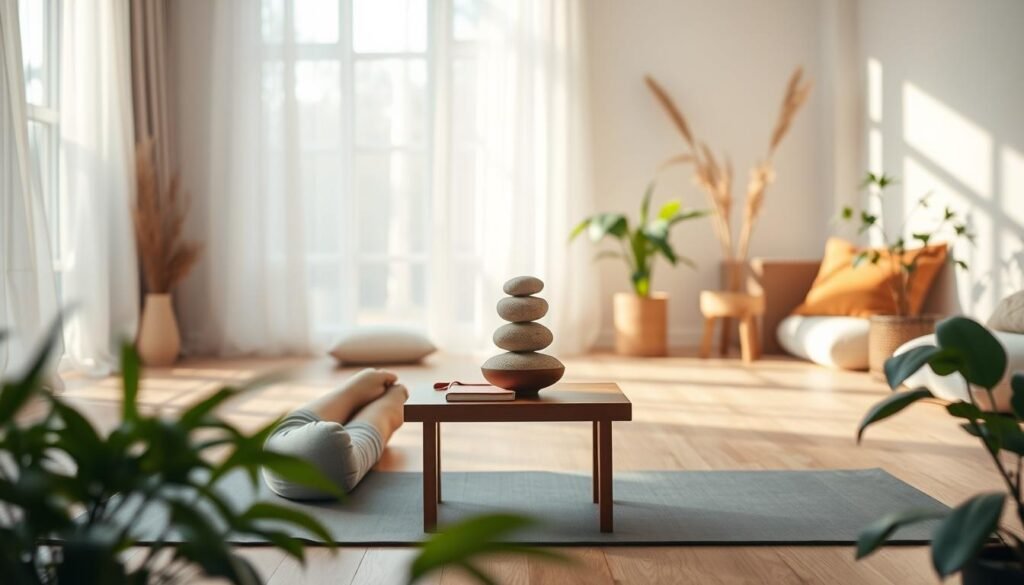
Creating a Peaceful Space at Home
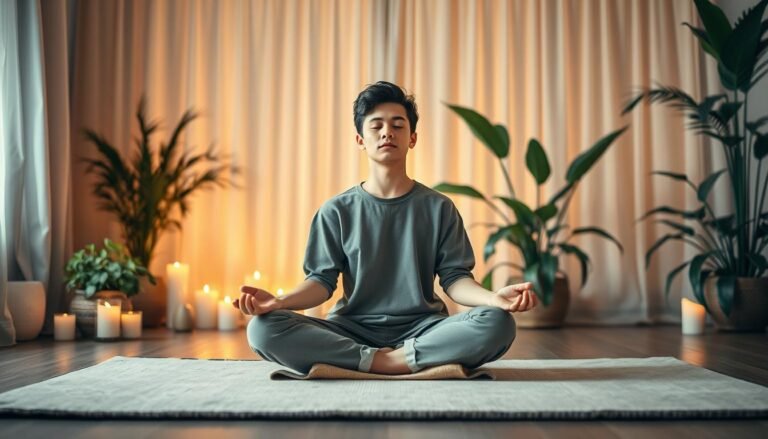
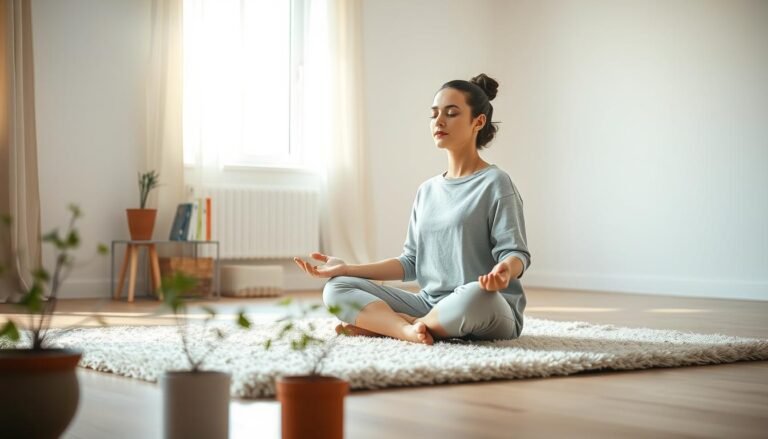
Designate a quiet corner in your home for your practice. You can use a chair, cushion, or zabuton mat. Remember, you don’t have to sit in the traditional lotus position; choose a comfortable posture that works for you.
- Consider whether you prefer solitary sessions or joining a local group for accountability.
- End each session by noticing your body and naming one present experience.
- Carry that steadier attention into the rest of your day.
Conclusion
The essence of mindfulness lies in its ability to connect you with the present moment. Through the teachings of Siddhartha Gautama, various practices have emerged, shaped by both Asian and Western influences.
Techniques like Vipassana, Samatha, Anapanasati, and Metta Bhavana provide distinct pathways to enhance your insight, concentration, and emotional steadiness.
You can start your journey with just five minutes of breath awareness each day. Finding a comfortable seat and establishing a routine can make a significant difference.
While tools like Headspace and Calm can be helpful, understanding the context of these practices adds depth to your experience. Remember, mindfulness is a gradual training that supports awareness and balance in your life.
FAQ
What is the main purpose of Buddhist meditation?
The main purpose is to cultivate mindfulness, awareness, and compassion, leading to personal insight and ultimately, enlightenment.
How can I start a meditation practice?
Begin by setting aside a few minutes each day to focus on your breath. Find a quiet space, sit comfortably, and allow your thoughts to settle.
What are some common techniques used in Buddhist meditation?
Common techniques include insight meditation (Vipassana), concentration meditation (Samatha), and compassion meditation (Metta Bhavana), each offering unique benefits.
Can meditation help with anxiety?
Yes, meditation can significantly reduce anxiety by promoting relaxation, improving emotional balance, and enhancing clarity of thought.
How long should I meditate each day?
Start with just 5-10 minutes daily, gradually increasing the time as you become more comfortable with the practice.
Is it necessary to join a meditation group?
While not necessary, joining a group can provide support, motivation, and guidance from experienced practitioners, enhancing your meditation journey.
What if I have trouble focusing during meditation?
It’s normal to have distractions. Gently bring your attention back to your breath or chosen focal point without judgment. This is part of the practice.
Can I practice mindfulness while walking?
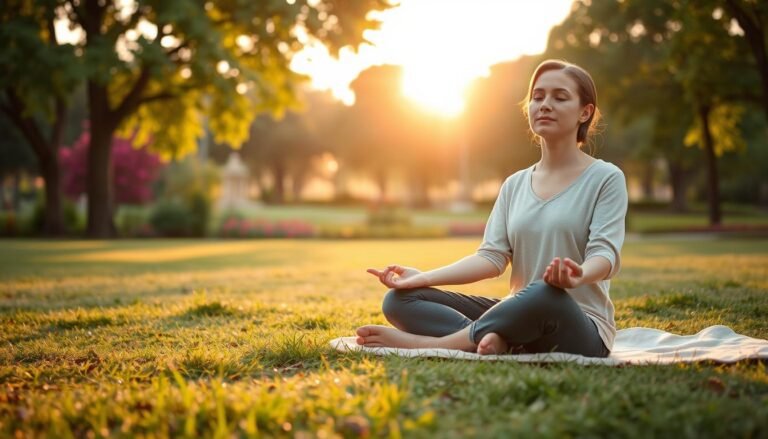
Absolutely! Mindful walking is a great way to incorporate meditation into your daily life, allowing you to connect with nature and your surroundings.