Guided Chakra Meditation: A Simple Practice for Beginners
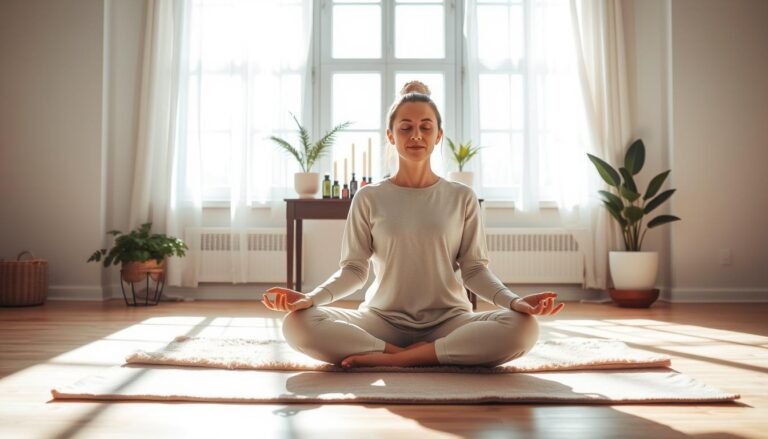
Are you looking for a way to calm your mind and balance your energy? Guided chakra meditation can be a wonderful starting point. With gentle instructions, this practice allows beginners to explore a focused 15-20 minute routine. It’s designed to help you move your awareness from the base of your spine to the crown of your head, promoting a sense of peace and clarity.
Led by Sejal Shah, an E-RYT 500 Sri Sri Yoga Teacher and meditation instructor, this approach emphasizes a nurturing experience. Rather than forcing unusual sensations, you’ll learn to gently shift your focus and breathe deeply. Remember, the benefits of meditation often come subtly and develop over time with regular practice.
In this article, you’ll discover techniques for breathing, posture, and visualization. You’ll also find tips on scheduling your practice so you can make it a part of your daily life. Let’s embark on this journey together and explore how you can enhance your well-being today.
Key Takeaways
- Guided meditation can help beginners focus and calm their minds.
- Sejal Shah offers a supportive approach to energy balancing.
- Awareness moves gently from the spine to the crown.
- Regular practice yields subtle yet meaningful benefits.
- Breathing and visualization techniques enhance the experience.
Introduction to Chakra Meditation
Are you interested in exploring a practice that fosters peace and energy alignment? This approach to meditation focuses on moving your awareness through energy centers, which are often described as wheels of energy. The term “chakra” itself comes from Sanskrit, meaning “wheel,” making this concept more approachable.
This practice combines stillness, natural breathing, and focused attention. You don’t need advanced yoga skills or any complicated equipment to get started. Instead, think of it as a simple pause to notice your body, thoughts, breath, and emotions.
While the practice is spiritual and contemplative, remember to discuss any physical or mental health concerns with a qualified professional. Begin your journey by finding a comfortable chair or cushion. Success comes from consistency, not dramatic experiences.
| Key Elements | Description |
|---|---|
| Chakras | Energy centers in the body that influence well-being. |
| Stillness | A crucial component for focusing your mind. |
| Breathing | Natural breathing helps ground your practice. |
| Awareness | Bringing attention to your body and emotions enhances the experience. |
Understanding the Chakra System
Have you ever wondered how ancient traditions perceive the flow of energy within us? The chakra system, originating from ancient Indian texts, describes energy centers that influence our overall well-being. According to Gurudev Sri Sri Ravi Shankar, there are 109 chakras, but most yoga practices focus on the seven main ones aligned along the spine.
Nadis, the metaphysical channels, allow prana, or life force, to flow. You can think of nadis as highways and chakras as intersections where energy converges. This flow is essential for maintaining balance in your life.
Energy can move upward, known as urdhvagati, leading to feelings of creativity, love, and gratitude. Conversely, the downward movement, adhogati, can bring about negative emotions like fear and anger. Understanding these dynamics can empower you to cultivate a more joyful and fulfilling life.
For those interested in a deeper exploration of this fascinating system, check out our related article on the chakra system at BetterLifeAtlas.
Benefits of Regular Guided Chakra Meditation
Do you seek a pathway to greater emotional balance and mental clarity? Regular practice can be a transformative experience. Many find that it brings feelings of joy, contentment, and peace into their lives. These benefits are not just fleeting; they can become a part of your daily experience.
Improved focus often comes from gently returning your awareness to your breath and energy centers. It’s about nurturing a connection rather than forcing energy to move. This approach can lead to greater creativity and enthusiasm in your everyday activities.
Additionally, many report better sleep and a stronger connection to themselves and others through consistent practice. Remember, it’s important to track your mood, concentration, and sleep over a couple of weeks. This way, you can see the gradual changes rather than expecting immediate results.
Sejal Shah recommends practicing daily or two to three times a week. Building a sustainable habit can make a significant difference in your life.

Step-by-Step Guide to Chakra Meditation
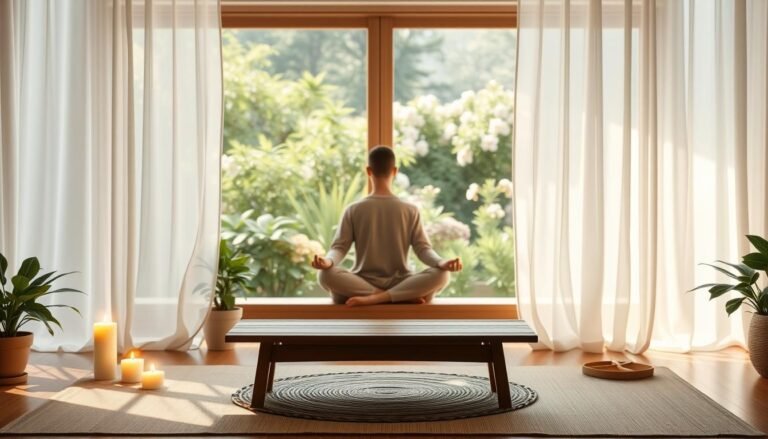
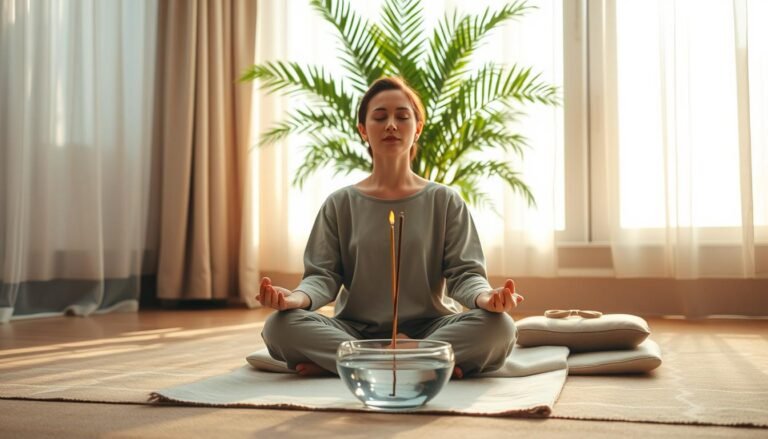
Would you like to learn a method to cultivate a deeper connection with your body? Setting the right environment is essential for a fulfilling experience. Begin by reserving 15-20 minutes in a quiet space where you won’t be disturbed.
Next, find a comfortable seated position. You can sit cross-legged on the floor or in a chair, ensuring your spine is erect yet relaxed. With your palms facing upward on your knees, take a moment to settle in.
Preparing Your Space and Mind
Start with three gentle breaths, inhaling deeply and exhaling slowly. This helps ground your practice. Then, place your awareness at the base of your spine. Allow your body to relax naturally without forcing any sensations.
Posture, Breathing, and Guided Cues
Spend about two minutes focusing on each of the seven energy centers. Move your attention upward from the base through the heart, solar plexus, third eye, and finally to the crown. Remember, it’s about noticing sensations without judgment.
Following Your Meditation Sequence
After completing the sequence, take a moment to rest with your breath. If it feels right, lie down briefly and open your eyes gradually. This gentle transition helps you return to your day with a sense of peace.
Key Elements of the Seven Chakras
Curious about the key features of the energy centers in your body? Understanding these elements can enhance your practice and awareness. Each center has its own unique characteristics and associations, which can help you connect more deeply during your practice.
While some yoga schools associate colors and lotus petals with these centers, it’s important to note that these interpretations are more modern than ancient. The ancient texts do not consistently specify these associations. Instead, consider them as optional prompts for your practice.
Overview of the Seven Main Chakras
Here’s a quick look at the seven main energy centers:
| Chakra | Location | Color | Themes |
|---|---|---|---|
| Root | Base of the spine | Red | Stability, security |
| Sacral | Lower abdomen | Orange | Creativity, pleasure |
| Solar Plexus | Upper abdomen | Yellow | Confidence, willpower |
| Heart | Center of the chest | Green | Love, compassion |
| Throat | Throat area | Blue | Communication, expression |
| Third Eye | Forehead | Indigo | Intuition, insight |
| Crown | Top of the head | Violet | Spirituality, enlightenment |
Using these colors as optional meditation prompts can be helpful. Remember, they are not fixed rules but rather tools to guide your practice.
chakra meditation guided: A Beginner’s Approach
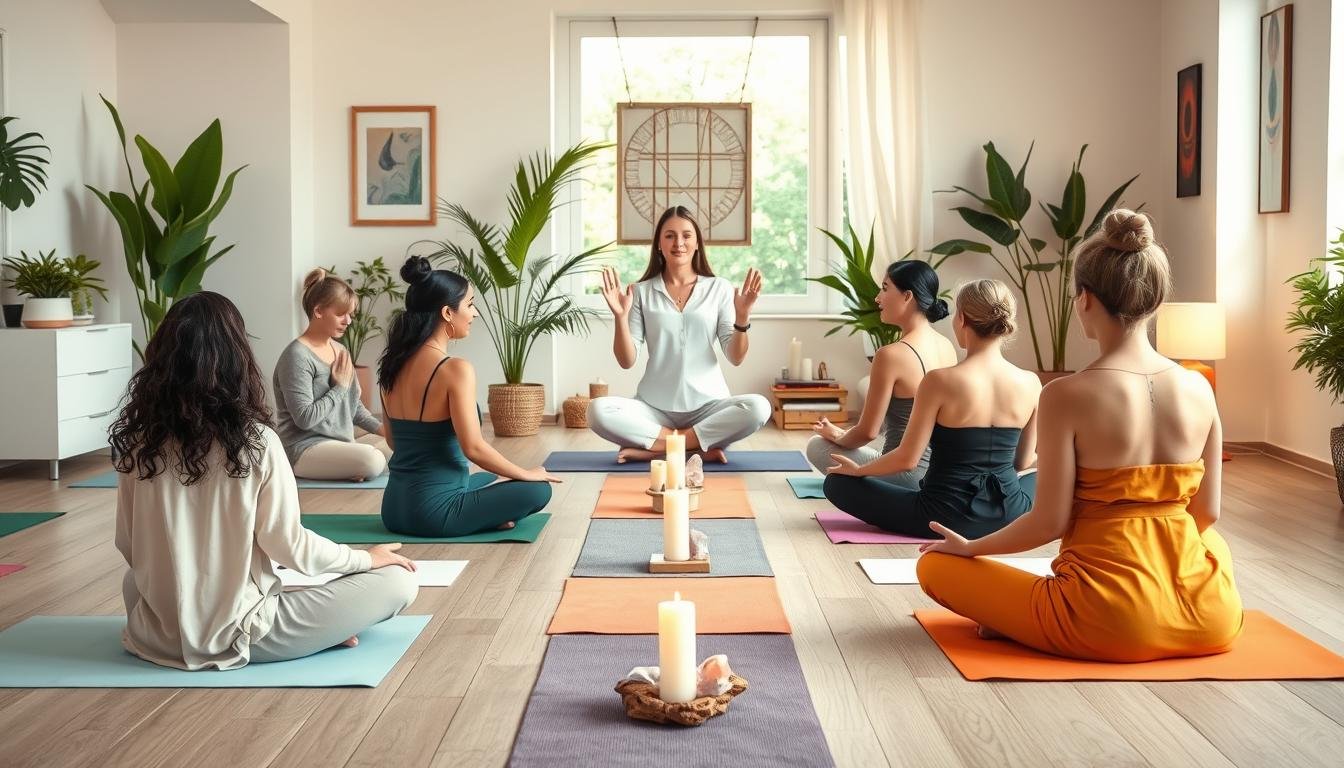
Have you considered how structured guidance can enhance your focus during meditation? Using guided instructions can help you stay on track, especially when you’re just starting out. They offer a steady voice to direct your attention, making it easier to connect with your energy centers.
One highly recommended resource is the Hari Om guided meditation by Gurudev Sri Sri Ravi Shankar. This session provides clear cues that simplify the process of remembering each chakra’s location, color, and emotional theme. It’s a great way to reduce the mental effort involved in your practice.
To incorporate guided sessions into your daily routine, consider scheduling them at times that work best for you. You might try meditating right after waking up, during your lunch break, or before bed. Sejal Shah suggests practicing every day or two to three times a week for optimal benefits.
Additionally, you can explore the free “Secrets of the 7 Chakras” event, which offers one guided meditation for each chakra. This structured journey can enhance your understanding and connection with your practice.
Tips for Enhancing Your Meditation Practice
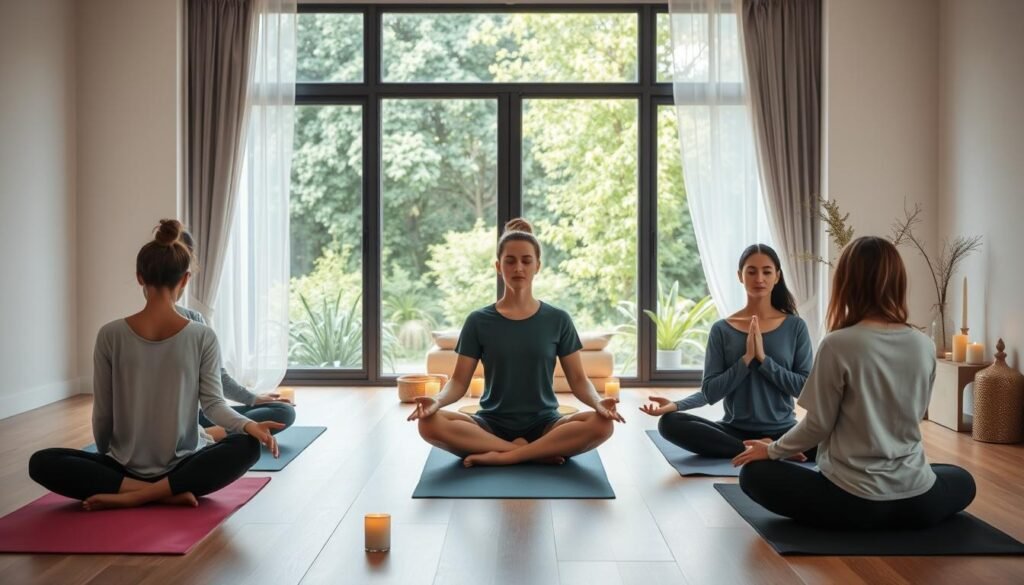
Looking for practical tips to enhance your focus and comfort during meditation? Establishing a consistent routine can make a significant difference. Here are some actionable steps to consider:
Actionable Steps for Consistent Practice
Try recording the instructions in your own voice. Speak slowly and include pauses of 5-10 seconds between paragraphs. This will help you absorb the guidance more effectively.
Additionally, keep your meditation location consistent. Attach your practice to an existing habit, like enjoying your morning coffee or stretching in the evening. This connection can make it easier to stick to your routine.
Recommended Tools and Resources
Simple tools can greatly enhance your experience. Consider using a cushion or chair for comfort, a timer to track your sessions, and headphones to minimize distractions. A blanket can also keep you cozy during your practice.
For more insights, explore articles on and sleep meditation. These resources can offer additional techniques to enrich your journey.
Lastly, consider checking out Sejal Shah’s free SKY introductory session for learning breathwork responsibly.
Incorporating Breathwork and Visualization Techniques
Have you ever thought about how breath and visualization can enhance your inner journey? These two practices can significantly elevate your experience. By integrating them, you can deepen your connection to your body and emotions.
To start, try Phoebe Garnsworthy’s breathing technique. Begin with three rounds of inhaling for five counts and exhaling for five counts. This rhythm helps you focus your energy. Afterward, return to your natural breathing pattern.
Effective Breathing Techniques for Energy Flow
- Inhale deeply for five counts, feeling your abdomen expand.
- Exhale slowly for five counts, releasing tension.
Visualization Practices to Enhance Chakra Activation
As you breathe, visualize colors associated with each energy center. Picture red for the root, orange for the sacral, yellow for the solar plexus, green for the heart, blue for the throat, indigo for the third eye, and violet for the crown. This imagery can help activate each area.
Additionally, consider connecting each chakra with elements: Earth for the root, Water for the sacral, Fire for the solar plexus, Air for the heart, and Space for the crown. Use these symbols as reflective aids during your practice.
Remember, it’s okay if visualization feels faint or absent. The key is to observe without judgment. Lastly, explore SKY Breath Meditation, which offers various rhythms of breath. Seek qualified instruction to guide your practice safely.
Conclusion
Have you thought about how a simple practice can bring peace and clarity to your daily life? Engaging in a gentle 15-20 minute routine can help you move your awareness from the base of your spine toward the crown without forcing sensations. Sejal Shah encourages you to practice daily or two to three times a week for the best results.
Remember, the framework of seven energy centers, colors, breath, and light imagery are tools to guide your focus rather than strict requirements. Notice how your feelings of peace, focus, and energy may shift over time, and keep your health expectations realistic.
Consider trying a guided session today, and allow yourself to return to natural breathing afterward. If you encounter challenges during your practice, don’t hesitate to seek qualified support. Your journey toward well-being is uniquely yours.
FAQ
What is chakra meditation?
Chakra meditation is a practice that focuses on balancing and aligning the energy centers in your body, promoting overall well-being and emotional stability.
How can I start a chakra meditation practice?
Begin by finding a quiet space, sitting comfortably, and focusing on your breath. You can use guided sessions to help you stay on track and deepen your practice.
What are the benefits of chakra meditation?
Regular practice can enhance energy flow, improve mental clarity, and foster emotional balance, leading to a greater sense of peace and well-being.
How do I know if my chakras are out of balance?
Signs of imbalance may include emotional instability, physical discomfort, or a lack of energy. Practicing meditation can help you identify and address these issues.
Can anyone practice chakra meditation?
Yes, anyone can practice this form of meditation, regardless of experience level. It’s accessible and can be tailored to fit individual needs.
How long should I meditate for the best results?
Even a few minutes daily can be beneficial. Aim for at least 10-15 minutes to start, gradually increasing as you become more comfortable.
What tools do I need for chakra meditation?
You don’t need any special tools, but items like cushions, candles, or calming music can enhance your experience and create a soothing environment.
How can I incorporate breathwork into my practice?
Focus on deep, intentional breathing to help center your mind and body. This can increase energy flow and enhance your meditation experience.