Meditation for Relaxation: Simple Practices to Calm Your Mind and Body
Finding a moment of calm in our busy lives can feel challenging. Many people experience stress and tension throughout their days. However, simple practices can help create a peaceful pause, allowing your mind and body to reset.
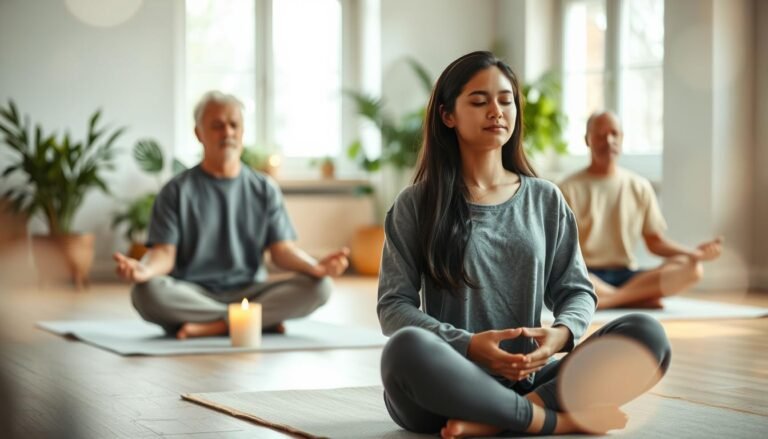
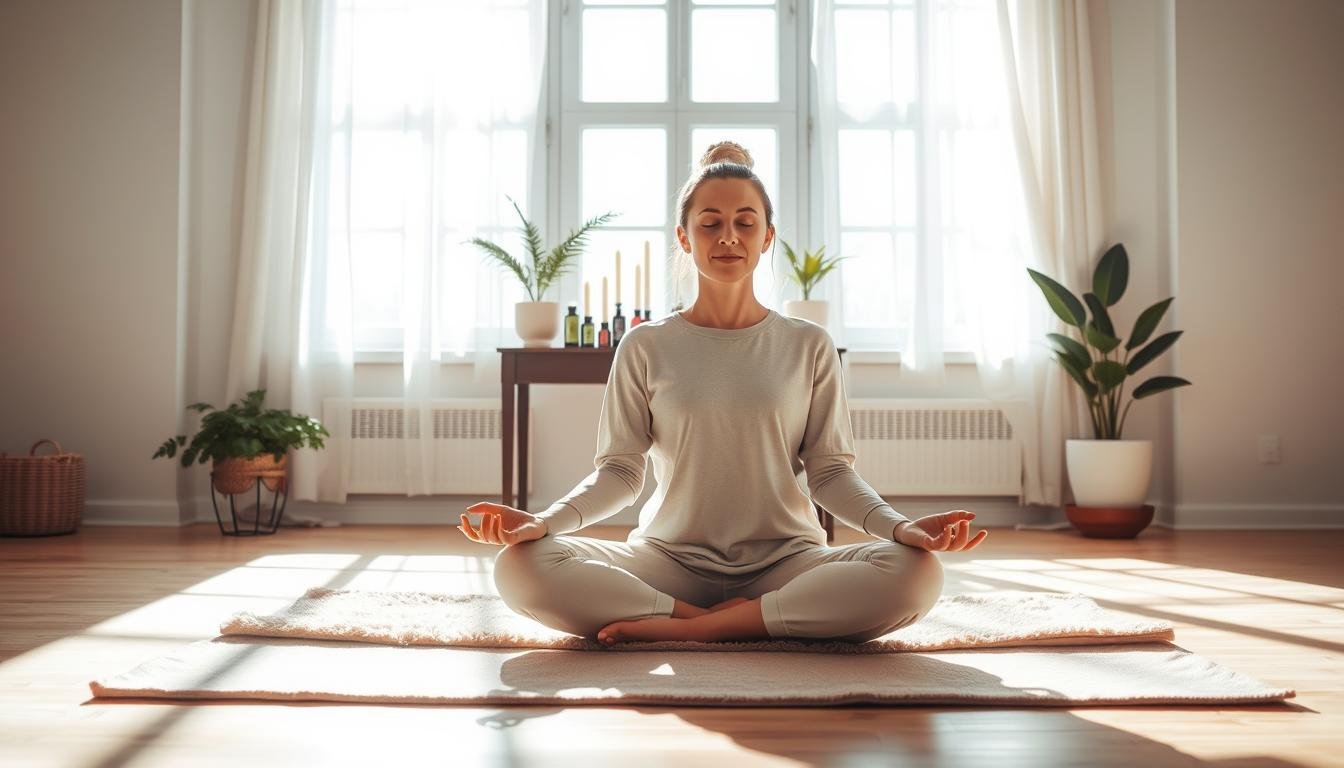
According to Mary Long, incorporating a 20-minute session once or twice daily can make a difference. Start by sitting comfortably, with a lowered gaze. This position helps signal your body that it’s time to unwind.
Be patient with yourself. It’s important to practice self-kindness, especially when stress or tension makes it hard to feel at ease. As you begin, notice how these moments of calm can influence the rest of your day.
In the following sections, you’ll discover techniques such as breathing exercises, body awareness, and daily routines that can turn this practice into a personal journey. Remember, the goal is to allow your mind to settle naturally rather than forcing relaxation.
Understanding Meditation for Relaxation
Amidst the noise of our routines, finding peace can feel like a distant dream. Meditation is a practice that allows you to focus your attention on your breath, sensations, or sounds, while gently noticing when your mind wanders. This simple act can lead to a profound sense of calm.
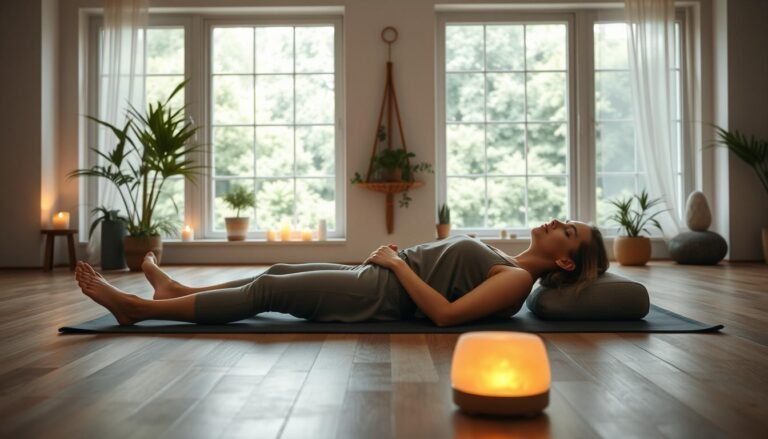
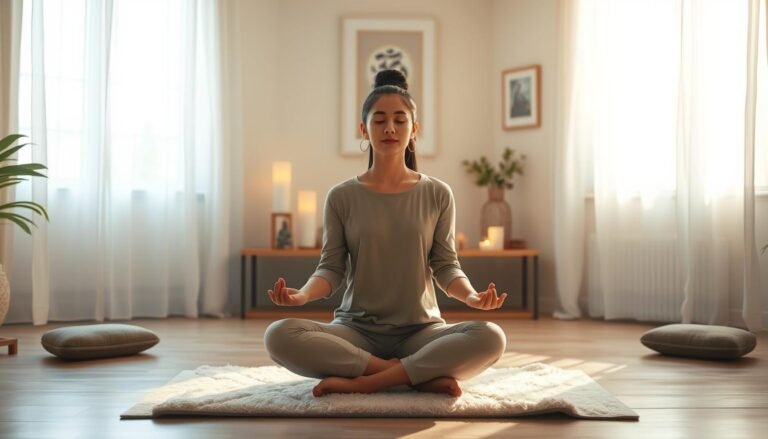
To get started, consider adopting a calming posture. Lower your gaze, drop your shoulders, relax your jaw, and unfurl your brow. These small adjustments can signal your body that it’s time to unwind. Remember, relaxation does not mean you must eliminate all thoughts. Instead, let them come and go, gently guiding your attention back to your breath.
“Meditation may support calm, clarity, thoughtful decisions, communication, and creativity.” – Mary Long
Unlike other techniques, relaxation meditation specifically aims to foster immediate ease, rather than exploring challenging emotions. By practicing regularly, you may find that you can navigate stress more effectively, enhancing your overall well-being.
The Science Behind Stress Relief and Deep Breathing
Navigating through life’s demands, moments of stillness often appear elusive. However, research reveals that slow, deep breathing can significantly reduce stress. Columbia University researchers found this technique particularly beneficial for individuals facing post-traumatic stress disorder and daily stress.
When you engage in deep breathing, your body activates calm, smooth alpha brain waves. These waves are often likened to ocean waves, gently rolling in and out. This rhythm mirrors the natural flow of inhalation and exhalation, promoting a steady sense of peace.
“Deep breathing is a simple yet powerful tool for managing stress.” – Columbia University Research
While deep breathing can be an effective tool, it’s essential to remember that it complements professional care rather than replaces it. If you experience significant stress or health concerns, seeking help from a qualified professional is crucial.
| Breathing Technique | Benefits | Research Source |
|---|---|---|
| Slow Deep Breathing | Reduces stress and anxiety | Columbia University |
| Mindful Breathing | Enhances focus and clarity | Columbia University |
| Rhythmic Breathing | Promotes relaxation | Columbia University |
Simple Breathing Techniques for Meditation
In the hustle and bustle of daily life, carving out time to breathe deeply can feel like a luxury. However, integrating simple breathing techniques into your routine can help ease stress and tension.
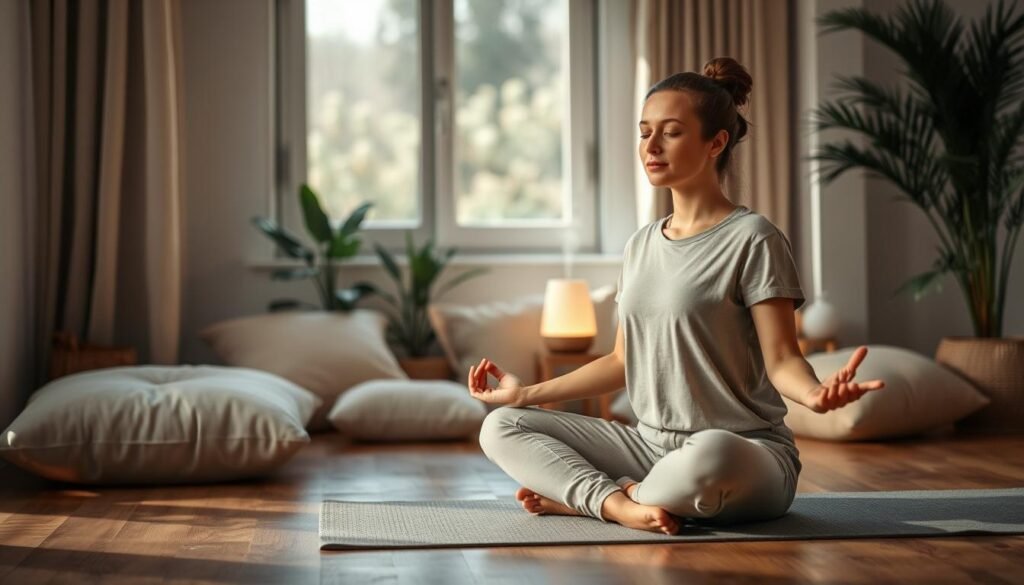
Start by finding a quiet, comfortable space. Begin with five deep, audible breaths. Inhale through your nose and exhale through your mouth. During each inhalation, visualize fresh air filling your lungs, and during each exhalation, imagine releasing physical and mental stress.
After your initial five breaths, take a moment to observe your breathing. Is it deep or shallow? Long or short? Fast or slow? Simply notice without trying to control it.
Next, practice breath counting. Count “one” as you inhale, “two” as you exhale, and continue up to ten. If your mind wanders, gently return to one. This technique helps focus your attention and deepen your practice.
Remember, this exercise takes about ten minutes. If you feel discomfort, pause or breathe normally. Enjoy the process and allow your body to find its natural rhythm.
| Breathing Technique | Description | Benefits |
|---|---|---|
| Deep Breathing | Inhale deeply through the nose, exhale through the mouth. | Reduces stress and promotes relaxation. |
| Breath Counting | Count breaths from one to ten, restarting at one. | Enhances focus and mindfulness. |
| Visualization | Imagine releasing stress with each exhale. | Supports mental clarity and calm. |
Practicing a Body Scan and Mindfulness
In the chaos of everyday life, it can be tough to find a moment of clarity. A body scan is a great way to reconnect with yourself and cultivate awareness. This practice can help you notice tension and relaxation in your body.
Begin by taking a moment to notice your surroundings. What can you smell, hear, taste, or feel? This sensory check-in prepares you for the body scan.
Step-by-Step Body Scan Instructions
- Scan slowly from head to toe for about 20 seconds. Observe any tension or discomfort without labeling these sensations as failures.
- Next, scan again to identify areas that feel relaxed. Compare these sensations rather than trying to force a particular outcome.
- As thoughts arise, simply observe them without judgment. When your mind wanders, gently return your focus to your breath.
Mindfulness Tips for Beginners
- Finish your practice with 20 to 30 seconds of simply sitting. Allow your mind to be free before noticing physical sensations again.
- Remember, it’s okay to adjust the exercise to suit your needs. Your experience is unique.
Guided Meditation Practices to Enhance Relaxation
Amidst our hectic schedules, taking time to focus on your inner peace is often overlooked. Utilizing guided meditation can be a valuable tool in your journey toward calmness. Many apps and resources offer a variety of recorded sessions tailored to your needs.
One excellent option is , which provides streaming and downloadable guided meditations. Diana Winston, the Director, has recorded sessions ranging from a quick 3-minute Short Body Scan to a comprehensive 19-minute Complete Meditation Instructions. This flexibility allows you to choose a session that fits your schedule.
Consider opting for a shorter recording on busy days and a longer one when you have more time to settle into a deeper state of relaxation. Additionally, UCLA Mindful offers materials in multiple languages, including Spanish, French, and Mandarin, ensuring accessibility for everyone.
As you explore these resources, remember to review the Creative Commons license, as these materials are ©2011-2024 and are meant for noncommercial use. Tailoring your meditation experience can enhance your overall well-being and help you manage stress effectively.
Integrating Meditation into Your Daily Routine
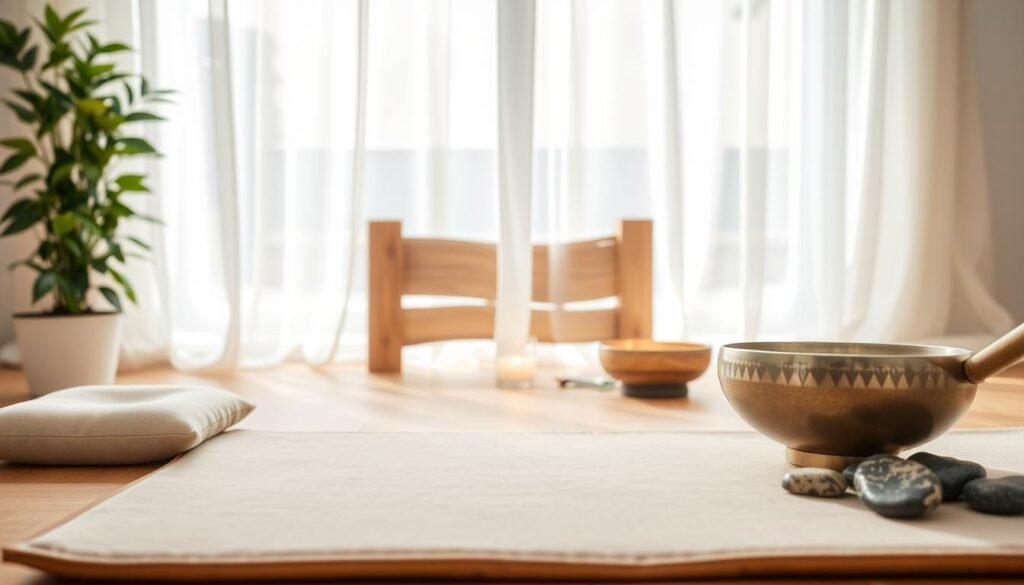
In the midst of our busy lives, creating a tranquil space can feel like a daunting task. However, establishing a simple area for your practice can make all the difference. You don’t need fancy furniture or elaborate decorations; a comfortable chair or quiet corner will suffice.
Consider anchoring your practice to an existing habit. For instance, you might choose to meditate after waking up or before going to bed. Mary Long suggests aiming for 20 minutes once or twice a day, making it an adaptable goal.
To enhance your focus, keep your phone away or select just one recording to listen to. This helps create an environment that supports your attention rather than distracting you with choices.
At the end of your practice, take a moment to notice your posture and where your feet touch the floor. This awareness can help ground you as you transition back to your daily activities.
Finally, set an intention to carry the calm feelings into your day. Especially before conversations or important decisions, this intention can help you maintain a sense of peace.
| Action | Description | Benefits |
|---|---|---|
| Choose a Comfortable Spot | Find a chair or corner that feels right for you. | Encourages regular practice. |
| Anchor to a Habit | Link your practice to an existing routine. | Increases consistency. |
| Limit Distractions | Keep your phone away or use one recording. | Enhances focus and mindfulness. |
Supporting Health with Relaxation Meditation Techniques
In our fast-paced world, finding ways to unwind can often feel overwhelming. Incorporating simple relaxation techniques into your daily routine can help you manage stress effectively.
Mary Long recommends practicing relaxation drills to help release tension in your body. When stress arises, take a moment to consciously relax your shoulders, jaw, and brow. This small act can significantly ease your mind.
Techniques to Manage Stress and Tension
- Before a challenging task, take three slow breaths. This method is linked to reduced stress, as shown by Columbia University research.
- Pair a body scan with soft music or guided audio to create a calming evening routine that supports relaxation before sleep.
Additional Relaxation Drills for Everyday Calm
It’s essential to keep your expectations realistic. Trauma and stress can interfere with ease, and professional support may be necessary for ongoing challenges. If you have health conditions, consult a healthcare professional before trying new breathing or relaxation practices.
By integrating these techniques into your life, you can enhance your overall well-being.
Conclusion
In our daily lives, creating moments of stillness can often seem out of reach. Yet, embracing a practice can lead to significant changes. Start with a comfortable posture, steady breathing, and patience. This journey does not require forcing the mind to empty.
Begin with five audible breaths, then transition to a body scan to enhance sensory awareness. Regular practice can help you identify tension sooner, providing a dependable pause before responding to challenges.
Choose a session length that suits your day—be it 3, 5, 10, or 20 minutes. Remember, whenever thoughts drift, return gently, using self-kindness as a cornerstone of your relaxation habit. To explore more resources, check out this link.
FAQ
What are the benefits of meditation for relaxation?
Practicing relaxation techniques can help reduce stress, lower blood pressure, and improve overall well-being. It encourages mindfulness, which enhances your ability to focus and stay present.
How long should I meditate each day?
Even a few minutes daily can be beneficial. Start with 5-10 minutes and gradually increase the time as you become more comfortable with the practice.
Can meditation help with sleep issues?
Yes, incorporating relaxation practices into your routine can help calm your mind and body, making it easier to fall asleep and improve sleep quality.
What is a body scan, and how does it work?
A body scan is a mindfulness technique where you focus your attention on different parts of your body, promoting relaxation and awareness of physical sensations.
How can I create a peaceful meditation space at home?
Choose a quiet area, declutter it, and add elements that promote calmness, such as soft lighting, comfortable seating, and soothing music.
Are there specific breathing techniques I should use?
Deep breathing methods, such as inhaling through your nose and exhaling through your mouth, can help deepen your relaxation experience and enhance focus.
How do I get started with guided meditation?
You can explore various meditation apps or online resources that offer guided sessions tailored to your needs, making it easier to begin your practice.
What if my mind wanders during meditation?
It’s normal for thoughts to arise. Acknowledge them, then gently bring your focus back to your breath or the technique you’re practicing.