Chakra Meditation: A Beginner-Friendly Guide to Mindful Awareness
Are you curious about chakra meditation? This practice offers a gentle way to explore your body’s energy centers while promoting balance and well-being. In just 15-20 minutes, you can start your journey in a peaceful space, free from distractions.
Chakra meditation focuses on breathing, mindfulness, and visualization. It helps you connect with the seven energy centers within your body. By doing so, you can enhance your physical and mental health. Sejal Shah, a skilled yoga teacher, emphasizes the importance of balanced chakras for overall wellness.
While this practice can support stress management and mindful awareness, it’s essential to remember that it complements medical care rather than replaces it. Use this guide as a practical starting point before diving into a guided meditation or seeking a trained teacher.
Key Takeaways
- Chakra meditation is a focused practice using breathing and visualization.
- Sejal Shah connects balanced energy centers with well-being.
- Begin with 15-20 minutes in a quiet space.
- This practice supports stress management and mindful awareness.
- Consult medical professionals for health concerns.
Introduction to Chakra Meditation
What if understanding your energy centers could enhance your life? The term “chakra” comes from Sanskrit, meaning “wheel.” These spinning energy centers are associated with the subtle body, each playing a unique role in your overall well-being.
In this practice, nadis serve as energy channels, while chakras act like intersections where pathways meet. This concept traces back to ancient Hindu and Buddhist scriptures, emphasizing the flow of prana, or life force, through these vital centers.
Modern chakra meditation has evolved significantly. Today, it often combines directed attention with breathwork, visualization, sound, or affirmations. While traditional teachings focus on the essence of energy flow, contemporary practices frequently incorporate colors and lotus imagery, adding a visual element to the experience.
As noted in recent updates, the interest in chakra meditation continues to grow, highlighting its relevance in today’s approach to self-awareness and holistic wellness.
What is the Chakra System?
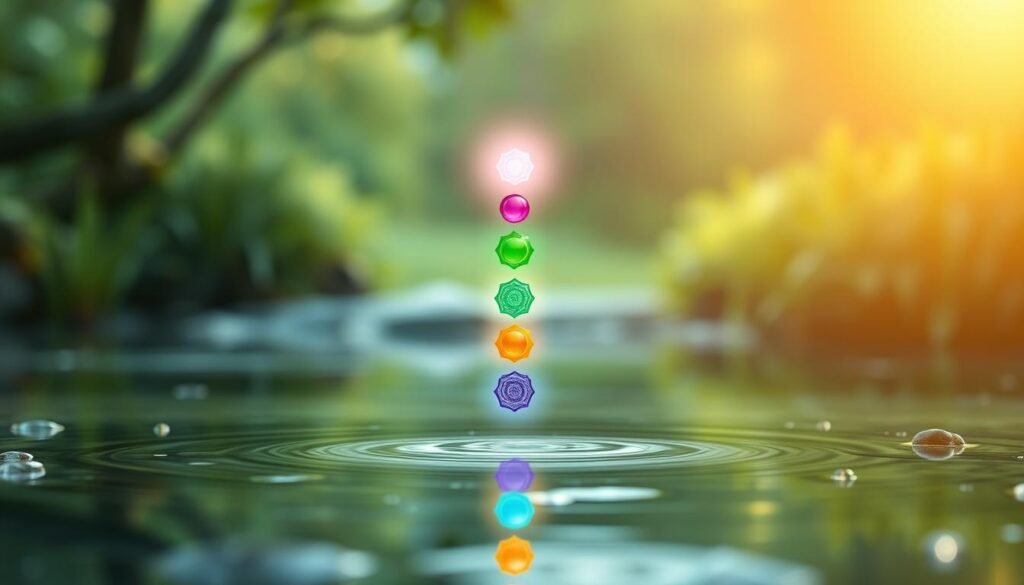
Understanding the chakra system can provide insight into your emotional and physical well-being. According to Gurudev Sri Sri Ravi Shankar, there are 109 energy centers in the body, but most practices focus on seven main ones. These primary centers are aligned along the spine, starting from the base and reaching up to the crown of the head.
Each energy center corresponds to specific locations in your body and is associated with distinct colors and themes. Below is a table that outlines these seven key energy centers, their locations, colors, and the emotional themes they reflect:
| Chakra | Location | Color | Emotional Theme |
|---|---|---|---|
| Root Chakra | Base of the spine | Red | Grounding |
| Sacral Chakra | Below the navel | Orange | Creativity |
| Solar Plexus Chakra | Upper abdomen | Yellow | Confidence |
| Heart Chakra | Center of the chest | Green | Love |
| Throat Chakra | Throat | Blue | Communication |
| Third Eye Chakra | Between the eyebrows | Indigo | Intuition |
| Crown Chakra | Top of the head | Violet | Awareness |
These associations, particularly with colors, are common in modern interpretations. However, ancient texts did not always specify colors or the number of petals for each chakra. Understanding these energy centers can deepen your connection to yourself and enhance your meditation practice.
How to Practice Chakra Meditation
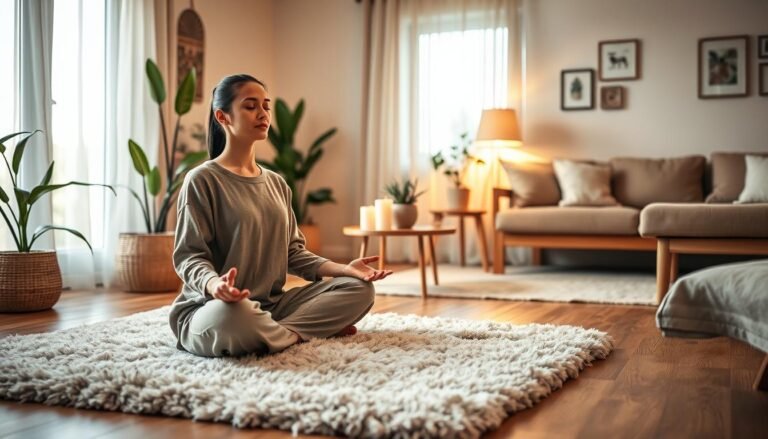
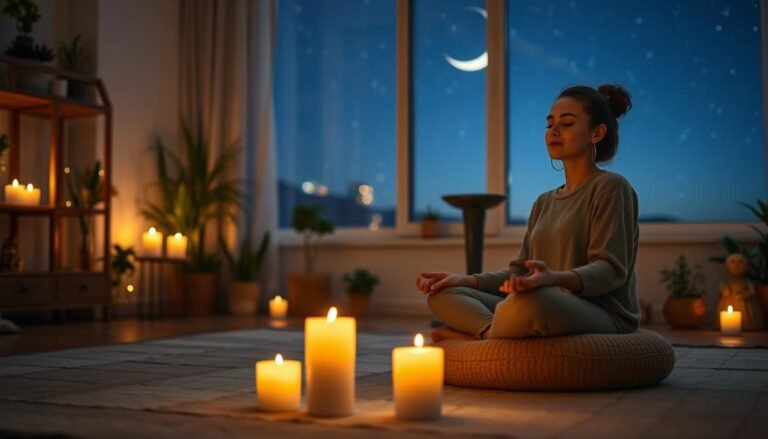
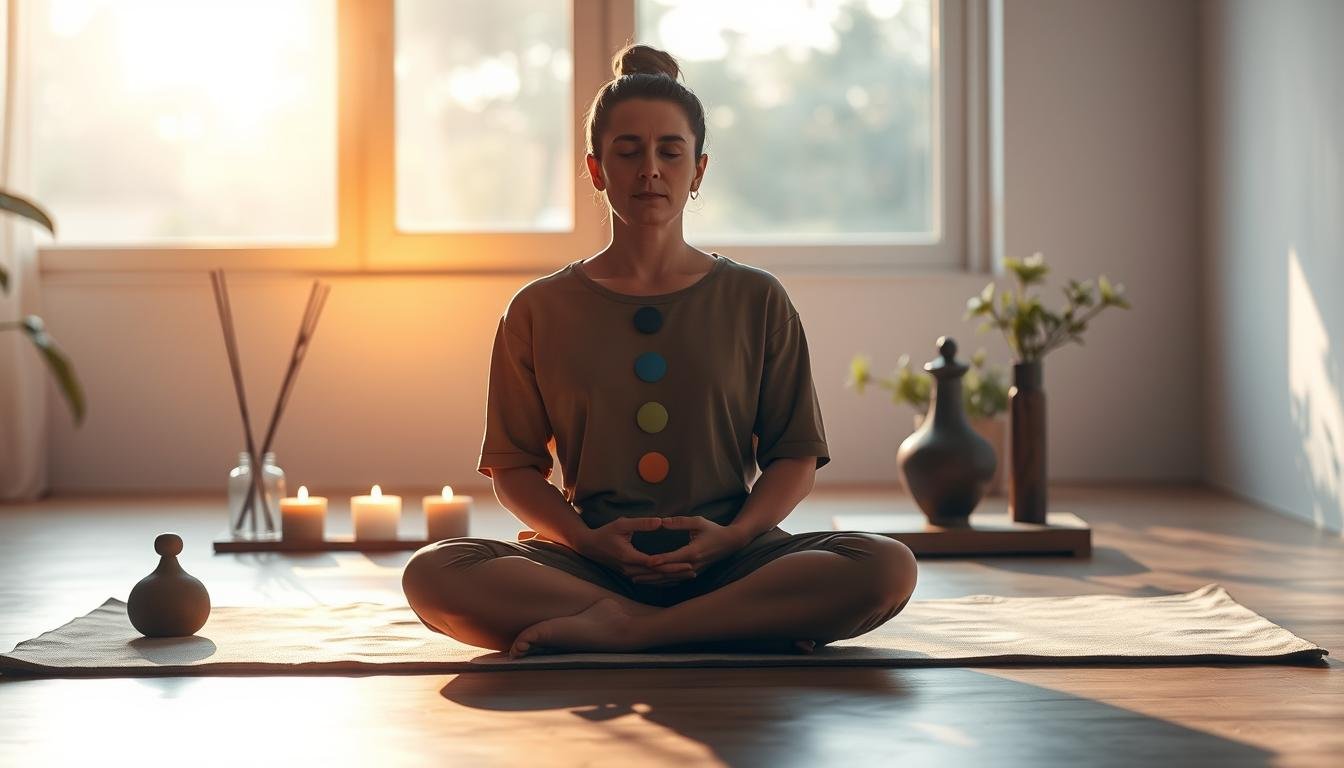
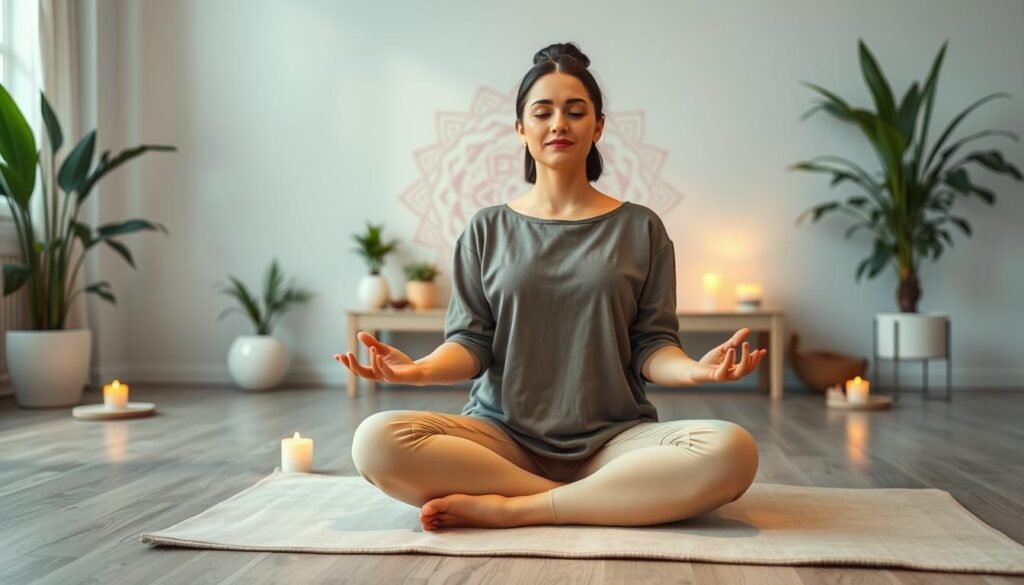
Unlocking the potential of chakra meditation can enhance your journey toward inner peace. To begin, it’s essential to create a space that feels inviting and calming. Choose a quiet area where you can sit comfortably for at least 15-20 minutes. Soft lighting, a cushion, or gentle music can help set the mood.
Next, focus on your posture. Sit on a chair or cushion with your spine upright, ensuring you’re relaxed without tension in your back, neck, or shoulders. Start by taking several natural breaths, feeling the air flow in and out. Then, gently direct your attention to any energy center, beginning at the base of your spine.
Spend about two minutes at each center, moving your awareness upward through the root, sacral, solar plexus, heart, throat, third eye, and crown. It’s normal to feel sensations or vibrations; don’t force any experience. After reaching the crown chakra, take a moment to rest before gradually opening your eyes.
Chakra Meditation Techniques and Tools
Exploring various techniques can deepen your experience with energy practices. There are five effective methods to enhance your sessions: breath awareness, visualization, sound, affirmations, and full-body scanning. Each technique offers a unique way to connect with your energy centers.
Breath Awareness and Visualization
Start with breath awareness, a simple practice lasting 5-10 minutes. Focus on smooth breathing, noticing any tension or fatigue without judgment. This technique helps you tune into your feelings and sensations.
For visualization, imagine a soft light moving through your energy centers. You might picture colors like red, orange, and yellow flowing through each area. This can be a powerful way to enhance your connection to these centers.
Sound, Affirmations, and Full-Body Scanning
Incorporate sound by using bija mantras like LAM, VAM, and OM. If chanting feels uncomfortable, simply listen quietly. Affirmations such as “I am safe and grounded” for the root center can reinforce your intentions.
Lastly, try a full-body scan. Begin at your head and move down to your feet, observing sensations neutrally. This practice can enhance your awareness and promote healing.
Balancing Your Energy Centers
Imagine tapping into the energy within you to create balance and harmony in your life. Focusing on your energy centers can help you feel grounded, creative, and confident. Here are some techniques for the root, sacral, and solar plexus centers that you can practice.
For the root center, focus on the base of your spine. Visualize a warm red light glowing there. Chant the sound LAM and repeat, “I am safe and grounded.” Pair this with steady breathing and feel your connection to the floor. This practice may help you find stability during stressful days.
Next, for the sacral center, direct your attention to the lower abdomen. Picture an orange light and chant VAM. Use the affirmation, “I am creative and joyful.” You can enhance this practice with gentle hip movements or the soothing sounds of flowing water, allowing creativity to flow naturally.
Finally, focus on the solar plexus center near your upper abdomen. Imagine a bright yellow sun shining there. Chant RAM and repeat, “I am strong and confident.” These practices are reflective tools to explore your feelings of confidence and creativity. Remember, it’s essential to work with all seven energy centers over time, as they are interconnected.
Benefits of Practicing Chakra Meditation
Imagine a practice that not only calms your mind but also nurtures your spirit. Engaging in chakra meditation can bring a wealth of benefits, particularly in managing stress and enhancing emotional balance. Studies suggest that steady meditation may help reduce perceived stress by promoting slower breathing and focused attention.
When you reflect on your heart center, you connect with feelings of compassion and forgiveness. These associations stem from traditional practices, offering a sense of emotional release. The third eye and crown practices encourage introspection and spiritual connection, making them meaningful for those drawn to energy frameworks.
Research, including works by Goyal et al. (2014) and Martires et al. (2015), highlights the potential for improved focus, emotional steadiness, and even better sleep through regular practice. Sejal Shah notes that many experience greater joy, creativity, and connection with themselves and others. However, remember that while chakra meditation can be a wonderful complement to your wellness journey, it should not replace professional medical support for persistent issues.
Integrating Chakra Meditation into Your Daily Routine
Integrating energy practices into your routine can transform your daily experiences. Start by dedicating 10-15 minutes twice a week to your practice. As you become comfortable, gradually increase to three to five sessions weekly.
To build a habit, attach your sessions to an existing daily cue. For example, meditate after waking up, following yoga, or before bedtime. This way, you create a natural flow without relying solely on motivation.
Creating Consistent Meditation Sessions
Consider a simple weekly plan:
- Breath awareness on two days
- Full-body scanning on one day
- A complete seven-center practice on another day
Gentle yoga poses, stretching, or mindful walking can prepare your body for a steadier seated practice. Breathwork is also a supportive addition, while advanced methods like should be learned through proper instruction.
Combining with Yoga, Breathwork, and Movement
Consider using mudras, which are optional hand gestures, to enhance your sessions. For more details, check out the BetterLifeAtlas guide on mudras for chakras.
After each session, record your feelings, sleep quality, and stress levels. This practice can help you notice patterns over time without treating the log as a medical measurement.
Conclusion
What if dedicating a few minutes each day could lead to a deeper sense of well-being? Chakra meditation is a gentle practice centered on the seven energy centers, from the root to the crown chakra. By committing to consistent 10-15 minute sessions, you can explore stress, focus, and personal connection.
Approach your practice gradually, using breath, visualization, sound, or affirmations. Avoid forcing sensations or chasing dramatic experiences. For deeper insights, explore articles on the , throat chakra, and crown chakra.
Remember, while chakra meditation may support your well-being, it’s essential to consult professionals for any medical or mental health concerns. Choose one quiet day this week, sit comfortably, and begin with a few calm breaths, allowing your awareness to flow upward.
FAQ
What is chakra meditation?
Chakra meditation is a practice that focuses on the energy centers in your body, helping to balance and align them for improved well-being.
How can I balance my chakras?
You can balance your chakras through various techniques such as meditation, breathwork, visualization, and using affirmations specific to each energy center.
What are the benefits of chakra meditation?
Benefits include reduced stress, emotional balance, enhanced focus, and a deeper connection to your inner self and overall health.
How often should I practice chakra meditation?
It’s beneficial to practice regularly, ideally daily or several times a week, to maintain balance and promote a sense of well-being.
Do I need special tools for chakra meditation?
While you can use tools like crystals, singing bowls, or essential oils, they are not necessary. Your breath and focus are the most important elements.
Can chakra meditation help with stress relief?
Yes, many people find that chakra meditation helps alleviate stress by promoting relaxation and emotional clarity.
Is chakra meditation suitable for beginners?
Absolutely! Chakra meditation is accessible to everyone, regardless of experience level. Start with simple techniques and gradually explore more.