Meditation Positions: How to Sit Comfortably and Stay Focused
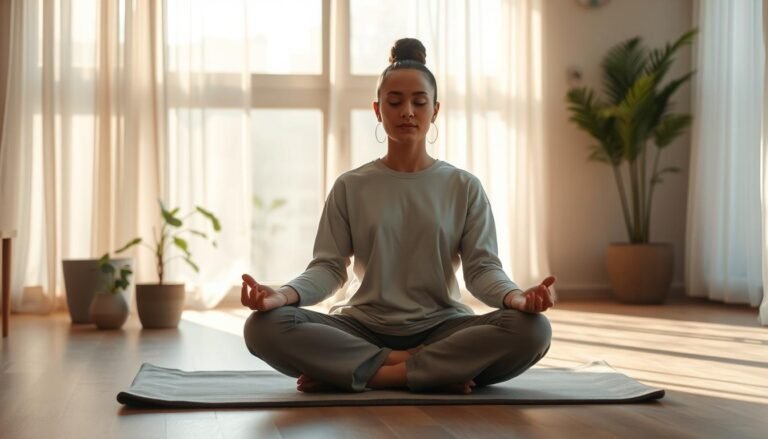
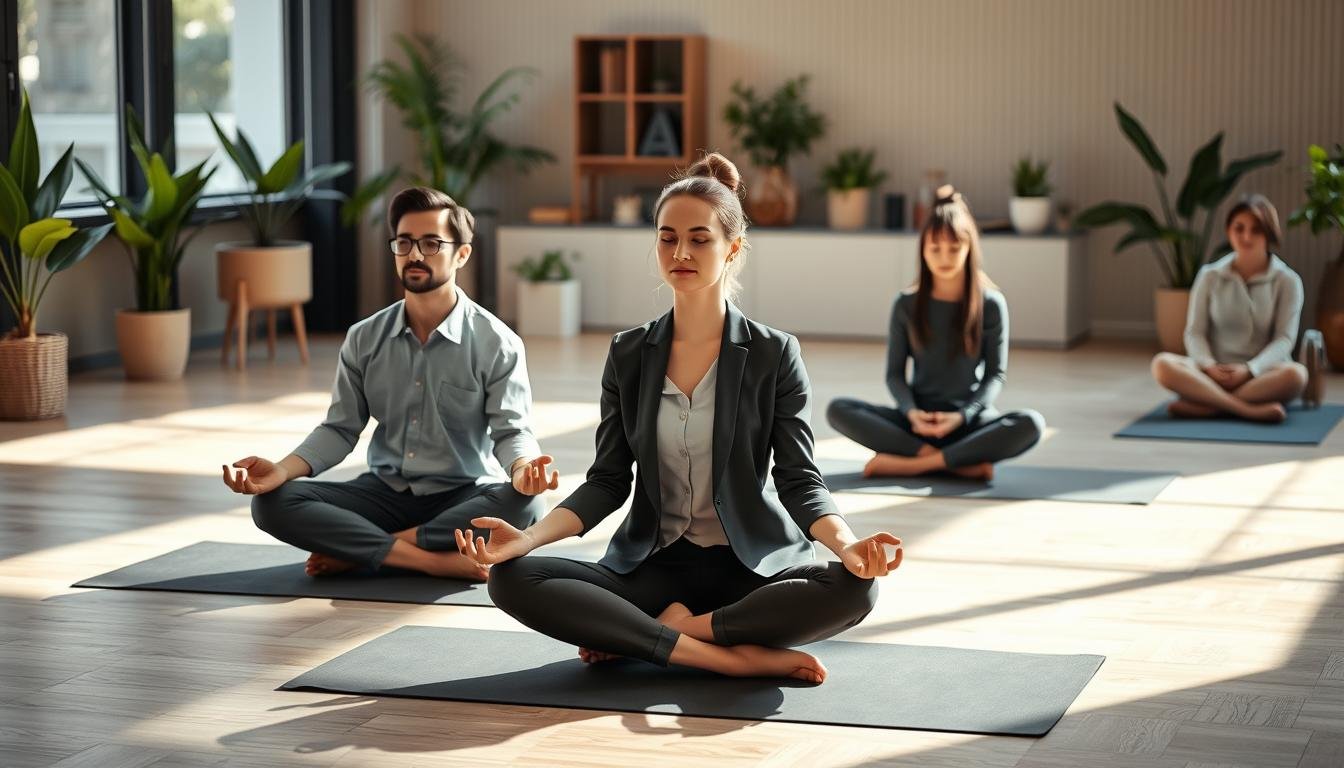
Finding the right way to sit during your practice is essential for a successful experience. Comfort plays a crucial role in maintaining focus and reducing distractions. When you’re comfortable, your mind can settle, allowing for a deeper connection to your practice.
There are four traditional postures to consider: sitting, standing, lying down, and walking. Each offers unique benefits, making it easier for you to choose a daily routine that suits your needs. According to Andy Puddicombe, co-founder of Headspace, sitting strikes a balance between alertness and relaxation. This balance is vital, as it allows you to engage fully without unnecessary tension.
Ultimately, the best way to support your body is to find a posture that minimizes discomfort. By reducing fidgeting and tension, you can cultivate a more profound sense of awareness. Throughout this article, you’ll discover practical guidance on various seating options, including chairs, sofas, and cushions, to help you create a comfortable practice.
Key Takeaways
- Explore four traditional postures: sitting, standing, lying down, and walking.
- Understand the importance of comfort over imitation in your practice.
- Learn how an effective posture reduces distractions and discomfort.
- Discover practical tips for different seating options.
- Embrace flexibility in your posture for better awareness.
Overview: Why Your Meditation Posture Matters
The way you choose to sit can significantly impact your practice experience. A strong mind-body connection is essential for enhancing mindfulness. When your body is aligned, your mind can focus better, leading to a more profound experience.
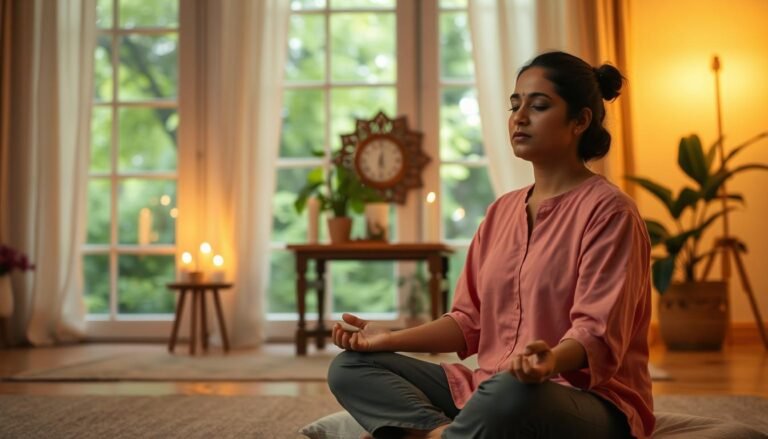
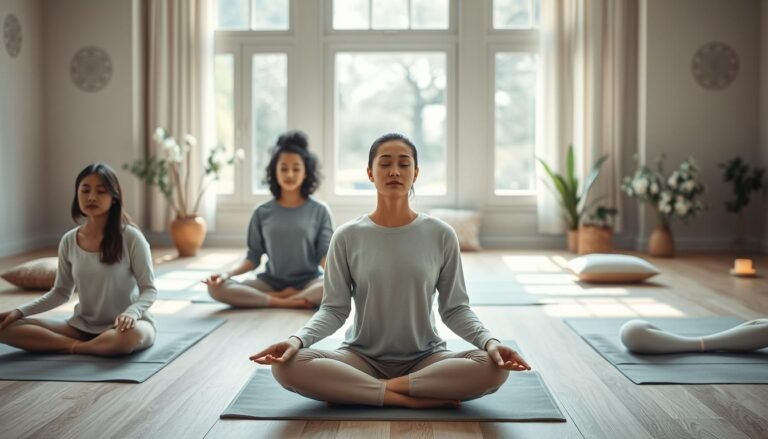
Headspace suggests maintaining a straight yet relaxed back, with your head and neck aligned. Your shoulders should be soft, and hands can rest comfortably on your legs or in your lap. This alignment helps support mindfulness without unnecessary muscular effort.
Sitting often aids in keeping your mind alert. In contrast, excessive comfort in lying down can lead to sleepiness. Before you begin a timed session, take a moment to check your jaw, chin, shoulders, hands, and gaze. These simple adjustments can enhance your awareness and focus.
Remember, your posture should serve as a practical support for awareness, relaxation, and compassion. It’s not about rigid standards but finding what works best for you. Renewing your intention to practice regularly can help maintain consistency and reduce self-judgment after a missed day.
Exploring Seated Meditation Positions
How you position yourself can greatly influence your focus and comfort. Let’s explore two popular options: using a chair or sofa and sitting on the floor with cushions.
Chair & Sofa: Comfort with Support
For a supportive setup, sit near the middle of a chair with your legs uncrossed. Keep your feet flat on the floor, as suggested by Headspace. This allows for a relaxed yet alert posture. Your hands can rest comfortably on your thighs or in your lap.
Cushions and Blankets on the Floor
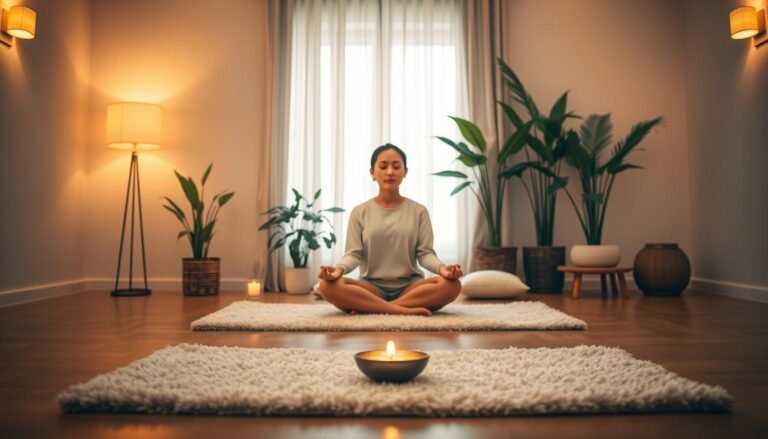
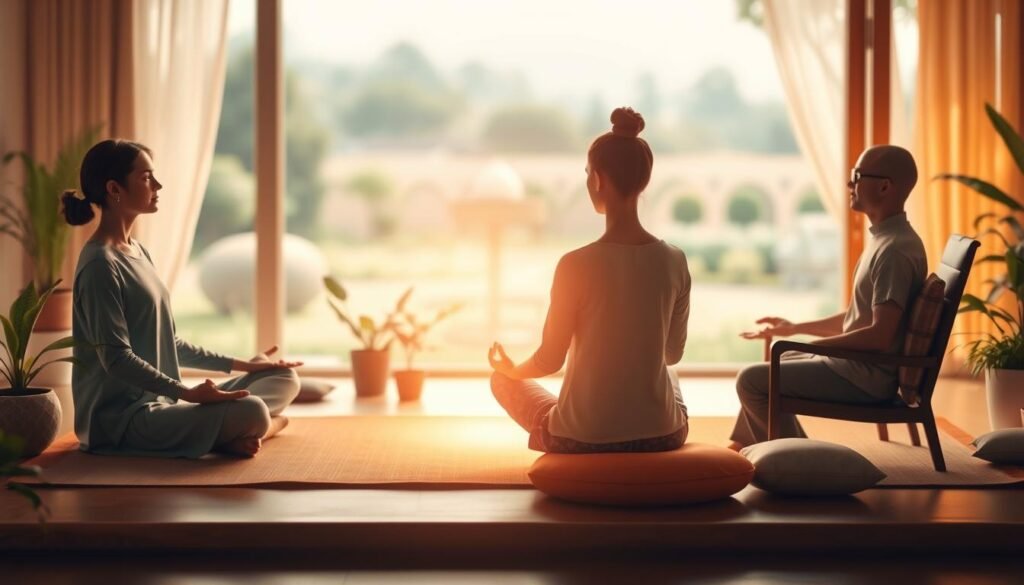
If you prefer the floor, consider using a cushion or folded blanket under your sitting bones. This can gently tilt your hips forward, promoting a natural spinal position. When seated, ensure your knees are lower than your hips for optimal comfort. A rug or blanket can also cushion your ankles.
While relaxed cross-legged seating is accessible, advanced poses like the Full Lotus should be approached with care. Remember, the goal is to find a position that feels right for you, allowing for a deeper connection to your practice.
Finding the Ideal “meditation position” for Your Body
Choosing the right seating arrangement can greatly enhance your comfort and focus. As you explore various traditional forms, remember that options like the Full Lotus, Half Lotus, Burmese, and Seiza are not strict requirements. Instead, they serve as guides to help you find what feels best for you.
The Burmese position, for instance, keeps both feet on the floor, making it a practical alternative to the more demanding lotus variations. The Half Lotus, where one foot rests on the opposite thigh, reduces the strain of the Full Lotus while still providing a sense of grounding.
For optimal comfort, adjust your cushion height, blanket thickness, and chair angle until your pelvis and spine feel naturally supported. Aim for a thigh angle of about 125 to 135 degrees from your hip sockets. This can be especially helpful for managing lower back strain.
Discovering Lying Down and Reclined Meditation Options
Exploring different ways to lie down during your practice can open new pathways to relaxation. This approach can be especially beneficial for beginners who may find sitting uncomfortable due to pain, illness, or mobility limitations.
For a basic setup, lie on your back with your legs about hip-width apart. Relax your toes outward and turn your palms upward. You might find that using a thin pillow beneath your head or placing a cushion under your knees can reduce strain on your lower back.
When Lying Down Can Work for Beginners
Beginners may meditate lying down when sitting causes discomfort. This position allows the body to relax fully, making it easier to focus the mind. Keeping your knees bent at 90 degrees with your feet flat on the floor can also help.
Reclined Techniques to Stay Alert and Relaxed
Reclined meditation is distinct from lying flat. By elevating your head and keeping your chest open, you can maintain a sense of alertness. Practicing on a mat or blanket is ideal, as it supports your body without the temptation of falling asleep, which can happen on a soft bed.
Embracing Standing and Walking Meditations
Incorporating standing and walking practices into your routine can enhance your overall experience. These methods offer a dynamic way to connect with your body and environment, promoting mindfulness and awareness.
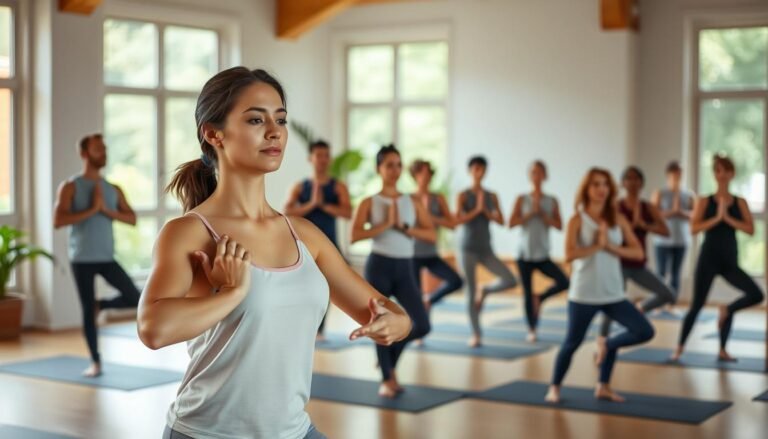
For standing meditation, begin with your feet hip-to-shoulder-width apart. Keep your knees softly bent and your shoulders relaxed. Imagine you are gently supporting a large beach ball with your arms. Start with just 2 to 3 minutes of this practice, gradually increasing to 10 to 15 minutes daily. This approach trains your body to embrace relaxation and tranquility.
Posture Adjustments for Standing Mindfulness
While standing, focus on your posture. Maintain a straight back and relaxed shoulders. This alignment supports a sense of calm and stability. Remember to breathe deeply, allowing your body to feel grounded.
Walking Meditation: Steps to Stay Centered
Walking meditation offers another excellent opportunity to practice mindfulness. As you walk, pay attention to your posture, gait, and surroundings. Keep your eyes open and maintain a comfortable pace. Consider trying guided sessions like “Walking in Nature” or “Walking in the City” from Headspace to enhance your experience.
| Type of Practice | Duration | Focus Areas |
|---|---|---|
| Standing Meditation | 2-3 minutes (up to 15 minutes) | Posture, Breathing, Awareness |
| Walking Meditation | Variable | Posture, Gait, Surroundings |
| Guided Sessions | 10-30 minutes | Mindfulness, Relaxation |
Adapting Your Posture for Back and Knee Comfort
Adjusting your seating can make a big difference in your comfort and focus. For those who experience discomfort in their back or knees, finding the right support is essential. Start by ensuring your pelvis is neutral and your thighs are angled between 125 to 135 degrees from your hip sockets. This alignment can significantly enhance your experience.
If kneeling or sitting on the floor causes knee discomfort, consider using a chair, meditation bench, or small stool. Extending your legs forward can also help reduce pressure, but ensure your pelvis remains stable and supported. A cushion behind your lower back or beneath your sitting bones can help maintain a neutral spine.
While a crook-lying position with knees bent at 90 degrees may relieve discomfort, it can also lead to sleepiness during practice. If you have persistent pain, sciatica, or mobility restrictions, please consult a physician or qualified healthcare provider for tailored advice.
By making these adjustments, you can create a more comfortable practice environment that supports your journey.
Actionable Tips for Enhancing Your Daily Meditation Practice
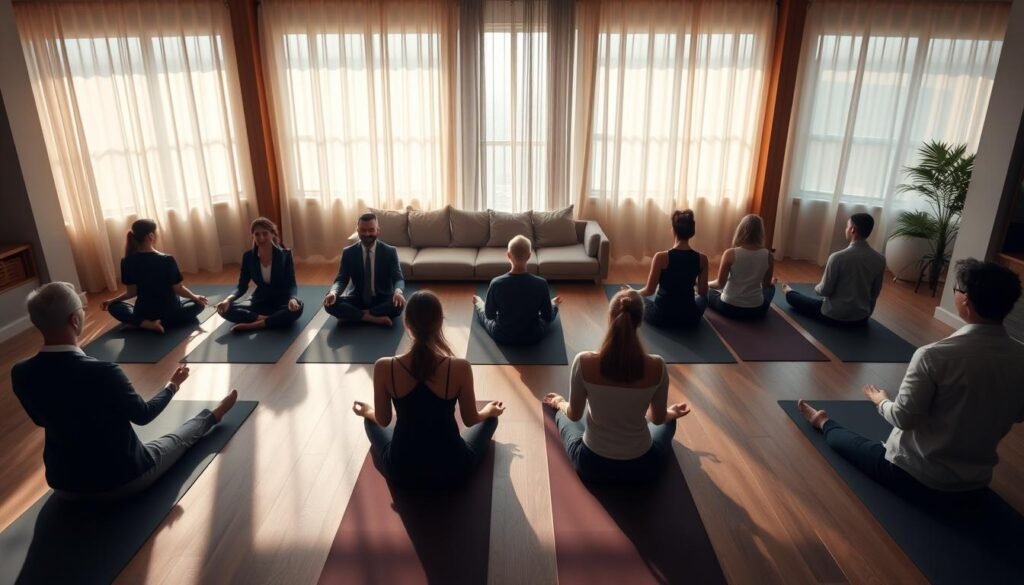
Creating a daily routine that prioritizes your comfort can elevate your practice. Simple adjustments can lead to significant improvements in your posture and overall experience. Start by setting a consistent time for your sessions. This helps your body and mind prepare for the practice.
Check your spine and shoulders regularly. If you feel discomfort, change your seat promptly. It’s essential to stay focused without distractions. For beginners, consider using the 10-day Headspace meditation course as a structured introduction before exploring specialized sessions.
Integrating mindfulness throughout your day can also enhance your practice. You can link to [BetterLifeAtlas mindfulness tips](#) for practical ideas that extend awareness into ordinary daily activities. Brief standing or breathing check-ins while waiting in line can be effective. Remember, the goal is to practice anywhere, reflecting Headspace’s approach.
Wellness Note: The meditation content provided supports general well-being and does not replace medical care.
| Tip | Description |
|---|---|
| Set a Consistent Time | Helps establish a routine for your practice. |
| Check Your Posture | Regularly assess your spine and shoulders for comfort. |
| Change Seats When Necessary | Switch positions promptly to maintain focus. |
| Use Structured Courses | Begin with guided sessions to ease into practice. |
| Practice Mindfulness Daily | Incorporate mindfulness into everyday activities. |
Conclusion
In conclusion, the best way to engage with your practice is by finding a position that keeps your body comfortable and alert. Whether you choose a chair, a cushion on the floor, or a reclined setup, all options are valid. Remember, advanced poses like the Full Lotus are not necessary for spiritual growth.
Whenever discomfort arises in your knees, feet, or lower back, make small adjustments to maintain focus. Choose one manageable position, practice consistently, and embrace patience over self-judgment. Your journey is unique, and every small step counts.
FAQ
What is the best meditation position for beginners?
For beginners, a comfortable seated position on a chair or cushion is ideal. Ensure your back is straight and your feet are flat on the ground or crossed comfortably. This helps maintain focus and reduces discomfort.
How can I improve my meditation posture?
You can improve your posture by paying attention to your spine alignment. Sit up straight, relax your shoulders, and keep your hips level. Consider using a cushion for added support.
Is it okay to meditate while lying down?
Yes, lying down can be suitable for some individuals, especially beginners. Just be mindful of your body; you may feel more relaxed and prone to sleep. Try to keep your awareness active.
What if I experience pain in my knees or back while meditating?
If you feel pain, adjust your position or use props like cushions or blankets for support. Experiment with different seated or lying positions to find what works best for your body.
Can I practice walking meditation outdoors?
Absolutely! Walking meditation can be practiced outdoors. Focus on your steps and surroundings, maintaining mindfulness with each movement. It’s a great way to connect with nature.
How often should I practice meditation?
Aim for consistency rather than duration. Even a few minutes daily can be beneficial. Gradually increase your practice time as you become more comfortable.
What are some tips for staying focused during meditation?
To stay focused, find a quiet space, set a timer, and gently bring your attention back to your breath if your mind wanders. Incorporating mindfulness into daily activities can also enhance your practice.