Transcendental Meditation: How the Practice Works and What to Know
Are you curious about the practice of transcendental meditation? This structured technique offers a unique approach to enhancing your mental clarity and well-being. Founded by Maharishi Mahesh Yogi, it has gained attention from various public figures, including David Lynch, who has been practicing it since 1973. He believes in its power and has shared his journey widely.
In this article, we will explore how this technique works, what research reveals, and how you can begin your own practice. While many find personal benefits, it’s important to note that results can vary. This isn’t a guaranteed fix but a valuable tool for those looking to improve their mental state.
We’ll also cover practical topics such as finding a teacher, setting a daily schedule, and addressing common questions you might have. By the end, you’ll have a clearer understanding of how to approach this journey with realistic expectations.
Key Takeaways
- Transcendental meditation is a structured technique designed for mental clarity.
- Maharishi Mahesh Yogi founded this practice, gaining support from advocates like David Lynch.
- The article covers practical steps for beginners to start their meditation journey.
- Expect personal experiences to vary; it’s not a guaranteed medical treatment.
- Topics include teacher guidance, daily practices, and addressing sleep and stress.
Introduction to Transcendental Meditation
Understanding a practice with rich origins can transform your perspective. The technique of transcendental meditation is rooted in the ancient Vedic tradition, which emerged from the subcontinent of India. This tradition has shaped many spiritual practices over centuries.
Maharishi Mahesh Yogi, the founder of this technique, began teaching it publicly after being inspired by his own teacher. A typical transcendental meditation program involves personal instruction. This ensures that beginners receive guidance tailored to their needs.
Your teacher will introduce you to the technique, clarify your questions, and explain the significance of a mantra or word phrase. Unlike mindfulness meditation, which often focuses on breath or attention, this practice allows your mind to settle naturally.
While many people report benefits, it’s essential to approach this practice with realistic expectations. It should not be seen as a replacement for treatments for conditions like high blood pressure or post-traumatic stress disorder.
The Science Behind the Transcendental Meditation Technique
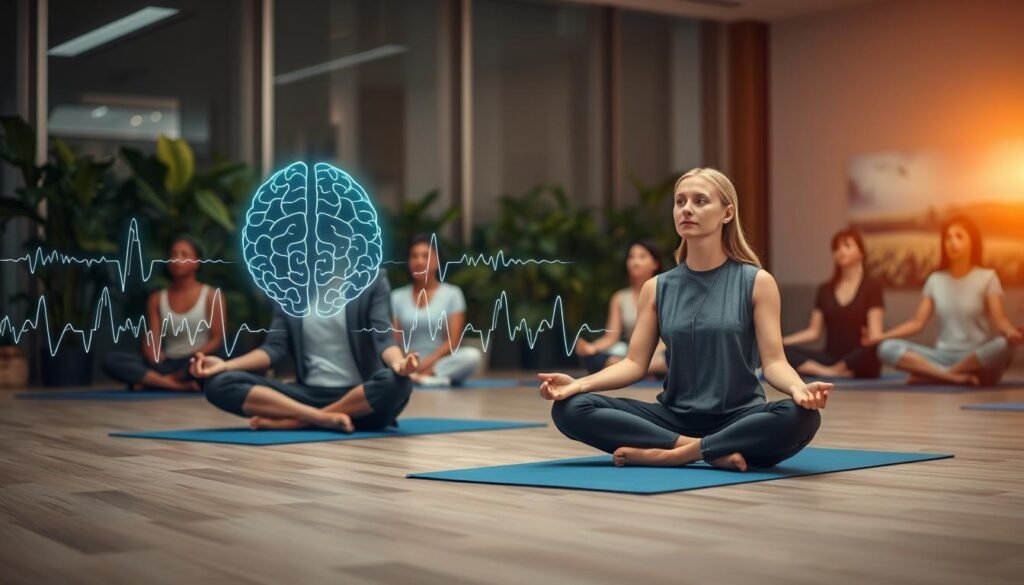
Exploring the science behind the practice can reveal its profound benefits. Research indicates that this technique may help reduce anxiety, lower work stress, and even decrease the risk of heart disease. One significant finding shows that practicing this technique can lead to a remarkable 30% reduction in cortisol levels, a hormone closely linked to stress.
Regular engagement in this practice supports cardiovascular health by alleviating stress. However, it’s crucial to approach these findings with caution. While studies suggest these associations, individual responses can vary widely.
It’s essential to remember that this practice should complement—not replace—medical evaluation or prescribed treatments for conditions like high blood pressure. You may find that achieving a restful state feels quite different from trying to concentrate intensely on a single thought.
If you have anxiety, post-traumatic stress symptoms, or ongoing health concerns, discussing this new practice with a qualified healthcare professional is a wise step.
| Benefit | Reported Impact | Source |
|---|---|---|
| Reduced Anxiety | Significant decrease in anxiety levels | Research Studies |
| Lower Work Stress | Improved stress management | Clinical Trials |
| Reduced Cortisol | 30% decrease in cortisol | Scientific Reports |
| Cardiovascular Health | Supportive of heart health | Health Journals |
How the Practice Works: Techniques and Steps
To embark on your journey with this technique, understanding the steps involved is crucial. Learning begins with personal instruction from a certified teacher. This guidance ensures you grasp the technique effectively and have your questions answered.
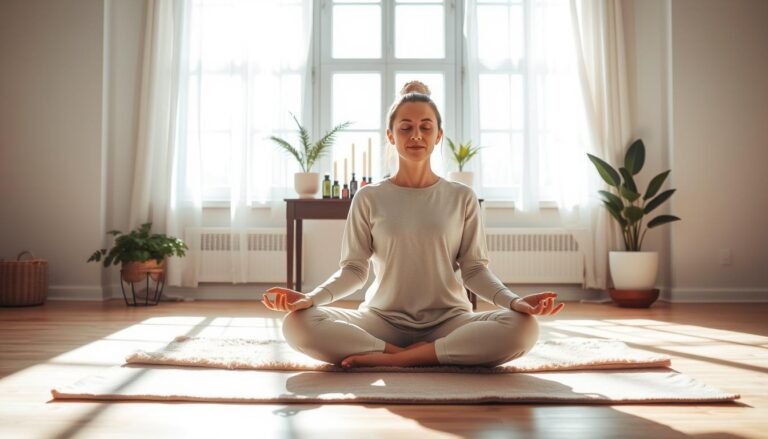
During a typical session, you will sit comfortably, close your eyes, and repeat the taught mantra. It’s important to allow your mind to settle naturally, rather than forcing focus or controlling every thought. This technique encourages a restful state beyond thinking.
As you begin, discuss a realistic schedule with your teacher. Practicing twice a day for 15-20 minutes is often recommended. Remember, longer sessions do not necessarily yield better results.
Tracking how your mind and body feel before and after each practice can provide valuable insights. Treat these observations as personal reflections rather than scientific proof. This practice is about finding what works best for you.
Experiencing the Benefits: Mind, Body, and Life
Unlocking the potential benefits of this practice can enhance various aspects of your life. Many practitioners report improvements in mental clarity and creativity. This technique can help you feel more focused and inspired in your daily tasks.
Additionally, regular practice is linked to better sleep quality. A calmer mind and body often lead to deeper, more restorative sleep. However, if sleep issues persist, seeking clinical support is still important.
Moreover, reduced stress can positively impact your relationships. You may find it easier to respond with patience and compassion during challenging moments. As David Lynch notes, this practice fosters a sense of energy, creativity, and happiness deep within.
To track your progress, consider reflecting on key areas such as:
- Sleep quality
- Concentration levels
- Emotional steadiness
- Daily energy
By noting these aspects over several weeks, you can better understand how this technique influences your life.
Celebrity Endorsements and Personal Stories
Personal stories from celebrities can offer intriguing insights into the practice. Notable figures like Jerry Seinfeld and David Lynch have openly shared their experiences, which can inspire curiosity about the technique.
Jerry Seinfeld, who has practiced for over 40 years, described this technique as a “charger for the mind and body” during an appearance on Good Morning America. This analogy makes it relatable, suggesting that many practitioners feel a refreshing mental renewal.
David Lynch’s journey is equally compelling. He began practicing in 1973 and has maintained a consistent routine, meditating twice daily without missing a session. In 2005, he established the David Lynch Foundation to provide scholarships for this practice to underserved populations.
While celebrity endorsements can spark interest, it’s essential to remember that personal experiences may vary. What works for one individual may not be suitable for another. Therefore, always consider your unique health needs when exploring this technique.
| Celebrity | Years Practiced | Notable Quote |
|---|---|---|
| Jerry Seinfeld | 40+ | “A charger for the mind and body.” |
| David Lynch | 50+ | Practices twice daily since 1973. |
| Howard Stern | 40+ | Finds it relaxing after shows. |
Transcendental Meditation in Daily Life: Practical Tips for Beginners
Integrating this technique into your daily routine can be transformative. Here are some practical tips to help you get started:
First, consider choosing two consistent daily windows for practice. David Lynch emphasizes his routine of practicing twice a day, which can be adapted to fit your schedule. Find what works best for you.
Begin in a quiet location where you can sit comfortably. Ensure your posture is relaxed, and your eyes are gently closed. Use the mantra provided by your teacher rather than improvising your own. This guidance is crucial for beginners.
Before you start, take a moment for a present-moment check-in. Notice your posture, emotional state, and energy levels without judgment. This awareness can enhance your practice.
For additional resources, explore articles on BetterLifeAtlas about building lasting habits, managing stress, and improving sleep. You might also enjoy The Inner Well Podcast, which covers meditation and meaning in modern life.
| Practice Tip | Description | Benefit |
|---|---|---|
| Consistent Schedule | Choose two daily times for practice. | Enhances routine and commitment. |
| Quiet Location | Find a peaceful space to meditate. | Minimizes distractions. |
| Present-Moment Check-In | Observe your current state before starting. | Increases awareness and focus. |
Conclusion
Embracing a new practice can open doors to personal growth and self-discovery. This structured approach, founded by Maharishi Mahesh Yogi, offers potential benefits like reduced stress, anxiety, and improved sleep. Personal stories from notable figures like Jerry Seinfeld and David Lynch illustrate how this practice can enrich your life.
A certified teacher can guide you through the process, helping you set realistic expectations. Start gently, and pay attention to how your mind and body respond. For any ongoing health concerns, consult a healthcare professional.
As you consider this journey, here are some common questions to explore:
- Does this practice use a mantra?
- How often should beginners practice?
- How does it differ from mindfulness techniques?
- Where can I find certified instruction?
FAQ
What is the main technique used in this practice?
The primary technique involves using a specific mantra that helps focus your mind and promote relaxation. You repeat this mantra silently, allowing your thoughts to settle and creating a state of calm.
How often should I practice?
It is recommended to practice twice a day for about 20 minutes each session. This regularity helps maximize the benefits, including reduced stress and improved mental clarity.
Can this technique help with anxiety and stress?
Yes, numerous studies suggest that this practice can significantly reduce anxiety and stress levels. Many practitioners report feeling more relaxed and centered after regular sessions.
How long does it take to see benefits?
While some individuals may notice changes within a few weeks, most people experience noticeable benefits after several months of consistent practice.
Do I need a teacher to learn this technique?
While it’s possible to learn on your own, guidance from a certified teacher can enhance your understanding and ensure you’re practicing correctly, leading to better results.
Is this practice suitable for everyone?
Generally, yes. This technique is accessible to people of all ages and backgrounds. However, if you have specific health concerns, it’s wise to consult with a healthcare professional before starting.
What are some common challenges beginners face?
Beginners often struggle with maintaining focus or finding time in their busy schedules. It’s important to be patient and consistent, as developing a new habit takes time.
How does this practice affect blood pressure?
Research indicates that regular practice can lead to lower blood pressure levels, contributing to overall heart health and well-being.