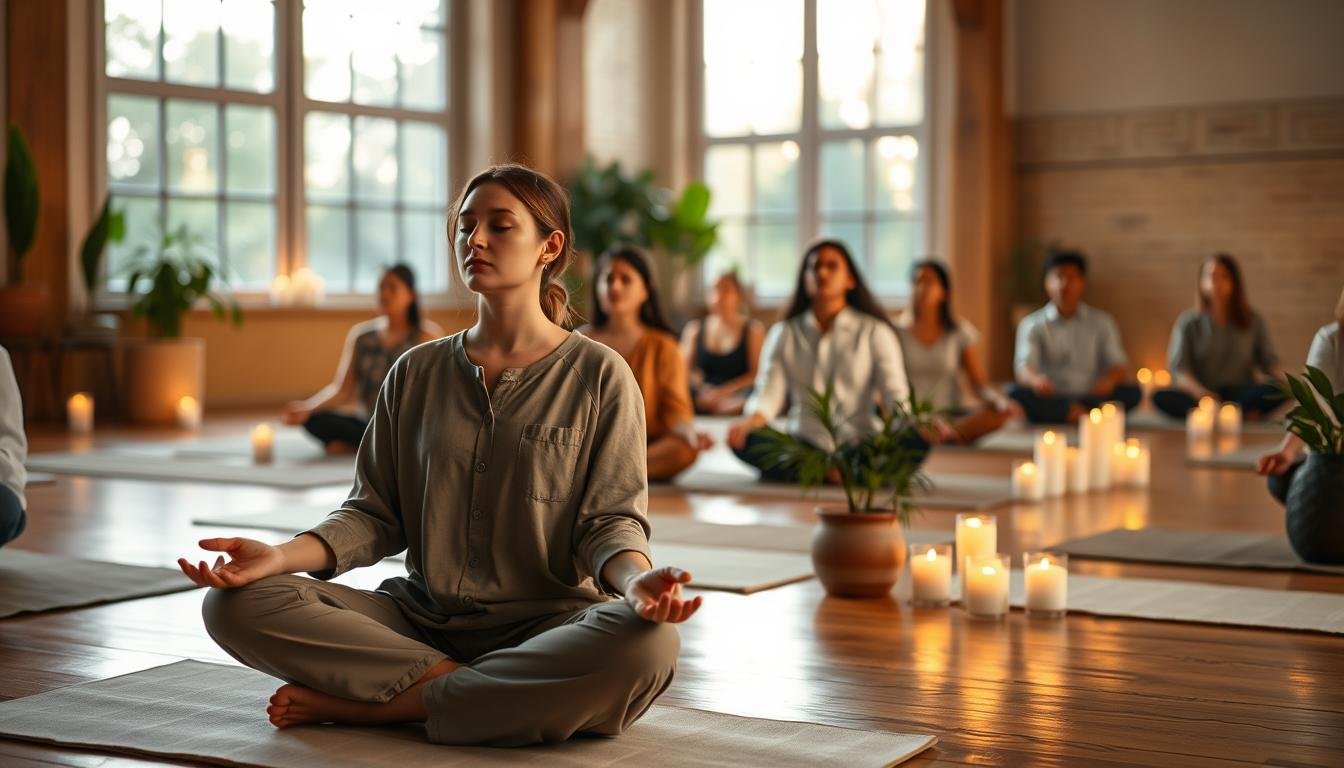
Vipassana Meditation: A Beginner’s Guide to Insight Meditation
Have you ever wondered how to see your life more clearly? Vipassana offers a practical way to achieve this clarity. It translates to “to see things as they really are.” This ancient practice, rooted in a tradition over 2,500 years old, focuses on self-observation and understanding your experiences without emotional or intellectual filters.
This guide serves as an introduction to the technique and its philosophy. You’ll explore the structure of a typical 10-day course and discover ways to continue your journey afterward. The beauty of this practice lies in its non-sectarian nature, welcoming individuals from various backgrounds, including Hindu, Muslim, Christian, Jewish, and Buddhist communities.
Through observing your breath, body, and the sensations that arise, you can cultivate greater calm and clarity in your daily life. Let’s embark on this enlightening journey together, enhancing your awareness and understanding.
Key Takeaways
- Vipassana is a self-observation practice that enhances clarity.
- The term means “to see things as they really are.”
- This guide introduces the technique and its 10-day course structure.
- The practice is open to people from all backgrounds.
- Observing breath and sensations fosters calm and steadiness.
What is Vipassana Meditation?
Curious about how you can gain deeper insights into your thoughts and feelings? This practice, often translated as insight or clear-seeing, has roots in Buddhist traditions that date back over 2,500 years. It emphasizes understanding the nature of experiences rather than simply calming the mind.
Unlike śamatha, which focuses on steadying attention on a single object like the breath, this approach encourages you to investigate your changing experiences. You will notice how thoughts, memories, and emotions often come with physical sensations in your body.
The goal here is not to push thoughts away but to observe sensations and your mental reactions without immediate judgment. This technique fosters a sense of curiosity, allowing you to explore your inner landscape impartially.
To learn more about foundational attention skills that support this practice, check out this BetterLifeAtlas guide on mindfulness basics.
| Aspect | Vipassana | Śamatha |
|---|---|---|
| Focus | Investigates changing experiences | Steadies attention on one object |
| Objective | Realize impermanence | Achieve concentration |
| Tradition | Theravada Buddhism | Various Buddhist schools |
Historical Roots and the Tradition of Insight Meditation
What if you could trace the roots of a transformative practice back to its ancient beginnings? The practice of insight meditation finds its origins with Gotama the Buddha, who rediscovered this technique in India around 2,500 years ago. Throughout his 45-year ministry, he shared these teachings, allowing countless individuals to explore their minds and experiences.
However, about five centuries later, this practice faded from India. Fortunately, it found refuge in Myanmar, where a dedicated teacher lineage preserved it for over 2,000 years. Key figures like Venerable Ledi Sayadaw and Saya Thetgyi played crucial roles in making the technique accessible to laypeople, ensuring its survival beyond monastic communities.
One of the most significant contributors to the global spread of this practice was S. N. Goenka. After training for 14 years under Sayagyi U Ba Khin, he began teaching in India in 1969. By 1982, he had appointed assistant teachers, and his teachings reached people in over 80 countries, enriching lives around the world.
Core Principles and the Philosophy Behind the Practice
What if you could unlock a deeper understanding of your emotions and experiences? The philosophy behind this practice centers on three core characteristics: impermanence, suffering, and egolessness. Understanding these concepts can lead to profound insights in your daily life.
Anicca, or impermanence, refers to the constant flow of sensations, thoughts, and emotions. Recognizing this helps you accept change rather than resist it. Dukkha, or suffering, emerges when you cling to pleasant experiences or avoid unpleasant ones. This understanding can guide you toward greater emotional resilience.
Another vital aspect is Anattā, or egolessness. This principle encourages you to explore your identity beyond fixed labels. It’s about experiencing life without the constraints of self-identity.
The practice involves a three-part training: Sila (ethical conduct), Samadhi (concentration), and Pañña (insight). Ethical behavior lays the groundwork for a steady mind, while concentration enhances your ability to observe experiences clearly. Insight then helps purify your reactions.
| Principle | Definition | Impact on Daily Life |
|---|---|---|
| Anicca | Impermanence of all things | Encourages acceptance of change |
| Dukkha | Suffering from attachment | Promotes emotional resilience |
| Anattā | Egolessness | Fosters a broader self-understanding |
Additionally, the five precepts provide clear boundaries against harm. They include no killing, stealing, sexual misconduct, lying, or intoxicants. Following these guidelines not only nurtures your moral conduct but also enhances your overall well-being.
Preparing for a 10-Day Vipassana Course
What if dedicating ten days could lead to profound insights about yourself? Preparing for a residential course is essential for a fulfilling experience. A standard course runs from 4:30 a.m. to around 9:00 p.m. each day, with approximately ten hours of focused practice.
To make the most of your time, consider these practical steps:
- Reduce unnecessary commitments before your arrival.
- Arrange transportation and inform close contacts about your retreat.
- Practice sitting comfortably to ease into the daily routine.
During the retreat, you will observe noble silence, which means no reading, writing, or outside communication. This helps deepen your focus and self-reflection. Remember, following the Code of Discipline is crucial; discomfort is part of the journey, not a sign of failure.
While teachings are offered without charge, voluntary donations from previous students help support food, lodging, and future courses. Embrace this opportunity to connect with your mind and breathe deeply as you embark on this transformative path.
The Daily Structure of the Vipassana Retreat
Imagine following a daily routine that guides you through self-exploration and insight. A typical day at a retreat is designed to deepen your practice and enhance your awareness.
Morning Sessions and Anapana Meditation
Your day begins early, with meditation from 4:30 to 6:30 a.m. This period focuses on Anapana, where you observe your natural breath. This practice sharpens your concentration and prepares you for deeper exploration.
Evening Discourses and Noble Silence
Evenings are reserved for teachings from 7:00 to 8:30 p.m. Here, you reflect on the day’s experiences. Throughout the first nine days, you maintain noble silence, communicating only when necessary. This silence allows for deeper introspection.
On Day 10, speaking resumes, and you engage in mettā, or loving-kindness meditation, before concluding on the morning of Day 11.
| Time | Activity |
|---|---|
| 4:30 – 6:30 a.m. | Meditation (Anapana) |
| 6:30 a.m. | Breakfast |
| 11:00 a.m. | Lunch |
| 7:00 – 8:30 p.m. | Evening Discourse |
| 8:30 p.m. | Final Meditation |
How to Practice Vipassana Meditation with Mindfulness
What if exploring your sensations could lead to greater clarity in your life? Practicing this technique involves a step-by-step approach that enhances your awareness and understanding of your body and mind.
Begin by sitting steadily and observing your natural breath. Follow the Anapana progression, which is a technique used during the initial days of a course. This sets a solid foundation for your practice.
Step-by-Step Guidance during Meditation Sessions
- Move your attention systematically from your head to your toes, then back again. Notice sensations without trying to create a specific experience.
- Include ordinary sensations such as the contact of clothing, heat, cold, itching, tingling, pulsation, tension, and pain as valid objects of observation.
- Practice equanimity by recognizing both pleasant and unpleasant sensations without developing cravings or aversions.
- Remember, formal instructions are best received from qualified teachers during a 10-day course. At home, practice should be patient and modest.
As you engage in this process, you’ll discover how your body communicates through various sensations. This awareness fosters a deeper understanding of your experiences, leading to valuable insights.
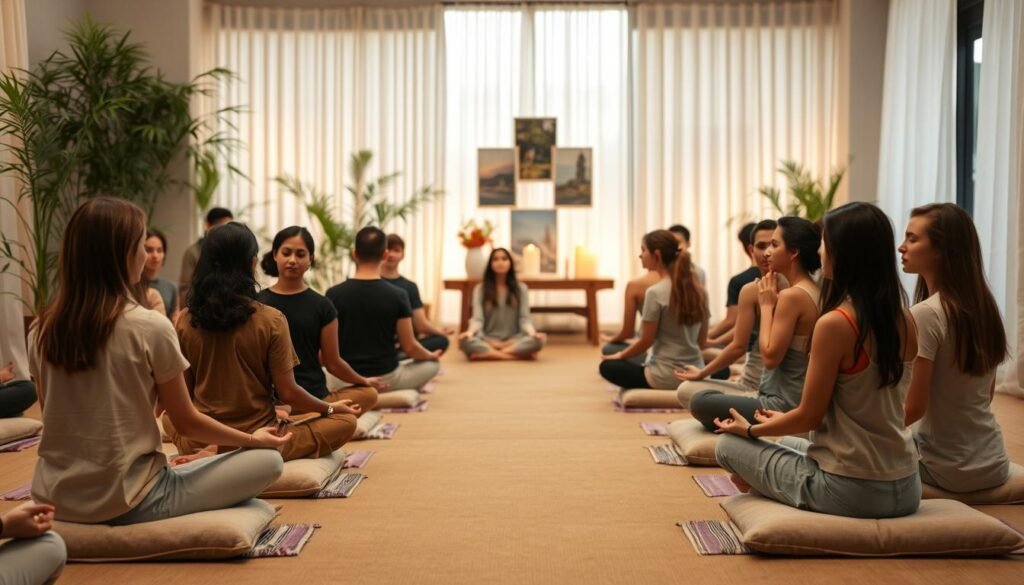
| Focus Area | Action | Observation |
|---|---|---|
| Breath | Observe natural breathing | Awareness of inhalation and exhalation |
| Body Scan | Shift attention from head to toe | Recognize sensations without judgment |
| Equanimity | Acknowledge feelings | Respond without craving or aversion |
By following these steps, you will cultivate a more profound connection with your mind and body. This journey into self-awareness can enhance your overall well-being.
For more insights on mindfulness, explore this .
Benefits and Transformations Through Insight Meditation
What if you could transform your reactions to stress and negativity through self-awareness? This practice offers profound benefits, especially in emotional clarity and mental purification.
Emotional clarity allows you to notice feelings like irritation, fear, or anger before they shape your responses. This awareness helps you pause and choose how to react rather than being driven by automatic patterns.
Mental purification occurs gradually. Through consistent observation, you weaken cravings and habitual reactions. This isn’t about instant change; it’s about cultivating a deeper understanding of your mind.
For example, in 1975, S. N. Goenka taught a course for 120 inmates at Central Jail in Jaipur. This marked a significant moment for exploring how this practice could impact individuals in challenging environments.
Further courses in 1991 at Sabarmati Central Jail and 1995 at Tihar Jail for 1,000 prisoners provided encouraging evidence of positive changes in attitude and behavior. Studies from Rajasthan and Gujarat highlighted these transformations, showing that while results may vary, many found value in the practice.
Integrating Vipassana into Your Daily Life
What if the lessons learned during your retreat could enhance your daily experiences? The journey doesn’t end when the formal course concludes on Day 11. Instead, it’s a chance to carry the insights gained into your everyday life.
Start with a realistic daily commitment. Choose consistency over ambitious goals that may become overwhelming. Here are some practical tips to help you:
- Set aside a quiet time each morning or evening to observe your breath and body sensations.
- Gradually extend your practice as your schedule allows, focusing on quality over quantity.
- Apply equanimity during daily situations, like traffic or family conflicts, to maintain calmness.
- Pair your practice with a BetterLifeAtlas article about building lasting habits for effective integration.
- Remember, this tradition welcomes individuals from all backgrounds, and ongoing support can include attending courses or practicing with others.
By weaving these practices into your life, you’ll find that the benefits of your training continue to unfold. The goal is to cultivate a compassionate awareness that enhances your experiences and interactions.
Conclusion
What if a centuries-old technique could enhance your understanding of yourself? This practice, rooted in over 2,500 years of tradition, offers a path to clarity through direct observation. It guides you from moral conduct and breath awareness to a deeper exploration of sensations.
Participating in a 10-day course immerses you in early mornings, noble silence, and extended meditation sessions, all under the guidance of experienced teachers. Remember, the potential benefits unfold gradually through consistent practice rather than immediate results.
As you move forward, consider learning from an established center, preparing thoughtfully for your journey, or starting a simple mindfulness habit. Each step you take will deepen your awareness and compassion, enriching your life in meaningful ways.
FAQ
What can I expect during a 10-day retreat?
You will engage in a structured schedule that includes meditation sessions, teachings, and periods of silence. The goal is to deepen your practice and cultivate awareness.
Is prior experience required to join a Vipassana course?
No prior experience is necessary. The course is designed for beginners and seasoned practitioners alike, offering guidance at every level.
How can I prepare for my first retreat?
It’s helpful to familiarize yourself with the technique, set realistic expectations, and cultivate a mindset of openness and curiosity.
What are the main benefits of practicing this form of meditation?
Practitioners often report increased emotional clarity, reduced stress, and a greater sense of compassion and understanding towards themselves and others.
How can I integrate this practice into my daily life?
Start by dedicating a few minutes each day to mindfulness and gradually increase your practice time. Consistency is key to experiencing the benefits.
What should I do if I find it difficult to focus during meditation?
It’s normal to experience distractions. Gently bring your attention back to your breath or sensations in your body without judgment. This is part of the practice.
Are there any health benefits associated with this meditation technique?
Yes, many individuals report improvements in mental health, such as reduced anxiety and depression, as well as enhanced overall well-being.
How does this practice differ from other forms of meditation?
This technique emphasizes awareness of physical sensations and the impermanence of thoughts and feelings, fostering a deep understanding of the mind’s workings.