Deep Meditation Techniques for Relaxation, Focus, and Inner Calm
Finding inner peace can feel like a challenge in our busy lives. Just like choosing chocolate over a stressful day, we often seek calmness after facing daily disturbances. This is where the practice of deep meditation comes into play. It offers a way to achieve profound relaxation, allowing your mind to quiet down and your awareness to expand.
In this guide, you will explore various techniques that can help you experience deep meditation. From guided to unguided sessions, you’ll learn how to prepare and establish daily routines. Some may find that practices like SKY Breath Meditation and Sahaj Samadhi Meditation provide a rich experience right from their first session.
It’s essential to remember that patience and self-kindness are key. You don’t need to force a dramatic experience; instead, embrace the process and allow yourself to grow in your practice.
Key Takeaways
- Inner peace is often valued after daily stressors.
- Deep meditation promotes relaxation and reduces mental clutter.
- This guide covers various meditation techniques and routines.
- Some may experience depth in their first meditation session.
- Patience and kindness towards oneself enhance the meditation journey.
Introduction: Discovering the Path to Inner Peace
In the hustle and bustle of life, finding serenity can be a daunting task. However, embracing a daily practice can pave the way to a calmer mindset. Setting aside just 20 minutes once or twice a day can help you cultivate a sense of peace. Over time, this routine can make calmness feel more familiar, especially during stressful moments.
Consider meditating right after waking up or before bed. By linking your practice to existing habits, it becomes easier to maintain consistency. Inner peace isn’t just a personal benefit; it enhances your decision-making, communication, and relationships. When you are calm, you are more thoughtful and connected.
Start small. Choose one reliable time each day to meditate, rather than overwhelming yourself with an ambitious schedule. This manageable approach can lead to lasting change. For additional support, check out the article on dropping worries and living in the present moment.
| Time of Day | Duration | Benefits |
|---|---|---|
| Morning | 20 minutes | Sets a positive tone for the day |
| Evening | 20 minutes | Helps unwind and prepare for sleep |
| Weekly Group | 1 hour | Strengthens personal practice |
Deep Meditation: What It Is and How It Transforms Your Mind
In a world filled with distractions, achieving true calm can seem impossible. Yet, understanding the essence of deep meditation can pave the way for a more centered life. This practice goes beyond simple relaxation; it connects you with your inner self, offering profound insights and tranquility.
While relaxation helps you unwind, deep meditation invites you to explore your thoughts and feelings. Signs of this experience may include stillness, an expansive sense of awareness, and a diminished perception of time. Each person’s journey is unique, and your experience may differ from others.
Quiet breathing during meditation is akin to the soothing rhythm of ocean waves, leading to calm, smooth alpha brain waves. The benefits of this practice are significant. Many report reduced stress and anxiety, improved sleep, and enhanced mental clarity. Additionally, deep meditation can boost productivity and strengthen relationships.
Remember, the real measure of your practice lies in the changes you notice in your daily life. Rather than fixating on whether a session felt deep, focus on how meditation enriches your overall well-being.
| Benefits | How It Helps | Potential Outcomes |
|---|---|---|
| Reduced Stress | Promotes relaxation | Improved mental health |
| Lower Anxiety | Enhances emotional resilience | Greater sense of peace |
| Improved Sleep | Calms the mind | Better rest and recovery |
| Mental Clarity | Enhances focus | Increased productivity |
| Mindfulness | Encourages present-moment awareness | Stronger relationships |
Preparing for a Deep Meditation Session
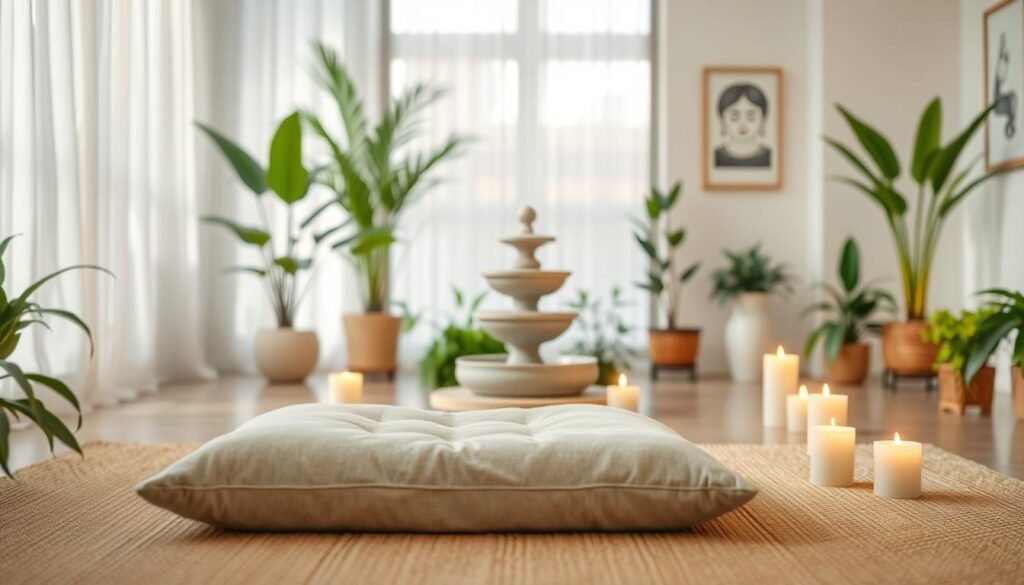
Creating the right atmosphere can enhance your experience significantly. A peaceful environment sets the tone for your practice, allowing your mind to settle into a state of calm. Here are some steps to help you prepare effectively.
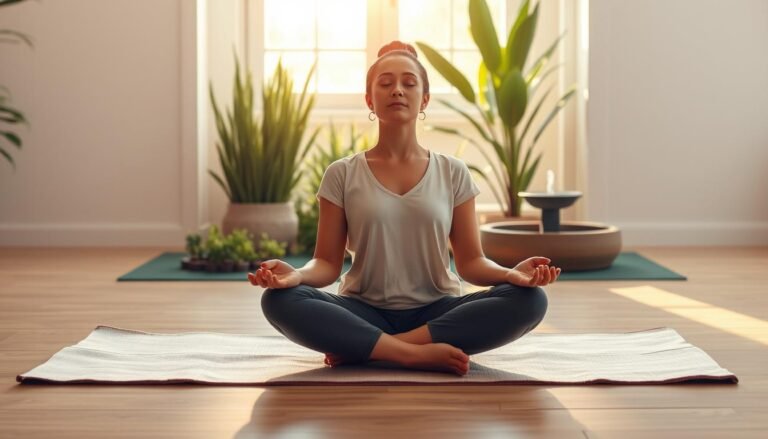
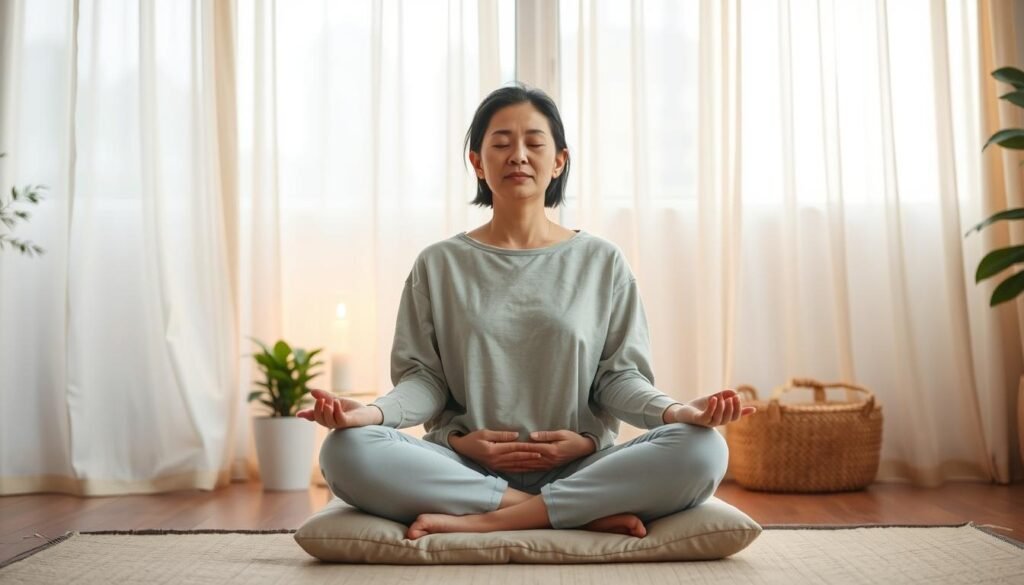
First, sit upright and comfortably with your gaze lowered. This posture supports alertness without causing strain. Next, take a moment to drop your shoulders, relax your jaw, and unfurl your brow. These relaxation cues help signal your body that it’s time to unwind.
Additionally, consider your surroundings. Silence notifications on your devices and inform those around you that you need some quiet time. Choose a space free from interruptions to foster a more focused experience.
Remember, the goal is not to force relaxation. Instead, sit quietly and allow your mind to settle naturally. For practical posture adjustments, check out the meditation.
Guided Meditation Techniques: Finding Your Path
Exploring guided meditation can be a transformative journey for your mind and body. This approach includes various techniques like mindfulness, visualization, body scans, Yoga Nidra, and Progressive Muscle Relaxation. Each of these methods can cater to different needs and preferences.
A calm voice during these sessions can ease decision-making. It’s important to let the instructions float in your mind rather than listening with tension. For instance, Deep Meditate offers 10 guided meditation suites, including categories for breathing, workplace focus, visualization, and stress relief.
Moreover, the platform provides over 250 music compositions and nature sounds, perfect for enhancing your meditation or sleep. When selecting an instructor or app, consider their credentials, teaching style, session length, and accessibility. Ensure the app supports independent practice, which can be vital for your growth.
Starting with shorter sessions can help beginners adjust before moving on to longer practices. This gradual approach reflects the format of Deep Meditate, catering to both new and experienced meditators.
Unguided Meditation Methods: Letting Go and Finding Stillness
Finding stillness in your mind can often feel like an uphill battle. However, unguided meditation offers a way to embrace calmness without relying on constant audio instructions. Two popular methods are mantra meditation and breathing meditation. These techniques allow you to connect with your inner self at your own pace.
As you explore these methods, remember the three golden keys: I do nothing, I want nothing, and I am nothing. “I do nothing” encourages you to release effort, while “I want nothing” helps you drop expectations. Lastly, “I am nothing” invites you to set aside personal roles, allowing for a deeper experience.
Let your thoughts come and go without resisting them. This acceptance can transform your practice. To assist you, Deep Meditate offers a customizable timer that provides starting and ending bells, background music, and interval sounds. For those who prefer more freedom, the open-ended timer allows you to meditate at your own pace, with a subtle gong marking the beginning of your session.
For more tips on managing a wandering mind, check out the BetterLifeAtlas article on meditation and thoughts.
Establishing a Daily Meditation Practice: Tips and Tricks
Building a consistent meditation practice can transform your daily life. It’s essential to start small and create a routine that feels manageable. For beginners, beginning with just 5-10 minutes each day can set a solid foundation. Gradually increase the duration as you become more comfortable.
To make meditation a part of your day, try attaching it to existing habits, like waking up or winding down before bed. This way, it becomes a predictable part of your routine. Remember, the goal is to show up consistently rather than to achieve a specific state every time.
Don’t hesitate to explore different types of meditation until you find what resonates with you. Whether it’s focused breathing or visualization, there’s a technique for everyone. Joining a weekly group meditation can also provide support and accountability, reinforcing your individual practice.
Track your progress through simple measures like mood, sleep quality, and focus. This approach can help you stay motivated and recognize the benefits of your practice over time.
Overcoming Challenges and Deepening Your Meditation Experience
Encountering obstacles is a natural part of any personal growth journey. You may find that your mind wanders or that persistent thoughts disrupt your calm. It’s essential to normalize this experience. When distractions arise, gently return your focus to your breath or the guiding instruction. This approach helps you view distractions not as failures but as part of the process.
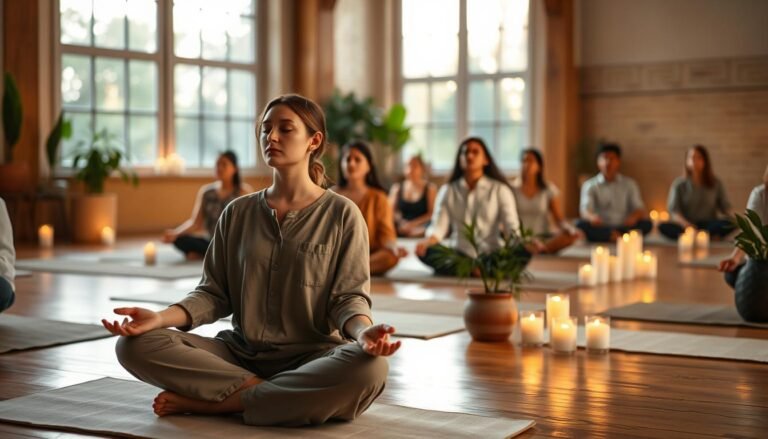
Judging your meditation session can create unnecessary stress. Instead, embrace each experience without expectations. Remember, meditation is about enjoyment and exploration. For those seeking to deepen their practice, consider attending a well-curated silent retreat. These retreats can provide a more profound experience, allowing you to connect with your inner self.
With over 30 years of practicing SKY Breath Meditation, I can attest to the power of patience and consistency. If you’re interested in learning this technique, the offers structured guidance.
As you progress, you may experience altered states of clarity, connection, and compassion. These feelings can enhance your overall well-being, but they should not be seen as goals. Instead, allow them to arise naturally as you continue your journey.
| Challenge | Solution | Outcome |
|---|---|---|
| Wandering Mind | Return to breath | Increased focus |
| Judgment of Experience | Practice acceptance | Greater enjoyment |
| Lack of Depth | Attend silent retreats | Enhanced connection |
Meditation in Daily Life: Enhancing Focus and Relaxation
Incorporating mindfulness into your daily activities can profoundly enhance your focus and relaxation. This practice can support calmness, clarity, and thoughtful decision-making. By integrating simple techniques into your routine, you can experience the benefits of mindfulness throughout your day.
Before a challenging email or meeting, take three slow breaths. This brief pause creates space between your feelings and reactions, helping you respond thoughtfully.
Mindful walking, eating, and listening allow you to engage fully in the present moment. You don’t need a formal session to practice awareness. Instead, notice your surroundings and sensations as you go about your day.
These practices can lead to clearer decisions, better communication, and enhanced creativity. Over time, you may notice improvements in your relationships and productivity.
For a quick reset during a demanding workday, consider workplace meditation or relaxing soundscapes from Deep Meditate. These options can help you recharge without needing a lengthy break.
As you incorporate mindfulness, observe any changes in your stress, anxiety, and sleep over several weeks. These gradual shifts can reveal the true impact of your practice.
For more support, check out the and the article on overcoming mental turmoil.
Conclusion
Amidst life’s chaos, achieving a sense of calm is often a journey worth taking. Remember, the path to tranquility develops through patience, self-kindness, and regular practice. You can begin by preparing a peaceful space, choosing guided or unguided methods, and establishing a daily routine.
Starting with just 5-10 minutes can make a difference, and as you grow more comfortable, longer sessions may become enjoyable. Observe how your responses to stress change, your attention sharpens, and your relationships deepen. You can savor both small pleasures and peace of mind, much like choosing chocolate over a stressful day.
Keep nurturing your practice, and let the journey unfold naturally.
FAQ
What are the benefits of practicing meditation regularly?
Regular practice can enhance your focus, reduce stress, and promote a sense of inner peace. It also helps in managing anxiety and improving overall mental clarity.
How long should I meditate each day?
Even a few minutes daily can be beneficial. Aim for at least 10-15 minutes to start, gradually increasing as you become more comfortable with the practice.
Can meditation help with sleep issues?
Yes, meditation can promote relaxation and reduce racing thoughts, making it easier to fall asleep and improve sleep quality.
What techniques can I use to enhance my meditation experience?
Techniques such as deep breathing, visualization, and mindfulness can help deepen your practice and enhance relaxation.
Is it normal for my mind to wander during meditation?
Absolutely! It’s common for thoughts to arise. The key is to gently bring your focus back to your breath or your chosen point of concentration.
How can I create a peaceful environment for meditation?
Find a quiet space, eliminate distractions, and consider using calming scents or soft lighting to enhance your experience.
What should I do if I feel restless during meditation?
Acknowledge the restlessness, then refocus on your breath or a mantra. It may help to try shorter sessions or different techniques until you find what works best for you.
Are there specific apps or resources for guided meditation?
Yes, there are many popular apps like Headspace and Calm that offer guided sessions tailored to various needs and experience levels.
How can I incorporate mindfulness into my daily life?
You can practice mindfulness by being present in everyday activities, such as eating, walking, or even during conversations. Focus on your senses and the moment at hand.