Meditation Hand Positions: A Beginner’s Guide to Mudras
Have you ever wondered where to place your fingers during your practice? You’re not alone. Many beginners, like Autumn, first discovered the concept of hand gestures nearly 20 years ago when starting their yoga journey. These simple yet effective gestures, known as mudras, can enhance your experience.
This guide will introduce you to 10 accessible mudras, including Gyan, Dhyana, Buddhi, and more. Each gesture serves as a tool to focus your energy and attention. According to Elizabeth Herman’s article from March 11, 2022, around 70% of U.S. adults find yoga and breathwork effective for managing stress. This shows a growing interest in practices that promote well-being.
Remember, using mudras is optional. They are not requirements for a successful session. The key is to choose what feels comfortable for you. In this guide, you’ll find practical advice on finger placement, palm direction, and how to adapt these gestures to your daily life.
Key Takeaways
- Discover the importance of hand gestures in enhancing your practice.
- Learn about 10 different mudras and their meanings.
- Understand that these gestures are optional tools, not strict requirements.
- Explore practical tips for finger placement and palm direction.
- Find ways to incorporate these gestures into your daily routine.
Introduction to Mudras and Their Historical Significance
Mudra, a Sanskrit term meaning “gesture,” plays a vital role in enhancing your practice. These simple hand shapes can represent specific intentions during your sessions. Traditionally, mudras are believed to direct prana, or life-force energy, through the body’s nadis and chakras.
For hundreds, if not thousands, of years, Ayurvedic practitioners have incorporated mudras into their therapeutic practices. While they are beneficial, it’s essential to remember that they do not replace professional medical care.
In modern contexts, you can use a hand position on a cushion, during asana practice, or even in stressful moments throughout your day. These gestures connect with dharana (concentration) and dhyana (meditation), forming a bridge between ancient wisdom and contemporary meditation practices.
Understanding the Concept of Mudra
By recognizing the significance of these gestures, you can deepen your meditation practice. Each mudra serves as a tool to focus your energy and enhance your sense of peace.
Mudras in Ancient Traditions and Modern Practice
- Mudras symbolize intentions during meditation and yoga.
- They help direct life-force energy through the body.
- Practitioners have used them for centuries in various traditions.
- Modern uses include enhancing focus during daily activities.
Understanding Meditation Hand Positions
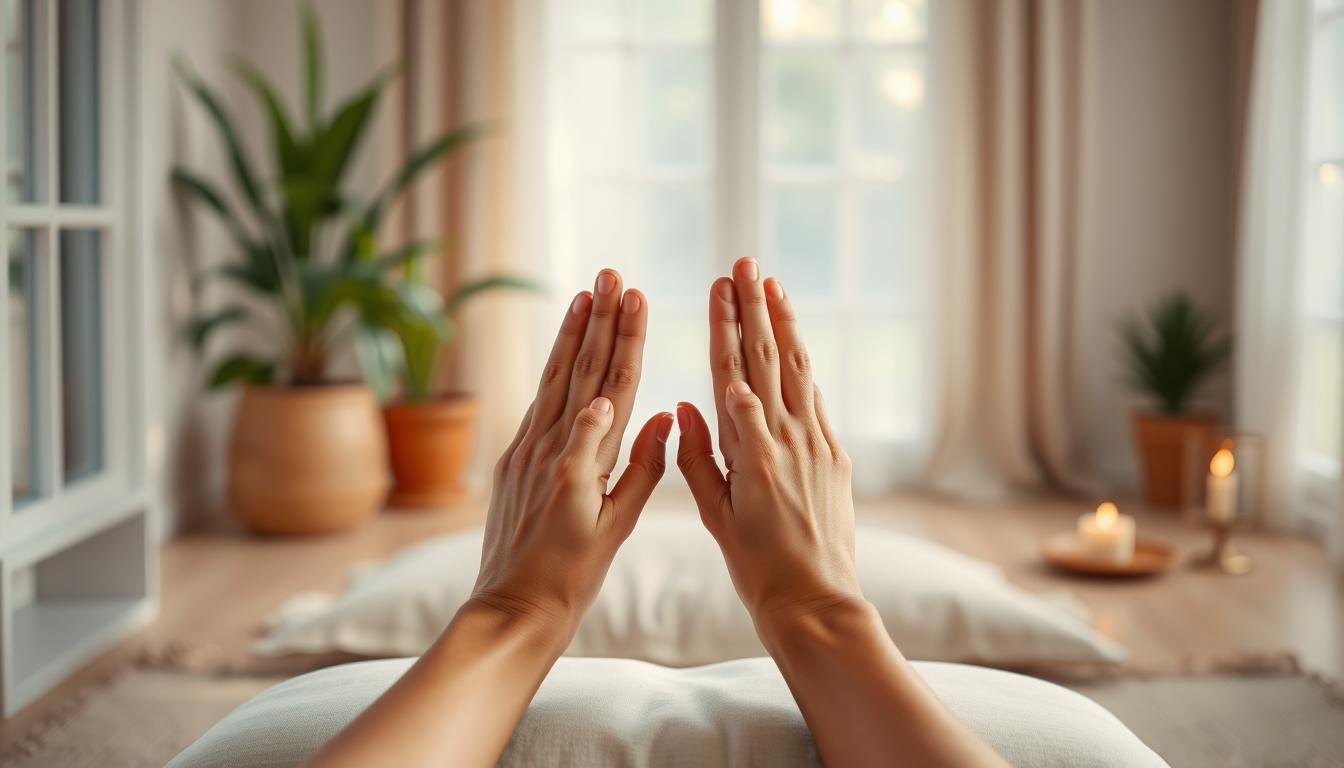
Your fingers hold the key to a deeper connection during your practice. The way you position them can create a physical anchor for your mind, especially when distractions arise. For instance, curling your fingers or touching specific ones can help maintain focus and enhance your sense of calm.
According to research, the nerve endings in your hands may influence attention and stress signals. However, it’s important to note that mudras do not involve the deep pressure associated with reflexology. Instead, they serve as gentle reminders to bring your awareness back to the present moment.
Combining a mudra with slow, intentional breathing can amplify its effects. You might notice changes in your posture and energy levels as you practice. For example, the Gyan mudra connects the tip of your thumb and index finger, while the other fingers remain extended. This simple gesture is said to promote knowledge and clarity.
As you explore these gestures, remember to approach them with comfort and steadiness. Think of energy flow and chakra language as traditional concepts that can guide your practice, but focus on what feels right for you.
The Role of Hand Gestures in Mindfulness
Hand gestures can enhance your mindfulness by providing a tangible focus. When your mind wanders, returning to your fingers can ground you in the moment.
How Mudras Influence Energy Flow and Concentration
Each gesture can help channel your life force and improve concentration. Embrace these tools as you cultivate a more intentional practice.
Using meditation hand positions for Focus and Energy Flow
Your finger placements can serve as powerful tools for grounding and clarity. Starting with one specific hand position for just five minutes can help you notice how it influences your focus and sense of calm. For instance, when your palms are turned upward, it symbolizes openness and receptivity. Conversely, downward palms can create a feeling of grounding.
Practice comfortably on a chair, cushion, or yoga mat. This ensures that physical discomfort does not distract you from your practice. You can even use a discreet mudra during your commute or while navigating a challenging conversation. It’s a simple way to maintain your focus.
Remember to release any unnecessary pressure from your fingers, thumb, and wrists. This will help keep your hand position sustainable and relaxed. By being mindful of your finger placement, you can enhance your meditation practice and energy flow throughout your day.
Gyan Mudra: The Gesture of Knowledge
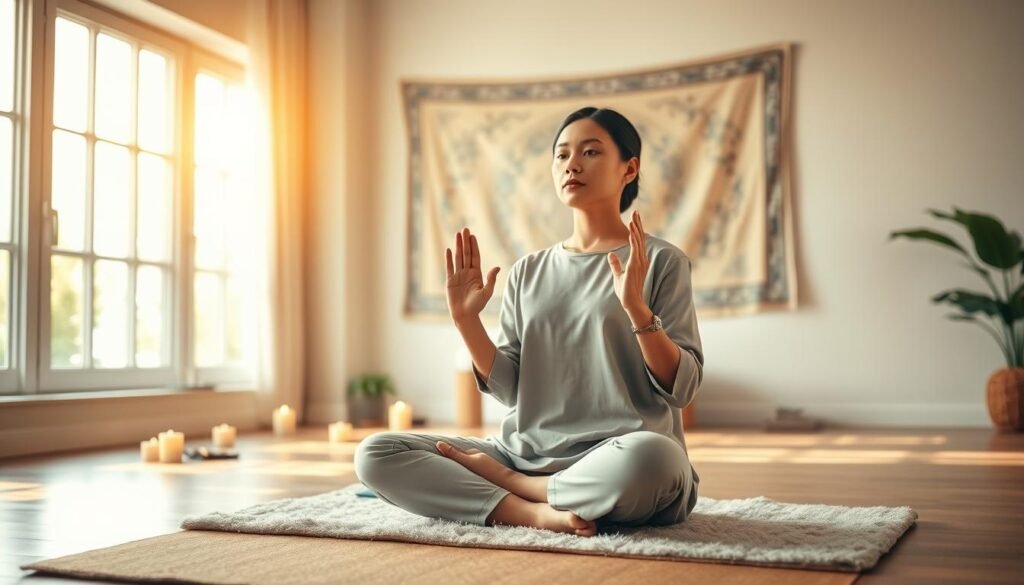
Understanding where to place your fingers can significantly enhance your practice. The Gyan mudra is a powerful gesture that connects the tip of your thumb with the tip of your index finger. This simple yet profound hand position invites a sense of calm and focus.
To practice the Gyan mudra, follow these steps:
- Lightly touch the tip of your thumb to the tip of your index finger, extending the middle, ring, and pinky fingers without tension.
- Rest your wrists on your thighs or knees, choosing palms facing upward for openness or downward for grounding.
This gesture symbolizes the union of universal wisdom and the individual soul. The thumb represents universal wisdom, while the index finger signifies your unique self. Gyan mudra, also known as Jnana or Gian, is often used interchangeably with Chin mudra.
Incorporate this mudra into your sessions by observing your breath or focusing on a chosen intention. Remember, the goal is not instant transformation but rather a gentle reminder to stay present.
| Gesture | Symbolism | Application |
|---|---|---|
| Gyan Mudra | Wisdom and Knowledge | Enhances focus during practice |
| Chin Mudra | Connection with the Universe | Promotes a sense of peace |
| Dhyana Mudra | Calmness and Concentration | Facilitates deep meditation |
Dhyana Mudra and Buddhist Hand Positions
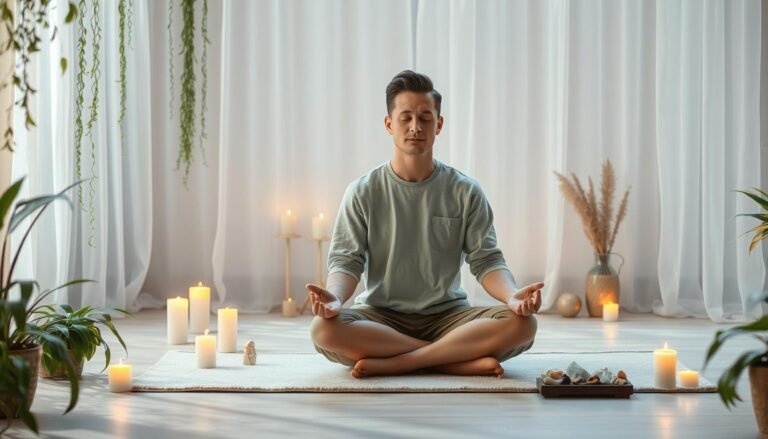
The way you position your fingers can transform your experience during practice. Understanding the differences between yoga hand gestures and Buddhist mudras can deepen your mindfulness journey. In Buddhism, the “resting the mind” position is commonly used, where both hands rest face down on the knees or thighs. This position keeps the upper arms parallel to your torso, promoting relaxation.
In Zen practice, the Cosmic Mudra is another essential gesture. Here, your right hand rests palm-up in your lap, while the left hand gently rests on top. The thumbs touch lightly, forming an oval shape below your navel. This oval acts as a Zen attentional cue, collapsing when your focus drifts or drowsiness sets in.
Learning the Cosmic Mudra in Zen Meditation
Unlike the familiar thumb-and-index circle often taught in yoga, the Cosmic Mudra is a profound way to center your thoughts. The right hand is traditionally placed beneath in Dhyana mudra, while in the Cosmic Mudra, it remains underneath.
Simple Instructions for Achieving Dhyana Mudra
- Begin by placing both hands face down on your knees or thighs.
- Keep your upper arms parallel to your torso for comfort.
- For Cosmic Mudra, position your right hand palm-up in your lap, with the left hand resting lightly on top.
- Gently touch your thumbs to form an oval below your navel, using it as a cue for maintaining focus.
| Gesture | Symbolism | Application |
|---|---|---|
| Resting the Mind | Relaxation and Grounding | Promotes calmness during practice |
| Cosmic Mudra | Connection to Inner Self | Enhances focus and awareness |
| Dhyana Mudra | Mindfulness and Concentration | Facilitates deeper contemplation |
Exploring Additional Mudras for Healing and Balance
Exploring different finger gestures can lead to a more balanced and intentional practice. Each mudra serves as a unique tool for focus and intention. Let’s delve into a few more options that you might find beneficial.
Overview of Buddhi and Varada Mudras
The Buddhi mudra involves touching the tips of your pinky and thumb together. This gesture is traditionally linked with perception, intuition, and clarity. It can enhance your understanding during your sessions.
On the other hand, the Varada mudra is characterized by an open palm, symbolizing generosity and compassion. This gesture is often associated with the imagery of Lakshmi and the blessings of abundance.
Introducing Prana, Vayu, and Surya Mudras
The Prana mudra connects the thumb with the ring finger and pinky, while the index and middle fingers remain extended. This gesture is believed to enhance vitality and energy flow.
Next, the Vayu mudra involves folding the index finger toward the palm and gently pressing it down with the thumb. This position symbolizes balance and can help calm the mind.
Lastly, the Surya mudra folds the ring finger toward the base of the thumb. This gesture is traditionally linked with metabolism and vitality. If you have concerns related to the fire element, consider consulting a qualified Ayurvedic practitioner.
Practical Tips to Enhance Your Meditation Practice
Understanding the synergy between breath and gestures can enhance your focus. To start, practice simpler mudras for at least 10-12 slow Ujjayi breaths. This technique allows you to connect deeply with your body and mind.
Consider comfortable seating options such as sitting cross-legged, kneeling, or in a chair. Physical comfort is essential, as it protects your attention from unnecessary distractions.
For example, the Chinmaya mudra involves forming a ring with your thumb and index finger while curling the other fingers loosely into your palms. This gesture fosters clarity and intention.
Another option is the Adi mudra, where you place your thumb at the base of your small finger, curling the remaining fingers over it into a relaxed fist. This can help you feel grounded.
Lastly, try the Merudanda mudra, which consists of gently closed fists with thumbs pointing upward. This gesture can enhance your energy flow. For more insights, explore related articles on breathwork, stress management, and yoga on BetterLifeAtlas.
Applying Ayurvedic Principles to Daily Mudra Practice
Understanding the elemental connections of your fingers can deepen your practice. Ayurveda identifies five basic elements: air, fire, water, earth, and ether. Each finger corresponds to one of these elements, influencing your energy and focus.
Here’s a quick overview:
| Finger | Element | Symbolism |
|---|---|---|
| Thumb | Fire | Transformation and willpower |
| Index Finger | Air | Intellect and communication |
| Middle Finger | Space | Connection and expansion |
| Ring Finger | Earth | Grounding and stability |
| Pinky Finger | Water | Emotion and intuition |
Touching your fingers together is believed to influence elemental balance and pranic energy. The ring finger, linked with the earth element and the root chakra, symbolizes grounding and stability.
As you practice, pay attention to how different finger positions affect your comfort and focus. Remember, these gestures are tools for enhancing your experience, not substitutes for professional medical advice.
Integrating Mudras into Your Daily Routine
Incorporating subtle gestures into your daily routine can significantly enhance your overall well-being. These simple adjustments can be practiced in various settings, allowing you to maintain focus and calm amidst life’s challenges.
For instance, consider practicing a discreet gesture while commuting. Autumn highlights commuting as an ideal time to engage in subtle finger positions. You can also use a gentle gesture before entering a difficult conversation, taking a few comfortable breaths to center yourself.
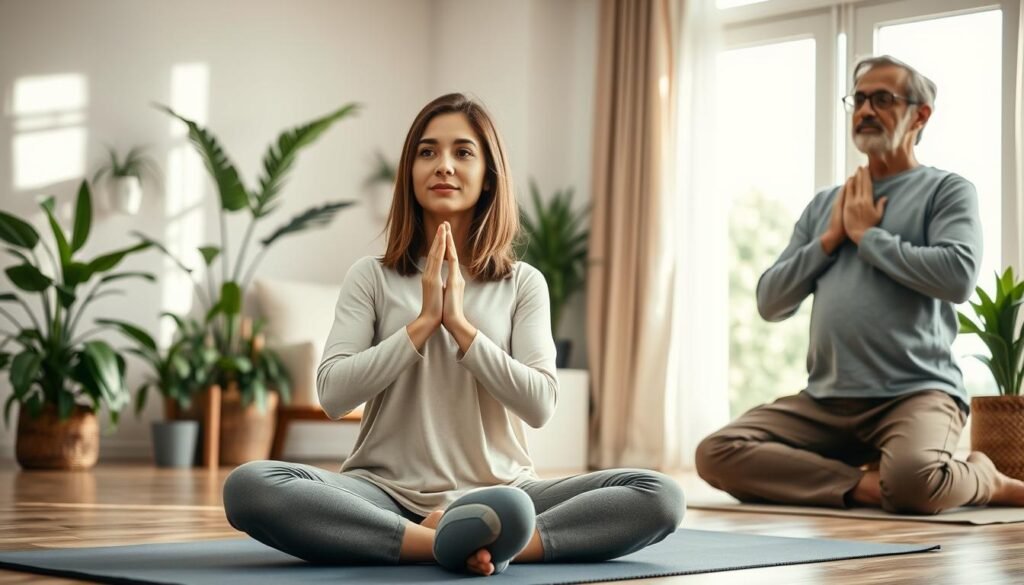
Integrating a gesture into your yoga practice can be beneficial too. Just ensure your wrists, shoulders, and back remain relaxed and aligned. A great option is the Vajrapradama mudra, where you interlace your fingers and rest open palms over your heart. This position encourages a grounded, heart-centered pause.
Establishing a simple daily rhythm can also be effective. Try dedicating one minute after waking, taking several breaths during transitions, and enjoying a short moment of reflection before bed. These practices can transform your routine into a more mindful experience.
Conclusion
Finding the right way to position your fingers can greatly influence your practice. Whether you start with Gyan mudra, Dhyana mudra, or a simple resting position, these gestures provide a physical anchor.
Remember, the connections between these gestures and traditions like yoga and Ayurveda invite curiosity rather than pressure. Begin with relaxed fingers, a comfortable seat, and take 10-12 slow Ujjayi breaths to see what supports your focus.
Choose palms up for openness or down for grounding, adjusting any position that feels uncomfortable. By incorporating one gesture into your daily routine—be it during your commute or yoga session—you can create a sustainable habit that enhances your overall experience.
FAQ
What are mudras and how do they work?
Mudras are symbolic hand gestures used in various spiritual practices. They help direct energy flow and enhance concentration, creating a deeper connection during your practice.
How can I use Gyan Mudra in my daily routine?
You can incorporate Gyan Mudra by practicing it during quiet moments, such as while reading or meditating. Simply touch the tip of your index finger to the tip of your thumb, keeping the other fingers extended.
What benefits can I expect from practicing Dhyana Mudra?
Practicing Dhyana Mudra can promote inner peace, enhance focus, and support mindfulness. It’s particularly beneficial for those looking to deepen their meditation experience.
Are there specific times when I should practice these gestures?
You can practice these gestures anytime you need to center yourself or enhance your focus. Many find it helpful to incorporate them during meditation sessions or moments of stress.
Can mudras help with stress relief?
Yes, mudras can help alleviate stress by promoting relaxation and grounding your energy. Engaging in these hand gestures can help you feel more centered and calm.
How do I know if I’m doing the mudras correctly?
Pay attention to how you feel during the practice. If you feel more relaxed and focused, you’re likely doing them correctly. You can also seek guidance from experienced practitioners.
Is there a specific posture I should maintain while using mudras?
Ideally, sit comfortably with your back straight and knees relaxed. This posture allows for better energy flow and enhances the effectiveness of the gestures.
Can I combine mudras with other mindfulness practices?
Absolutely! Mudras can be seamlessly integrated with breathing exercises, yoga, or meditation to enhance your overall experience and effectiveness.