Meditation Exercises for Beginners to Build Calm and Focus
Finding calm and focus in our busy lives can feel challenging. Fortunately, there are practical ways to pause, breathe, and reset your mind. You don’t need special skills or equipment to begin. Instead, simple practices can help you tap into your breath and body sensations, guiding you to a state of mindfulness.
Research from Harvard Health Publishing suggests that many people need at least 20 minutes for their minds to settle. However, even shorter sessions can be beneficial for beginners. The goal is to cultivate awareness of the present moment and to manage stress more effectively.
As you start this journey, remember that wandering thoughts are normal. The key is to gently bring your attention back to your breath. Regular practice can enhance your mental health, support better sleep, and help you respond to everyday challenges with greater ease.
Key Takeaways
- Meditation is a practical tool for stress relief and focus.
- Short sessions can be effective for beginners.
- Awareness of the present moment is essential.
- Wandering thoughts are a normal part of the process.
- Regular practice can improve mental health and sleep quality.
Understanding Meditation and Its Benefits
In our fast-paced world, finding moments of peace can seem nearly impossible. However, practicing mindfulness can significantly enhance your mental and physical well-being. By focusing on your breath and body, you can release physical tension and gain clarity about your worries and anxieties.
Research indicates that breathing in through the nose and exhaling slowly through the mouth can lower heart rate and blood pressure. This simple technique supports relaxation and helps you feel more centered. As you cultivate awareness of your thoughts and emotions, you’ll find it easier to respond thoughtfully rather than react impulsively.
It’s essential to remember that the benefits of mindfulness often develop through consistent practice. Instead of expecting immediate results, evaluate your progress over weeks.
| Benefit | Description | Long-Term Impact |
|---|---|---|
| Reduces Anxiety | Helps manage feelings of anxiety and stress. | Improved emotional resilience. |
| Enhances Focus | Increases attention span and clarity of thought. | Better decision-making skills. |
| Improves Sleep | Promotes relaxation for better sleep quality. | Long-term sleep health. |
Effective Meditation Exercises for Beginners
In the chaos of daily life, carving out moments of tranquility can be a rewarding challenge. By focusing on your breath and body awareness, you can develop a steady mindfulness habit. Here’s how to get started:
Focusing on Breathing and Body Awareness
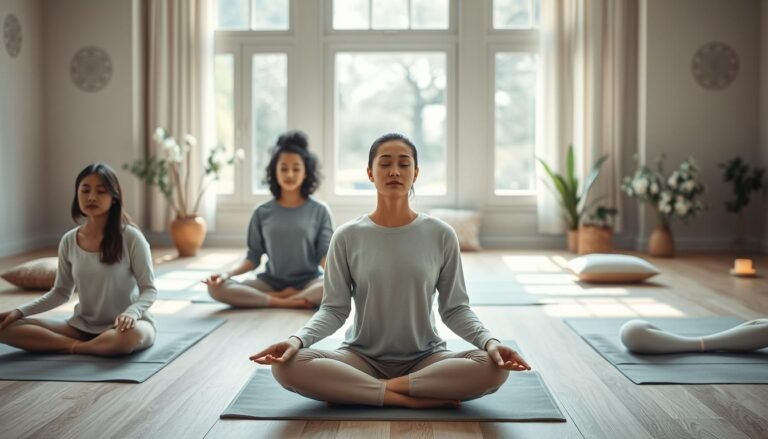
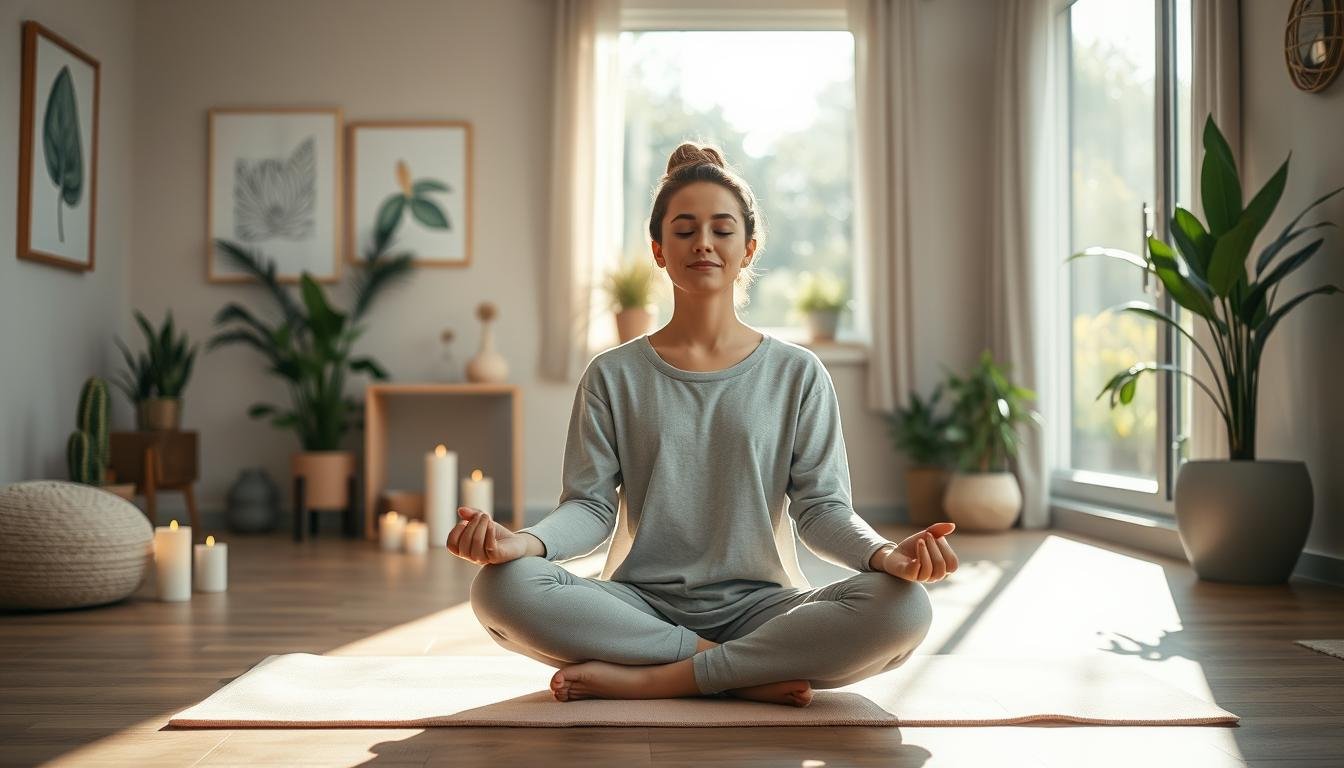
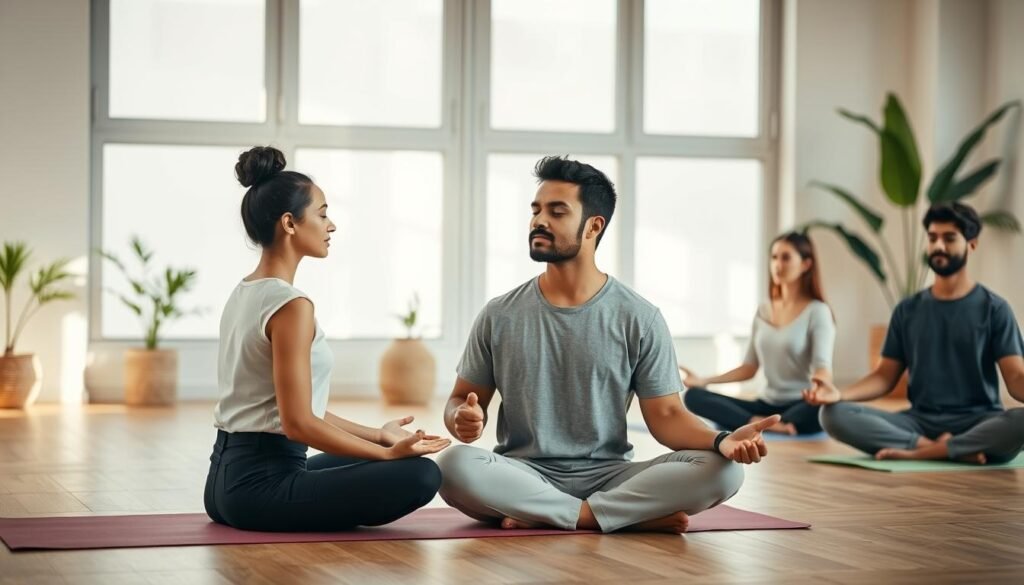
To begin, find a comfortable position. You can sit on a straight-backed chair or cross-legged on the floor. Once settled, follow these steps:
- Sit upright and close your eyes if it feels comfortable.
- Notice your breath as it flows in and out through your nostrils or as your belly rises and falls.
- Silently repeat the phrases “breathe in” and “breathe out” for about 20 minutes.
Whenever your mind wanders, gently bring your attention back to your breath. This is part of the practice and shows progress.
Building a Steady Mindfulness Habit
As you grow more comfortable, expand your awareness. Notice sounds, sensations, and thoughts without labeling them as good or bad. Remember, recognizing distractions is a sign of success.
Start with shorter sessions if needed, gradually working towards the recommended 20 minutes. This approach can significantly improve your mental health and overall well-being.
| Exercise | Description | Duration |
|---|---|---|
| Breath Awareness | Focus on the natural rhythm of your breath. | 20 minutes |
| Body Scan | Notice sensations in different parts of your body. | 10 minutes |
| Mindful Listening | Pay attention to surrounding sounds without judgment. | 5 minutes |
Getting Started with Your Meditation Practice
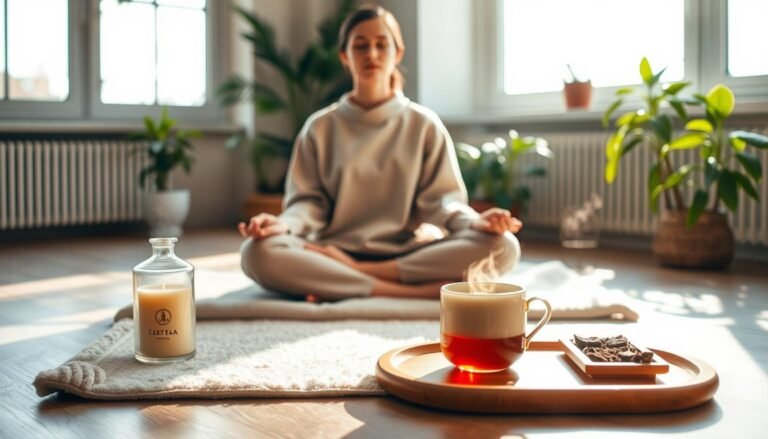
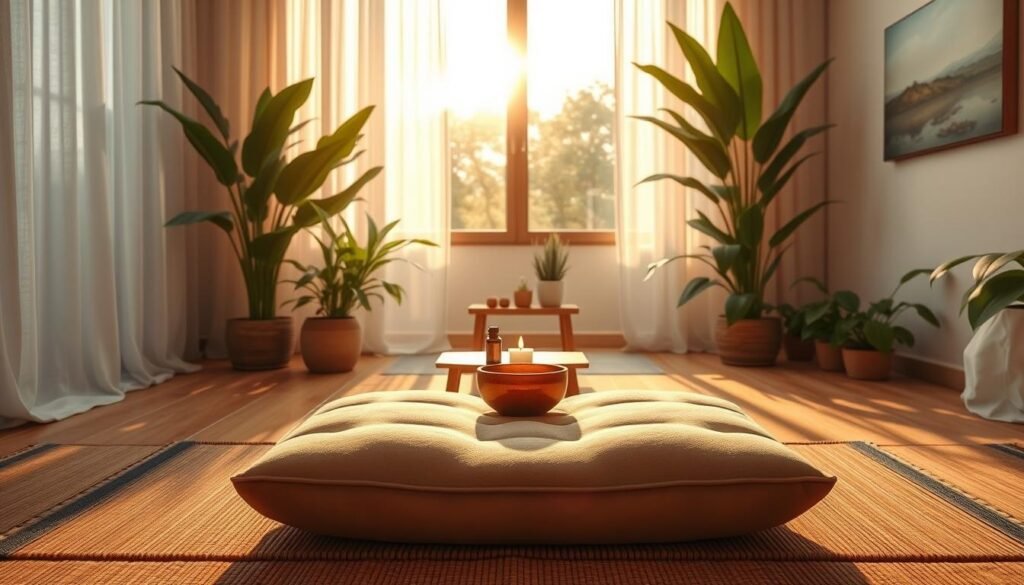
Creating a personal space for mindfulness can enhance your practice. You don’t need fancy equipment to begin. A comfortable, warm spot is all you need. Whether you choose a chair, bed, rug, towel, or yoga mat, the key is to find a place that feels right for you.
Make sure your seat provides support, keeping your body upright. Slumping can distract you from your practice. It’s also helpful to establish a consistent time for your mindfulness sessions. Consider starting your day or winding down in the evening. Adapt your routine to fit your lifestyle.
Finally, end your sessions slowly. Stay seated for a couple of minutes before opening your eyes and standing up. This gentle transition helps you maintain the calm you’ve cultivated.
Utilizing Mindfulness Meditation for Daily Clarity
Amidst the busyness of life, finding clarity can often feel elusive. However, you can practice mindfulness in your daily routine. This approach allows you to cultivate awareness during ordinary tasks.
Start by being present while eating. Notice the texture, temperature, and flavor of your food. Pay attention to the sounds and your body’s responses before taking another bite. This simple act can transform your meal into a mindful experience.
Similarly, apply this awareness while showering or walking. Observe the sensations of water on your skin or the feeling of your feet touching the ground. Each moment offers a chance to connect with your senses.
When stress arises, try slow breathing. Inhale deeply through your nose, letting your abdomen expand, and exhale slowly through your mouth. This technique can help ground you in the present moment.
Remember, your mind may wander during these activities. Gently bring your attention back to the sensations you are experiencing. This practice is the essence of mindfulness.
For more tips on intentional living, check out this resource on living with intention.
Deepening Your Practice with Visualization Techniques
In the journey toward mindfulness, visualization can be a powerful tool. It allows you to replace the breath with a mental image, helping you redirect your attention when distractions arise. This approach can be especially beneficial for emotional balance and relaxation.
Visualization for Emotional Balance
Begin by closing your eyes and taking a deep breath. Picture a speck of sunlight in your mind. Imagine this warmth expanding throughout your body, filling you with light and spaciousness. Recall an act of kindness you appreciated, letting that feeling guide your visualization.
Imagery Techniques for Relaxation
Another effective technique is the liquid sunlight exercise. Visualize warm light flowing from your head down through your body, dissolving tension. Rest with this image for about 10 seconds, then gently bring your awareness back to your surroundings. Notice the chair beneath you, the sounds around you, and the physical space you occupy.
Remember, visualization is flexible. It doesn’t require a vivid picture or perfect concentration. Simply allow your mind to engage with the image, and return to it whenever thoughts interrupt your focus. With practice, these techniques can enhance your mindfulness journey.
Addressing Common Meditation Challenges
Every journey has its bumps, and your path to mindfulness is no different. It’s normal to face challenges while practicing. Many beginners find themselves struggling with a wandering mind or intrusive thoughts. Remember, this is a part of the process, not a failure.
Even seasoned practitioners encounter distractions. The key is to recognize these moments and gently redirect your attention back to your breath. Here’s a simple three-step approach to help you navigate these challenges:
- Recognize the thought: Acknowledge that your mind has wandered.
- Avoid judgment: Don’t label it as a failure; it’s a natural occurrence.
- Return to your breath: Focus back on your breathing or another anchor.
Labeling recurring thoughts as “planning,” “remembering,” or “worrying” can also help you settle your mind. Remember, you don’t need to solve every intrusive thought during your practice. Your goal is to observe calmly.
If discomfort arises, consider shortening your session, opening your eyes, or changing your posture. These adjustments can make a significant difference in your focus and overall experience.
| Challenge | Response | Tip |
|---|---|---|
| Wandering Mind | Recognize and redirect | Practice gentle awareness |
| Intrusive Thoughts | Observe without judgment | Label thoughts to gain clarity |
| Discomfort | Adjust your position | Shorten sessions if needed |
Enhancing Focus with Guided Meditation
In the pursuit of mental clarity, finding structured guidance can make a significant difference. Guided meditations offer a supportive way to deepen your practice and enhance focus. They provide a framework that can help you navigate your thoughts and feelings more effectively.
Consider exploring Dr. Becky Spelman’s beginner meditation video. This resource can be particularly helpful when silent practice feels unclear or difficult to structure. It serves as a great introduction to mindfulness.
Taking Advantage of Guided Meditations
One excellent option is the guided body scan meditation. This technique allows you to notice tension and anxiety throughout different areas of the body without forcing immediate relaxation. It’s a gentle way to tune into your physical sensations.
Using Video Resources for Better Focus
For those who prefer spoken reminders, the guided awareness-of-breath meditation is a fantastic choice. It encourages you to return your attention to your breath, making it easier to stay present. Video or audio guidance can provide timing, posture reminders, and a steady sequence during your initial sessions.
To maximize your progress, try repeating the same guided meditation regularly before switching formats. This consistency can help you notice improvements over time.
| Resource | Description | Benefits |
|---|---|---|
| Beginner Meditation Video | Step-by-step guidance from Dr. Becky Spelman. | Clear structure for beginners. |
| Guided Body Scan | Focus on body awareness and tension. | Identify areas of stress. |
| Awareness-of-Breath Meditation | Spoken reminders to return to breathing. | Enhances focus and presence. |
Incorporating Meditation into Everyday Life
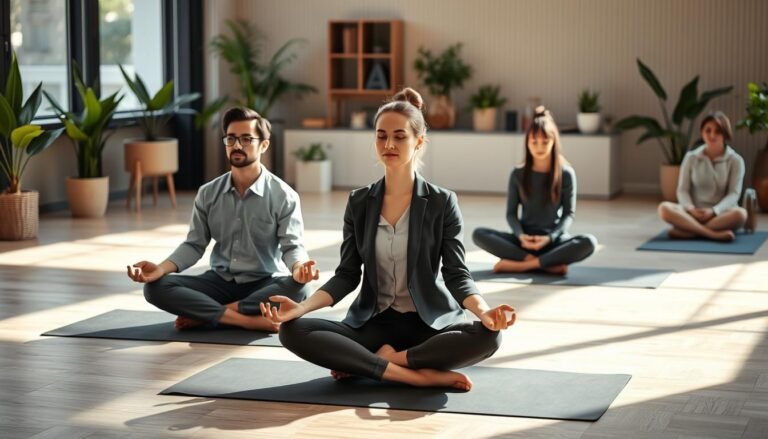
Amidst the demands of life, integrating mindfulness can transform your daily experiences. Mindfulness exercises require little effort and can be practiced almost anytime and anywhere. The key is to attach these brief practices to existing habits.
For example, consider taking a moment to breathe deeply while enjoying your morning coffee or during your commute. You can also pause for one minute to notice your body, breathing, and surroundings before moving on to the next task.
Consistency is crucial. Regular practice, even in short bursts, trains your mind to be more present and less reactive. Track your completed sessions with simple marks on a calendar or reminders on your phone, without judging the quality of your practice.
For practical support in building a sustainable routine, check out this resource on positive habit formation.
Conclusion
Cultivating a sense of calm amidst chaos is an attainable goal for everyone. Begin your journey by finding a comfortable seat. Take a few natural breaths, and gently return your focus to your chosen anchor whenever your attention drifts.
Explore different approaches, whether it’s formal practices, everyday awareness, guided audio, or visualization. Choose what feels supportive and practical for you.
Remember, a wandering mind is not a failure. Each time you return to your breath, you give your mind another chance to learn steadiness.
Start with a manageable routine, gradually building toward longer sessions. Aim for the 20-minute guideline mentioned by Harvard Health Publishing.
Lastly, if you face significant anxiety, sleep issues, or other health concerns, seek qualified medical advice. Mindfulness is a valuable tool, but it should not replace professional care.
FAQ
What are the main benefits of practicing mindfulness?
Mindfulness can improve both physical and mental health. It helps reduce stress, enhances focus, and promotes emotional balance.
How long should I meditate each day as a beginner?
Starting with just 5 to 10 minutes daily is effective. Gradually increase the duration as you become more comfortable with the practice.
What should I do if my mind wanders during meditation?
It’s normal for thoughts to arise. Gently bring your focus back to your breath or body sensations without judgment.
Can mindfulness help with anxiety?
Yes, practicing mindfulness can help manage anxiety by encouraging you to stay present and reduce overwhelming thoughts.
How can I create a comfortable space for meditation?
Choose a quiet area with minimal distractions. Use cushions or a chair for comfort, and consider dim lighting or calming scents.
What is a body scan, and how can it help?
A body scan involves focusing on different parts of your body to promote relaxation and awareness. It helps connect your mind and body.
How can I incorporate mindfulness into my daily routine?
You can practice mindfulness during everyday tasks, such as eating or walking, by paying full attention to the sensations and experiences involved.
Are there any resources for guided meditation?
Yes, many apps and websites offer guided meditations. Look for ones that focus on your specific needs, like stress relief or focus enhancement.