Meditation Posture: How to Sit Comfortably for a Better Practice
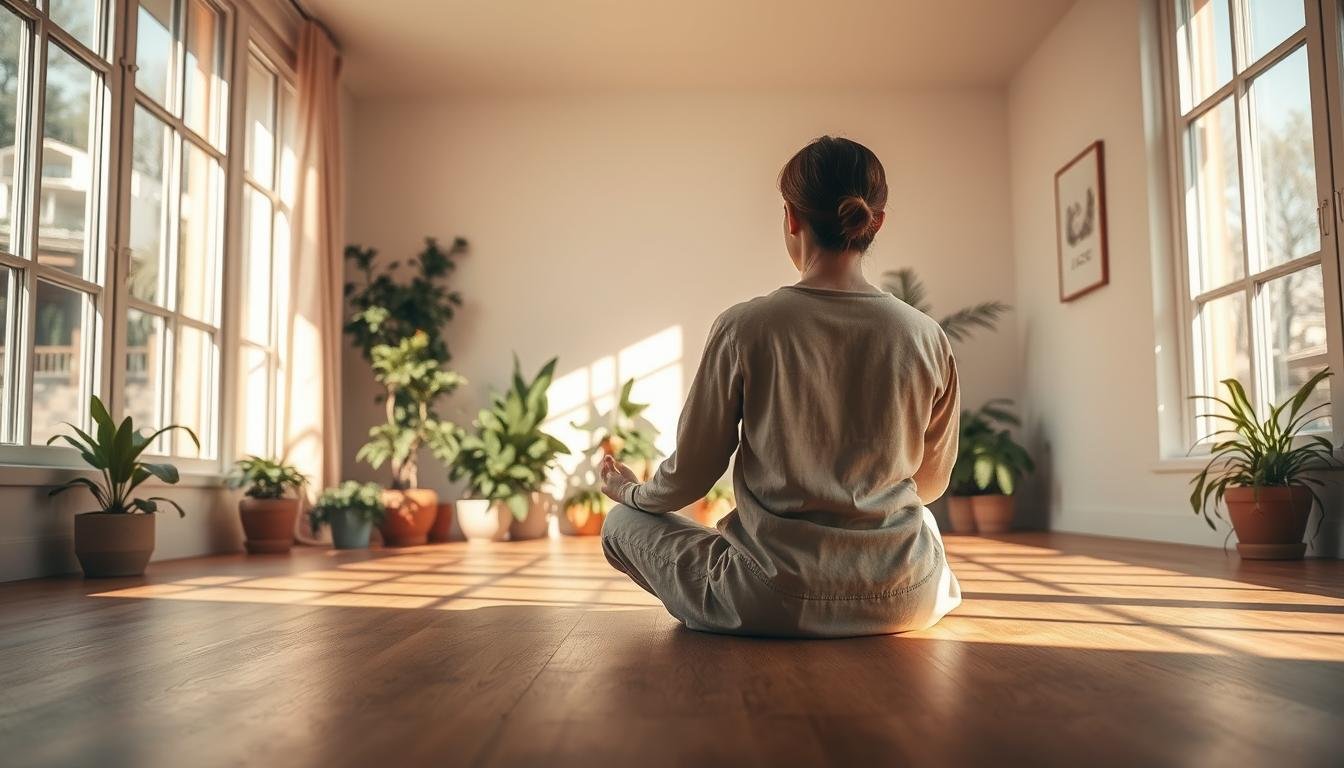
Finding the right way to sit can make a big difference in your practice. Comfort is key to maintaining focus and consistency. When you’re comfortable, your mind can settle, allowing for deeper engagement. Ines Freedman reminds us that there are many ways to practice, including sitting, standing, walking, or lying down.
Sitting is often favored because it strikes a balance between alertness and relaxation. An upright body encourages awareness, while still allowing you to feel relaxed. This combination helps create a space where your mind can thrive. Remember, you don’t need to adopt an impressive pose; a simpler position can often support your practice better.
Throughout this section, we’ll explore various options for sitting, including on the floor, in a chair, or even kneeling. The goal is to find what feels right for your body. Mindfulness is a flexible skill, not a test of flexibility. Andy Puddicombe emphasizes this balance between focus and relaxation, showing that you can find peace in your own way.
Key Takeaways
- Comfort is essential for maintaining focus during practice.
- Sitting offers a balance of alertness and relaxation.
- You don’t need an impressive pose; simplicity can enhance your experience.
- Explore various sitting options to find what suits your body best.
- Mindfulness is about flexibility in practice, not physical flexibility.
Introduction to Meditation Posture
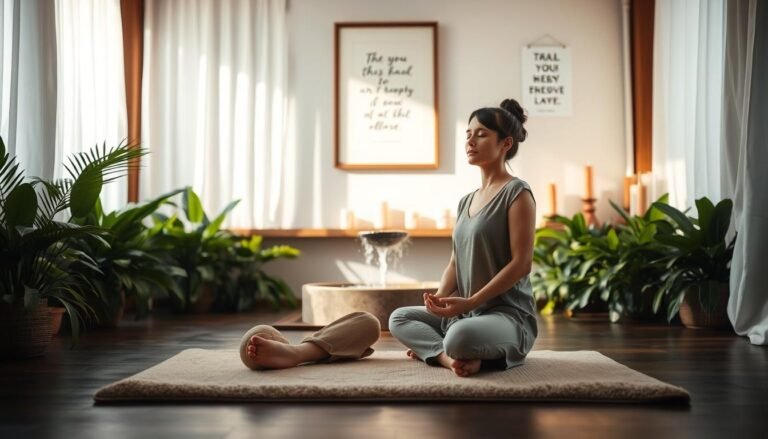
How you choose to sit can deeply influence your overall experience. Achieving a balance between alertness and relaxation is essential. This balance allows you to remain engaged without feeling tense or rigid. Imagine the top of your head being gently pulled upward toward the ceiling. This simple visualization can help align your body effectively.
When sitting, keep your chin slightly tucked and ensure your spine maintains its natural curve. Your eyes can be closed or gazed softly about 2-3 feet ahead. This approach can help reduce distractions and promote a sense of calm.
It’s important to remember that your knees should ideally remain below your hips. This positioning helps alleviate strain and makes it easier to maintain comfort while seated on the floor. By focusing on your alignment, you can manage stress more effectively and cultivate a mindful practice.
“An upright body tends to remain alert and attentive.”
Essential Tips for Sitting Comfortably
The position you adopt while sitting can profoundly impact your practice. To enhance your comfort, start by centering your sitting bones. Gently rock back and forth to find your balance. Once stable, raise your hips slightly and allow your spine to settle naturally.
Choosing the right equipment is crucial. A zafu can elevate your hips, allowing your knees to touch the ground, forming a stable base. For added comfort, consider using a zabuton beneath your zafu. This padded mat protects your knees and ankles, especially on a hard floor.
If you prefer sitting in a chair, ensure your feet are flat on the floor. Your hips should be slightly higher than your knees. A folded blanket under your sitting bones can help tilt your hips forward, promoting better alignment.
- Use a round zafu for a natural back alignment.
- Consider a crescent cushion for added knee support.
- Evaluate firmness and height to match your body type.
- Softening the floor with a zabuton can enhance comfort during cross-legged sitting.
Traditional Floor Postures and Adjustments
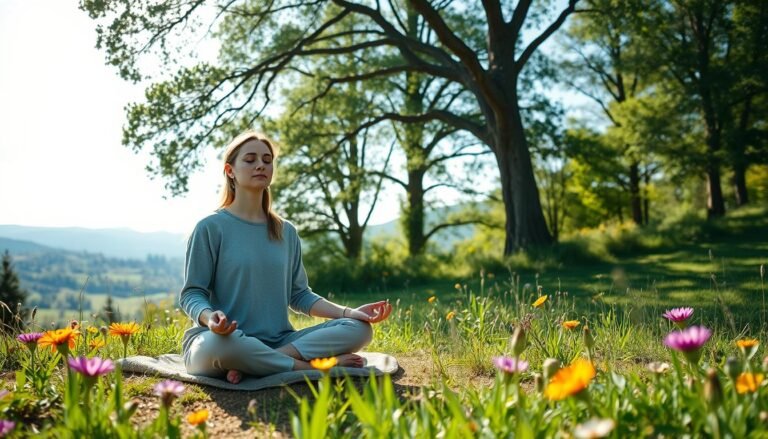
Your sitting position plays a crucial role in how you engage with your practice. Traditional floor postures, such as the Burmese, Half Lotus, and Full Lotus, offer various benefits. However, it’s essential to adapt these positions to suit your body, rather than forcing flexibility.
The Burmese posture is a practical starting point. In this position, both feet rest on the floor, and a cushion can support your knees if they don’t quite reach the ground. If you practice for more than 45 minutes, consider alternating which leg is in front to maintain balance.
In Half Lotus, the top leg should be switched after extended sessions. This position requires gentle attention to your hips and spine. The Full Lotus is stable but can lead to knee injuries if forced. Remember, comfort is key!
- Use a cushion beneath one knee to reduce pressure.
- A taller zafu or zabuton can help maintain comfort.
- Focus on relaxed breathing and a balanced head to avoid pain.
“Alignment prioritizes relaxed breathing and pain-free stability over copying a traditional position exactly.”
Alternate Sitting Options for a Steadier Practice
Exploring different sitting options can significantly enhance your practice. Each choice can accommodate various needs, especially for those with pain or mobility limits.
When it comes to chair meditation, sit near the front edge. Keep your feet flat on the floor and support your lower back with a pillow if needed. This setup helps align your spine without collapsing into the backrest.
Chair Meditation: Aligning Your Spine Without a Cushion
For those with back pain or joint sensitivity, a chair can provide a stable option. Ensure your hips are slightly higher than your knees to maintain comfort.
Seiza and Reclined Positions for Sensitivity to Discomfort
The seiza position, using a bench, allows you to kneel without putting weight on your feet. Alternatively, lying down can be effective. Place a pillow beneath your knees or bend them at 90 degrees with feet flat on the floor. This reduces stress on your lower back.
Reclined meditation serves as a middle ground. It keeps your chest open while elevating your head. This can alleviate pressure on your hips and knees.
Remember, if you experience persistent pain, consult a qualified health care professional. Your comfort is essential for a fulfilling practice.
Mindfulness and Body Alignment Techniques
Understanding how your body feels during practice is essential. Paying attention to your internal signals can help you adjust comfortably. When you notice discomfort, take a moment to observe it before making changes. This mindful awareness fosters a deeper connection to your experience.
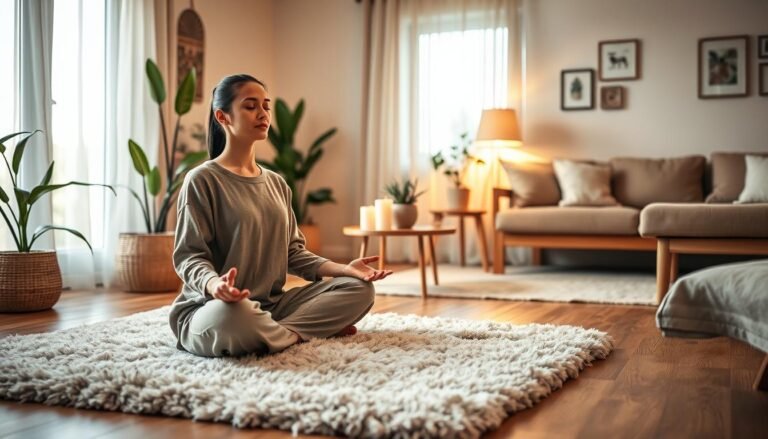
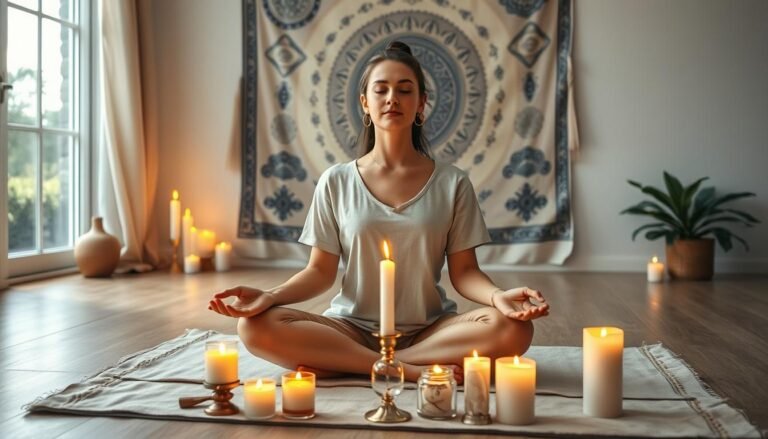
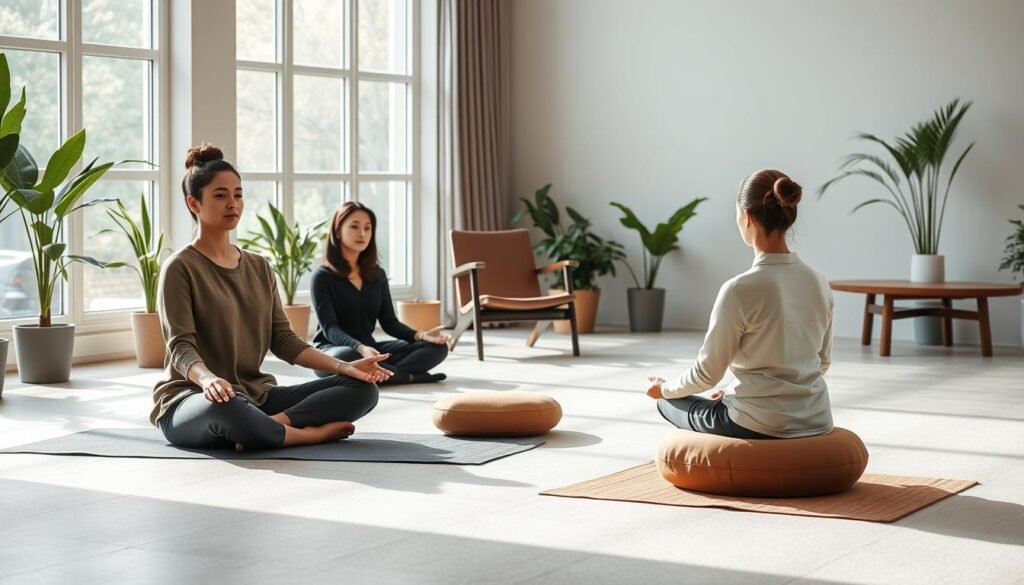
Hand placement is another important aspect. You can rest your hands palms up or down on your thighs or fold them gently in your lap. If you find that your neck or shoulders are tense, consider placing a small cushion beneath your hands. This can relieve strain and enhance your comfort.
Breathing through your nose while keeping your mouth gently closed promotes relaxation. It’s best to maintain a relaxed posture without turning your breath into a performance. Notice how your shoulders feel—keeping them relaxed can significantly improve your experience.
Here are some key points to remember:
- Legs may fall asleep, but circulation usually returns within about one minute after changing position.
- Thumbs touching in a mudra can help signal when your awareness begins to fade.
- Differentiate between temporary tingling and sharper warning signals; adjust slowly when discomfort persists.
- Prioritize safety over remaining still; it’s okay to shift positions if needed.
| Signal | Action | Time to Adjust |
|---|---|---|
| Legs falling asleep | Change position | 1 minute |
| Tight shoulders | Relax and adjust hand placement | Immediate |
| Fading awareness | Engage thumbs in a mudra | Immediate |
Meditation Posture for a Balanced Mind and Body
Your approach to sitting can transform your experience significantly. Incorporating standing and walking techniques into your routine can enhance your practice and connect it to daily life.
Standing meditation is a fantastic way to begin. Start with just 2-3 minutes, keeping your knees soft and shoulders relaxed. Gradually increase your time to 10-15 minutes daily. This gentle practice can help you feel grounded and present.
Yang Yang, founder of the Center for Taiji and Qigong Studies, emphasizes the importance of these techniques. His work at Memorial Sloan Kettering Cancer Center highlights how standing practices can support overall well-being.
Walking meditation offers another way to deepen your experience. With eyes open, you can notice your posture, gait, and surroundings. Whether you stroll through nature or navigate a busy city, this practice encourages mindfulness in movement.
For longer sessions of 30 minutes or more, preparation is key. Gather essentials like water, a blanket, warm socks, and a timer. These small adjustments can make a significant difference in your comfort and focus.
“Integrating movement into your practice can lead to a more balanced mind and body.”
Conclusion
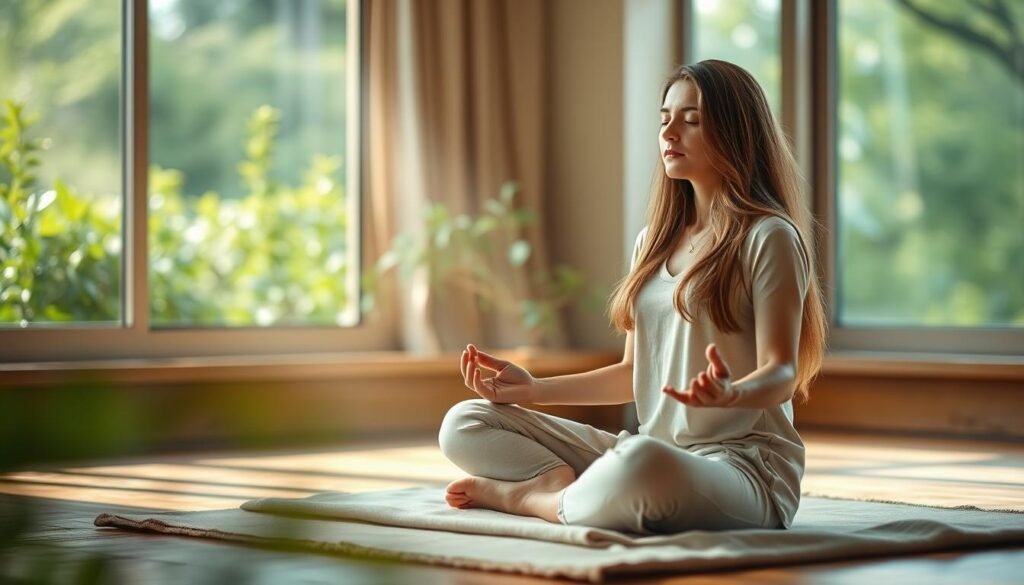
The way you sit can shape your entire experience. The best position is one that keeps your body supported, maintains a natural spine, and allows your mind to be present. Whether you choose a chair, cushion, or even a lying position, all can support a consistent practice.
Remember, traditional poses like the full lotus are optional. No position should cause knee pain or sharp discomfort. Small adjustments, such as raising your hips or grounding your feet, can significantly enhance your comfort.
Experiment patiently with your practice. Use shorter sessions to build consistency rather than striving for a perfect position.
FAQs
- What is the best posture for beginners? Start with a comfortable chair or cushion that supports your body.
- How can I meditate in a chair? Sit near the front edge, keeping your feet flat on the floor.
- Is lying down a good option for meditation? Yes, it can be effective if you support your back and keep your body relaxed.
- Are lotus positions safe for everyone? They can be beneficial but should not be forced if you experience pain.
- What should I do if my legs fall asleep? Change your position to restore circulation.
- How do I choose the right cushion? Select one that fits your height and provides support for your knees.
FAQ
What is the best position for sitting during meditation?
The best position is one that allows you to maintain a straight spine while feeling relaxed. Common options include cross-legged, Burmese, or seated on a chair, depending on your comfort level.
How can I alleviate discomfort while sitting?
Adjust your position by using cushions or blankets for support. Ensure your knees are lower than your hips and your spine is aligned to reduce strain.
Is it necessary to sit on the floor for meditation?
No, it’s not necessary. You can use a chair if sitting on the floor is uncomfortable. The key is to find a position that allows you to sit upright without tension.
What should I do if my legs start to hurt?
If you experience pain, take a moment to adjust your position. You might want to stretch your legs or change your posture to relieve the discomfort.
How can I ensure my spine is properly aligned?
Sit up straight with your shoulders relaxed. You can visualize a string pulling the crown of your head upward, keeping your spine elongated and your neck aligned.
Are there specific hand positions that help during meditation?
Yes, placing your hands on your knees or in your lap with palms facing up can promote relaxation and help you focus your mind during practice.
How long should I sit in one position?
Start with shorter sessions, around 5 to 10 minutes, and gradually increase the time as you become more comfortable. Listen to your body and adjust as needed.
Can I practice meditation while standing or walking?
Absolutely! Integrating standing or walking meditation can enhance your practice and provide variety, especially if sitting for long periods feels challenging.