Meditation Retreats: What to Expect and How to Prepare
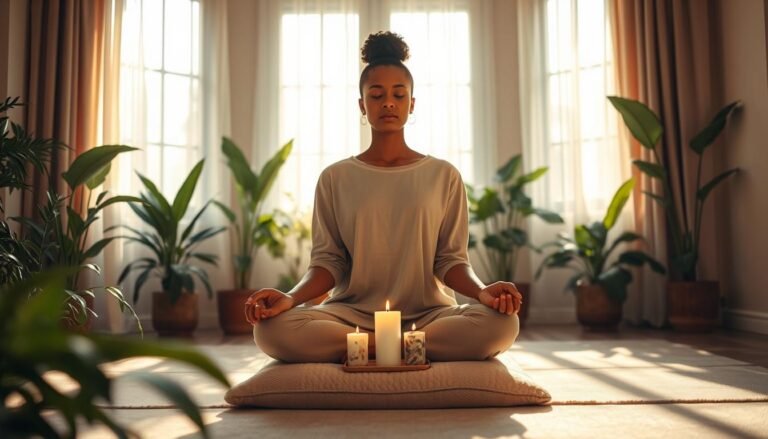
Stepping into a meditation retreat offers you a chance to escape the hustle of daily life. It creates a protected space where you can disconnect from your usual responsibilities. In the United States, particularly in Texas, there are many accessible programs designed to help you unwind and recharge.
Your first retreat may feel a bit strange. It’s common to experience a whirlwind of thoughts, especially if your mind is used to the chaos of work and family obligations. You might wonder what to expect, and that’s perfectly okay.
This article will guide you through essential questions like how long to stay, what to pack, and how silence is integrated into these experiences. You’ll also learn about various retreat centers available, ranging from basic weekend programs starting at $195 to immersive multi-day experiences that can cost up to $4,200.
Texas offers diverse settings, from Hill Country to pine forests and deserts. You can explore different styles, including Buddhist, Zen, and even Christian options. With over 50,000 retreats reviewed by BookRetreats, you can confidently compare locations, teachers, and amenities before making your choice.
Key Takeaways
- Retreats provide a chance to disconnect from daily responsibilities.
- Your first experience may feel unfamiliar, not instantly peaceful.
- Essential questions include duration, packing, and silence practices.
- Texas offers a variety of settings and retreat styles.
- Compare verified retreats to find the best fit for your needs.
Introduction to Meditation Retreats
Diving into a tranquil environment offers a unique opportunity for growth. Many people attend these programs to reduce distractions and create a consistent routine. Others seek to explore a new tradition or carve out space for postponed decisions.
For example, a 10-day Vipassana experience includes around 10 hours of formal practice each day. This structure allows for significantly more focus than your usual home routine. However, it’s important to balance expectations. While insight and calm can arise, you may also encounter fatigue, boredom, or emotional discomfort.
Solo travelers often worry about feeling isolated. Yet, surveys show that 94% of guests make friends, and 89% would attend another event. Connecting your retreat intentions with resources like BetterLifeAtlas can help you cultivate mindfulness and stress management skills when you return home.
| Retreat Aspect | Positive Outcomes | Challenges |
|---|---|---|
| Focus | Increased clarity | Fatigue |
| Community | Friendships formed | Initial discomfort |
| Practice Time | Deepened understanding | Emotional discomfort |
What is a meditation retreat?
Engaging in a focused environment can foster deep self-discovery. A meditation retreat is typically a residential or day-based program designed to organize meditation, rest, meals, teaching, and personal reflection within a structured schedule.
A typical day often begins with early meditation, followed by walking practice, meals, and teacher instruction. You will also have rest periods and individual practice, culminating in an evening talk.
Accommodations can vary widely, from simple monastery rooms to private wellness lodging. It’s essential to confirm details like bathrooms, bedding, and room-sharing arrangements before you arrive.
For first-timers, a recommended duration is four days and five nights. This timeframe allows you to acclimate without the pressure of a longer commitment. Silent formats may limit conversation, eye contact, reading, and screens, while gentler programs might allow for discussion and free periods.
Most centers welcome beginners, although some intensive programs may require prior experience or preparation.
Types of Meditation Retreats and Their Traditions
Exploring various traditions can enrich your experience during a retreat. Each approach offers unique insights and practices to consider. For example, the Insight Meditation Society, founded in 1975, emphasizes mindfulness and compassion. Their programs are designed to help you deepen your understanding of self-awareness.
On the other hand, the Goenka tradition provides a standardized 10-day format that many find beneficial. This structure can feel rigid to some, but it also offers a clear path for beginners.
Zen practices, like those at the San Francisco Zen Center, combine sitting with rituals and community life. This offers a different atmosphere that may resonate with you.
For those interested in personal growth, places like Esalen and Kripalu offer programs that blend meditation with yoga and workshops. These retreats cater to a wide range of people, allowing for diverse experiences.
Finally, if you’re looking for contemplative silence outside Buddhist traditions, consider Christian or interfaith retreats. They provide a peaceful setting for reflection and connection.
| Tradition | Key Features | Ideal For |
|---|---|---|
| Insight Meditation | Mindfulness, compassion | Beginners, self-exploration |
| Goenka | Standardized format, donation-based | Structured learners |
| Zen | Rituals, community life | Those seeking connection |
| Secular Options | Yoga, workshops | Personal growth enthusiasts |
| Christian/Interfaith | Contemplative silence | Spiritual seekers |
Choosing the Right Retreat Center
Finding the perfect center for your journey can be a transformative experience. With so many options available, it’s essential to evaluate various factors before making your decision.
Consider these practical criteria when comparing centers:
- Tradition: Explore different styles to find what resonates with you.
- Length: Determine how long you want to commit to your experience.
- Silence Level: Assess how much silence you are comfortable with during your stay.
- Teacher Access: Check if the instructors are available for guidance.
- Accommodation: Look into the living arrangements and comfort level.
- Food: Consider dietary options and meal quality.
- Transportation: Ensure easy access to the center.
- Cancellation Terms: Review policies in case your plans change.
- Recent Reviews: Read feedback from previous attendees to gauge their experiences.
In the United States, notable options include:
- Spirit Rock: Nestled in Woodacre, California, it spans 411 acres of oak-grass hills.
- Kripalu: Located in Stockbridge, Massachusetts, it offers diverse programs.
- Omega Institute: Found in Rhinebeck, New York, it features various wellness offerings.
- Insight Meditation Society: A popular choice in Massachusetts for mindfulness practices.
Texas also has beautiful landscapes, making it convenient for travelers from major cities like Austin and Dallas. Many centers are just a two- to three-hour drive away, allowing for easy attendance.
Preparing Mentally for Your Meditation Journey
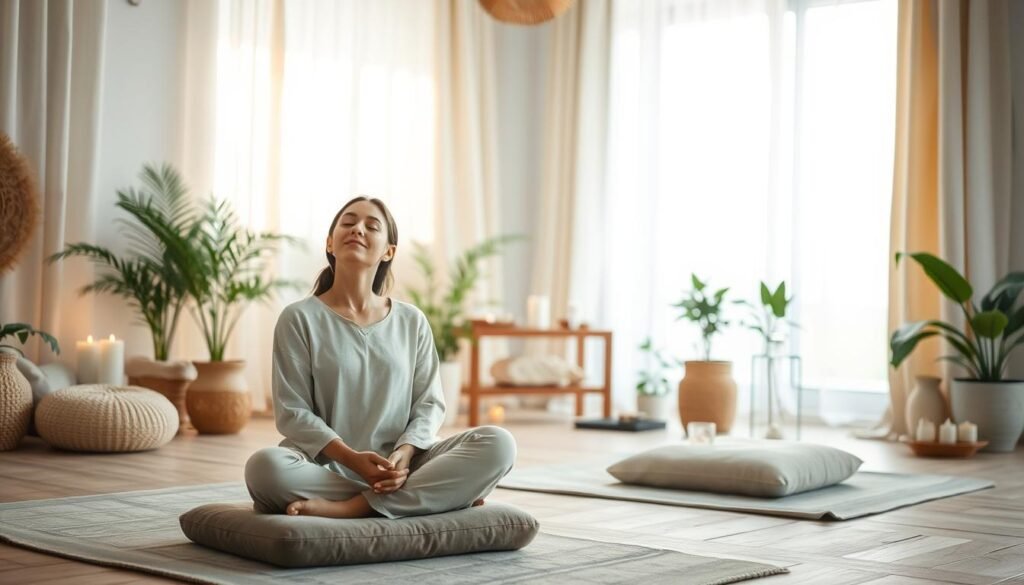
Preparing your mind is a crucial step in making the most of your upcoming journey. Setting a modest intention, like learning a technique or simply resting from constant stimulation, can ease your experience. Remember, you don’t need to demand a dramatic transformation right away.
Interestingly, the second day often feels tougher than the first. The novelty fades, and unresolved thoughts may surface. This is a normal part of the process, so don’t be alarmed if you feel restless.
Before you arrive, practicing short daily sessions at home can help. Familiarizing yourself with posture and breathing techniques will make your transition smoother. Additionally, prepare for physical sensations by exploring comfortable postures and mindful movements.
It’s also important to communicate openly with the staff about any discomfort you may feel. Emotional material might arise, and knowing that teachers or counselors are available can provide reassurance.
Lastly, reviewing the teacher’s approach and the schedule before departure is beneficial, especially for intensive formats. This preparation can help you feel grounded and ready for your experience.
Practical Tips for Packing and Travel
Packing wisely can enhance your experience at a retreat. Preparing your bag with care can help you feel more comfortable and ready to engage. Here’s a handy checklist to consider:
What to Pack for a Retreat
- Clothing: Bring loose layers and comfortable clothing suitable for various activities.
- Shoes: Walking shoes are essential for exploring the surroundings.
- Essentials: Don’t forget toiletries, prescribed medication, and a refillable water bottle.
- Outdoor Gear: Include weather-appropriate items like a flashlight and rain jacket.
Many silent programs may limit technology, so check the center’s policy on phones and laptops. This ensures you pack accordingly.
Transportation and Accessibility Considerations
When planning your trip, confirm airport transfers and shuttle times from major Texas airports like Austin, Dallas, Houston, or San Antonio. It’s wise to verify rental car requirements and driving directions as well.
If you have specific needs—such as dietary restrictions or mobility concerns—reach out to the center ahead of time. This will help ensure your stay is comfortable and enjoyable.
Lastly, aim to arrive early. This gives you time to settle in, complete registration, and familiarize yourself with the schedule before your first session.
Balancing Structure and Flexibility in Retreat Programs
Finding the right balance between structure and personal freedom can greatly enhance your experience. For beginners, choosing between weekend, five-day, and ten-day formats can be overwhelming. Programs like the Goenka courses offer a standardized 10-day silent format, which can be quite demanding.
However, if you’re new to this practice, a three-day or four-day program is often recommended. This shorter commitment allows you to test how your body and mind respond to a residential experience. Here’s how to think about your options:
- Structured Courses: Goenka’s format provides clear schedules for wake-up, meals, and meditation, reducing decision fatigue.
- Flexible Programs: Wellness retreats often allow for more personal choice, making it easier to adapt to your needs.
- Mindful Scheduling: While fixed times are essential, rest periods and walking practices are built into the schedule, offering necessary breaks.
- Communication is Key: Don’t hesitate to ask if missed sessions or private rest periods are allowed.
By understanding how structure and flexibility work together, you can choose the program that best suits your personal growth journey.
Understanding the Role of Silence and Social Interaction
Embracing the quiet can reveal unexpected insights and connections. In many programs, silence, or “noble silence,” is a deliberate pause from ordinary conversation. This practice helps participants notice their thoughts, impulses, sounds, and physical sensations.
There are two main formats to consider: full silence and semi-silent formats. Full silence, like in Goenka courses, prohibits talking, eye contact, reading, and writing for ten days. This can lead to about ten hours of formal practice each day.
On the other hand, semi-silent formats allow conversation during meals or community periods. Silence can feel freeing, awkward, boring, emotional, or surprisingly restful, depending on the individual and the stage of the experience.
If you’re worried about feeling isolated, remember that 94% of guests reported making friends during their time. Before choosing a program, ask about restrictions on eye contact, reading, journaling, phones, music, and informal conversation.
| Format | Characteristics | Social Interaction |
|---|---|---|
| Full Silence | No talking, reading, or writing | Limited to non-verbal cues |
| Semi-Silent | Conversation allowed during meals | Encourages social interaction |
| Mixed | Combination of both | Varies by schedule |
Personalizing Your Meditation Experience
Tailoring your experience to your unique needs can significantly enhance your personal growth. Before choosing a program, consider what you truly seek. Do you want quiet meditation, yoga, grief support, or perhaps a broader personal-growth workshop?
Each center offers something different. For instance, the Esalen Institute boasts a stunning Big Sur setting, while Kripalu focuses on yoga-centered programming. The Omega Institute provides a variety of workshops, and 1440 Multiversity features a newer campus in Scotts Valley, California.
If your schedule is tight due to work or family, a shorter program may be ideal. Remember, a private room, accessible bathroom, or dietary accommodations can be more crucial than a famous teacher or scenic location.
Lastly, review the daily schedule, facilitator biographies, participant reviews, and cancellation policies. This ensures the program aligns with your personal needs and goals.
Integrating Mindfulness and Yoga Practices
Integrating various practices can elevate your experience during a wellness journey. Combining yoga with mindfulness can prepare your body for seated practice. Gentle yoga improves mobility and releases tension, offering a mindful alternative to remaining still.
For instance, the three-day Purpose & Passion Yoga Retreat in Navasota, Texas, listed from $595, showcases how shorter formats can blend these practices effectively. This approach allows participants to explore different aspects of wellness in a supportive setting.
Group Sessions as a Support Framework
Group sessions create a community where participants receive shared instruction. They help normalize common difficulties and provide opportunities to learn from others’ questions. This collective experience can enhance your journey.
Walking meditation, breathwork, and sound healing can complement seated practice without replacing teacher-led instruction. Before arrival, consider asking whether yoga classes are vigorous, restorative, or suitable for beginners.
After your retreat, try continuing one short meditation and one gentle yoga session at home. This can help make your experience practical and sustainable.

Financial Considerations and Pricing Options
Understanding the financial aspects of your experience is crucial for a smooth journey. Programs in Texas vary widely in cost. Weekend options can range from $195 to $600. For three- to five-day experiences, expect to pay between $550 and $1,500.
Some immersive plant medicine experiences may cost as much as $2,500 to $4,200. For example, a four-day Women’s Trauma Healing Retreat in Granbury is currently reduced from $2,395 to $2,095. Meanwhile, a three-day Mindfulness & River Retreat in Wimberley starts at $400.
When budgeting, consider all expenses, including:
- Tuition: The cost of the program itself.
- Transportation: Travel to and from the center.
- Lodging: If not included, check for additional costs.
- Meals: Are they provided or do you need to plan for them?
- Clothing: Bring suitable attire for activities.
- Airport Transfers: Verify if they are included.
- Gratuities: Consider tips for staff.
- Lost Work Income: Factor in any missed days at work.
Some centers, like those associated with Insight Meditation, offer donation-based models or scholarships. Always ask about payment plans, deposits, and cancellation policies before finalizing your commitment. This will ensure you are well-prepared and can fully enjoy your experience.
| Program Type | Cost Range | Included Services |
|---|---|---|
| Weekend | $195 – $600 | Varies by center |
| 3-5 Days | $550 – $1,500 | Meals and lodging may be included |
| Immersive | $2,500 – $4,200 | Varies; often includes all meals |
Building Community and Long-Term Support
Creating lasting connections during your journey can enhance your practice beyond the retreat. Many participants report that 94% made friends, and 89% would attend another event. This sense of community can provide you with encouragement and accountability when you return to your daily life.
Even in quiet or silent programs, meaningful social connections can develop. It’s essential to ask whether the center offers online meditation groups, alumni sessions, or local sitting groups. These resources can help you stay engaged with your practice.
Consider committing to a small home practice, like 10 minutes of meditation after breakfast. This manageable goal can keep you grounded without overwhelming you. For instance, the Holy Wisdom Monastery in Madison, Wisconsin, supports both individual and group retreats, promoting ongoing personal practice and community participation.
As you reconnect with supportive participants, allow those relationships to develop naturally. This approach can lead to deeper connections and shared growth beyond the retreat setting.
| Community Aspect | Benefits | Examples |
|---|---|---|
| Encouragement | Support in practice | Online groups |
| Accountability | Consistency in practice | Alumni sessions |
| Connection | Meaningful relationships | Local sitting groups |
Expert Advice and the Importance of Teacher Guidance
A skilled guide can provide invaluable insights and support throughout your practice. When evaluating potential instructors, consider their training and lineage. This information can give you a sense of their background and credibility.
Look for teachers with published works, retreat histories, and clear safeguarding policies. These factors indicate a commitment to student well-being. Respected lineages often provide accountability, while independent teachers should clearly communicate their training and boundaries.
For beginners, choosing programs that offer live instruction, question periods, and small-group check-ins is beneficial. This interaction fosters a supportive learning environment. For instance, the Insight Meditation Society was founded by Sharon Salzberg, Joseph Goldstein, and Jack Kornfield in 1975, showcasing a traceable teaching history.
Another example is Bhante Gunaratana, associated with the Bhavana Society, known for his book *Mindfulness in Plain English*. Such identifiable expertise can enhance your learning experience.
Be cautious of any program where a teacher discourages medical care, demands secrecy, or claims guaranteed results. Your safety and well-being should always come first.
| Evaluation Criteria | Importance | Examples |
|---|---|---|
| Training | Indicates knowledge | Formal education, workshops |
| Lineage | Provides accountability | Established traditions |
| Communication | Fosters connection | Open dialogue, feedback |
| Guidance | Supports growth | Individual check-ins |
| Boundaries | Ensures safety | Clear policies |
The Impact of Natural Environments on Your Practice
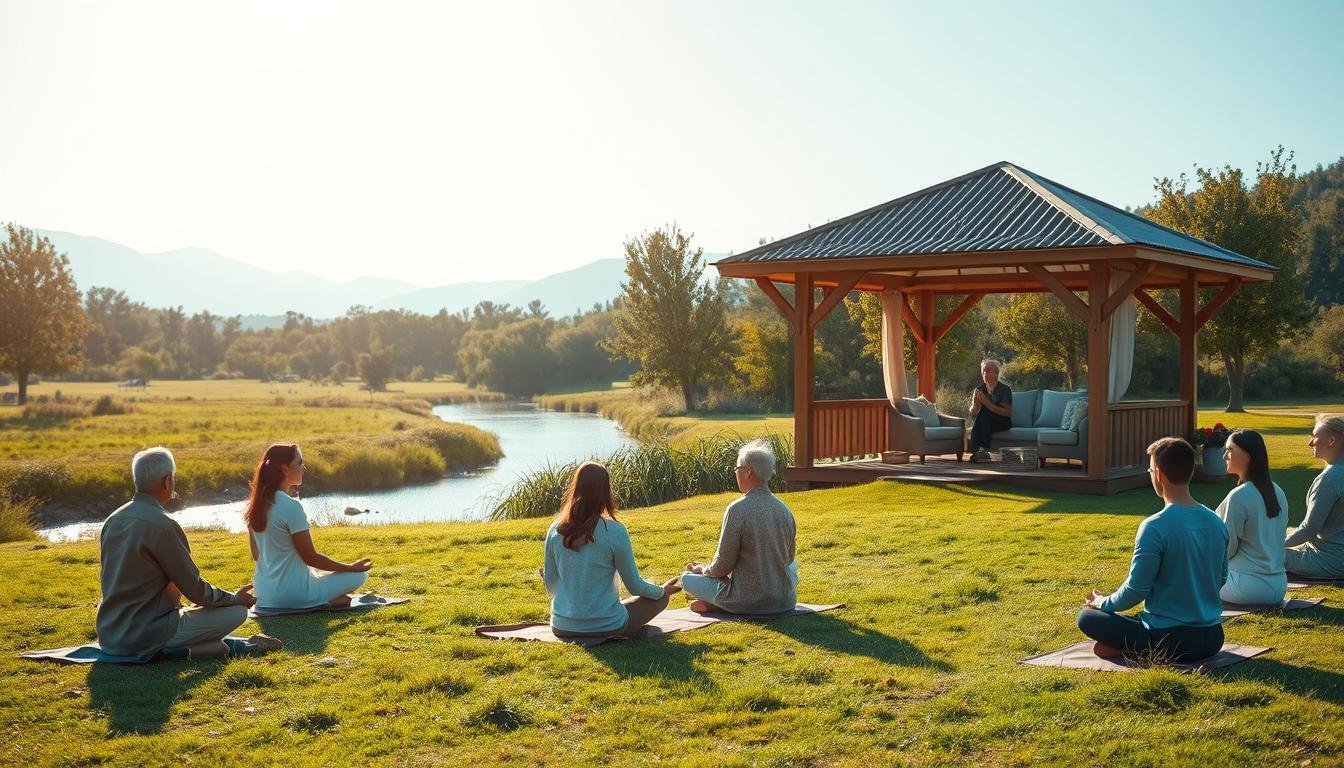
Natural surroundings can play a crucial role in enhancing your focus and relaxation. The right scenery can reduce visual noise and create a calming atmosphere, allowing you to engage more deeply with your practice.
For instance, Spirit Rock in California boasts 411 acres of oak-grass hills, offering a serene backdrop for self-discovery. In Texas, the diverse landscapes—from Hill Country live oaks to East Texas pine forests—provide unique settings that can enhance your experience.
The Wimberley Mindfulness & River Retreat integrates the soothing sounds of the river into its programs, treating the natural environment as part of the practice container. Similarly, the Camaldolese Hermitage in Big Sur offers stunning ocean views that can inspire reflection.
However, it’s important to remember that while beautiful surroundings can support your practice, they cannot replace qualified instruction or personal fit. Before choosing an outdoor-focused retreat, check for weather conditions, accessibility, and safety measures.
To maintain the connection between your attention and environment, consider spending a few minutes walking or sitting outdoors at home. This simple practice can help you integrate the benefits of nature into your daily life.
Planning Your Retreat: Timeline and Actionable Steps
Creating a roadmap for your journey can make all the difference in your experience. Start by defining your goals and preferences. Consider your budget, the tradition you wish to explore, and how much silence you can handle. It’s best to start this process six to eight weeks before your departure.
Next, four to six weeks ahead of time, compare different centers. Look into teachers, schedules, reviews, accommodations, meals, and transportation options. Ensure the center welcomes beginners, especially if this is your first experience.
As you get closer to your departure, two to three weeks out, confirm all details. This includes payment deadlines, dietary arrangements, and technology rules. It’s essential to know about emergency contacts and airport transfers as well.
One week before your journey, start reducing unnecessary commitments. Practice sitting briefly each day to ease into the experience. Pack comfortable clothing without overloading your luggage.
For a first-time experience, consider a four-day and five-night stay or a structured weekend before attempting a longer course. After returning home, reserve time for a quiet transition. Write down your observations and choose one sustainable practice to continue.
| Timeline | Actionable Steps |
|---|---|
| 6-8 Weeks | Define goals, budget, tradition, and length of stay. |
| 4-6 Weeks | Compare centers, teachers, and accommodations. |
| 2-3 Weeks | Confirm payment, dietary needs, and tech rules. |
| 1 Week | Reduce commitments, practice daily, and pack wisely. |
Conclusion
Embarking on a journey into tranquility can open doors to profound insights. The best experience is one that aligns with your unique needs—tradition, schedule, silence level, and budget all play vital roles.
As a beginner, consider starting with a structured weekend or a four-day program. This approach can ease you into the experience without overwhelming expectations.
Thoughtful preparation is key. Review schedules, confirm travel details, and pack for comfort. Remember, silence, group practice, and nature can support your journey, but your personal judgment remains essential.
Lastly, carry the essence of your experience home. Establish one realistic habit, connect with a supportive community, and embrace the ordinary pace of life with patience.
FAQ
What can I expect during my first meditation retreat?
You can expect a mix of structured activities and personal reflection time. Most retreats include guided sessions, silence periods, and opportunities for yoga or other practices. It’s a chance to step away from daily distractions and focus on your inner self.
How long do meditation retreats typically last?
Retreats can vary in length, with options ranging from a single day to several weeks. Weekend retreats are popular for beginners, while longer stays allow for deeper exploration of your practice.
What should I bring to a meditation retreat?
Essentials include comfortable clothing, a journal, personal toiletries, and any necessary medications. Some retreats may provide meals, but it’s wise to check in advance if you need to bring snacks or specific dietary items.
Are there meditation retreats suitable for beginners?
Yes, many centers offer programs specifically designed for beginners. These retreats often provide guidance and support to help you ease into the practice.
Can I participate in a retreat if I have dietary restrictions?
Most retreat centers are accommodating and can cater to various dietary needs. It’s best to inform them in advance about any restrictions to ensure you have suitable meal options.
How do I choose the right retreat center for my needs?
Consider factors such as location, program offerings, and the style of meditation taught. Researching reviews and testimonials can also help you find a center that aligns with your personal goals.
What role does silence play in meditation retreats?
Silence is often a key component, allowing participants to deepen their practice and self-reflection. Some retreats may have silent periods, while others might offer a mix of silence and group interaction.
Is it common to feel nervous before attending a retreat?
Yes, it’s completely normal to feel nervous or apprehensive before your first retreat. Remember, many others share the same feelings, and the supportive environment can help ease your transition.
How can I maintain the benefits of the retreat once I return home?
Consider establishing a daily practice that incorporates what you learned during the retreat. Joining a local meditation group or connecting with fellow participants can also provide ongoing support.