Candle Meditation: How to Practice Trataka for Focus and Calm
Have you ever walked into a room and forgotten why you were there? Or left your phone behind, lost in thought? These moments reflect our scattered attention. According to the Esalen Journal, a simple technique called trataka can help. This practice involves focusing on a small flame, allowing you to gently return your attention to the present moment.
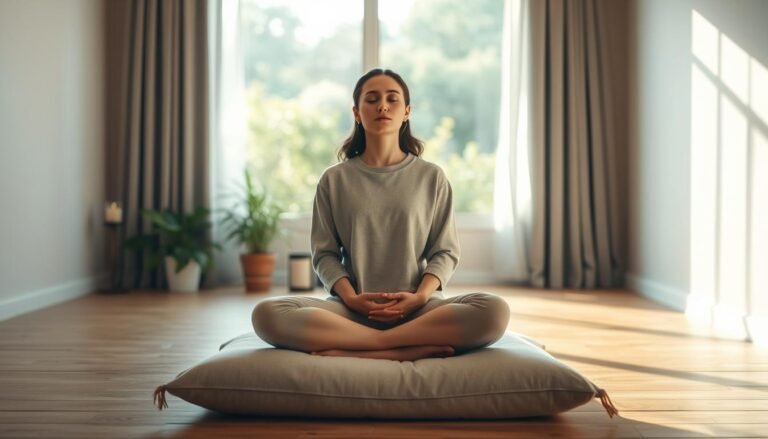
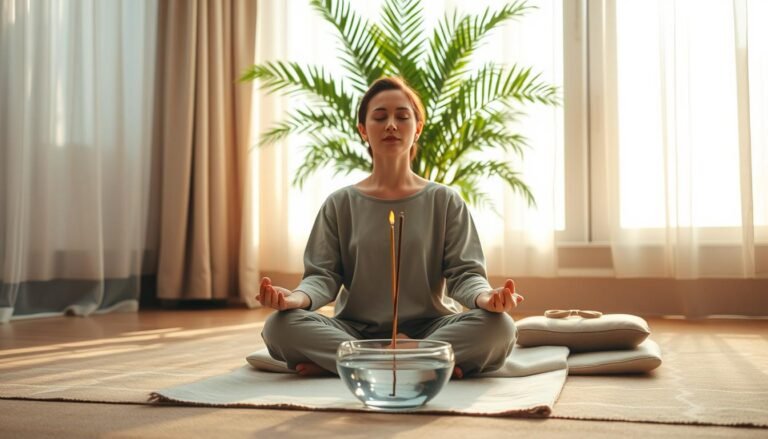
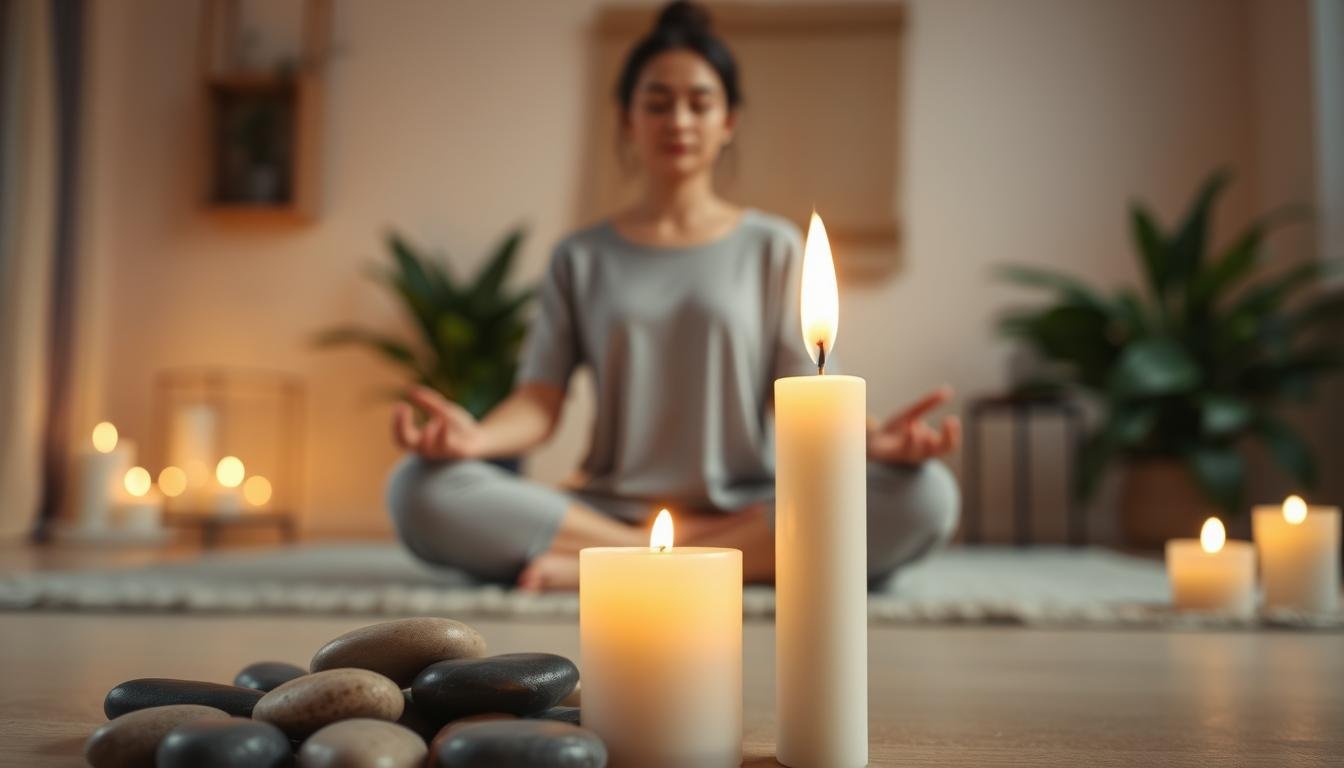
To begin, prepare a dim room and sit comfortably. Position your flame safely in front of you. As you breathe naturally, let your gaze rest on the flickering light. The goal isn’t to force concentration but to notice when your thoughts wander and return your focus to the flame.
Research from 2014 to 2021 suggests that this practice may enhance focus, promote relaxation, and improve sleep. However, it’s essential to be mindful of safety, especially if you have certain eye conditions or mental health concerns.
Understanding Candle Meditation and Trataka
Trataka is a powerful yogic practice that means “to look” or “to gaze” in Sanskrit. This technique encourages you to focus on a single point, helping to enhance your concentration. According to the Esalen Journal, it serves as a tool to sharpen your focus and promote calmness.
The Hatha Yoga Pradipika, a 15th-century Sanskrit manual, provides detailed instructions on how to engage in this practice. It advises practitioners to gaze steadily at a small mark until their eyes begin to fill with tears. However, it’s important to remember that this should never feel forced or painful.
Additionally, the Gheranda Samhita also describes similar practices, showing that candle gazing is part of a rich historical tradition in yoga. Trataka connects to dharana, the concentration limb of yoga, making meditation more accessible by focusing on a single visual object.
While traditional interpretations often link trataka to intuition and the third eye, it’s essential to distinguish these from benefits that require more scientific validation.
The Science and Benefits of Candle Meditation
Have you noticed how difficult it can be to stay present in the moment? The practice of trataka offers a way to enhance your focus and cognitive abilities. A 2021 narrative review analyzed 37 studies and suggested that this technique may support cognition. However, it’s essential to note that these findings do not guarantee results for everyone.
In a 2021 study with 41 volunteers, researchers explored how visual concentration impacted working memory and spatial attention. The results indicated improvements in these areas, highlighting the potential of trataka for enhancing mental performance.
Moreover, a 2016 study examined selective attention and cognitive flexibility, skills vital for managing distractions. If you’re looking for a way to reduce anxiety, a 2020 study involving adolescents hinted at possible benefits, though it’s important to remember that this practice is not a substitute for professional help.
Sleep quality may also improve; a 2020 study found that participants who practiced trataka for 45 minutes daily over ten days experienced better sleep. However, findings on eye health are mixed. A 2014 study showed no significant improvement in visual acuity, while other studies have suggested benefits for specific conditions like glaucoma.
Practical Preparations for Your Meditation Space
Creating the right atmosphere is essential for a successful practice. Your environment can significantly impact your ability to concentrate and relax. Start by selecting a dimly lit, quiet room. This setting helps reduce visual strain, as suggested by the Esalen Journal.
Next, place your flame at eye level or slightly below. Nisha Saini emphasizes that this positioning prevents unnecessary neck and eye strain. Additionally, keep the candle at least 50 centimeters away, as recommended by Christopher Lloyd Clarke, to avoid excessive brightness.
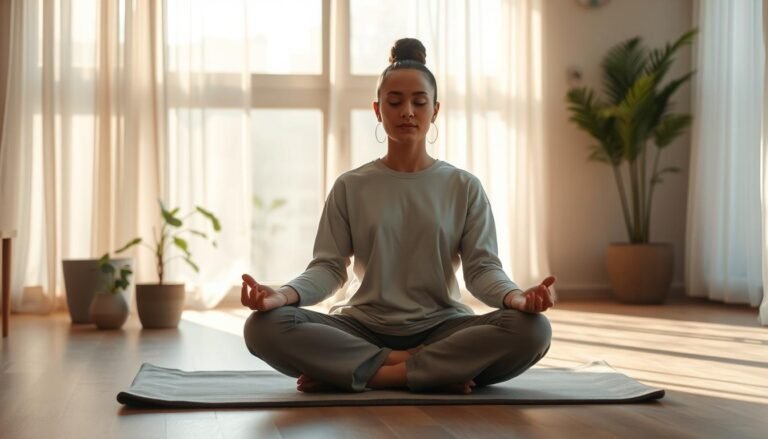
Choose a stable chair or floor cushion that supports an upright posture. This will help you maintain comfort without forcing your spine or shoulders into rigidity. Before you begin, remove phones and clutter from your space to minimize distractions. A clean area promotes a focused mind.
Finally, ensure the temperature is comfortable. Avoid using a recliner or swivel chair, as these can make it difficult to maintain a steady posture.
Expert Candle Meditation Techniques: Effective Trataka Practices
Do you often find your mind wandering during tasks? Practicing trataka can help you develop a stronger focus. Start by setting a timer for just one minute, as suggested by Pierre Couvillion. This gentle approach allows you to gradually increase your practice time without feeling overwhelmed.
When you sit down, keep your head balanced and your gaze soft. Let the flame remain central in your vision without straining your eyes. Christopher Lloyd Clarke recommends visualizing the light moving inward and outward with your breath. This technique can enhance your connection to the flame.
It’s normal to blink or experience watering eyes. Open-eye techniques can be challenging, especially for beginners. If thoughts or distractions arise, acknowledge them briefly and return your focus to the flame without self-criticism.
Here are some tips to enhance your practice:
- Gradually increase your practice time from one minute to three or five minutes.
- Allow yourself to blink when needed; this is part of the process.
- Rest your eyes if they feel strained or dry.
- Practice patience; effective trataka develops through consistent repetition.
| Technique | Duration | Key Focus |
|---|---|---|
| Initial Practice | 1 minute | Gentle gaze |
| Gradual Increase | 3-5 minutes | Visualization |
| Eye Care | As needed | Resting |
Step-by-Step Guide to Trataka Meditation
Many seek a way to anchor their thoughts and cultivate inner peace. This step-by-step guide will help you navigate the practice of trataka effectively. Start by preparing your environment and setting a clear intention.
Preparing Your Environment and Setting an Intention
Begin by finding a quiet, comfortable space. Settle into a position that feels natural. Allow your gaze to rest gently on the flame. Choose an intention that resonates with you—perhaps grounding, compassion, or gratitude.
Following a Guided Candle Meditation Script
Take several steady breaths. Focus on the flame, letting it occupy your awareness. If your eyes feel tired, close them briefly and visualize the inner image of the flame.
After gazing, cup your hands over your closed eyes. Offer gratitude for the practice, gently massaging the area around your eyes without pressing on them. Only blow out the flame once you feel fully settled and ensure safety.
Incorporating Aromatherapy and Natural Elements
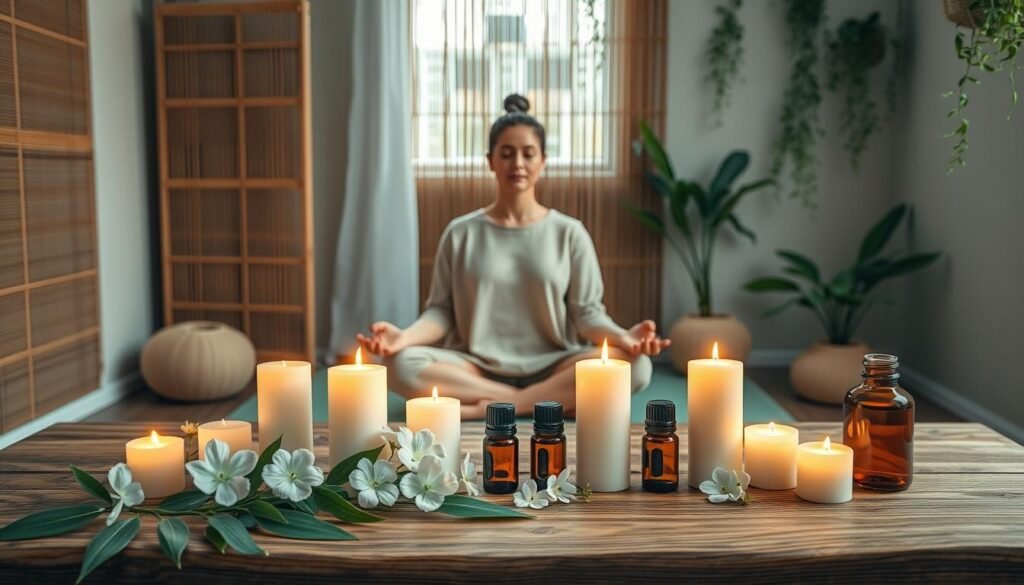
What if you could elevate your practice with the right aromas and natural elements? Incorporating scents like lavender, sandalwood, or rose can provide calming sensory cues. However, if you’re sensitive to fragrances, consider using unscented options instead.
To enhance your space, place a few branches, leaves, or stones nearby. A small bowl of water can also create a soothing atmosphere. Just be sure not to crowd the candle’s safe perimeter.
Additionally, using a journal, a meaningful photograph, or an inspirational book can connect your session to a specific intention. For those interested in unique options, check out Esalen’s Goddess Moon Goods candles from Big Sur, California, which feature pressed petals or herbs along with a stone or crystal.
Remember, the goal is to support your presence without adding distractions. Before adding essential oils or scented elements, check for any fragrance sensitivities and ensure proper ventilation.
The Ayurvedic Perspective: Doshas and the Fire Element
Imagine a system that connects the elements of nature to your well-being. Ayurveda, a traditional Indian health system, organizes experiences through five elements: space, air, fire, water, and earth. Each element plays a role in how we feel and function.
In Ayurveda, the three doshas—Vata, Pitta, and Kapha—represent different combinations of these elements. Vata combines space and air, governing movement. Pitta, a mix of fire and water, oversees transformation. Lastly, Kapha combines water and earth, supporting structure and lubrication.
Pierre Couvillion emphasizes that fire relates to focus, cognition, discernment, and tejas, the vital spark associated with clarity. Candle gazing is often seen as a way to symbolically invoke fire, helping practitioners seek steadiness and mental clarity.
Moreover, trataka is traditionally linked to the Ajna, or third eye, chakra, which is associated with intuition and perception. It’s important to remember that these interpretations are spiritual frameworks, not substitutes for medical care. Use Ayurveda as a reflective tool while choosing practices that resonate with you and align with evidence-based guidance.
Integrating Candle Meditation into Your Daily Routine
What if you could easily incorporate a practice that promotes mindfulness into your mornings or evenings? Starting with just a minute can make a difference. Pierre Couvillion suggests attaching your practice to an existing morning habit, like drinking water or stretching.
As you become comfortable, gradually increase your sessions to three or five minutes. This way, you ensure the routine remains enjoyable and free from eye strain. If relaxation is your goal, consider an evening practice to support better sleep.
To make the habit stick, use the same candle, chair, and location each time. This consistency reduces decisions and helps you remember your practice. Keep track of simple details like duration and how you feel afterward, rather than judging each session as a success or failure.
While a 2020 insomnia study suggested 45 minutes of daily practice for ten days, remember that beginners can start much smaller.
Safety Considerations and Best Practices
Engaging in trataka requires mindfulness about safety. It’s essential to create a secure environment to enhance your practice while minimizing risks. Always ensure that your space is free from distractions and hazards.
Never leave a lit flame unattended. Keep it away from children, pets, and flammable materials like curtains or books. As Couvillion advises, stability is key—use a sturdy surface to prevent accidents.
If you have specific health concerns, consult a healthcare professional before starting. This is especially important if you have conditions like glaucoma, myopia, or a serious eye disorder. Trataka is also not recommended for those prone to seizures or experiencing psychosis.
Pay attention to your body during practice. If you feel pain, persistent visual changes, or dizziness, stop immediately. While some studies have explored the benefits of this practice, they do not endorse it as a treatment for eye diseases.
| Safety Tips | Considerations | Actions |
|---|---|---|
| Unattended Flame | Never leave it alone | Keep away from children and pets |
| Health Conditions | Consult a professional | Before starting if you have eye disorders |
| Body Signals | Listen to your body | Stop if you experience discomfort |
Harnessing Candle Meditation for Mental Health and Stress Relief
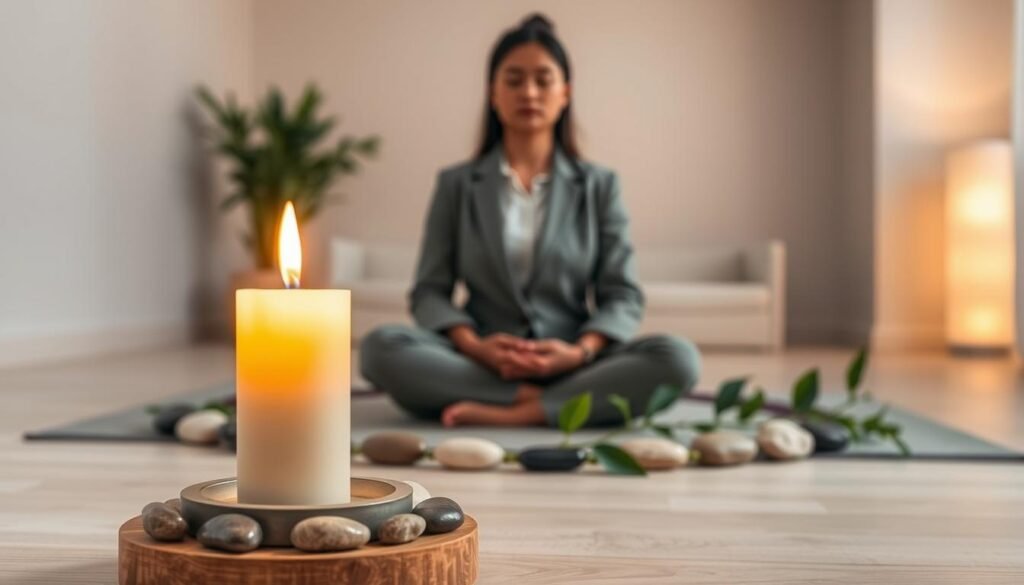
Finding calm in the chaos of life is a challenge many face. The practice of trataka may offer a way to alleviate stress and enhance mental well-being. According to the Esalen Journal, this technique can help reduce mental stress and anxiety, creating a moment of peace amidst the noise.
Nisha Saini highlights that focusing on a single flame gives the eyes and mind a simple task. This focus can create a temporary break from competing demands. A 2020 study involving adolescents suggested that trataka might help manage anxiety, though it’s important to remember that one study cannot establish universal results.
Another study evaluated 29 participants with insomnia who practiced trataka for 45 minutes daily over ten days. While the results were encouraging, further research is needed to fully understand its impact on sleep quality.
To integrate this practice into your evening routine, consider dim lighting, slow breathing, and a consistent bedtime. Remember, trataka is not a cure but a supportive tool. If you experience persistent anxiety or sleep issues, consult a qualified mental health professional.
Conclusion
What if a simple practice could enhance your awareness and tranquility? Trataka offers an accessible way to cultivate focus and calmness in your daily life. Begin by setting up a safe, dim environment with a stable flame positioned at least 50 centimeters away. Start with manageable sessions of one minute, allowing your eyes to blink and your thoughts to wander without self-criticism.
Research suggests potential benefits for cognitive function, anxiety relief, and improved sleep, though findings on eye health are varied. Always prioritize safety; if discomfort arises, pause your practice and consult a professional if you have any eye conditions or health concerns.
FAQs:
- How long should beginners practice? Start with 1-5 minutes, gradually increasing as you feel comfortable.
- Is candle gazing safe? It is generally safe for healthy adults, but consult with a healthcare provider if you have specific eye issues.
- What sensations might I experience? Watering eyes or brief blinking are normal; stop if you feel pain or persistent changes in vision.
- What benefits can I expect? Some may find support for calmness, attention, and sleep, but it should complement medical care.
- What are the spiritual associations? This practice is linked to fire and the Ajna chakra, though these interpretations are not medically validated.
FAQ
What is candle meditation?
Candle meditation is a practice that involves focusing on the flame of a candle to enhance concentration and calm the mind. It is often used to promote mindfulness and relaxation.
How does trataka differ from regular meditation?
Trataka, or candle gazing, specifically focuses on maintaining a steady gaze on a candle flame, which helps improve focus and clarity. Regular meditation may involve various techniques, including breath awareness or visualization.
How long should I practice candle meditation?
Beginners can start with short sessions of about 5 to 10 minutes. As you become more comfortable, you can gradually increase the duration to 15-20 minutes or longer.
Can candle meditation help with anxiety?
Yes, candle meditation can be an effective tool for managing anxiety. The focused attention on the flame can help calm racing thoughts and promote a sense of peace.
What should I do if I get distracted during the practice?
If distractions arise, gently bring your focus back to the candle flame. It’s normal for thoughts to wander; the key is to acknowledge them and return your attention to the practice.
Is there a specific way to position myself for candle meditation?
Sit comfortably in a chair or on the floor with your back straight. Position the candle at eye level about 2-3 feet away, allowing for a relaxed gaze without straining your eyes.
Can I use scented candles during meditation?
While scented candles can enhance the sensory experience, it’s best to use unscented candles to avoid distractions. However, if you prefer scents, choose ones that promote relaxation.
How can I incorporate candle meditation into my daily routine?
You can set aside a few minutes each day, perhaps in the morning or before bed, to practice candle meditation. Consistency will help deepen your focus and overall benefits.
Are there any safety precautions I should take?
Yes, ensure the candle is placed on a stable surface away from flammable materials. Never leave a burning candle unattended, and extinguish it safely after your session.
What are the benefits of practicing candle meditation regularly?
Regular practice can improve concentration, reduce stress, enhance mental clarity, and promote emotional well-being. It can also help develop a deeper sense of mindfulness.