How to Do Meditation: A Simple Step-by-Step Guide for Beginners
Meditation offers a practical way to pause, breathe, and reset. It is not a mystical activity that requires special beliefs or equipment. Instead, it serves as a simple tool to enhance your daily life.
This guide presents a straightforward breath-based process that fits seamlessly into an ordinary day. You will discover the many benefits, such as calmer responses, reduced stress, and a greater sense of mindfulness. You will also feel more grounded in the present moment.
For those who prefer visual learning, Dr. Becky Spelman’s beginner video is an excellent introduction. It demonstrates the process clearly, making it easier for you to practice on your own.
A typical session lasts around 20 minutes, but beginners can start with shorter periods. Remember, you don’t need an empty mind or perfect posture to benefit from this practice. Approach it with curiosity and kindness, especially if your thoughts wander.
Key Takeaways
- Meditation is a practical tool for breathing and resetting.
- This guide offers a simple, breath-based approach.
- Benefits include reduced stress and enhanced mindfulness.
- Dr. Becky Spelman’s video is a helpful resource for beginners.
- Start with shorter sessions and gradually increase the time.
- There’s no need for an empty mind or perfect posture.
- Approach the practice with curiosity and kindness.
Understanding Meditation: Benefits and Mindfulness
Finding stillness in your day can lead to profound insights. Mindfulness meditation is a way to train your mind to notice the present moment. This practice often focuses on the breath, allowing you to observe thoughts and sensations without judgment.
Many people report various benefits, including:
- Lower stress levels
- Improved focus and attention
- Enhanced emotional health
- Increased self-awareness
- Better sleep quality
- Greater resilience to daily challenges
Research supports these claims. A 2017 review by Pascoe et al. linked mindfulness with lower physiological stress markers. Similarly, Rogerson et al. in 2024 explored stress-management techniques and their effects on cortisol levels.
Additionally, meditation can help release physical tension in the body. This release creates space to notice worries and respond thoughtfully. While it may not cure insomnia, relaxation techniques can ease the transition to sleep.
Remember, even experienced practitioners like Sharon Salzberg found their minds wandering after just one breath. Distraction is part of the learning process, not a sign of failure.
How to Do Meditation: Getting Started
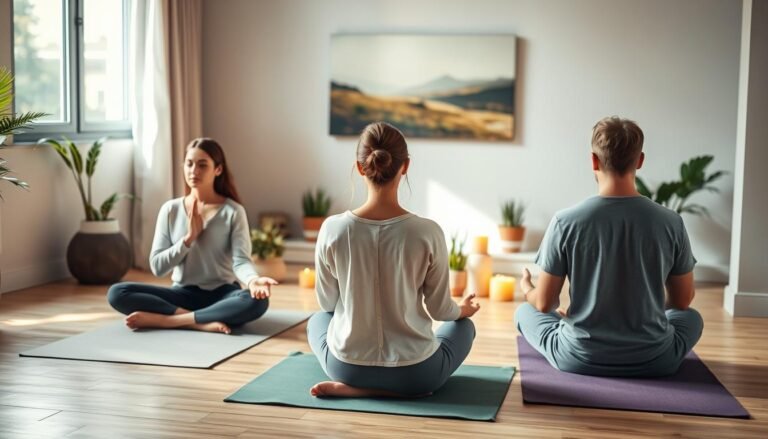
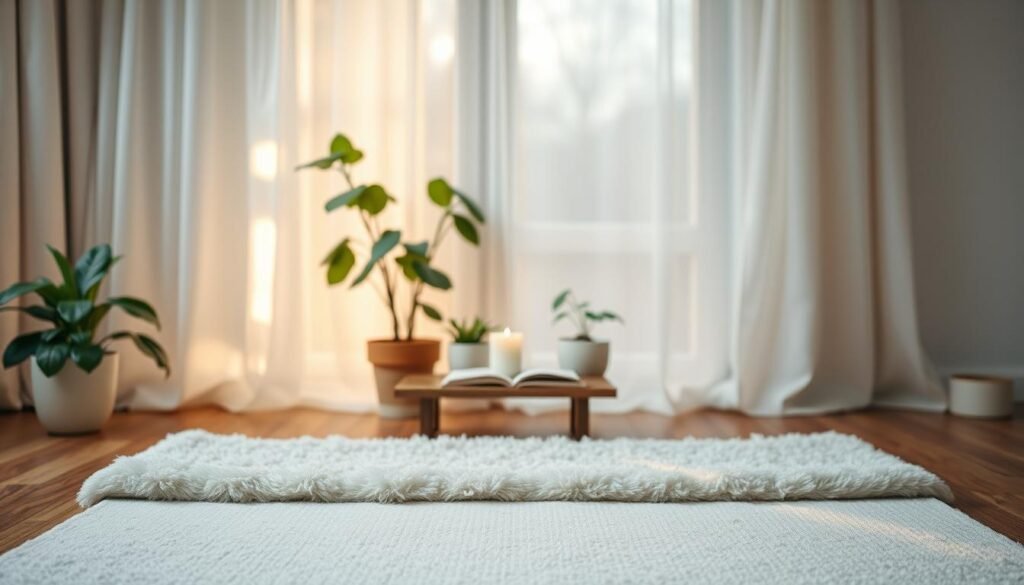
Starting your journey into mindfulness can be both simple and rewarding. First, find a quiet and comfortable space where you can sit or lie down without interruptions. This area should feel warm and inviting, allowing you to relax fully.
You don’t need fancy equipment; a yoga mat, folded towel, or even a chair can support your body. If you’re sitting, keep your feet flat on the floor and your legs uncrossed. Rest your hands on your lap or thighs, maintaining an upright spine without forcing stiffness.
For beginners, it’s wise to start with 5-10 minutes. As you grow more comfortable, you can gradually extend your practice time. Remember, normal breathing is all you need; don’t worry about manipulating your breath unless guided by a teacher.
If sitting isn’t comfortable, lying down with a thin pillow under your head and bent knees is a great alternative. The goal is to feel safe and relaxed while you engage your mind.
Setting Up Your Daily Meditation Routine
Incorporating mindfulness into your daily life can transform your routine. Finding the right time for your practice is essential. You might attach meditation to an existing habit, like brushing your teeth or enjoying your morning coffee. This way, it becomes a natural part of your day.
Consider starting your practice in the morning. It can set a calm tone for the day ahead. Alternatively, an evening session may help you unwind and release tension before sleep. Amishi Jha’s research suggests that just 12 minutes of meditation, five days a week, can significantly strengthen your attention.
Visible cues can remind you to practice. For instance, placing a yoga mat in the middle of the floor ensures you won’t overlook it. Refresh sticky notes and reminders regularly, as familiar cues may lose their impact over time.
Try using “If this, then that” intentions. For example, “If my office door closes, then I will take a deep breath.” This approach helps you interrupt automatic habits with mindful moments. Remember, missing a day is normal. The goal is to resume your practice at the next opportunity.
Step-by-Step Techniques for Beginners
Engaging with your breath can create a foundation for mindfulness. This simple practice can help you cultivate awareness and focus. Start by sitting comfortably and noticing your body. Allow yourself to relax and settle into the moment.
Next, follow your breath. Inhale naturally and exhale fully. For a beginner session, aim for about 5-10 minutes. You can even start with a two-minute experiment to see how it feels.
As you breathe, you might notice your mind wandering. This is completely normal! When you recognize distraction, gently return your attention to your breath. A helpful technique is to silently label your inhalation as “breathe in” and your exhalation as “breathe out.”
Remember, the goal isn’t to eliminate thoughts but to acknowledge them without judgment. Sharon Salzberg shared that her mind wandered after just one breath during her first experience. So, don’t be discouraged!
When you’re ready to close your session, stop the mental labels. Remain seated for a couple of minutes, gently open your eyes, and take a moment to notice your body. This process helps you transition back into your day.
| Step | Action | Duration |
|---|---|---|
| 1 | Sit comfortably | 1 minute |
| 2 | Notice your body | 1 minute |
| 3 | Follow your breath | 2 minutes |
| 4 | Recognize distractions | Throughout |
| 5 | Return attention to breath | As needed |
| 6 | Close gently | 2 minutes |
Guided Meditation Practices and Resources
Using guided resources can simplify your journey into mindfulness. These practices provide spoken instructions that help you stay focused and grounded. When your attention drifts, a guide can gently bring you back.
Start with Dr. Becky Spelman’s guided awareness-of-breath audio. This session encourages you to notice your breathing without forcing its pace. It’s a wonderful way to cultivate awareness and calm.
The guided body-scan audio is another excellent option. It helps you identify tension and anxiety through physical sensations. Instead of reacting immediately, you learn to observe how your body feels.
If you prefer app-led routines, consider Mindfulness.com or Headspace. Both offer beginner-friendly guided practices and reminders to keep you on track. Repeating a useful guide can be more beneficial than switching between many meditations.
Audio-only practices are perfect for home, while video demonstrations clarify posture and timing. Embrace these resources as part of your meditation practice.
Exploring Advanced Techniques and Variations
Meditation can take many forms, allowing you to find the practice that resonates with you. One engaging variation is mindful walking, which is perfect for those who may feel uncomfortable sitting still. This practice invites you to walk at a natural pace, placing your hands comfortably by your sides. Focus on the lifting and falling of each foot as you move.
As you walk, try counting your steps from one to ten. Once you reach ten, restart the count or turn around if your path ends. Stay aware of your leg movements, the shifting of your weight, and the sounds around you. This method helps you maintain mindfulness even while in motion.
Another powerful technique is the body scan meditation. This practice involves gradually shifting your attention from your toes to the crown of your head. Observe each sensation without judgment or the need to fix anything. If you find yourself drifting off to sleep, simply take a deep breath or reposition yourself to regain focus.

Tips for Overcoming Common Meditation Challenges
Facing distractions and intrusive thoughts is a common experience in meditation. It’s essential to remember that these thoughts are just mental events, not commands. When they arise, acknowledge them gently and return your focus to your chosen anchor, like your breath.
Managing Intrusive Thoughts with Kindness
When self-criticism surfaces, try using loving-kindness phrases. Simple affirmations like “May I live in safety” or “May I live with ease” can be comforting. This practice encourages compassion towards yourself, helping to reduce stress and promote a positive mindset.
Handling Distractions and Staying Focused
Distractions are a natural part of the process. If you notice an itch, observe it mentally for a moment before deciding to scratch. This can help you remain aware of your body without immediately reacting. Remember, your breath should stay natural; there’s no need to control its rhythm.
Eyes can be softly closed or gently open with a downward gaze, depending on what feels most comfortable. If your mind wanders, simply label it as “thinking” or “planning,” then return your attention. Staying focused is about practicing the return, not maintaining perfect concentration throughout.
Incorporating Meditation into Your Daily Life
Bringing mindfulness into your everyday life can create a more fulfilling experience. It’s about finding small moments to pause and reconnect with yourself. Even during busy days, there are ways to practice mindfulness effectively.
Start by adding brief mindful pauses at work. For instance, take a deep breath before opening your email or answering a ringing phone. These small actions can interrupt your autopilot mode. Remember, researchers estimate that 95% of our behavior runs on autopilot.
Mindfulness can also be practiced during ordinary activities. While washing dishes or walking between rooms, focus on your breath and the sensations in your body. Notice the sounds around you, and allow yourself to return to the present moment.
Place reminders at home and work to encourage these practices. Change their wording or location periodically to keep them noticeable. Short meditations woven into your daily routine can be more effective than longer sessions requiring ideal conditions.
Conclusion
Finding peace in your daily life can lead to lasting benefits. Remember, meditation begins by sitting comfortably, noticing your breath, and allowing thoughts to come and go. It’s about returning your attention gently, rather than seeking perfection.
A five-minute session can be a meaningful starting point. Amishi Jha’s research suggests that 12 minutes of practice, five days a week, can enhance your focus and attention.
Regular practice may support stress management, emotional health, and body awareness. However, results can vary for everyone. Choose one time of day, one comfortable place, and one simple technique to try for the next seven days.
If practicing independently feels challenging, consider using or another trusted audio guide. Each return to your breath is a step towards a kinder relationship with your mind and the present moment.
FAQ
What are the main benefits of meditation?
Meditation offers numerous benefits, including reduced stress, improved focus, enhanced emotional well-being, and better sleep quality. Regular practice can lead to a greater sense of mindfulness and overall health.
How long should I meditate each day?
For beginners, starting with just 5 to 10 minutes daily can be effective. As you become more comfortable, you can gradually increase the duration to 20 minutes or more, depending on your schedule and preferences.
What if my mind keeps wandering during meditation?
It’s normal for your mind to wander. When it happens, gently bring your focus back to your breath or your chosen point of focus without judgment. This is part of the practice and helps improve mindfulness over time.
Can I meditate while sitting in a chair?
Absolutely! You can meditate in a chair, as long as you maintain a comfortable and upright posture. Ensure your feet are flat on the ground and your back is straight to support relaxation and focus.
What are some effective techniques for beginners?
Beginners can benefit from focusing on their breath, practicing body scans, or using guided meditations. These techniques help cultivate mindfulness and ease into the practice.
How can I incorporate meditation into a busy lifestyle?
Look for small pockets of time throughout your day, such as during breaks at work or before bed. Consistency is key, so try to establish a routine that fits your schedule.
Are there any resources for guided meditation?
Yes! There are many apps and websites that offer guided meditations, such as Headspace, Calm, and Insight Timer. These resources can help you get started and stay motivated.
What should I do if I feel restless during meditation?
It’s common to feel restless, especially when starting out. If this happens, try adjusting your posture, taking a few deep breaths, or practicing a short movement, like stretching, before resuming your session.
How can I improve my meditation practice over time?
To enhance your practice, explore different techniques, stay patient with yourself, and gradually increase your meditation duration. Regular reflection on your experiences can also help you understand your progress.