Kriya Yoga Meditation: Understanding the Practice and Its Techniques
Kriya Yoga is an ancient system that combines techniques for breath control and inner awareness. This practice emphasizes personal experience over physical poses. The term “Kriya” translates to “action” or “technique,” highlighting its focus on practical application.
In 1920, Paramahansa Yogananda introduced this lineage to the West, making it accessible to many. The approach encourages spiritual growth through breath-based practices, fostering a sense of calm and self-understanding.
This article will explore the rich history, the significance of breathwork, and the energy dynamics involved. You’ll also find beginner routines, safety tips, and comparisons with other paths. Remember, Kriya Yoga is a gradual discipline, offering support rather than instant transformation.
Key Takeaways
- Kriya Yoga meditation combines breath regulation and inner awareness.
- The word “Kriya” signifies action, emphasizing personal experience.
- Paramahansa Yogananda brought this practice to the West in 1920.
- The system promotes gradual spiritual growth and self-understanding.
- Expect a journey rather than immediate results.
Introduction to Kriya Yoga Meditation
Rooted in tradition, this system focuses on the transformative power of breath and awareness. This practice is not just about physical postures; it prioritizes the breath as a vital tool for achieving clarity and emotional balance. Through breath control and focused awareness, you can observe your mind and cultivate steadier attention.
Why should you begin this journey? Many find that it helps with stress management, enhances focus, and fosters a deeper sense of peace. The teachings of Paramahansa Yogananda, particularly in his Autobiography of a Yogi, have sparked modern interest in this practice. His insights encourage a hands-on approach, allowing you to learn through experience rather than solely through theory.
Start with a modest routine, dedicating a few minutes each day to breathwork. As you grow more comfortable, you can explore deeper practices. Remember, the key is to seek qualified guidance before attempting advanced techniques. This ensures a safe and enriching experience as you navigate your path.
- Focus on your breath to enhance awareness.
- Observe your thoughts to develop clarity.
- Practice regularly to experience gradual transformation.
Origins and Key Principles of Kriya Yoga
The lineage of Kriya Yoga intertwines with significant historical figures who shaped its teachings. Mahavatar Babaji initiated Lahiri Mahasaya in the 19th century. Lahiri Mahasaya, an accountant and family man, broadened access to this practice by teaching it to householders.
Swami Sri Yukteswar further enriched these teachings by adding a structured and scientific perspective. His insights paved the way for Paramahansa Yogananda, who brought Kriya Yoga to the West in 1920. This transition made the practice more accessible to a wider audience.
At the heart of Kriya Yoga is breath control, a vital technique for influencing attention and promoting inner peace. Traditional teachings discuss concepts like nadis and chakras, which modern readers can view as part of a broader spiritual framework. The teachings are also linked to revered texts like the Bhagavad Gita and Yoga Sutras.
Remember, consistent practice is key to achieving spiritual growth. It’s not just about knowing the history; it’s about engaging with the techniques that lead to personal transformation.
Foundational Breathing Techniques and Energy Control
Harnessing the power of breath is essential for achieving balance and harmony in your practice. Several techniques can help you manage energy and enhance your overall experience. Let’s explore some essential methods for beginners.
Essential Pranayama Methods
Start with Ujjayi Pranayama, which creates a gentle ocean-like sound in your throat. Aim for 3-5 minutes as a beginner, gradually increasing to 10-15 minutes for advanced practice.
Kapalbhati involves rhythmic, forceful exhalations with passive inhalations. Begin with 30-50 strokes, and only advance to 100-200 strokes as you gain confidence.
Step-by-Step Techniques for Beginners
For Dog Breathing, start with 30 seconds and work up to 1-2 minutes as you progress. Rabbit Breathing is another quick technique, beginning with 20-30 seconds and advancing to 1 minute.
Consider practicing Mandukasana, holding for 10-15 seconds as a beginner, with gentle abdominal pressure. Lastly, the Pranic Energization Technique lasts 10-15 minutes, focusing on visualizing energy moving from your toes to your head.
Always seek guidance from a qualified teacher, especially when engaging in unfamiliar techniques. This ensures a safe and enriching experience as you explore the transformative potential of breath control.
Exploring the Physical and Mental Benefits of kriya yoga meditation
The practice of breath control offers numerous physical and mental benefits that enhance overall well-being. Research on breath-based techniques suggests they may lower cortisol levels, supporting better stress regulation. This can lead to a healthier nervous system and improved overall health.
Studies indicate that regular practice is linked to enhanced respiratory efficiency and lower blood pressure. These findings show how breathwork can reduce oxidative stress markers, contributing to vitality.
On the mental side, consistent practice can lead to improved attention and mental clarity. Many individuals report calmer thoughts and greater peace after engaging in structured breathing exercises. Research has also shown reductions in anxiety, stress, and depression, along with better sleep quality.
A randomized clinical trial involving physicians found that structured breathing meditation significantly reduced psychological distress and improved general wellness. It’s essential to remember that while these benefits are promising, individual responses can vary.
Step-by-Step Beginner Practices at Home
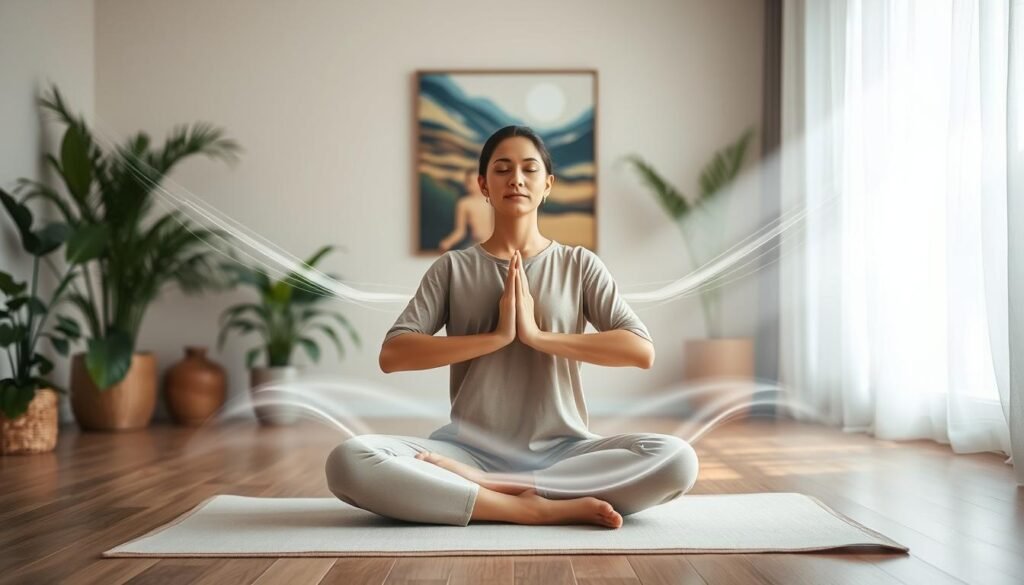
Creating a home routine allows you to engage deeply with your practice at your own pace. This can make a significant difference in your journey. Let’s explore how to build a personalized daily routine that fits your lifestyle.
Creating a Personalized Daily Routine
Start with a simple 20-minute routine. Here’s a breakdown:
- Posture Awareness: 2 minutes to settle your body and mind.
- Ujjayi Breath: 5 minutes focusing on the breath.
- Kapalbhati: 3 minutes to energize your system.
- Meditation: 10 minutes to cultivate inner peace.
As you progress, consider extending your routine to 45 minutes. This can include additional techniques like Dog Breathing and longer meditation sessions.
Integrating Mindfulness into Everyday Activities
Mindfulness can be practiced beyond your routine. Try being aware while:
- Eating your meals, savoring each bite.
- Washing dishes, focusing on the sensations of water and soap.
- Commuting, observing your surroundings with intention.
- Pausing for several slow breaths during a busy day.
Remember to practice around Brahma Muhurta, ideally between 4-6 a.m., or choose a consistent time that works for you. Always wait 2-3 hours after eating before starting your practice. Staying at each level for at least three months will help you build a solid foundation.
Safety Precautions and Expert Guidance in Practice
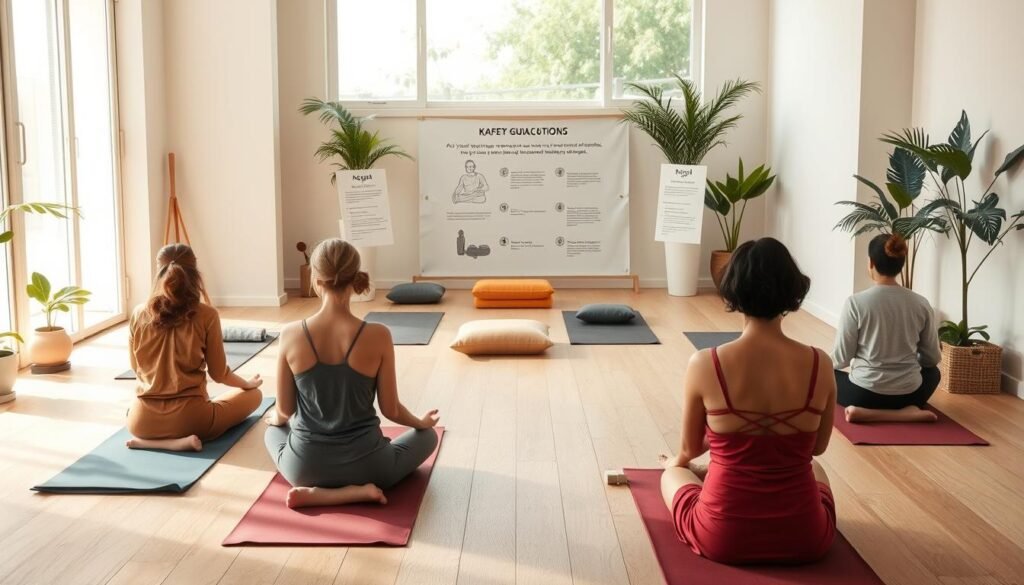
Before diving into breath techniques, it’s crucial to establish a safe and supportive environment. This will help you maximize the benefits of your practice. Here are some essential pre-practice guidelines:
Pre-Practice Guidelines and Setting Up Your Space
- Choose a quiet, clean, and well-ventilated space.
- Wear comfortable clothing that allows for easy movement.
- Maintain an upright spine, using a cushion or mat for stability.
- Practice on an empty stomach or wait at least 2-3 hours after eating.
When and Why to Seek Professional Advice
Consult a healthcare provider if you have high blood pressure, cardiovascular issues, or respiratory disorders before engaging in intensive techniques. Pregnant individuals should avoid certain practices like Kapalbhati unless guided by a certified prenatal specialist.
If you experience dizziness, emotional overwhelm, or unusual agitation, stop immediately and seek qualified support. Professional instruction can protect your nervous system and refine your techniques, helping you cultivate a quiet mind.
| Condition | Advice |
|---|---|
| High Blood Pressure | Consult a healthcare provider before practice. |
| Pregnancy | Avoid strong breath retention without guidance. |
| Dizziness or Overwhelm | Stop practice and seek advice immediately. |
Comparing Kriya Yoga with Other Yogic Approaches
The diversity of yogic traditions provides a rich landscape for personal exploration and growth. Understanding the distinctions between various practices can help you choose the one that resonates with your goals.
Kriya Yoga vs. Raja Yoga: Approaches and Benefits
Kriya Yoga primarily emphasizes pranayama and inner energy control. In contrast, Raja Yoga follows Patanjali’s eight limbs, including ethical guidelines, physical postures, and meditation techniques. This structured approach promotes a comprehensive lifestyle system.
Kriya Yoga vs. Kundalini Yoga: Techniques and Intensity
Kundalini Yoga often combines dynamic movement, breathwork, and chanting, leading to a more intense experience. Kriya Yoga, however, favors a gradual and systematic method, focusing on breath control and meditation. This makes it suitable for those seeking a quieter practice.
Ultimately, your choice depends on whether you prefer a holistic system, a gentle breath-led approach, or an expressive energy practice. Remember, understanding these differences is key to a safe and fulfilling practice at home.
Conclusion
Embracing breath control and awareness can lead to a calmer, more focused life. By integrating these techniques into your daily routine, you nurture a deeper connection with yourself. Start with a simple home practice, dedicating just 20 minutes a day. This consistency lays the groundwork for your journey.
Remember, techniques like Ujjayi and Kapalbhati should be approached gently. They have unique effects, and rushing through them may hinder your progress. The teachings of Mahavatar Babaji and Paramahansa Yogananda offer a rich tradition to explore, complemented by modern resources like Self-Realization Fellowship.
Ultimately, inner peace arises from patient practice, honest self-reflection, and the right guidance. Stay committed, and enjoy the transformative journey ahead!
FAQ
What is Kriya Yoga Meditation?
Kriya Yoga Meditation is a spiritual practice that combines specific breathing techniques, energy control, and meditation to enhance awareness and promote inner peace. It focuses on harmonizing the mind and body through conscious breath.
How can I start practicing Kriya Yoga at home?
To begin practicing at home, create a dedicated space for your sessions. Start with simple breathing exercises, gradually incorporating more advanced techniques as you gain confidence. Consistency is key, so aim for a daily routine.
What are the main benefits of Kriya Yoga?
The practice offers numerous benefits, including improved physical health, reduced stress, enhanced mental clarity, and emotional balance. It can also lead to spiritual growth and a deeper connection with oneself.
Are there any safety precautions I should take?
Yes, it’s important to listen to your body and avoid pushing yourself too hard. If you have any health concerns, consult a healthcare professional before starting. Creating a calm and comfortable practice environment is also essential.
How does Kriya Yoga differ from other yoga practices?
Kriya Yoga focuses primarily on breath control and energy management, while other forms, like Hatha or Vinyasa, may emphasize physical postures. Each approach has its unique techniques and benefits tailored to different needs.
Can Kriya Yoga help with stress management?
Absolutely! The breathing techniques and meditative aspects of Kriya Yoga are designed to calm the nervous system, reduce stress levels, and promote a sense of tranquility in daily life.
How long does it take to see results from Kriya Yoga?
Results can vary based on individual commitment and practice frequency. Many practitioners report feeling more relaxed and focused within a few weeks, while deeper benefits may take longer to manifest.
Do I need a teacher to learn Kriya Yoga?
While self-study is possible, working with a qualified instructor can provide valuable guidance and support, especially for beginners. They can help ensure you’re using the correct techniques and staying safe.