Mindfulness Meditation: A Simple Guide to Being Present
Are you ready to explore a practice that can transform your daily life? Mindfulness meditation is all about being aware of the present moment. It helps you notice your thoughts, feelings, and surroundings without the need for a perfectly quiet mind. This guide will introduce you to the basics of this practice, making it accessible for beginners.
Jon Kabat-Zinn defines mindfulness as a form of awareness that is purposeful and nonjudgmental. You don’t need to be an expert to start. Simply find a comfortable seat, focus on your natural breathing, and gently bring your attention back whenever your mind wanders. Remember, this journey is about exploration, not perfection.
To kickstart your practice, consider trying the free three-minute session available on the Mindful app. You can practice anywhere—at home, work, or even while traveling. Embrace the process and discover the benefits of being present.
Key Takeaways
- Mindfulness meditation enhances awareness of thoughts and feelings.
- It’s defined as purposeful, present-moment attention.
- Start with simple practices like focusing on your breath.
- Expect ongoing exploration rather than a final destination.
- The Mindful app offers a quick way to begin your journey.
Understanding Mindfulness and Meditation
Awareness of our thoughts and feelings can significantly impact our daily lives. Mindfulness is about noticing your internal and external experiences moment by moment. This includes everything from sights and sounds to thoughts and emotions. It’s a way to be present without judgment.
Meditation serves as a structured method to explore these experiences. You engage with your mind and body sensations with curiosity rather than criticism. Remember, it’s normal for people to lose focus during practice. The key is to notice when your mind wanders and gently bring it back to your chosen anchor.
Mindfulness is not about forcing relaxation. Instead, it encourages awareness of difficult feelings and ordinary sensations as they arise. This practice can be a vital part of your daily routine, allowing you to observe your thoughts and emotions without being overwhelmed by them.
| Aspect | Mindfulness | Meditation |
|---|---|---|
| Definition | Noticing experiences moment by moment | Structured exploration of thoughts and sensations |
| Focus | Present moment awareness | Curiosity over criticism |
| Common Misconception | Requires a quiet mind | Must be done perfectly |
What is Mindfulness Meditation?
What if you could cultivate a sense of presence in your life with just a few minutes each day? Mindfulness meditation is about giving intentional attention to the present moment. This practice allows thoughts, emotions, and sensations to change naturally without judgment.
At the heart of this practice is the breath. It serves as a reliable anchor, offering physical sensations that you can notice throughout your day. As you breathe in and out, you can gently redirect your focus back to this anchor whenever distractions arise.
It’s important to recognize wandering thoughts without criticism. Instead, label them gently and return your awareness to your breath. This process aligns with Jon Kabat-Zinn’s Mindfulness-Based Stress Reduction program, which was created in 1979 to help manage stress and chronic pain.
Even a single return to your breath matters. Each time you redirect your attention, you strengthen your ability to maintain focus and awareness over time.
| Core Principle | Description |
|---|---|
| Intentional Presence | Being aware of the present moment without judgment. |
| Breath Anchoring | Using the breath as a physical anchor to return to when distracted. |
| Gentle Redirection | Noticing distractions and returning focus to the breath. |
Getting Started with a Basic Meditation Practice
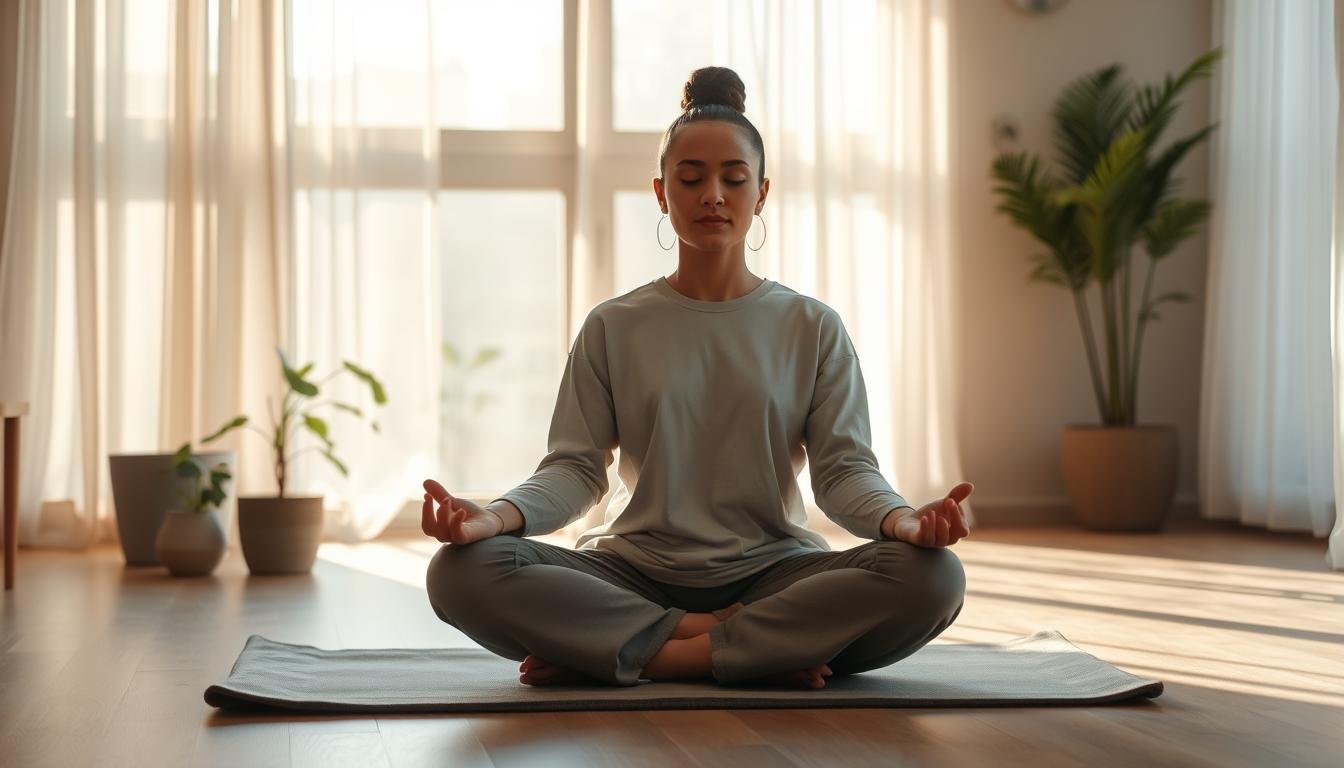
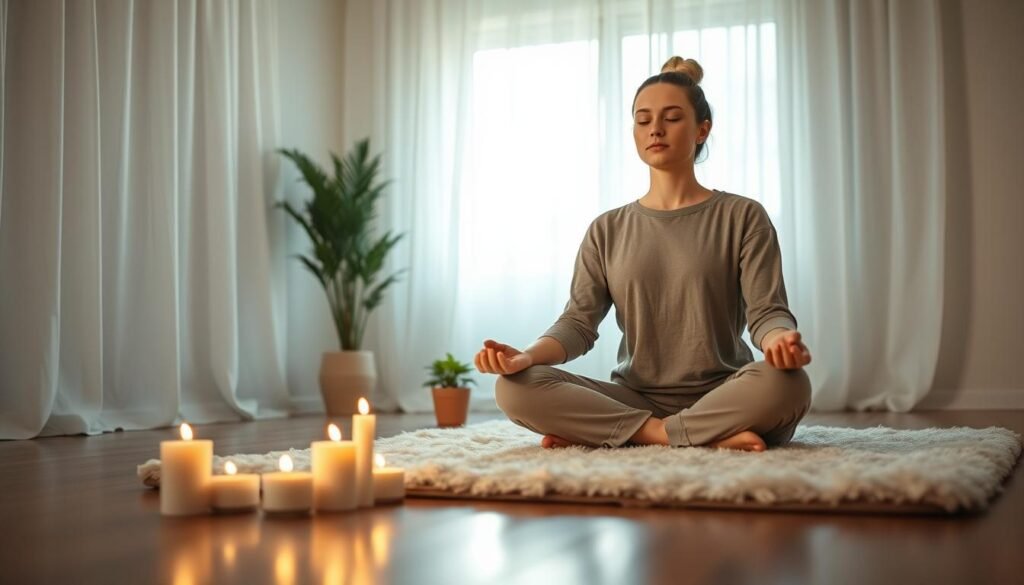
Imagine taking just a few moments each day to cultivate a deeper connection with yourself. To begin your practice, you need a quiet, comfortable space. This is essential for focusing your attention and minimizing distractions.
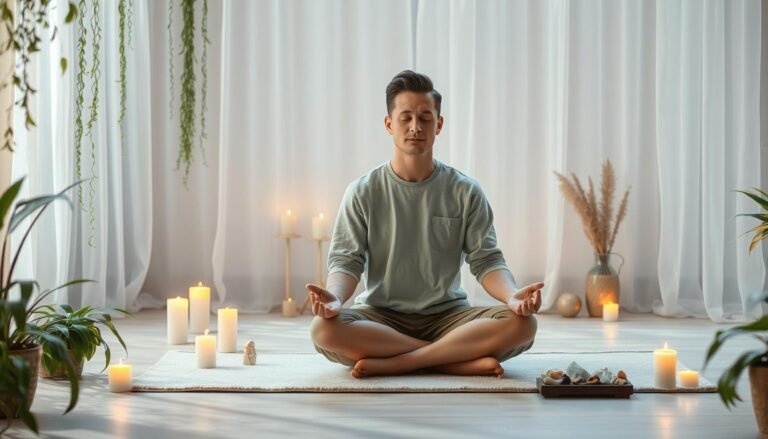
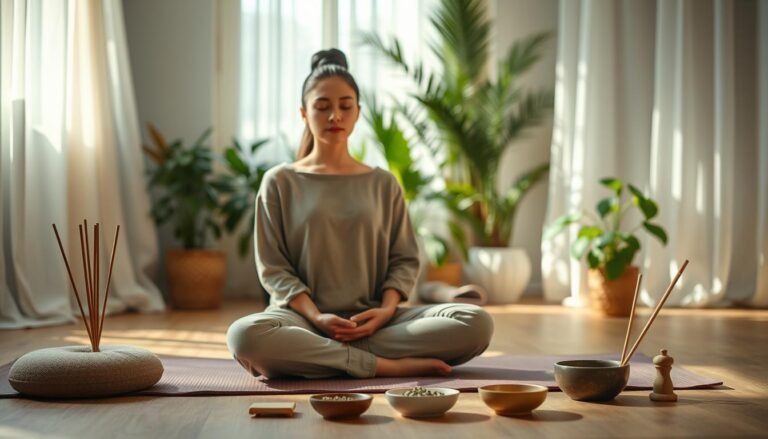
Choose a spot where you feel at ease. You can sit on a cushion or a chair, following guidance from experts like Suzanne Westbrook. Keep your spine upright but relaxed. Your shoulders should drop away from your ears, and your hands can rest naturally on your lap.
Next, turn your attention to your breath. Notice the cool air entering your nose and the warm air leaving. As you focus on this physical sensation, it’s normal for thoughts to wander. Each time you gently bring your focus back to your breath, you strengthen your practice.
Start with just 10 minutes daily. For those looking for more, 20 minutes twice a day is often recommended for greater benefits. Remember, the journey is about being present in the moment.
Integrating Mindfulness into Everyday Life
What if you could seamlessly weave awareness into your daily activities? Integrating mindfulness into your routine can transform mundane tasks into opportunities for presence. You can start small and build from there.
One simple way to practice is by pausing for a breath before answering the phone or responding to an email. This brief moment allows you to collect your thoughts and focus your attention.
During meals, try to savor each bite. Notice the taste, temperature, and texture of your food instead of eating automatically. This practice enhances your connection to the present moment.
Consider using your daily commute or lunchtime walk as a reminder to observe your surroundings. Pay attention to the sounds, movements, and sensations in your body as you move.
Additionally, silently naming your feelings can create space before reacting. For instance, acknowledging “this is anxiety” can help you respond thoughtfully rather than impulsively.
Movement-based practices like yoga and tai chi can also enhance your awareness of breathing and body movement. For more tips on building these habits, check out BetterLifeAtlas.
| Activity | Mindfulness Tip |
|---|---|
| Phone Calls | Pause for one breath before answering. |
| Meals | Notice taste and texture while eating. |
| Commute | Observe sounds and sensations around you. |
| Feelings | Silently name your emotions to create space. |
| Movement | Practice yoga or tai chi for body awareness. |
Physical and Mental Benefits of Mindfulness
What if you could unlock a treasure trove of benefits by simply being present? Practicing mindfulness can lead to significant improvements in both your physical and mental health. Many people experience daily stress, and learning to manage it effectively is crucial for overall wellbeing.
By noticing stress signals earlier, you can respond more skillfully rather than letting anxious thoughts escalate. This awareness allows you to address feelings before they become overwhelming. Regular practice may also enhance your focus, creativity, and emotional regulation.
It’s important to understand that mindfulness does not eliminate pain or anxiety. Instead, it can change how you perceive and respond to these experiences. The National Institute for Health and Care Excellence (NICE) recommends mindfulness-based therapies for less severe depression, highlighting its potential benefits.
- May support how you notice and respond to stress and anxiety.
- May enhance focus and creativity.
- Supports emotional regulation and connection with others.
- Can be a valuable complement to traditional medical care.
Science-Backed Insights on Mindfulness
Have you ever wondered how a simple practice can reshape your brain? Mindfulness has been studied in research settings for attention, stress, and emotional regulation. Some studies report associated changes in brain structure and function; findings vary and are not guarantees for every person.
One frequently cited study associated with Sara Lazar reported differences in gray-matter density in regions linked to memory, self-perception, and emotional regulation. Those findings are exploratory and do not prove that mindfulness will enhance every reader’s mental capabilities.
Herbert Benson’s work in 1975 introduced the concept of the “relaxation response.” He described meditation-related reductions in measures such as blood pressure, heart rate, and certain patterns of physiological arousal. That framework helps explain why many people use mindfulness for everyday stress management—not as a medical treatment.
Jon Kabat-Zinn’s Mindfulness-Based Stress Reduction (MBSR) program, developed in 1979, has been instrumental in bringing these insights to the public. However, a 2014 study highlighted a surprising finding: many individuals preferred self-administered electroshocks over spending time alone with their thoughts. This indicates that for some, the practice of sustained attention can be challenging.
While the research is promising, it’s essential to approach these findings with caution. Recognizing the benefits of mindfulness is important, but so is understanding the limitations of the studies. Keep in mind that the journey to mindfulness is personal and unique.
Mindfulness Practices to Try Now
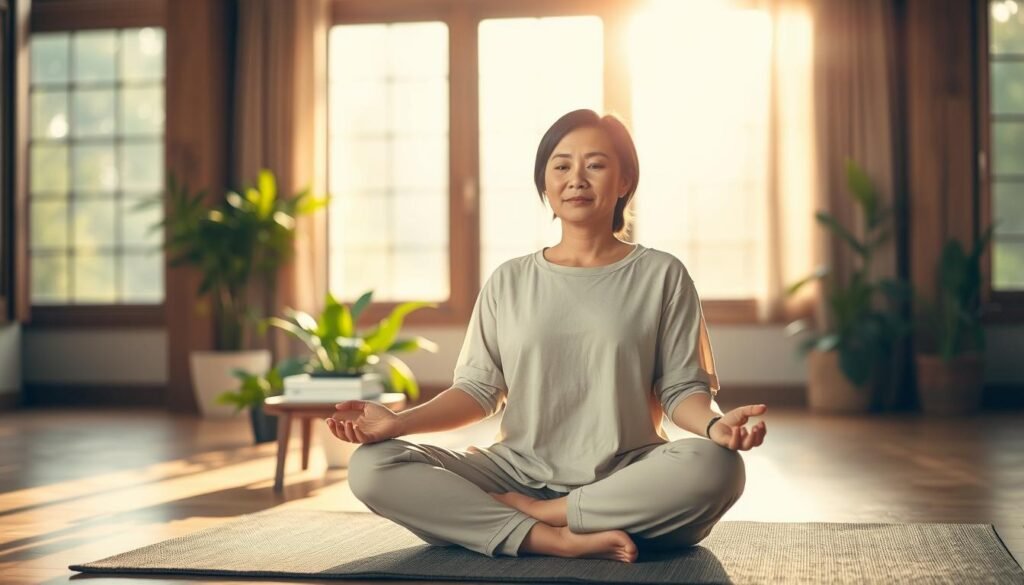
Could you find peace in just a few moments of focused attention each day? Engaging in simple practices can enhance your awareness and well-being. Here are some techniques you can try immediately.
Guided Sessions and the Mindful App Recommendation
The Mindful app offers a variety of guided sessions lasting between 3 to 10 minutes. You can start with a free three-minute session that fits easily into your schedule. These short practices can help you build a consistent routine.
Mindfulness-Based Stress Reduction Techniques
Mindfulness-Based Stress Reduction (MBSR) techniques are effective for exploring stress and anxiety. You might try:
- A body scan that gently moves your attention through physical sensations.
- Loving-kindness meditation to cultivate warmth toward yourself and others.
- Mindful walking or gentle yoga when sitting meditation feels challenging.
- Counting breaths to maintain focus when distractions arise.
Incorporating these practices into your day can help you manage feelings of stress and anxiety. A trained professional can also guide you through MBSR for a more structured experience.
Inspiring Real-Life Experiences with Mindfulness
Imagine how personal testimonials can illuminate the path to better emotional health and awareness. Real-life stories from various individuals show how mindfulness practices can transform lives.
Since 2012, over 750 Harvard students have participated in mindfulness and meditation programs. These programs have helped many people manage stress and improve their well-being.
Suzanne Westbrook, who teaches an eight-week stress-reduction program near Harvard Square, emphasizes that “noticing a wandering mind and returning to the breath gives people a place to rest and settle.” This simple act can lead to profound changes in daily life.
Ayesha Hood, a police officer in Baltimore, shares how mindfulness has helped her become more conscious of self-care while serving the public. She notes, “It’s about finding calm in the chaos.” This perspective highlights the importance of self-awareness in high-pressure environments.
Melanie Denham explored mindfulness training for Harvard women’s rugby players facing performance pressure. She found that these practices not only improved focus but also helped manage emotions during intense competition.
For those interested in exploring these benefits, Harvard offers programs through the Center for Wellness and Health Promotion and the Office of Work/Life. You can also reach out to their 4-CALM meditation phone line at 617.384.2256 for more community options.
Conclusion
Every moment offers a chance to reconnect with yourself and your surroundings. Mindfulness meditation encourages you to notice the present moment, gently returning from distractions and meeting your thoughts with patience.
Start with just five or ten minutes a day, using your breath, body sensations, or even a walking practice as an anchor. Some research and clinical guidance discuss mindfulness-related approaches for stress and mood, but results vary and this practice is not a cure or substitute for professional care.
This practice is not a cure-all or a replacement for professional treatment. It’s about cultivating awareness and presence in your life. Consider setting a daily reminder, like pausing before a phone call or taking a mindful walk.
If you experience increasing distress or pain during your practice, reach out to a qualified healthcare professional for support. Your journey is unique, and help is always available.
FAQ
What is mindfulness meditation?
Mindfulness meditation is a practice that encourages you to focus on the present moment. It involves observing your thoughts and feelings without judgment, helping you cultivate awareness and reduce stress.
How can I start practicing mindfulness?
To begin, find a quiet space where you can sit comfortably. Focus on your breath, noticing each inhale and exhale. Start with just a few minutes each day and gradually increase the time as you feel more comfortable.
What are the benefits of mindfulness meditation?
Many people use mindfulness to support calmer stress responses, steadier focus, and kinder emotional awareness. Experiences differ from person to person.
How does mindfulness help with stress reduction?
Mindfulness helps you become aware of your thoughts and feelings, allowing you to respond to stressors more calmly. By focusing on the present, you can break the cycle of worry and anxiety.
Can mindfulness meditation improve my mental health?
Some people find that mindfulness practices support awareness and a steadier mindset during difficult emotions. Mindfulness is not a treatment for anxiety or depression; seek professional care when symptoms are significant or persistent.
How long should I meditate each day?
Start with just 5-10 minutes a day and gradually increase the duration as you become more comfortable. Consistency is key, so find a routine that works for you.
Are there specific techniques I should try?
Yes, techniques like focused breathing, body scans, and guided imagery can be effective. Experiment with different methods to see what resonates with you.
Is mindfulness suitable for everyone?
Mindfulness can benefit most people, regardless of age or background. However, if you have specific mental health concerns, it’s a good idea to consult with a professional before starting.