Meditation for Beginners: How to Start a Simple Daily Practice
Imagine taking a moment each day to pause, breathe, and reset. This practice offers a way to settle your mind and focus on the present. You don’t need special equipment or a spiritual background to get started. It’s all about creating a space where you can connect with your breath and your body.
This guide will help you establish a simple breath-based practice. You’ll learn how to find a comfortable posture and set realistic expectations. Remember, it’s not about eliminating every thought. Even experienced practitioners notice their minds wandering. The key is to gently bring your focus back to your breath.
Dr. Becky Spelman has created a step-by-step video to support your journey. If you learn better through spoken instruction, it can be a great companion. Start with just five to ten minutes a day, gradually building a consistent practice that fits into your life.
Key Takeaways
- Practice can be a simple pause to breathe and reset.
- Focus on a breath-based technique to ground yourself.
- Expect thoughts to wander; gently return your focus.
- Dr. Becky Spelman’s video offers helpful guidance.
- Start with five to ten minutes, building gradually.
Understanding Meditation and Its Benefits
Taking time to focus your attention can create a sense of calm and clarity. This practice often uses the breath as an anchor, helping you notice the present moment without judgment. It’s a valuable tool for many seeking balance in their lives.
Regular sessions can lead to reduced stress and physical tension. You may find that your responses to emotional situations become calmer over time. According to research from Headspace, users experienced a significant reduction in stress—up to one-third—after just 30 days of consistent practice. This can also enhance your overall satisfaction with life.
What Is Meditation and Why It Matters
At its core, this practice is about training your attention. By consistently noticing distractions and returning to your breath, you develop skills like focus and emotional clarity. It’s not just about quieting the mind; it’s about understanding your feelings and responding thoughtfully.
Stress Relief, Focus, and Emotional Clarity
While this practice can support your wellbeing, it’s essential to recognize that it’s not a cure-all. If you face serious symptoms affecting daily life, seeking professional care is crucial. Think of this practice as a supportive tool on your journey to greater self-awareness and resilience.
“Mindfulness is a way of befriending ourselves and our experience.” – Jon Kabat-Zinn
Preparing Your Space and Schedule
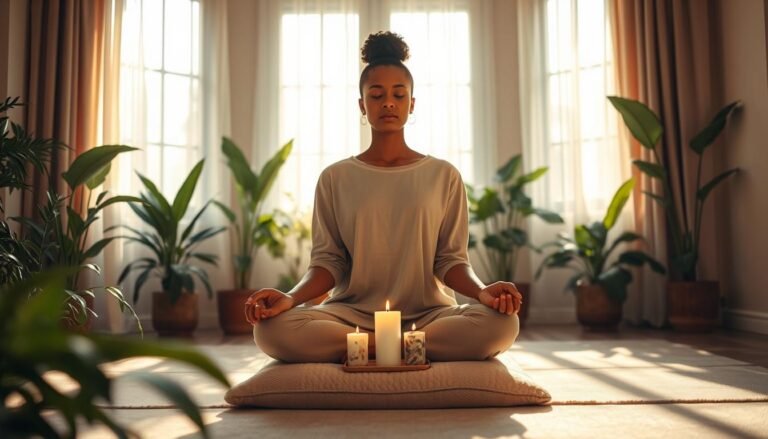
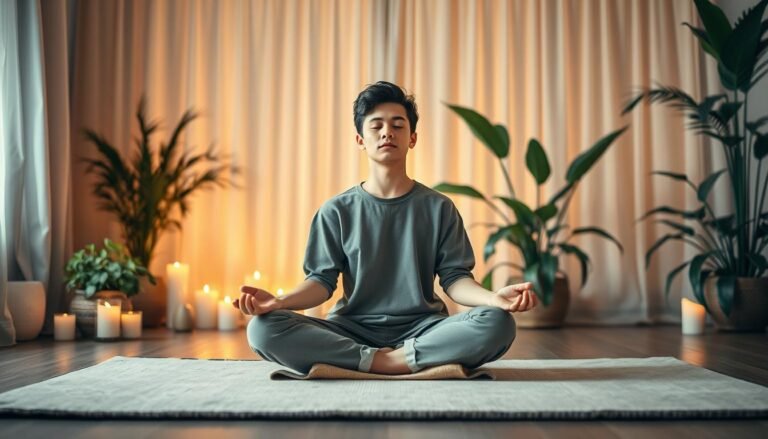
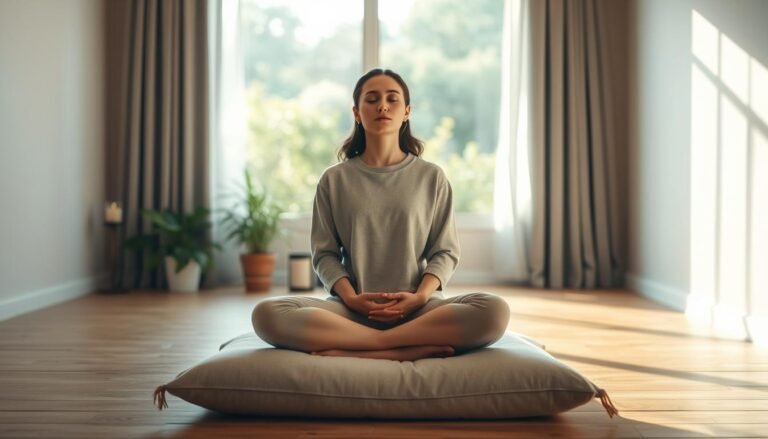
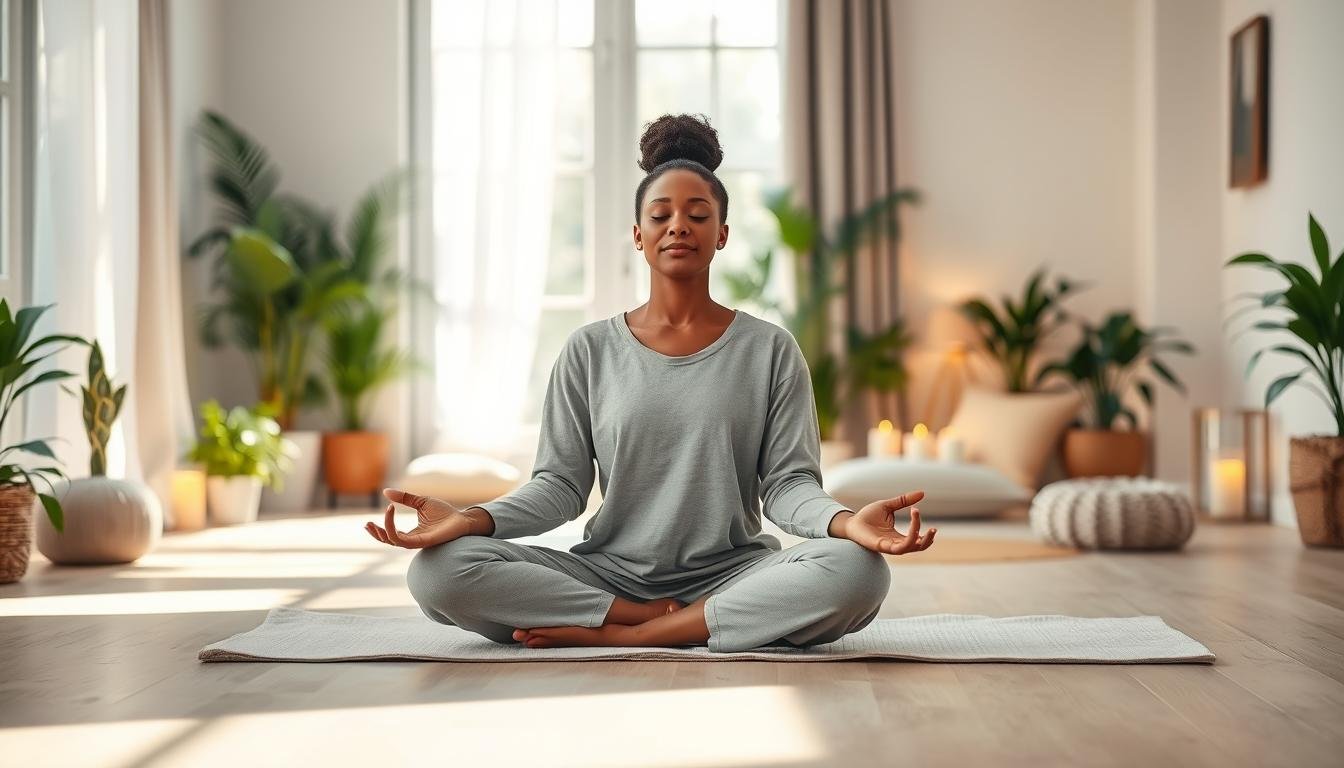
Every day presents an opportunity to carve out a moment for stillness and reflection. To get started, it’s essential to create a comfortable and calm environment. You can practice in a chair, on a bed, or even cross-legged on the floor. No need for expensive equipment; a yoga mat, towel, or rug can provide the necessary support.
Good posture is key. Aim for an upright back, relaxed shoulders, and a slightly tucked chin. This position will help you feel at ease during your session. Consider loosening any restrictive clothing and removing shoes to minimize distractions.
While total silence is ideal, it’s not a requirement. Common sounds like barking dogs or passing trucks are part of life and can be incorporated into your practice. Instead of waiting for the perfect moment, try attaching your practice to an existing routine, like showering or brushing your teeth. This way, consistency becomes easier to maintain.
Creating a Comfortable and Calm Environment
- Choose a stable chair, supportive bed, or cushion.
- Use a yoga mat, towel, or rug for floor sitting.
- Maintain an upright back with relaxed shoulders.
- Remove shoes and loosen clothing to reduce fidgeting.
- Accept normal household sounds as part of the experience.
Establishing a Consistent Daily Routine
Setting a specific time for your practice can enhance your commitment. A 20-minute session is a useful guide, but feel free to adjust according to what works best for you. The goal is to make this practice a regular part of your life.
“You don’t have to be perfect; you just have to be consistent.” – Unknown
Meditation for Beginners: A Simple Daily Practice
Each day offers a fresh chance to find stillness and connect with your inner self. You can start by following a simple seven-step guide. This approach helps you establish a calming routine that can fit into your life.
Begin by choosing a time that works for you. Next, find a comfortable spot to sit. Notice your surroundings and allow yourself to relax. Once settled, focus on your breathing. Silently repeat “breathe in” as you inhale and “breathe out” as you exhale.
It’s normal for your mind to wander. When it does, respond with kindness. Acknowledge the distraction and gently bring your focus back to your breath. Remember, even experienced practitioners like Sharon Salzberg find their minds drifting.
As you finish, stop the mental labels and sit quietly for a few moments. Gently open your eyes and take your time transitioning back to your day.
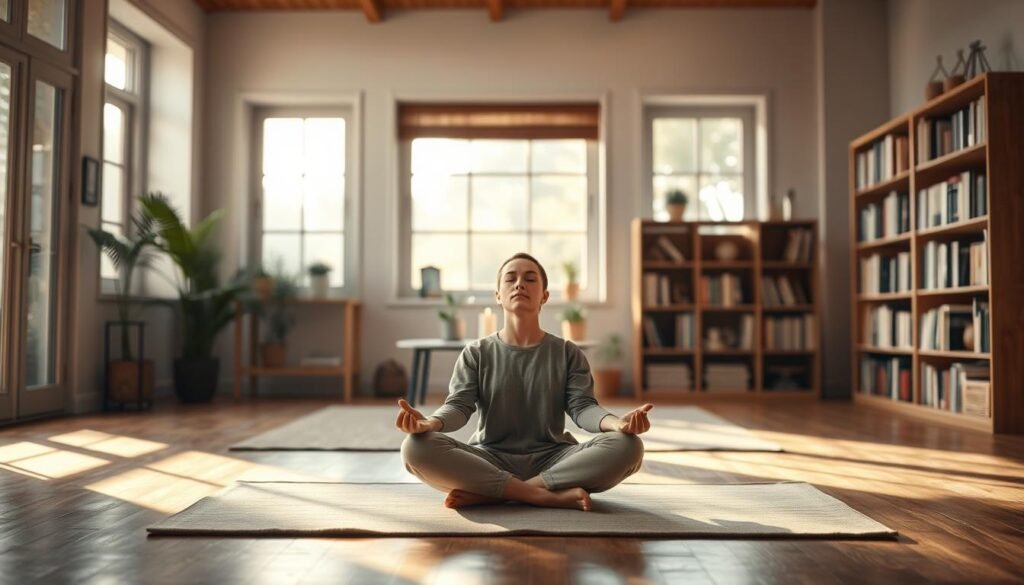
Seven-Step Sequence
| Step | Description |
|---|---|
| 1 | Choose a time to practice. |
| 2 | Find a comfortable sitting position. |
| 3 | Notice your senses and surroundings. |
| 4 | Focus on your breathing. |
| 5 | Respond kindly to distractions. |
| 6 | Manage challenges as they arise. |
| 7 | Close gently, sitting quietly for a moment. |
Starting with just five or ten minutes can be beneficial. This way, you can gradually build your practice without feeling overwhelmed.
Integrating Guided Meditations into Your Routine
You can weave moments of stillness into your busy day for a refreshing break. Guided sessions can simplify your practice, reducing the guesswork involved. With a teacher’s guidance, you can focus on posture, breathing, and eye position without distraction.
Start with Dr. Becky Spelman’s instructional video, which provides step-by-step support. This resource covers essential techniques, helping you establish a solid foundation. Once comfortable, you can explore separate audio sessions, like body scans or awareness-of-breath practices.
Using headphones in a quiet room or with gentle background music can enhance your focus. This spoken guidance can help maintain your attention, especially as you begin. As you grow more confident, consider alternating between guided and unguided sessions.
Benefits of Guided Sessions
| Aspect | Description |
|---|---|
| Reduced Guesswork | Clear cues for posture and breathing. |
| Structured Guidance | Step-by-step instructions from an expert. |
| Enhanced Focus | Minimized distractions with audio support. |
| Flexibility | Ability to switch between guided and unguided. |
| Accessible Resources | Various platforms offering free trials. |
Mindfulness in Daily Life
Consider how you can integrate small moments of mindfulness into your routine. This practice can transform ordinary activities into opportunities for awareness. Amishi Jha’s research shows that just 12 minutes of focused attention five days a week can significantly enhance your ability to concentrate.
To start, think about implementing a quick reset before daily tasks. For instance, before meetings or meals, take a moment to notice your breath and relax your shoulders. This simple action can help you center yourself and prepare for what’s ahead.
Here are some effective cues to incorporate mindfulness:
- Use the phrase “If office door, then deep breath” to create a mindful pause before starting work.
- Before answering the phone, take a breath to respond thoughtfully instead of reacting automatically.
- Practice a 30-second reset during school pickups or difficult conversations to stay calm.
By intentionally practicing mindfulness, you can disrupt autopilot behaviors and make more conscious choices.
Benefits of Mindfulness
| Aspect | Description |
|---|---|
| Improved Focus | Short practices can enhance attention span. |
| Stress Reduction | Mindfulness helps manage stress levels effectively. |
| Better Decision-Making | Increased awareness leads to more thoughtful responses. |
Managing Distractions and Challenges During Meditation
Understanding that distractions are normal can help you cultivate a more peaceful experience. It’s common to have thoughts that drift away from your focus. Renowned teacher Sharon Salzberg recalls losing her attention after just one breath during her early experiences.
When a thought arises, gently label it as “thinking.” Avoid diving into its story. Instead, return your attention to your next natural breath. This simple act of acknowledgment can transform your practice.
Environmental sounds, like loud music or barking dogs, are part of life. Treat them as sensations to notice rather than interruptions. Remember, your breathing should remain natural. You don’t need to force deeper or slower inhales.
If background noise overwhelms you, consider using earplugs or noise-canceling headphones. Quiet focus music can also create a soothing atmosphere. By employing these strategies, you can maintain your attention and enjoy a more fulfilling practice.
Exploring Different Meditation Techniques
Finding time to connect with your physical sensations can enhance your daily experience. Two effective techniques to consider are the body scan and mindful walking. Each offers a unique way to deepen your awareness and cultivate presence.
The body scan is a head-to-toe check-in that allows you to notice sensations without needing to fix or judge them. Start by directing your attention to your toes, then move through your feet, legs, pelvis, abdomen, back, chest, shoulders, arms, neck, face, and finally your head. This process helps you connect with your body in a gentle way.
Mindful walking is another wonderful practice. As you walk, pay attention to each foot as it lifts, moves, and lands. You can count your steps from one to ten and then start over. This technique is especially useful in smaller spaces, like hallways.
If you find yourself feeling sleepy during a body scan, that’s perfectly okay. Simply take a deep breath and gently reposition yourself to restore alertness.
Key Techniques
- Body scan: Notice sensations from head to toe without judgment.
- Mindful walking: Count steps to maintain focus and awareness.
- Accept sleepiness during body scans; breathe and adjust as needed.
Using Meditation to Enhance Overall Wellbeing
Explore how nurturing your mind can create a ripple effect on your physical and emotional wellbeing. Engaging in short sessions, especially in the evening, may help release physical tension. This can aid in creating a calmer transition toward sleep, though results may vary.
Emotional clarity is another benefit. You can learn to notice feelings of anxiety, low mood, or irritation before reacting impulsively. This awareness allows you to respond thoughtfully rather than automatically.
Research from Headspace shows that just 30 days of consistent practice can lead to reduced stress and improved life satisfaction. However, remember that everyone’s experience is unique.
Regular attention training can build resilience, offering you a pause during stressful moments. If sleep issues, anxiety, or low mood persist, consider consulting a qualified healthcare professional for support.
Combining Meditation with Other Mindful Practices
Bringing together various mindful practices can enhance your overall experience. You can create a richer routine by integrating gentle yoga, deep breathing, and journaling into your daily sessions. This approach not only nurtures your body but also deepens your mental clarity.
Start by pairing some light stretching or yoga with your seated practice. A yoga mat, towel, or rug can provide comfort while you find your center. Incorporating a few deep belly breaths before you begin can help. As you inhale, allow your abdomen to expand, and as you exhale, feel it soften.
When sitting feels challenging, consider mindful walking. This movement-based practice allows you to bring awareness to your body while engaging in ordinary activities. It’s a great way to reset during a busy day.
After your session, take a moment to jot down your thoughts. Reflect on sensations, emotions, or distractions you noticed. You might also introduce loving-kindness phrases like “May I live in safety” and “May I live with ease” to cultivate compassion.
Key Practices to Enhance Your Routine
| Practice | Description |
|---|---|
| Gentle Yoga | Pair with seated practice using a mat or towel. |
| Deep Breathing | Focus on belly breaths before starting. |
| Mindful Walking | Use movement to add awareness to your day. |
| Journaling | Write about sensations and emotions post-session. |
| Loving-Kindness | Incorporate phrases to foster compassion. |
These practices can complement each other beautifully, creating a holistic approach to your daily routine.
Practical Tips to Build a Consistent Meditation Habit
Creating a consistent practice can be as simple as dedicating just a few minutes each day. Starting with short sessions, like five minutes or less, can help you develop a habit without feeling overwhelmed. Research shows that even brief practices can yield benefits over time.
Once you feel comfortable with five-minute routines, consider gradually increasing to the 12-minute, five-days-per-week schedule studied by Amishi Jha. This approach can enhance your focus and mindfulness.
Here are some practical tips to help you stay on track:
- Start small: A small session completed consistently is more effective than an ambitious plan that quickly becomes difficult.
- Visible reminders: Place a meditation cushion or yoga mat in a noticeable location to prompt you to practice.
- Refresh your cues: Change sticky notes regularly with varied or humorous messages to keep your reminders fresh.
- Track your progress: Try a 30-day experiment without demanding perfection. If you miss a day, simply resume your practice calmly.
Remember, building a habit takes time, and it’s perfectly okay to miss a day. Just pick up where you left off.
Each moment in your day is a chance to pause and reconnect with yourself. Start with just five minutes in a comfortable position, following your natural breath. Remember, it’s normal for your attention to wander. Distractions are part of the experience, not a failure.
Utilize Dr. Becky Spelman’s guided instruction or try a body scan, mindful walking, or quiet breathing. Find an approach that resonates with you. Consider Amishi Jha’s findings of 12 minutes, five days a week, as a long-term goal rather than a starting point.
To build consistency, use visible reminders and incorporate your practice into existing routines. Adjust your schedule as needed, allowing for flexibility.
FAQs
- How long should I practice? Start with five minutes and gradually increase as you feel comfortable.
- What should I do with my eyes? You can keep them closed or gently open, depending on what feels best.
- How do I breathe naturally? Just allow your breath to flow without forcing it.
- What if I get distracted? Acknowledge the distraction and gently return your focus to your breath.
- Are guided sessions helpful? Yes, they can provide structure and support, especially for beginners.
- If I miss a day, should I start over? No, just pick up where you left off without guilt.
FAQ
What is the best time of day to practice meditation?
The best time to practice is when you can dedicate a few uninterrupted minutes. Many find mornings ideal for setting a positive tone for the day, while others prefer evenings to unwind.
How long should I meditate each day?
Starting with just 5 to 10 minutes daily can be beneficial. As you become more comfortable, you can gradually increase the duration to 20 minutes or more.
Do I need any special equipment to meditate?
No special equipment is necessary. A quiet space, a comfortable seat, and your breath are all you need to get started.
What if I can’t stop my thoughts during meditation?
It’s normal for your mind to wander. Acknowledge the thoughts and gently bring your focus back to your breath or the present moment.
Can meditation help with stress and anxiety?
Yes, many people find that regular practice can significantly reduce stress and anxiety, promoting a sense of calm and clarity.
How can I stay motivated to maintain my practice?
Setting a routine, tracking your progress, and incorporating guided sessions can help keep you motivated and engaged.
Are there specific techniques for beginners?
Yes, techniques like breath awareness and body scans are great starting points. These help cultivate focus and mindfulness.
Can I use music during my meditation?
Absolutely! Soft, calming music can enhance your experience, but ensure it doesn’t distract you from your focus.
How do I create a calming meditation space?
Choose a quiet area, keep it tidy, and consider adding elements like cushions, candles, or plants to create a soothing atmosphere.
Is it okay to meditate while lying down?
Yes, but be mindful that lying down may lead to sleepiness. If you choose this position, ensure you stay alert and focused.