Full Moon Meditation: A Reflective Practice for Mindfulness and Intention
As the lunar cycle unfolds, the energy of each full moon offers a unique opportunity for reflection. Engaging in a seated practice during these times can enhance your mindfulness and help you set intentions. The lunar calendar for 2026 features 13 full moons, including the Wolf Moon in January and the Cold Moon in December.
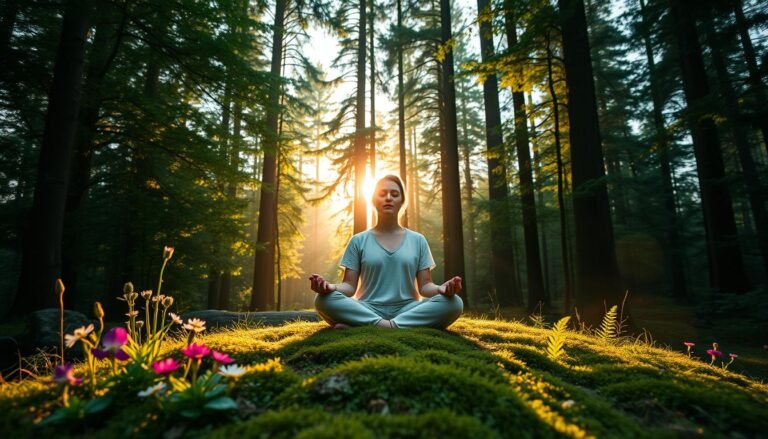
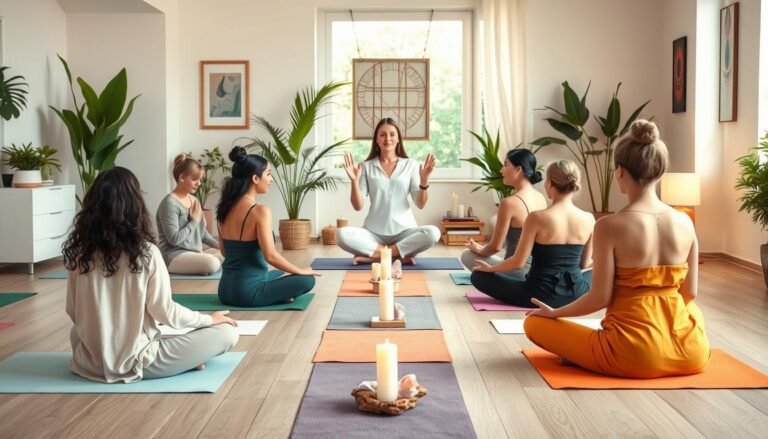
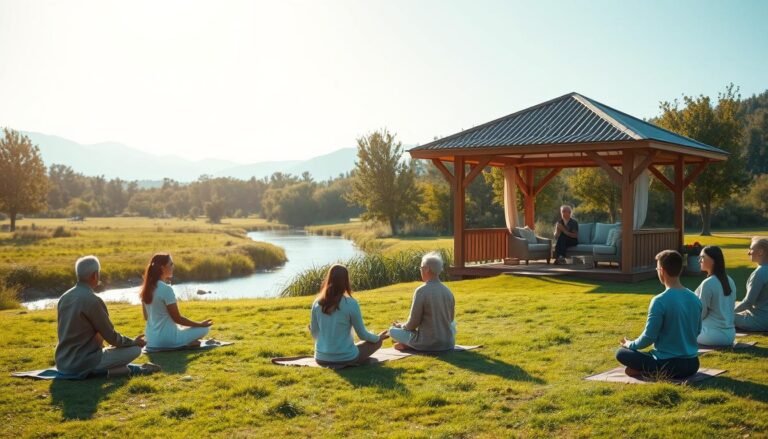
Whether you choose to practice outdoors, at home, or in a yoga class, you can incorporate techniques like breath awareness and visualization. These methods can help you connect with your mind and body, allowing for deeper self-exploration. As you close your eyes and take deep breaths, consider what you wish to cultivate in your life.
Remember, the symbolism of the moon serves as a meaningful framework for reflection. It’s not a guaranteed solution for your challenges but rather a chance to pause, notice your thoughts and feelings, and choose one quality to focus on.
Key Takeaways
- Full moon meditation can enhance mindfulness and intention-setting.
- There are 13 full moons in 2026, each offering unique reflective opportunities.
- Breath awareness and visualization can deepen your practice.
- The moon’s symbolism serves as a framework for personal reflection.
- Use this time to pause and cultivate a specific quality in your life.
Overview of Full Moon Meditation
The full moon illuminates a path for introspection and mindfulness. This practice involves guided meditation techniques such as visualization, breathing exercises, and chanting. Engaging in these activities during the bright phase of the moon can deepen your connection to yourself.
Interestingly, our bodies are composed of approximately 75% water, which connects us to the lunar energy. This idea, while not a settled medical fact, highlights the symbolic relationship between the moon and our emotions. The lunar cycle, lasting about 29 days, serves as a reminder to notice changes in our habits and feelings.
Nupur Akotkar suggests that lunar meditation can help you analyze your energy and respond more consciously. To begin, find a comfortable position, close your eyes, and observe your breath. This simple method encourages present-moment awareness and can be a powerful starting point for your journey.
What It Is and How It Works
The Connection Between Lunar Phases and Mindfulness
Historical and Cultural Significance of the Full Moon
The celestial dance of the moon invites us to explore its historical and cultural significance. Names like Wolf Moon, Snow Moon, and Harvest Moon reflect not only seasonal changes but also animal behaviors, weather patterns, and cultural traditions.
These naming conventions, prevalent in North America and Europe, are just one of many systems. Different regions and communities have their unique names and meanings, showcasing the diversity of lunar appreciation.
Historically, observing the sky, land, and water has helped people understand nature’s rhythms. Nupur Akotkar, founder of Healsoul World, emphasizes that lunar practices today can serve as structured opportunities for emotional check-ins.
As you reflect on these ancestral symbols, approach them with curiosity and respect. Recognizing that no single interpretation is universal can enrich your own journey with lunar energies.
Ancestral Traditions and Modern Perspectives
Understanding the Full Moon Cycle and Its Energy
The phases of the moon create a natural rhythm for reflection and intention-setting. Each lunar cycle serves as a monthly pause for contemplation, completion, and release. In 2026, there are 13 full moons, each with its unique theme.
For instance, the Wolf Moon on January 3 encourages beginnings and instinct. The Snow Moon on February 1 symbolizes resilience and clarity. Following that, the Worm Moon on March 3, which coincides with a lunar eclipse, represents renewal.
Notably, the Blue Moon on May 31 marks the second full moon in May, adding a rare touch to the year. Additionally, the Sturgeon Moon on August 28 will be a partial eclipse, providing another opportunity for reflection.
These seasonal themes can inspire you to choose a personal intention, regardless of your location or the weather. To connect lunar timing with your daily life, consider setting a calendar reminder, taking several deep breaths, and asking yourself a short journal question.
Benefits for Mind, Body, and Spirit
Harnessing the lunar energy may open doors to deeper self-awareness and emotional healing. Engaging in practices during this time can lead to various benefits for your mind, body, and spirit. You might find yourself experiencing calmer attention and improved focus.
Many individuals report enhanced emotional processing and relaxation after participating in these practices. A two-week online meditation class highlighted how observing your body’s responses can help identify the most comfortable meditation style for you.
By observing your thoughts and emotions without judgment, you create space for clarity. This is especially true when a lunar practice brings strong feelings to the surface. Consider tracking your sleep, mood, and concentration over several sessions to notice patterns and shifts.
Remember, meditation complements, but does not replace, appropriate medical or mental-health support for persistent symptoms.
| Potential Benefits | Description |
|---|---|
| Calmer Attention | Improved focus and reduced distractions. |
| Emotional Processing | Better understanding and management of emotions. |
| Relaxation | Decreased stress levels and increased peace. |
| Enhanced Clarity | Clearer thoughts and intentions. |
Full Moon Meditation Techniques for Deep Connection
The energy of the lunar cycle invites you to deepen your connection with yourself. Engaging in seated practices during this time can enhance your mindfulness and clarity. Here are some actionable techniques to help you connect with your intentions.
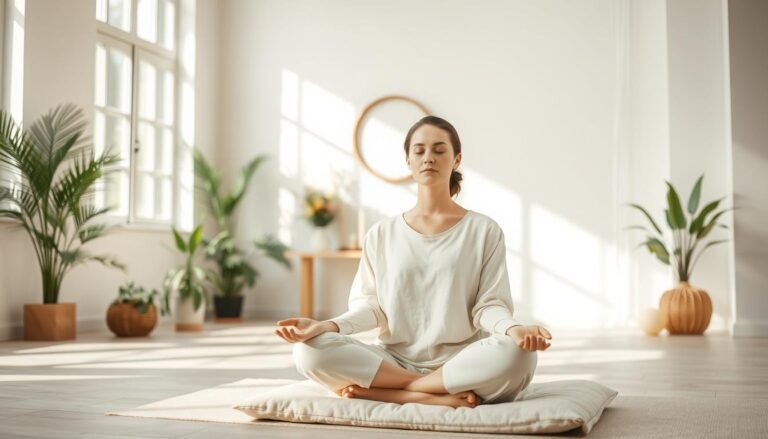
Start by finding a comfortable seated posture. Relax your shoulders and let your hands rest on your knees. Take deep breaths to center yourself before adding visualization.
- Ground your body by noticing your sit bones, feet, and legs. Feel the connection with the floor, just as you would in a yoga practice.
- Imagine moonlight gently moving toward your forehead or heart. Use this imagery as a focus to enhance your experience.
- Choose one clear intention. Repeat it gently in your mind, allowing other thoughts to pass. When distractions arise, bring your attention back to your breath.
- This practice can be woven into your personal routine, a yoga class, or even a brief evening reset.
As you explore these techniques, remember that the lunar energy is a supportive guide. Allow yourself to connect with what feels right for you.
Guided Meditation Scripts for Lunar Phases
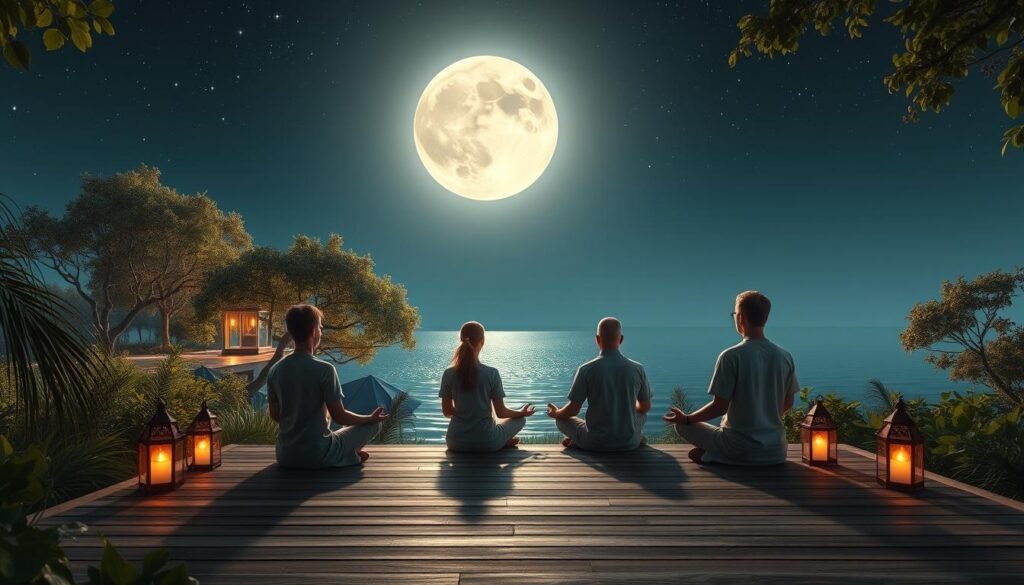
Each lunar phase presents a fresh canvas for setting intentions and embracing mindfulness. Below, you will find guided meditation scripts and a scannable calendar for the full moons of 2026. Each moon offers a unique theme and corresponding mudra pairing to enhance your practice.
| Date | Traditional Name | Reflective Theme | Mudra Pairing |
|---|---|---|---|
| January 3, 2026 | Wolf Moon | Beginnings and Instinct | Palli mudra |
| February 1, 2026 | Snow Moon | Resilience and Clarity | Chinmaya mudra |
| March 3, 2026 | Worm Moon | Awakening and Renewal | Brahma mudra |
| April 1, 2026 | Pink Moon | Joy and Blossoming | Padma mudra |
| May 1, 2026 | Flower Moon | Abundance and Gratitude | Prana mudra |
| May 31, 2026 | Blue Moon | Rarity and Intuition | Hridaya mudra |
| June 29, 2026 | Strawberry Moon | Sweetness and Simplicity | Shunya mudra |
| July 29, 2026 | Buck Moon | Growth and Strength | N/A |
| August 28, 2026 | Sturgeon Moon | Wisdom and Perseverance | N/A |
| September 26, 2026 | Harvest Moon | Fruition and Gratitude | N/A |
| October 26, 2026 | Hunter’s Moon | Preparation and Insight | N/A |
| November 24, 2026 | Beaver Moon | Diligence and Conservation | N/A |
| December 23, 2026 | Cold Moon | Reflection and Release | N/A |
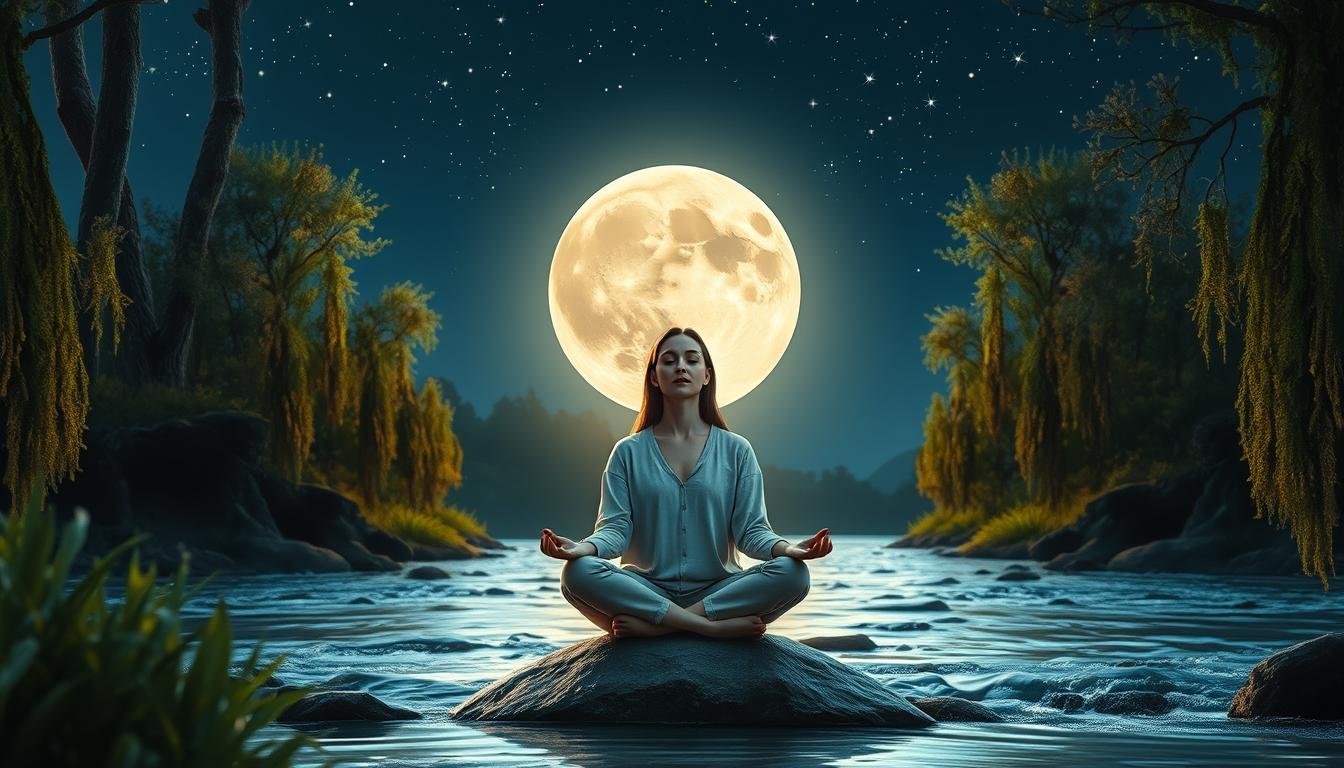
For the Wolf Moon, visualize a snowy forest. As you close your eyes, feel the instinctive wisdom rising within you. Ground yourself and set a personal sankalpa. For the Worm Moon, imagine a seed awakening in fertile soil, connecting with the Brahma mudra for renewal. Finally, during the Blue Moon, picture a calm lake reflecting moonlight, exploring your intuition and emotional balance.
Embrace these guided meditations to deepen your connection with lunar energy. For more resources on setting intentions, visit .
Preparing for Your Full Moon Meditation Session
Creating a serene environment is essential for a fulfilling meditation experience. Your surroundings can significantly impact how deeply you connect during your practice. Here are some practical steps to prepare your space, whether it’s in a garden, bedroom, or cozy indoor area.
Consider these tips to enhance your session:
- Choose a quiet spot where interruptions are minimal, especially on the day of the January 3 Wolf Moon or another scheduled date.
- Turn off your phone and dim harsh lights to create a calming atmosphere.
- Prepare a cushion, mat, or chair for comfort, and keep water nearby.
- Loosen any restrictive clothing to feel more at ease.
- Decide if a guided meditation or silent practice feels right for you that evening.
As you sit with a comfortably upright spine and relaxed hands, take a moment to stretch. Before you close your eyes, write down one question or intention. This way, any racing thoughts will have a clear place to land after your practice.
Creating a Peaceful Meditation Environment
The right setting can amplify the energy of your meditation, allowing for a more profound experience. Consider using lower lighting or natural moonlight to create a calm atmosphere. Remember, a dark bedroom can work just as well as an outdoor setting.
If you enjoy soft music or calming scents, feel free to add them, but only if they enhance your focus. For some, sensory stimulation can be overwhelming, so listen to your needs.
Make sure to have a cushion, blanket, or chair nearby. Physical comfort is essential for a successful practice. When weather or safety concerns arise, visualize the night sky, a snowy forest, or a flower garden instead of meditating outdoors.
Finally, as you conclude your session, open your eyes slowly. Take a moment to notice your surroundings and allow the peaceful environment to transition gently into the rest of your evening.
Practical Tips to Enhance Your Meditation Practice
Finding balance in your practice can enhance your experience during each lunar phase. Here’s a quick sequence you can use to get centered efficiently. It’s flexible, allowing you to adapt it to your available time.
Start with a one-minute arrival sequence:
- Place your hands comfortably in your lap.
- Close your eyes gently and take three slow, deep breaths.
- Notice how your body is supported by the ground beneath you.
Next, choose one clear intention for your session. This could be something you want to invite into your life or something you wish to release. Focus on this single goal rather than multiple competing ones.
While practicing, aim for 10-30 minutes. If your schedule is tight, even five attentive minutes can be beneficial. If your mind wanders, gently label the thought and bring your attention back to your breath without judgment.
As you conclude your practice, open your eyes gradually. Stretch a bit and take a moment to journal one observation about your thoughts, feelings, or physical sensations from the session. This reflection can deepen your understanding and enhance your future practices.
Overcoming Common Challenges in Lunar Meditation
Overcoming distractions and emotional waves can significantly enrich your meditation experience. Many practitioners face challenges like restlessness, strong emotions, or even overstimulation during their sessions. It’s important to recognize that these feelings are normal and part of the journey.
When a busy mind or restless energy arises during your practice, try to notice it neutrally. Acknowledge these sensations and gently return your focus to your breath or a physical sensation. This simple act can help you regain your center.
If strong emotions or memories surface, allow yourself to acknowledge them without the pressure to release or interpret every feeling as a sign of lunar energy. It’s okay to simply observe what you’re feeling.
- Reduce external stimulation by using softer lighting or quiet music.
- Set modest goals for your practice, like noticing one thought pattern or relaxing your jaw.
- If emotions feel overwhelming, consider pausing your session and reaching out to a therapist or trusted support person.
Remember, it’s all about what feels right for you. As you navigate these challenges, be gentle with yourself and allow your practice to evolve.
Integrating Mudras into Your Lunar Practice
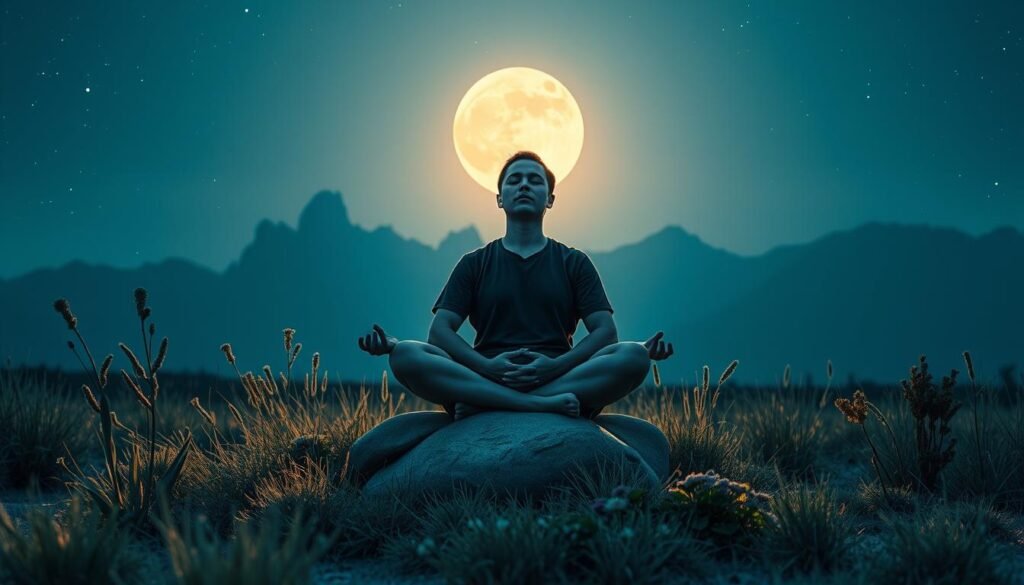
Mudras serve as powerful hand gestures that can enhance your connection during lunar practices. These gestures not only help you focus your energy but also create a deeper relationship with your intentions. Let’s explore some popular mudras and how to use them effectively in your meditations.
Overview of Popular Mudras and Their Meanings
Here are a few mudras you can incorporate into your practice:
- Palli mudra for the January 3 Wolf Moon symbolizes shelter and grounding.
- Chinmaya mudra for February 1 represents embodied knowledge.
- Brahma mudra for March 3 signifies creative energy.
- Padma mudra for April 1 embodies purity and compassion.
- Prana mudra for May 1 represents life force.
- Hridaya mudra for May 31 connects with the spiritual heart.
- Shunya mudra for June 29 symbolizes spaciousness and releasing attachments.
Tips for Using Mudras to Focus Your Energy
When practicing, keep your hands soft and relaxed. If any gesture causes strain or discomfort, modify it or stop. Use one mudra consistently for several breaths to anchor your awareness and intention. This simple act can enhance your meditation experience and deepen your connection to the lunar energy.
Harnessing Lunar Energy to Set Powerful Intentions
During the full moon, you can tap into a potent energy that encourages reflection and intention-setting. This is the perfect time to choose a focused intention for your practice. Think about what you want to release or cultivate in your life. Consider intentions like clarity, patience, or healthier boundaries.
It’s essential to contrast this phase with new moon practices, which often focus on welcoming new energies. Instead, full moon practices emphasize letting go of what no longer serves you, such as procrastination or negative self-beliefs.
Developing a Clear Intention for Each Meditation
To deepen your practice, create a sensory image that connects you to your intention. Visualize the night sky, feel the moonlight, and notice the sounds and colors around you. This concrete reflection can help solidify your goals.
Visualization Techniques to Amplify Your Goals
- Follow the Wolf Moon example by repeating your intention three times, known as a sankalpa.
- After visualizing your desired quality, open your eyes and write down one actionable step for the next day.
- This practice transforms your intention into behavior rather than wishful thinking.
The Role of Visualization and Breath Awareness
Visualization and breath awareness work hand in hand to anchor your focus during meditation. By combining these techniques, you can create a calming experience that settles your thoughts and emotions.
Start by taking several deep breaths. Allow your inhale to expand your belly and ribs, while your exhale softens your jaw, brow, and shoulders. This initial step prepares your body for a more profound connection.
For the Wolf Moon practice, transition from breath observation into body grounding. Imagine a snowy forest, where moonlight gently bathes your surroundings. As you visualize, repeat a personal sankalpa, focusing on your intention.
Alternatively, the Snow Moon approach encourages longer exhalations. Picture a seed of resilience nestled in your heart, allowing your breath to nurture it. When thoughts or emotions arise, notice them as passing events. Bring your attention back to your breath instead of resisting them.
Finally, when you’re ready to conclude, open your eyes slowly. Preserve the relaxed state of your body before standing, stretching, or returning to your daily tasks.
Combining Traditional and Modern Meditation Techniques
Incorporating the wisdom of lunar cycles with contemporary techniques can enhance your meditative journey. Traditional names like the Harvest Moon can be paired with modern mindfulness skills, such as breath observation and body scanning. This blend allows you to honor ancient practices while utilizing current methods for personal growth.
Consider integrating moon salutations or gentle yoga before your seated practice. Movement can help settle the body, making it easier to focus during your meditation. Keep in mind that full moon practices can be optional, adapting to what feels right for you.
To support consistency, combine an ancestral seasonal theme with contemporary tools. Use guided audio, app reminders, or online classes to keep you engaged. Remember, astrology and lunar energy can serve as personal meaning-making tools rather than substitutes for professional care.
As you prepare for your seated meditation, close your eyes and relax your hands. After some time, open your eyes and reflect on how this practice connects to your daily life.
| Traditional Name | Modern Technique | Purpose |
|---|---|---|
| Harvest Moon | Breath Observation | Enhance awareness |
| Worm Moon | Body Scanning | Release tension |
| Blue Moon | Guided Audio | Deepen focus |
Building a Sustainable Meditation Routine Under the Moon
Developing a routine that aligns with lunar cycles can enhance your mindfulness and intention-setting. Start by committing to one 10-15 minute session around a 2026 full moon date. As you become comfortable, gradually increase the frequency of your practice.
Utilize the 13-date calendar as a planning tool. Choose one theme and one practical action instead of trying every ritual at once. This focused approach helps avoid overwhelm while allowing you to explore what resonates with you.
To support your journey, consider integrating resources from BetterLifeAtlas. You might find articles on , breathwork for beginners, journaling for self-reflection, and creating an evening routine.
Adding a phone reminder, guided audio, or joining a supportive online group can also help you return to your practice more easily. As you meditate, take deep breaths and observe your feelings. Monthly reviews of your notes can reveal changes in your sleep, focus, and energy, allowing you to track your progress without the pressure of immediate results.
Conclusion
Engaging in full moon meditation offers a simple structure for slowing down and observing your mind and body. This practice allows you to reflect on what truly deserves your attention. The 13 full moons of 2026 provide recurring dates, from the Wolf Moon on January 3 to the Cold Moon on December 23.
Utilizing techniques like breath awareness, visualization, and journaling can transform a symbolic lunar moment into a practical habit. Remember, emotional release may occur during your practice. If it feels overwhelming, you can pause or shorten your session and seek support if needed.
Choose a comfortable time to practice. Close your eyes, take a few deep breaths, and let your experience develop gradually. Focus on setting clear intentions, allowing your journey with the moon to unfold naturally.
FAQ
What is the purpose of lunar meditation?
Lunar meditation helps you connect with the natural rhythms of the universe, allowing for reflection, intention-setting, and emotional release.
How can I prepare for a lunar meditation session?
Create a quiet, distraction-free space, gather any tools you might need, and set a clear intention for your practice.
What techniques can enhance my meditation experience?
Techniques like breath awareness, visualization, and incorporating mudras can deepen your connection and focus during meditation.
How do I set intentions during my meditation?
Reflect on what you wish to manifest in your life, and articulate these thoughts clearly as you meditate, allowing the lunar energy to amplify your goals.
What should I do if I feel distracted during meditation?
Acknowledge the distraction, take deep breaths, and gently bring your attention back to your breath or intention without judgment.
Can lunar meditation help with emotional challenges?
Yes, this practice can provide a safe space to explore and release emotions, promoting healing and clarity.
How often should I practice lunar meditation?
You can practice during each lunar phase, but many find the full moon to be a particularly powerful time for reflection and intention-setting.
What are some common challenges in lunar meditation?
Common challenges include restlessness, strong emotions, and difficulty focusing. It’s important to be patient with yourself and to explore different techniques to find what works best for you.
How can I incorporate visualization into my practice?
Use visualization techniques to imagine your intentions manifesting, creating a vivid mental picture that aligns with your goals.
What are mudras, and how can they be used in meditation?
Mudras are hand gestures that can help focus energy and intention. Incorporating them into your practice can enhance your experience and deepen your connection.