Water Meditation: A Calming Mindfulness Practice for Relaxation
Are you looking for a simple way to create more calm in your life? Water meditation offers a practical approach to mindfulness that can help you pause and refocus. By focusing your attention and embracing sensory awareness, you can find relaxation even in a busy day.
This article is structured into six sections, guiding you through core principles, setup, a guided practice, natural sounds, daily routines, and a conclusion. Each part is designed to support your journey into mindfulness.
It’s important to set realistic expectations. While this practice can enhance your sense of peace, it should complement, not replace, professional health care. Embracing elements like nature and music can make this experience approachable, especially for beginners seeking gentle sensory anchors.
Let’s explore how this practice can help you cultivate a sense of tranquility in your everyday life.
Key Takeaways
- Water meditation is a simple mindfulness practice for relaxation.
- The article is divided into six informative sections.
- Expect meditation to complement your health care needs.
- Nature and music can enhance your meditation experience.
- This practice is accessible for beginners.
Understanding Water Meditation Principles
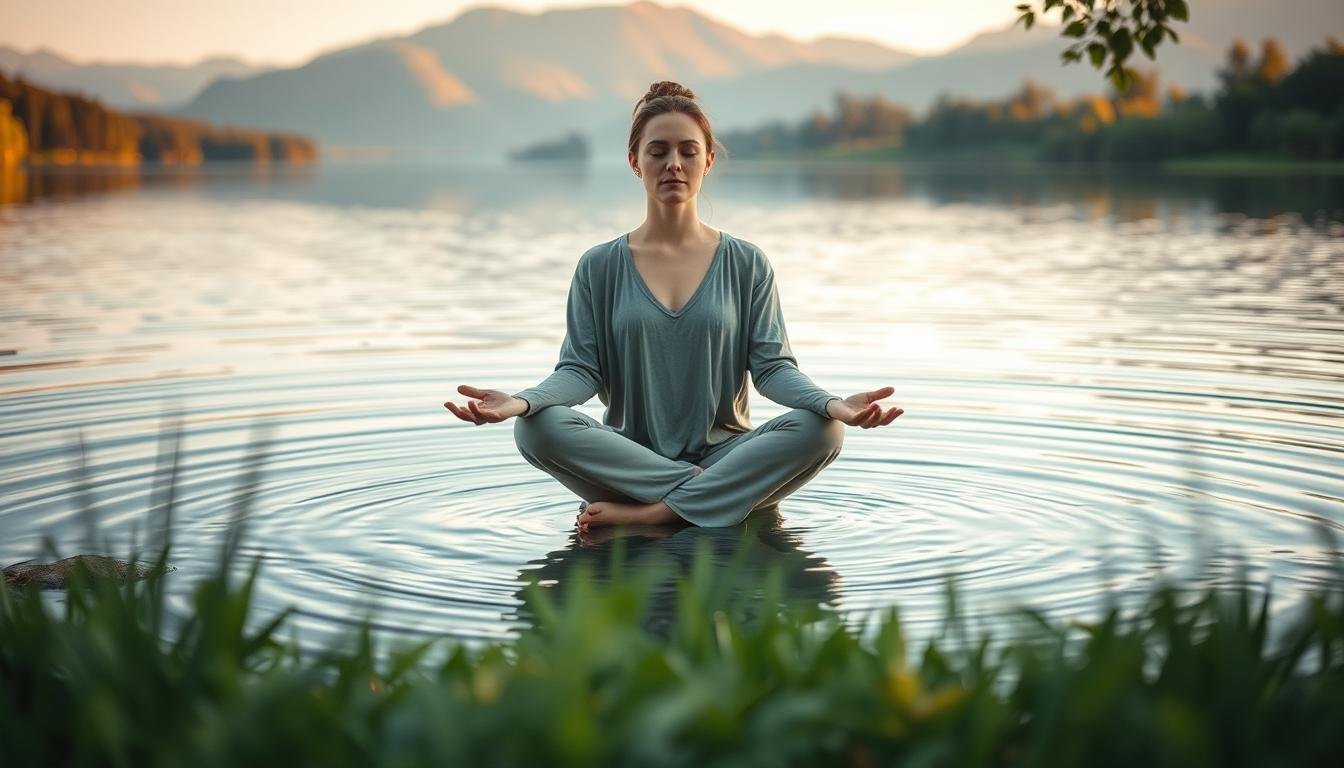
Would you like to discover a hassle-free technique for fostering serenity in your life? Water meditation focuses on the sensory experiences related to water. This practice doesn’t require a complex spiritual system. Instead, it invites you to engage with the sight, movement, texture, and sounds of water.
By directing your attention to one sensory detail, you can create a steady anchor. This helps your mind settle amidst the distractions of thoughts and worries. Many people find that this approach offers a calmer pause and enhances their present-moment awareness.
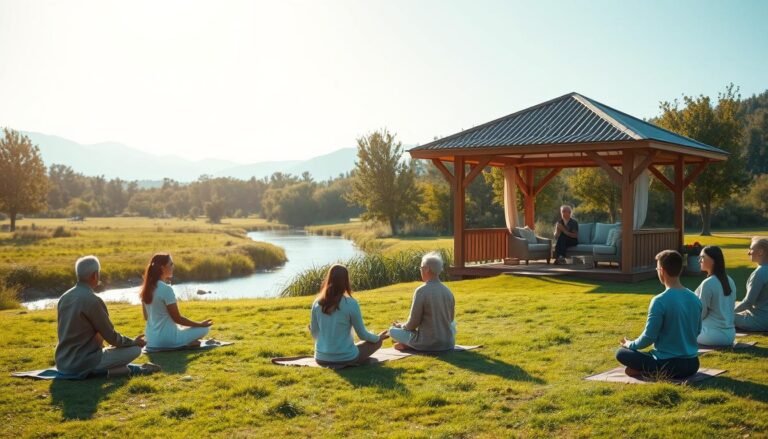
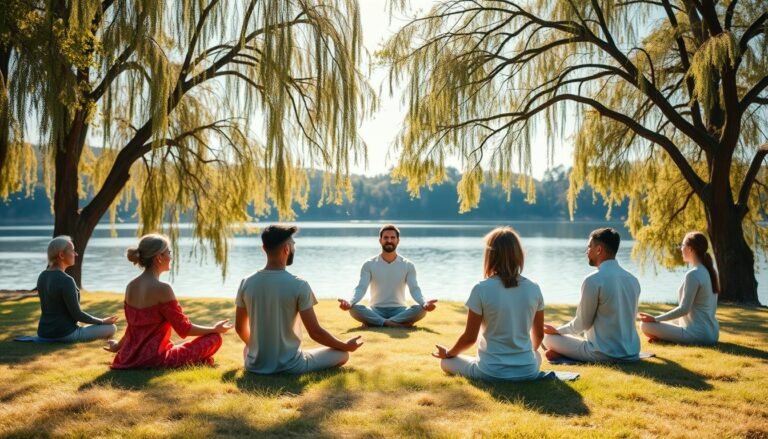
Practicing near a stream, by a fountain, or even in a bathtub can be effective. If natural water isn’t available, recorded audio can also provide the soothing sounds you need. Remember, this practice is not a substitute for therapy or clinical treatment, but it can complement those approaches beautifully.
It’s essential to notice how the sounds of water affect you. Do they feel soothing, neutral, or distracting? Your personal sense of comfort should guide your practice.
| Practice Location | Benefits | Considerations |
|---|---|---|
| Beside a Stream | Natural ambiance | Weather conditions |
| Near a Fountain | Calming sounds | Accessibility |
| In a Bathtub | Private space | Water temperature |
| With Recorded Audio | Convenience | Sound quality |
Practical Steps to Start Your Water Meditation Practice
What if you could easily tap into a source of calmness whenever you need it? To begin your journey, start by preparing your environment. Choose a safe, comfortable spot where you can be undisturbed. This could be beside a gentle stream or in a quiet room at home.
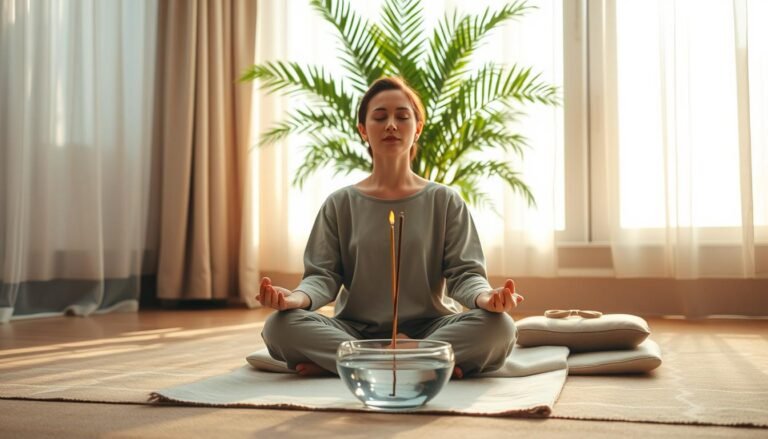
Next, gather a few essentials. A cushion or chair can help you sit comfortably. Have a towel, timer, and headphones ready. If you enjoy soft music, set it to a low volume to avoid distractions.
Preparing Your Environment
As you settle in, take a moment to relax your shoulders. Place your feet flat on the ground and notice your breath. Focus on one feature of the water, whether it’s the sound of flowing water or the gentle ripples. This will serve as your anchor.
Step-by-Step Guided Practice
Begin with a few slow, deep breaths. Listen attentively to the sounds around you. If your mind wanders, gently redirect your thoughts back to your anchor. Gradually, return to your ordinary awareness when you feel ready.
Consider using a calm recorded voice for guidance, but only if it enhances your experience. Allow for silent moments when spoken instruction feels distracting. You might even connect this practice with your existing yoga or stretching routine, enjoying a few quiet minutes before or after movement.
Enhancing Your Practice with Nature’s Calming Sounds
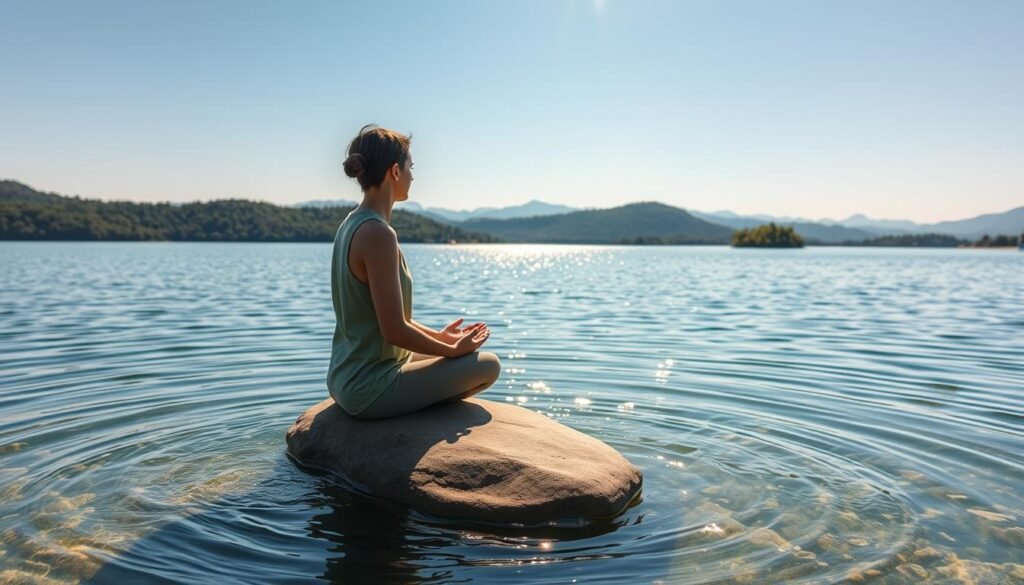
Imagine being able to enhance your mindfulness practice with the soothing sounds of nature. Incorporating elements like water sounds, waves, and rainfall can provide a consistent auditory anchor. This allows you to focus while still noticing changes in rhythm and volume.
Consider the difference between steady wave patterns and the irregular sounds of flowing streams. Choosing the right audio can support your concentration without adding unnecessary noise. Keeping music and natural audio at a low volume ensures you can breathe deeply without feeling overwhelmed.
It’s beneficial to test various audio options. Try guided tracks, instrumental music, or recordings of the ocean and outdoor settings separately. This way, you can find what resonates best with you before blending different sounds.
If a particular wave or voice increases tension, don’t hesitate to change it. Each listening environment—whether using headphones, speakers, or enjoying nature outdoors—creates a unique experience. Stay aware of your surroundings to enhance your practice.

Integrating Water Meditation into Daily Wellness Routines
How can you seamlessly weave moments of tranquility into your busy day? Integrating mindfulness practices can be simple and flexible. Here are some effective ways to do just that.
Mindfulness Techniques for Busy Days
- Morning Routine: Start your day with a glass of water, take a quiet breath, and enjoy a few minutes of focused meditation before diving into your messages or work.
- Midday Reset: When time is tight, pair intentional listening with the sounds of a fountain, an outdoor setting, or low-volume music for a refreshing break.
- Evening Wind Down: Use gentle waves or nature sounds to transition toward sleep. Remember, audio should enhance relaxation, not guarantee it.
- Attach to Existing Habits: Incorporate your practice into yoga, stretching, showering, journaling, or evening therapy exercises.
- Keep It Manageable: Use a timer and repeat a simple sequence, making it easier to maintain during busy weeks.
- Be Mindful of Noise: Lower or remove audio when traffic or household sounds distract from your awareness of safety and surroundings.
| Timing | Setting | Duration | Sound Choice | Easier Alternative |
|---|---|---|---|---|
| Morning | Quiet Room | 5-10 mins | Soft Music | Just Breathing |
| Midday | Outdoor | 3-5 mins | Fountain Sounds | Deep Breaths |
| Evening | Bedroom | 10-15 mins | Nature Sounds | Guided Relaxation |
Conclusion
Have you considered how small adjustments can lead to greater relaxation? A consistent practice can start with one comfortable position, a sensory anchor, and a few attentive breaths. Remember, elements like music, waves, or even silence are optional tools. Choose what best supports your focus.
Begin gradually, starting with a manageable session. Adjust the setting, volume, timing, or guidance based on your personal experience. Keep in mind that relaxation is a supportive goal, not a performance standard. It’s perfectly normal to have distracted moments while you learn.
Why not try this method today?
FAQs
- How long should I meditate as a beginner? Start with 5-10 minutes and gradually increase as you feel comfortable.
- Where is a safe place to practice? Find a quiet spot at home, in nature, or near calming sounds.
- Can I use recorded audio? Yes, gentle music or nature sounds can enhance your experience.
- Is this practice good for sleep? Absolutely! Soft sounds can help you wind down before bed.
- What if I get distracted? It’s normal! Gently bring your focus back to your anchor.
- When should I seek professional support? If you feel overwhelmed or need guidance, don’t hesitate to reach out to a professional.
FAQ
How long should I meditate using this practice?
For beginners, starting with just 5 to 10 minutes can be effective. As you become more comfortable, you can gradually increase the duration to 15 or 20 minutes.
Where is the best place to practice this form of meditation?
You can meditate beside a stream, near a fountain, or even in a quiet indoor space. The key is to choose a location where you feel safe and undisturbed.
Can I use recorded audio for my meditation sessions?
Yes, using recorded sounds of water, waves, or calming music can enhance your experience. Just ensure the volume is low enough to maintain your focus on your breath and surroundings.
Is this practice helpful for improving sleep?
Many find that listening to gentle water sounds or calming music before bed can help create a peaceful environment, making it easier to transition into sleep.
What if I find certain sounds distracting during meditation?
If a particular sound increases tension or distracts you, feel free to stop or change the audio. Your comfort and focus are the most important aspects of your practice.
When should I seek professional support instead of relying solely on this practice?
If you experience significant stress, anxiety, or other mental health concerns, it’s important to consult a professional. This practice can complement therapy but should not replace it.