Beach Meditation: A Simple Mindfulness Practice by the Ocean
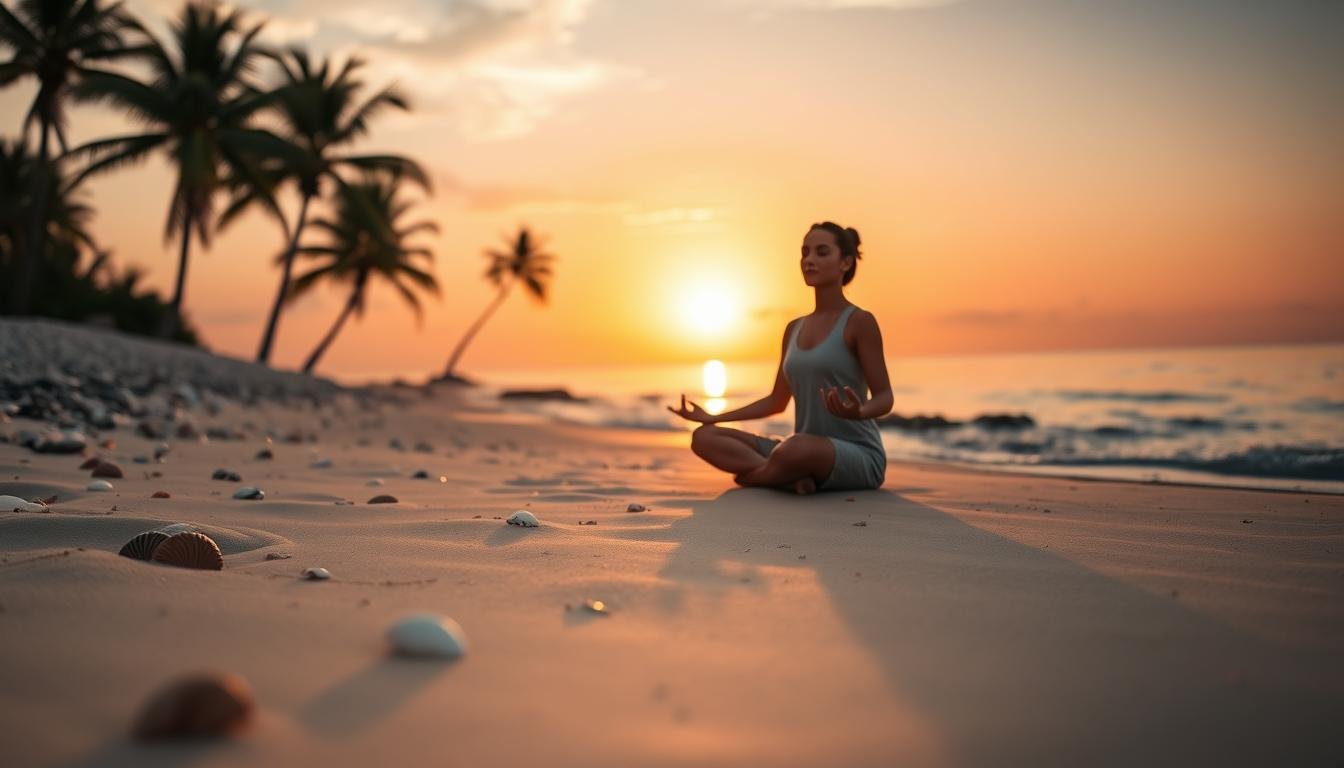
Have you ever felt the gentle rhythm of the waves as you breathe in and out? This simple practice allows you to connect with your surroundings, whether you’re at the shore or imagining the ocean in your mind. By focusing on your breath and the sensations in your body, you can cultivate a sense of calm and presence.
Beach meditation is not about complicated techniques. It’s about being aware of the moment, letting your thoughts come and go without judgment. Many people find that this practice helps reduce stress and improves their attention span. In fact, some studies suggest that children can sleep up to 70 extra minutes after engaging in guided imagery.
As you embark on this journey, remember that it’s okay to pause whenever you feel discomfort or distraction. The goal is to notice your thoughts and gently return to your breath. With time, you may find that this simple practice brings you a deeper sense of peace.
Key Takeaways
- Focus on your breath and sensory experiences to enhance mindfulness.
- Imagine the ocean to deepen your practice, even if you can’t visit a shoreline.
- Guided imagery can lead to improved attention and stress relief.
- Children may experience longer sleep after practicing guided meditation.
- It’s important to listen to your body and take breaks when needed.
Preparing for Your Beach Meditation Journey
Picture yourself by the ocean, ready to embark on a calming journey. Setting the right environment is crucial for a successful mindfulness practice. Start by finding a quieter spot, away from heavy foot traffic. This will help you focus and enjoy your 15-minute session.
Next, think about your comfort. You can sit upright or lie down using pillows, blankets, or bolsters for support. These will help your body relax and stay comfortable during the practice.
Gather your essentials before you begin. Bring a towel or blanket, water, sunscreen, and a light layer to adjust to changing temperatures. This ensures that you can fully enjoy the warmth of the sun and the coolness of the air without interruption.
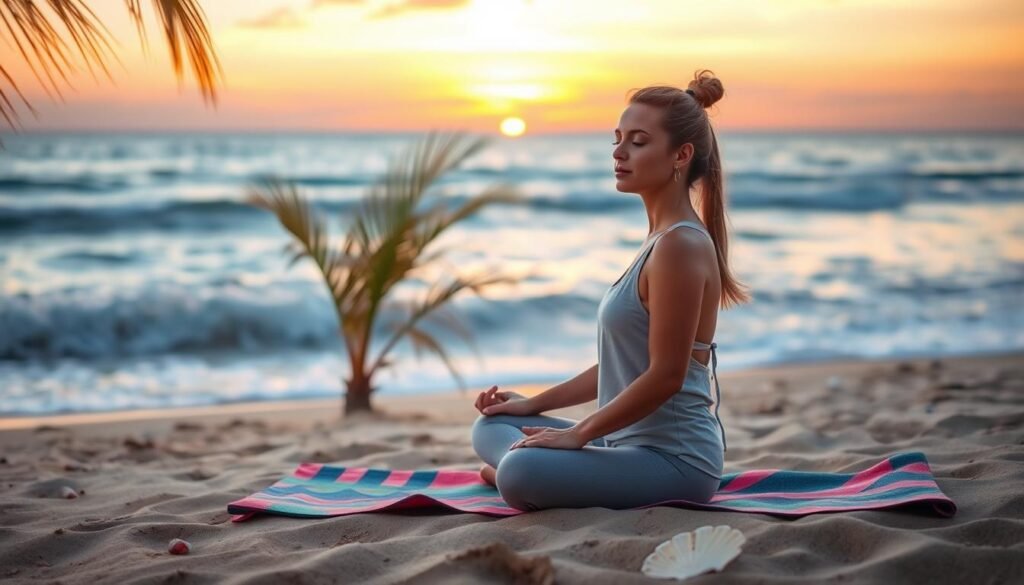
When conditions are safe, consider going barefoot. Feel the sand beneath your feet and the sensation around your toes. This connection to the earth can enhance your experience.
If you’re practicing with children, keep them warm in cooler weather. Encourage them to imagine the beach experience while staying cozy. Lastly, read any guided script in advance and take a few calming breaths to set a relaxed pace.
| Preparation Steps | Details |
|---|---|
| Choose a Quiet Spot | Avoid heavy foot traffic for better focus. |
| Comfortable Position | Use pillows or blankets for support. |
| Gather Essentials | Bring water, sunscreen, and a light layer. |
| Go Barefoot | Feel the sand and enhance your connection. |
| Warmth for Children | Keep them cozy before starting the imagery. |
Embracing Practical Beach Meditation Techniques
Imagine standing at the water’s edge, feeling the sun warm your skin. This moment invites you to explore the world around you through guided imagery. Let’s walk through a simple practice that lasts about 15 minutes, focusing on sensory experiences.
Step-by-Step Guided Imagery
Start with a body scan. Visualize yourself at the top of a staircase. With each step down, allow yourself to relax deeper. Picture almost white fine sand beneath your feet and a blue ocean stretching out before you.
As you settle into this scene, notice the gentle waves lapping at the shore. Observe two seagulls soaring above and a tiny sailboat in the distance. Feel the salty air and gentle wind on your face, enhancing your sense of calm.
Sensory Exploration by the Ocean
Now, take a slow walk along the shoreline. Wiggle your toes in the sand and feel the cool moisture around your feet. Listen to the sound of the surf, the wind, and the whispers of the sea. Notice the textures of shells and rocks, and breathe in the fresh air.
Internal and External Link Tips for Further Reading on BetterLifeAtlas
To deepen your practice, consider exploring a guide to breathing exercises or learn about mindful walking. For additional resources, you can find a free printable meditation PDF with over 50 guided scripts, while respecting copyright limits.
| Technique | Description |
|---|---|
| Body Scan | Begin by relaxing each part of your body, starting from your head to your toes. |
| Imagery | Visualize the ocean, sand, and sky to create a calming mental picture. |
| Sensory Awareness | Engage with the sounds, textures, and smells around you. |
| Mindful Walking | Feel the sand underfoot and observe the waves as they move. |
| Gratitude Closure | End with ten deliberate steps back to alertness, expressing gratitude for the experience. |
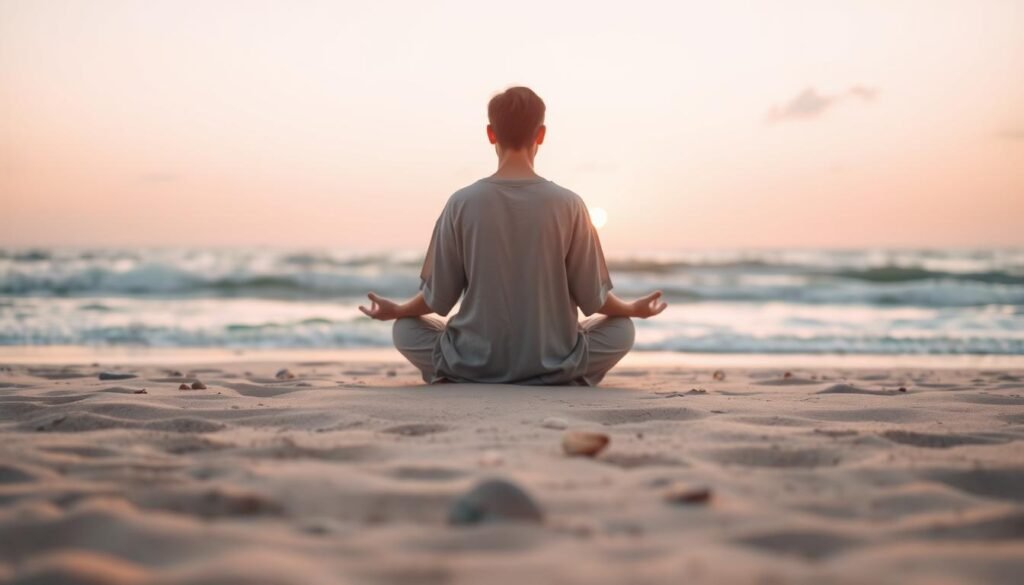
Understanding the Benefits of beach meditation
Imagine the sensation of soft sand beneath your feet as you take a moment to breathe. This practice offers numerous benefits, particularly for stress relief and relaxation. Focusing on the waves and the vast ocean can help anchor your mind during stressful moments. As you breathe steadily, you may notice a gradual decrease in muscle tension and an increase in awareness of the warmth of the sun and the sound of the water.
Stress Relief and Relaxation
Engaging in beach meditation can provide a calming effect on your mind and body. The rhythmic sound of the waves can serve as a natural anchor, helping you release daily stressors. This gradual relaxation process often involves slower breathing and a heightened sense of peace.
Improved Sleep and Focus
Research suggests that children practicing guided meditation may experience improved sleep, with some even sleeping up to 70 extra minutes at night. Many children fall asleep before the meditation ends, making it a great addition to bedtime routines. Encouraging open conversations about feelings after the practice can also foster emotional well-being.
| Benefit | Description |
|---|---|
| Stress Relief | Focus on waves and breathing to reduce tension. |
| Relaxation | Gradual awareness of warmth and sound enhances calm. |
| Improved Sleep | Children may gain extra sleep from guided practices. |
| Enhanced Focus | Mindfulness can improve attention spans. |
| Emotional Connection | Discussing feelings post-practice supports growth. |
Conclusion
Visualize a serene moment where you can breathe deeply and feel grounded. This practice is all about creating a routine that works for you. Start by settling your body comfortably and focusing on your breath. Allow yourself to explore the sensory experiences of the shore, even if it’s through guided imagery.
Consider beginning with a manageable 15-minute session. Remember, the visualization process includes ten steps to enter the experience and ten to return. Sand beneath your feet is optional; guided imagery can effectively recreate that soothing environment when a shoreline isn’t accessible.
As you conclude, gently move your body and slowly open your eyes, reflecting on the experience. This simple yet profound practice can enhance your daily life and bring moments of calm whenever you need them.
FAQ
What is beach meditation?
Beach meditation is a mindfulness practice that involves focusing on the sounds, sights, and sensations of the ocean to enhance relaxation and clarity of mind.
How can I prepare for beach meditation?
Preparing involves finding a quiet spot on the sand, ensuring you’re comfortable, and gathering essentials like a towel, water, and sunscreen.
What techniques can I use during beach meditation?
You can use guided imagery to visualize peaceful scenes, engage in sensory exploration by noticing the waves and the wind, or simply focus on your breath while listening to the ocean.
What are the benefits of practicing beach meditation?
Benefits include stress relief, improved sleep quality, enhanced focus, and a greater sense of overall well-being.
How long should I meditate at the beach?
Start with 10-15 minutes and gradually increase the duration as you become more comfortable with the practice.
Can I meditate at the beach if I’m a beginner?
Absolutely! Beach meditation is accessible for everyone, regardless of experience. Just find a comfortable spot and allow yourself to relax.