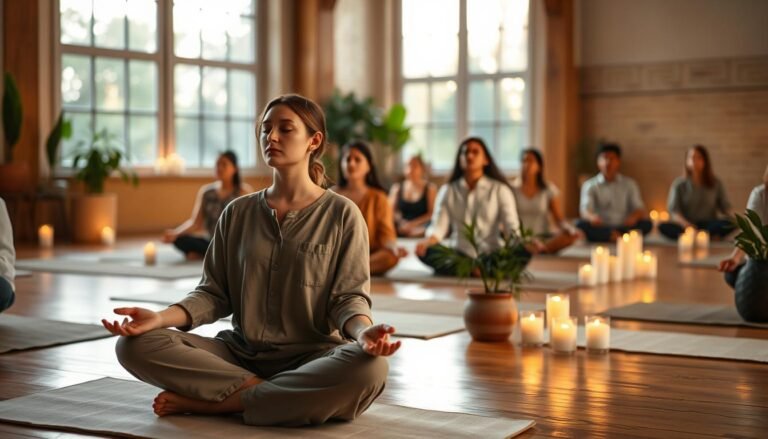
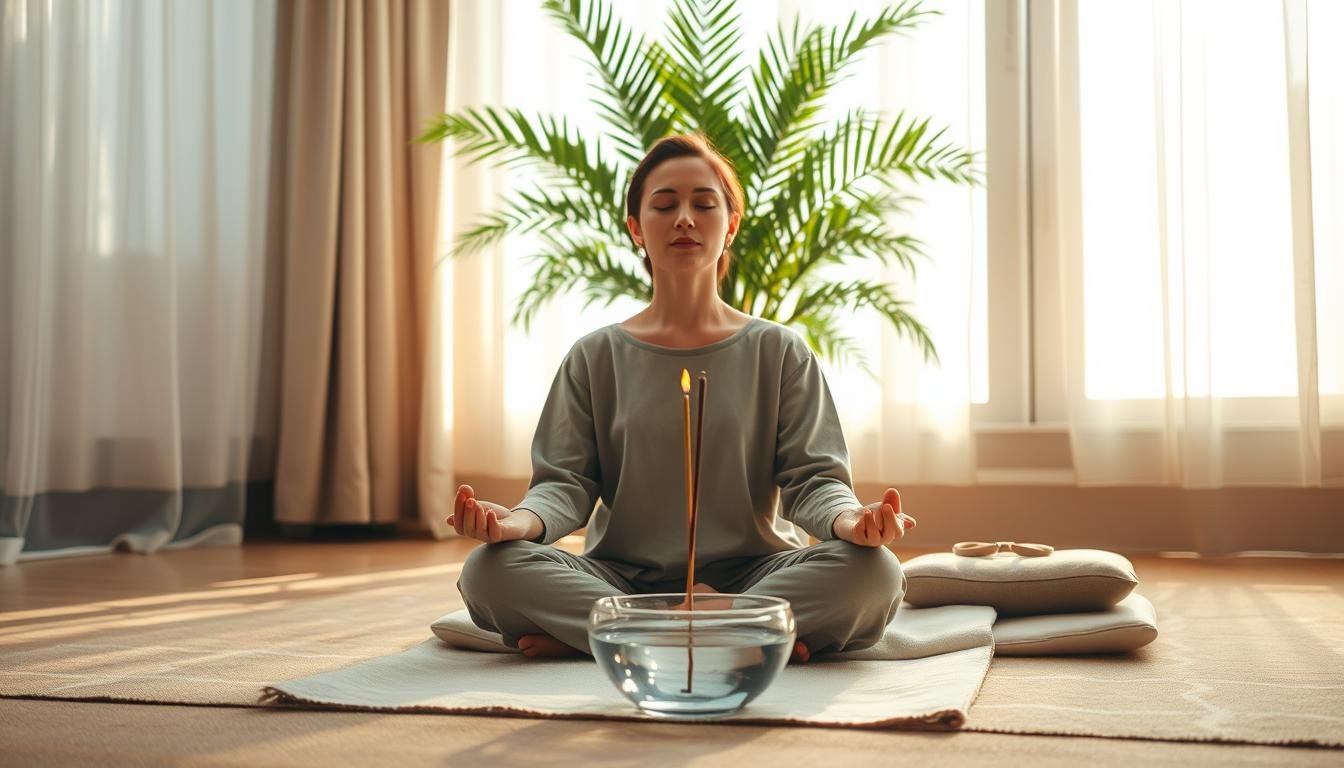
Mindfulness and Meditation: Understanding the Difference and How They Work Together
Have you ever noticed how your mind wanders, especially when you need to focus? This is where mindfulness comes in. It is your natural ability to be aware of the present moment. In contrast, meditation is a structured practice designed to enhance this ability. Jon Kabat-Zinn, a pioneer in this field, defines mindfulness as “awareness arising through purposeful, present-moment, nonjudgmental attention.”
While both concepts overlap, they serve different purposes. Think of mindfulness as a quality of attention you can cultivate daily. On the other hand, meditation is a specific technique that helps you develop that quality. One popular method is mindfulness meditation, which encourages you to observe your breathing, body sensations, and thoughts without judgment.
It’s important to set realistic expectations. The Mindfulness-Based Stress Reduction program, created by Jon Kabat-Zinn, aims to cultivate awareness rather than offer instant calm. As you explore these practices, you’ll find simple exercises and free guided sessions available through apps like Mindful. These can help you start your journey toward a more aware and balanced life.
Key Takeaways
- Mindfulness is about present-moment awareness, while meditation is a structured practice.
- Both concepts can enhance your focus and reduce stress.
- Mindfulness meditation helps you observe thoughts and feelings without judgment.
- Set realistic expectations; awareness takes time to cultivate.
- Explore free resources to find what works best for you.
What is Mindfulness?
Mindfulness is about noticing your experiences, both inside and outside, moment by moment. It involves being aware of what you see, hear, smell, taste, and feel. This awareness can include the sensation of a banister as you walk or the taste of your food as you eat. By tuning into these details, you become more present in your daily life.
It’s important to understand that awareness doesn’t mean you have to believe every thought or react to every feeling. Instead, think of it as observing your experiences with curiosity. As Jon Kabat-Zinn puts it, it’s about nonjudgmental attention. This means looking at your thoughts and feelings without labeling them as good or bad.
You can practice this during everyday activities. For instance, pause before answering the phone or take a moment to really listen during a conversation. Remember, mindfulness isn’t about stopping your thoughts. It’s about noticing when your mind wanders and gently bringing your focus back.
Definition and Key Elements
Mindfulness in Daily Life
Understanding Meditation
Have you noticed how often your mind drifts away from the present moment? This is where meditation comes in. It’s an exploration of sensations, emotions, sounds, and thoughts. Rather than aiming for a completely empty mind, you can approach meditation as a journey of awareness.
One effective method is Harvard’s four-part sequence: sit, focus, expand, and embrace. Start by sitting comfortably, allowing your shoulders to relax. Next, focus on your breath. Notice the air moving through your nose or how your belly rises and falls.
Breathing serves as an anchor because it’s always available, no matter the situation. When your mind wanders—and it will—gently return your attention to your breath. This act of noticing and returning is central to the practice.
Exploring Meditation Practices
- Approach meditation as an exploration rather than a fixed destination.
- Utilize Harvard’s four-part sequence for a structured practice.
- Focus on your breath, which is a reliable anchor during any moment.
- Normalize mind wandering; it’s part of the process.
Using the Breath as an Anchor
By observing your breath, you can cultivate awareness and reduce stress. This simple practice can be done in just a few minutes each day.
Mindfulness and Meditation in Practice
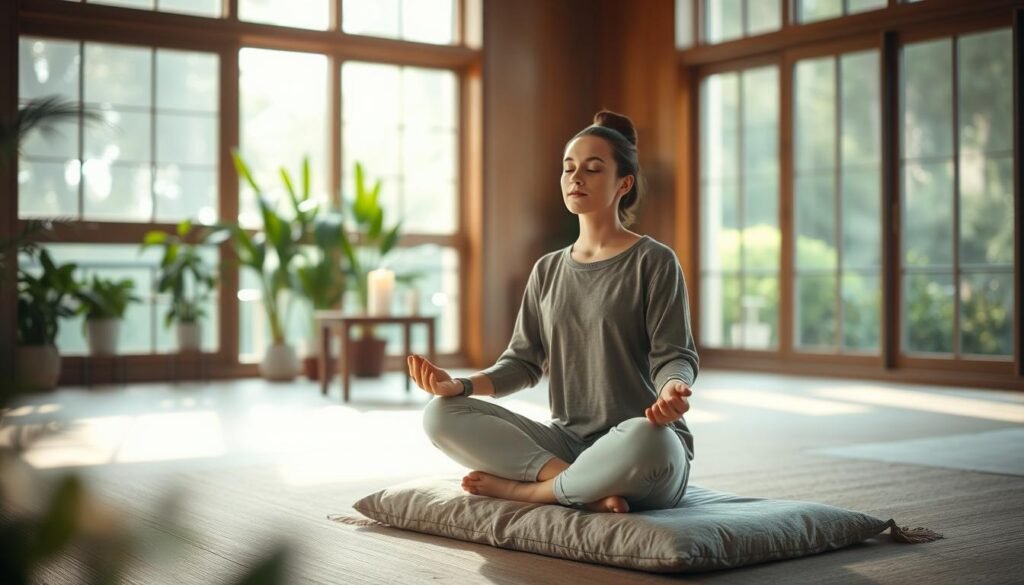
Is it difficult for you to create a space for stillness in your hectic routine? Starting with simple practices can make a significant difference. Consider using the Mindful app, which offers guided sessions lasting just 3 to 10 minutes. This allows you to ease into your practice without feeling overwhelmed.
One effective technique is the body scan. This practice guides your attention through various physical sensations, helping you notice tension without labeling discomfort as a failure. Remember, it’s all about observing.
Another approach is loving-kindness meditation. This method encourages warmth toward yourself and others, especially when facing difficult emotions. It can be a gentle way to explore your feelings.
Creating a peaceful environment doesn’t require special equipment. A stable chair, a quiet corner, and a few uninterrupted minutes can be enough. Consider adding mindful movement through gentle yoga, walking, or tai chi. These activities can synchronize your breath with movement, enhancing your experience.
Simple Guided Practices
Creating a Peaceful Environment
Benefits of Mindfulness and Meditation
Have you ever wondered how your thoughts can shape your feelings and actions? Research shows that practices can significantly improve mental and emotional health. Studies associate these techniques with reduced stress, anxiety, and depression. However, it’s essential to note that results can vary for each person. They are not a universal solution.
By observing your thoughts as mere “mental events,” you can recognize unhelpful patterns before they influence your emotions and behavior. This awareness is a powerful tool for personal growth.
Practicing mindfulness can lead to cognitive gains such as improved concentration and flexible attention. These benefits often arise from returning your focus to an anchor, like your breath.
On a physical level, increased body awareness can help you relate differently to pain and discomfort. While these practices can enhance well-being, they should not be seen as cures for health conditions.
The National Institute for Health and Care Excellence (NICE) recommends mindfulness-based therapies for less severe depression. They also encourage employers to provide these practices to support mental well-being in the workplace.
Integrating Mindfulness into Your Everyday Routine
Do you find it challenging to stay focused amid daily distractions? You can easily weave moments of awareness into your busy life. Simple exercises can help you build consistency and stay present throughout your day.
Here are some quick exercises you can try:
- Three-Breath Pause: Before answering the phone or entering a meeting, take a moment to pause and breathe three times. This helps center your thoughts.
- Sensory Meals: Turn your meals into a sensory experience. Notice the flavors, temperatures, and textures before returning to conversation or screens.
- Mindful Commute: During your commute, focus on the sounds around you, the feeling of the seat, and your breath instead of worrying about the day ahead.
- Silently Name Experiences: When you feel tension, silently label it as “planning” or “worry.” This creates distance from automatic reactions.
- Routine Integration: Build mindfulness into existing routines, like your morning trip or lunchtime walk, rather than waiting for a free moment.
These small practices can make a big difference. They allow you to reconnect with the present moment, making your day feel more manageable. For more resources, explore this link.
Mindfulness and Meditation: A Synergistic Approach
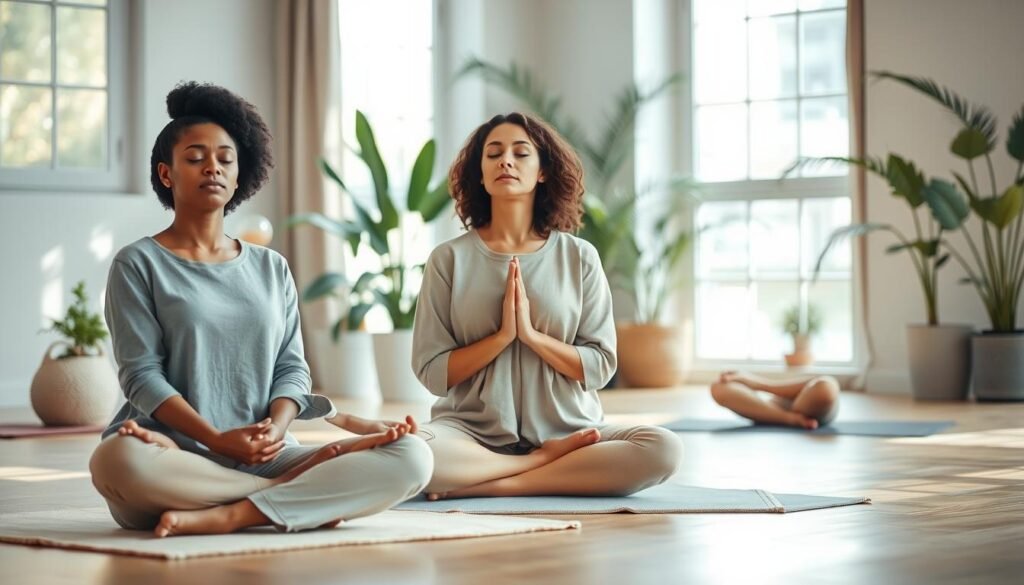
Have you thought about how training your awareness can change your interactions with the world? These two practices work together to enhance your ability to focus and respond thoughtfully. Regular practice can lead to neural remodeling, which strengthens pathways in your brain related to concentration and flexibility.
Ellen Langer describes this process as noticing new things about the familiar. This perspective can transform mundane experiences into opportunities for fresh insights. Imagine how your daily routine can shift when you begin to observe the little details you usually overlook.
Many professionals, from athletes to teachers, have adopted these practices to improve their performance. For instance, athletes use tactical breathing and acceptance techniques to maintain focus under pressure. This allows them to respond deliberately rather than react automatically.
Exploring Research and Evidence
Curious about how studies validate the impact of awareness on mental health? Research from Harvard Medical School dives into the neuroscience behind these practices. They explore how attention, emotion, and brain activity interact.
Matthew Sacchet leads the Massachusetts General Hospital Meditation Research Program. This institution investigates advanced meditation techniques and their outcomes. Their findings provide insights into how these practices can support mental well-being.
One notable study focused on family caregivers of individuals with dementia. Researchers found that mentalizing imagery therapy significantly reduced depression and anxiety rates, improving overall well-being.
Additionally, mindfulness-based cognitive therapy may assist those experiencing PTSD after a heart attack. However, it’s crucial to note that these practices are not replacements for medical care.
While the evidence is promising, it remains uneven. Mindfulness may not benefit everyone, highlighting the need for further research across various health conditions.
Tips for Getting Started with Your Practice
Are you ready to take the first step toward a more focused life? Starting your journey into awareness can feel daunting, but it doesn’t have to be. With the right resources, you can easily begin.
One great way to start is by using the Mindful app. It offers free guided sessions that last just 3 to 10 minutes. Focus on practicing consistently rather than judging each session. This approach helps you build a habit without feeling overwhelmed.
If you prefer a structured course, consider the Mindfulness-Based Stress Reduction program by Jon Kabat-Zinn. It’s research-backed and designed for those looking for a more formal introduction.
When choosing a teacher, ask yourself:
- Do you have good chemistry with them?
- Are they accessible when you need help?
- Do they understand the practice well?
- Do they treat you like a friend?
Engaging with the BetterLifeAtlas community can also enhance your experience. Share your routines, questions, and any setbacks. This support makes your practice feel more encouraging rather than competitive.
For more insights, check out related articles on stress management, sleep, and emotional well-being. You can find them through this link.
| Resource | Type | Duration |
|---|---|---|
| Mindful App | Guided Sessions | 3-10 minutes |
| Mindfulness-Based Stress Reduction | Structured Course | Varies |
| BetterLifeAtlas Community | Support Network | Ongoing |
Conclusion
Noticing the present can be a powerful tool for personal growth. Remember, awareness is about observing your experiences. Meanwhile, practicing intentionally can strengthen this ability.
Returning to your breath after a distraction is not a failure; it’s the essence of the practice. Starting small is key—try a three-minute session or take a mindful pause before a phone call.
Research from institutions like Harvard and Massachusetts General Hospital shows promise, but these practices may not suit everyone. Keep exploring and learning through BetterLifeAtlas articles and community support.
FAQ:
- Is there a wrong way to meditate? No; noticing when your mind wanders is part of the process.
- Do I need to meditate every day? No, but having a regular time can help.
- Can mindfulness replace therapy? No; it complements care but isn’t a substitute.
- What if sitting feels difficult? Try gentle movement or sensory exercises instead.
- How long should a beginner meditate? Start with three minutes and gradually increase.
FAQ
What is the difference between mindfulness and meditation?
Mindfulness is the practice of being fully present and aware of your thoughts and feelings without judgment. Meditation, on the other hand, often involves specific techniques to focus the mind, such as breathing exercises or guided imagery.
How can I incorporate mindfulness into my daily life?
You can start by taking a few moments each day to pause and focus on your breath. Try to engage fully in everyday activities, like eating or walking, by paying attention to the sensations and experiences involved.
What are some simple meditation practices I can try?
Some easy practices include deep breathing exercises, body scans, or guided meditations. You can find many resources online or through apps that offer short sessions to fit your schedule.
How does mindfulness benefit mental health?
Practicing mindfulness can reduce stress, anxiety, and depression by helping you become more aware of your thoughts and emotions. This awareness allows you to respond to challenges more effectively and with greater calm.
Can mindfulness help with physical health issues?
Yes, studies have shown that mindfulness can lower blood pressure, reduce chronic pain, and improve overall physical well-being. By promoting relaxation, it supports the body’s healing processes.
What techniques can I use to stay present throughout the day?
Techniques include setting reminders to check in with your breath, practicing gratitude, or taking short breaks to engage in mindful observation of your surroundings. These practices can help anchor you in the present moment.
Is there scientific evidence supporting the benefits of mindfulness?
Yes, research from institutions like Harvard has shown that mindfulness practices can lead to changes in brain structure and function, enhancing areas related to emotional regulation and cognitive flexibility.
How can I find resources for guided mindfulness sessions?
Many apps and websites offer guided sessions, including Headspace, Calm, and Insight Timer. These resources provide a variety of options to help you start or deepen your practice.
What is the BetterLifeAtlas community?
BetterLifeAtlas is a supportive community where individuals can connect, share experiences, and find encouragement in their mindfulness and meditation journeys. Joining can enhance your practice and provide motivation.