Mantra Meditation: How to Use Repetition for Focus and Calm
Have you ever felt overwhelmed by your thoughts? You’re not alone. Many people struggle to find a quiet mind in today’s fast-paced world. Mantra meditation offers a simple yet powerful solution. By repeating a sacred word or phrase, you can give your mind a steady point of focus. This practice helps create a calmer mental space, allowing you to find peace amid the chaos.
The term “mantra” comes from Sanskrit, where “man” means mind and “tra” means tool. This ancient technique has been used for thousands of years across various spiritual traditions. As a beginner, you can start with just 5 to 10 minutes of practice. Over time, you can gradually extend your sessions to 20 minutes or more.
By embracing this method, you can enhance your ability to concentrate and experience emotional balance. Remember, consistency is key. Even short daily sessions can yield significant benefits, making it accessible for those with busy schedules.
Key Takeaways
- Mantra meditation involves repeating a sacred word or phrase to focus the mind.
- This practice can help create a quieter mind for those whose thoughts often dominate.
- The Sanskrit meaning of mantra is “instrument of the mind.”
- Beginners can start with 5-10 minutes and gradually increase their practice time.
- Consistency in practice is more important than lengthy sessions.
Introduction to Mantra Meditation
Are you searching for a way to calm your overactive mind? Mantra meditation can be a powerful tool. Defined by Chiti Parikh, MD, it involves repeating a specific sound or short phrase, either silently or aloud, to help focus and quiet the mind. This simple practice makes meditation more approachable for many people.
Unlike methods that rely solely on breath awareness or visualization, mantra meditation gives your mind a clear task. You can choose a mantra that resonates with you, whether it’s a traditional sound or a modern affirmation. This flexibility allows the practice to be secular, spiritual, or somewhere in between, depending on your intention.
A mantra can be spoken aloud, whispered, or repeated silently. Each time your thoughts wander, gently return your focus to the sound. This process not only enhances your awareness but also promotes a sense of peace and calm.
“The repeated sound or phrase gives the mind a simple task, making meditation more approachable.”
The Origins and Meaning of Mantras
What if the words you repeat have a deeper cultural significance? Understanding the roots of these phrases can enhance your practice. The term “mantra” comes from Sanskrit, where “man” means mind and “tra” signifies a tool or instrument. This highlights how these sounds serve as vehicles for focusing the mind.
In Hinduism, for instance, phrases like Om Namah Shivaya promote transformation, while the Gayatri Mantra seeks wisdom and illumination. Buddhist practitioners often use Om Mani Padme Hum, which is linked to compassion and mindfulness. Each tradition carries unique meanings and intentions.
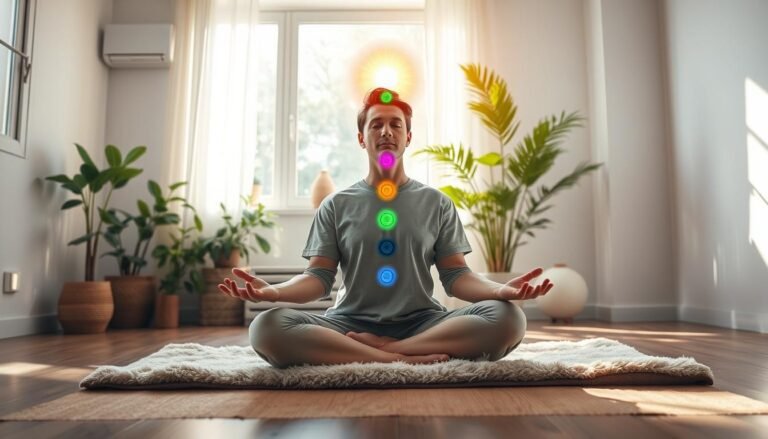
Yoga practices also utilize specific sounds, such as Lam for the root chakra and Yam for the heart chakra. These sounds connect to energy centers in the body, fostering a sense of balance and awareness. Other spiritual traditions, like Christianity and Sufism, incorporate repeated phrases, such as the Jesus Prayer and dhikr, enriching their spiritual journeys.
| Tradition | Example Phrase | Meaning |
|---|---|---|
| Hinduism | Om Namah Shivaya | Transformation |
| Buddhism | Om Mani Padme Hum | Compassion |
| Yoga | Lam | Root Chakra |
| Christianity | Jesus Prayer | Spiritual Connection |
| Sufism | La ilaha illallah | Faith in One God |
Before adopting a phrase, take time to learn its history and significance. This respect for tradition can deepen your practice and enhance your sense of peace.
Historical and Cultural Context
Have you ever wondered about the roots of the phrases you use in your practice? Understanding the historical and cultural significance of these sounds can greatly enhance your experience. In Eastern traditions, especially within Hinduism and Buddhism, mantras are integral to spiritual practice.
In Hindu Vedic traditions, mantra recitation is used in prayer, meditation, chanting, and spiritual discipline. One notable practice is japa, a quiet, personal repetition of a mantra, often done with prayer beads. This allows for deep introspection and connection to the self.
On the other hand, kirtan is a joyful, congregational practice involving call-and-response chanting, often accompanied by musical instruments. This creates a communal atmosphere that many people find uplifting.
An example of a significant mantra is the Hare Krishna Maha Mantra, which consists of sixteen words and is cited in the Kali-Santarana Upanishad, verses 5-6. This mantra includes the names Hare, Krishna, and Rama, each carrying profound meaning.
In Tibetan Buddhism, the repetition of Om Mani Padme Hum is associated with compassion and mindfulness. Remember, appreciating a mantra’s sound is important, but understanding its cultural and religious context is equally essential.
| Practice | Description | Example Mantra |
|---|---|---|
| Japa | Quiet personal repetition with prayer beads | Any chosen mantra |
| Kirtan | Group call-and-response chanting | Hare Krishna Maha Mantra |
| Buddhist Practice | Repetition linked to compassion | Om Mani Padme Hum |
The Science of Sound and Vibration
Have you ever noticed how certain sounds can influence your feelings and thoughts? This phenomenon is particularly relevant in the context of mantra practice. Repeating a mantra can reduce activity in the brain’s default mode network, which is often linked to daydreaming and worry.
Chiti Parikh, MD, emphasizes that this practice helps narrow your focus, making it easier to enter a meditative state. The physiological effects are notable too. Slower breathing during mantra repetition may activate your parasympathetic nervous system, promoting relaxation and lowering blood pressure.
Modern research supports these claims. A 2022 systematic review and meta-analysis highlights the benefits of mantra meditation for mental health. However, it’s essential to interpret traditional beliefs about sacred vibrations carefully. While they hold spiritual significance, scientific findings require thoughtful consideration.
If you experience anxiety or sleep issues, consider discussing mantra practice with a healthcare professional. This approach ensures you integrate meditation into your wellness routine safely.
| Aspect | Impact | Research Findings |
|---|---|---|
| Default Mode Network | Reduced activity | Less daydreaming and worry |
| Breathing | Slower pace | Supports relaxation response |
| Blood Pressure | Lower levels | Improved cardiovascular health |
Mastering mantra meditation Techniques
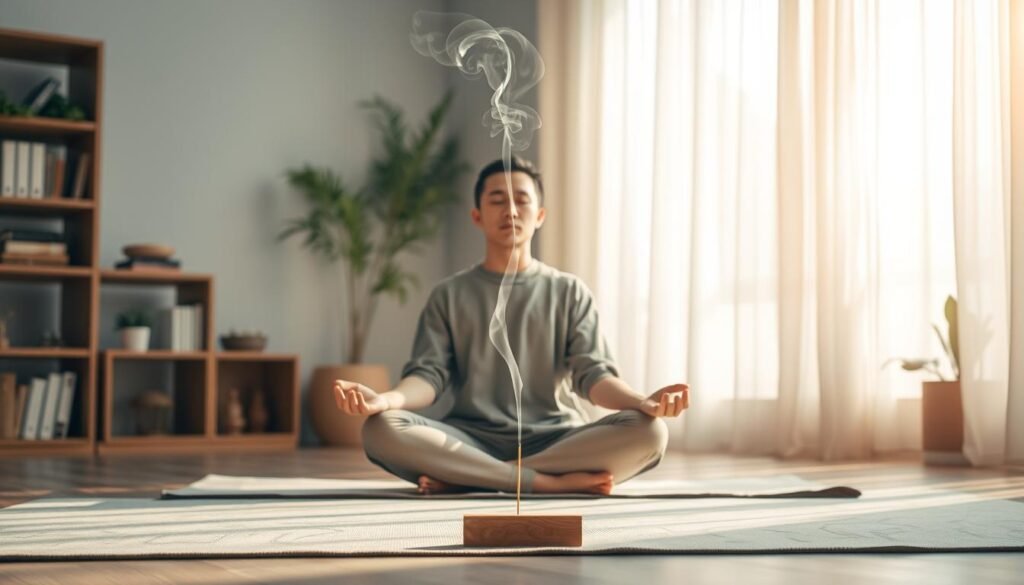
Are you curious about how sound can influence your mental clarity? Understanding the techniques for practicing mantra meditation can significantly enhance your experience. You can repeat mantras aloud, whisper them, or keep them silent in your mind. Each method offers unique benefits and can be tailored to your comfort level.
Nico Sarani suggests starting with simple breath awareness. Begin by focusing on your breath, then add the mantra as you exhale. Notice the physical vibrations that resonate in your body. This connection can deepen your practice and enhance relaxation.
As you grow more comfortable, you may shift from audible repetition to internal practice. This gradual progression allows your concentration to stabilize. Choose one technique to practice consistently for several sessions, rather than switching methods frequently. This approach fosters a deeper connection with your practice.
Finally, pay attention to how the vibrations feel within your body after each sound. This awareness can enrich your meditation experience, promoting a greater sense of calm and focus.
| Technique | Description | Benefits |
|---|---|---|
| Spoken | Repeat the mantra aloud | Enhances auditory focus |
| Whispered | Softly repeat the mantra | Creates a personal atmosphere |
| Silent | Mentally repeat the mantra | Deepens internal concentration |
Choosing a Resonant Mantra for Your Practice
Choosing the right phrase can transform your meditation experience. It’s essential to select a sound that resonates with you. This choice can significantly impact your focus and sense of peace during practice.
Traditional mantras, like Om and Om Namah Shivaya, carry historical and spiritual significance. They are often linked to deep-rooted practices and vibrations. On the other hand, modern affirmations such as “I am calm and centered” or “I am enough” express personal goals and desired mindsets.
When selecting a phrase, consider what you wish to cultivate—calm, confidence, or resilience. Testing a mantra over several sessions can help you gauge its effectiveness. Remember, the best choice is one you practice sincerely and consistently, not necessarily the most complex.
For traditional mantras, seeking guidance from a trained teacher can enhance your understanding of pronunciation and meaning. This can deepen your practice and help you connect with the vibrations more fully.
Creating a Conducive Environment for Meditation
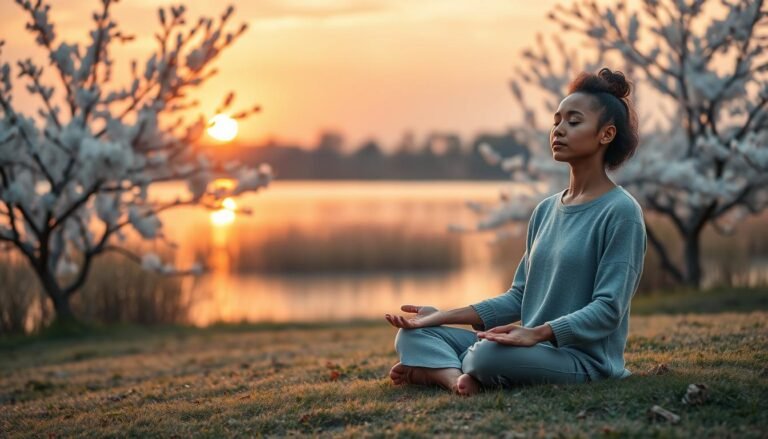
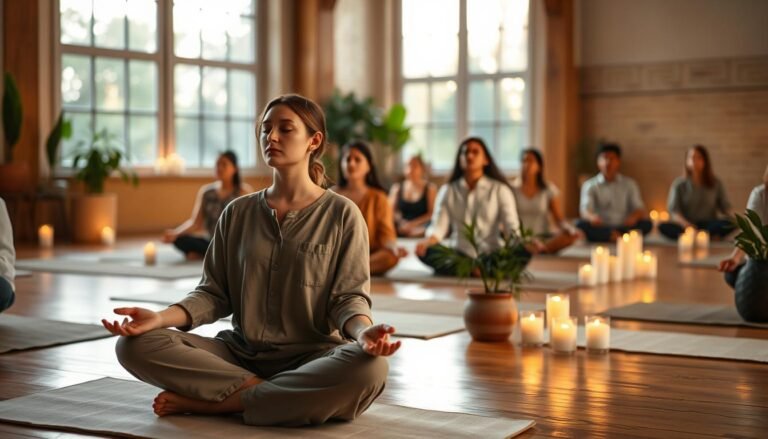
Creating the right atmosphere can significantly enhance your practice. A peaceful space allows you to focus better and feel more relaxed. Consider setting up in a quiet corner of your home, a comfortable chair, or even outdoors where you can connect with nature.
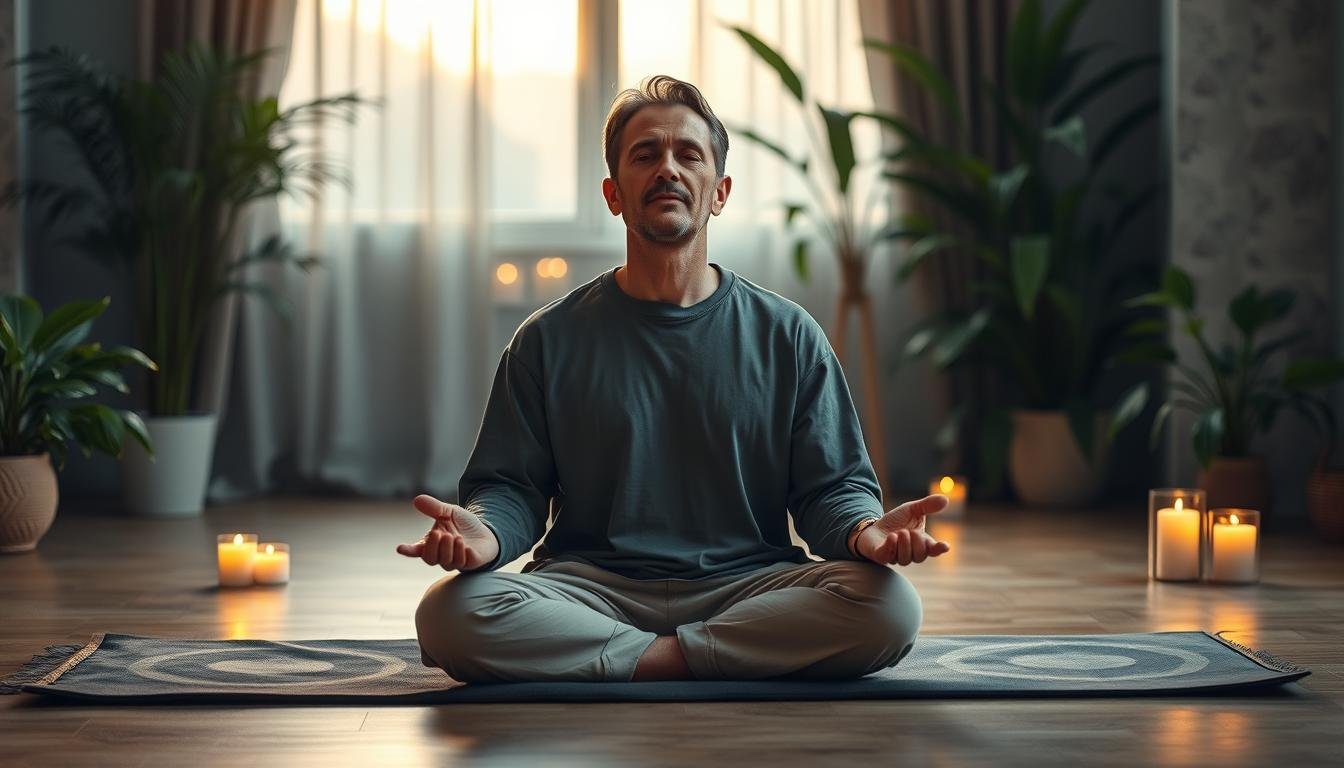
It’s essential to keep your spine upright yet relaxed. Rest your hands on your knees or in your lap. This posture promotes better breathing and focus. If you find it helpful, you can incorporate candles, flowers, or meaningful objects into your space. These items can create a supportive ritual that enhances your experience.
Using a 108-bead mala can also be beneficial. It serves as a tactile tool for counting repetitions without the need to check the clock constantly. Remember, comfort and consistency are more important than creating an elaborate setup. You don’t need special equipment to enjoy the benefits of your practice.
Step-by-Step Guide to Your Mantra Meditation Session
What if you could enhance your meditation experience with a few straightforward steps? A structured approach can make your practice more effective and enjoyable. Start by sitting comfortably, allowing your body to settle. Take several natural breaths to help center yourself.
Once you feel ready, introduce your chosen sound. You can repeat it aloud, softly, or silently. Keep the rhythm steady; don’t rush through each phrase. If you choose to use a 108-bead mala, move one bead for each repetition. This helps maintain focus on the sound rather than the count.
As thoughts arise, notice them without judgment. Gently return your attention to the next repetition, treating this return as part of your practice. Aim to start with 5-10 minutes, concluding with a few quiet breaths. Observe any changes in your mind or body.
Lastly, follow Nico Sarani’s advice to notice how the vibration feels after each sound, especially as you transition toward silent repetition. This awareness can deepen your connection to the practice.
Integrating Mantra Meditation into Your Daily Routine
Imagine starting and ending your day with a few peaceful moments dedicated to your mind. Integrating this practice into your daily routine can create a calming rhythm in your life.
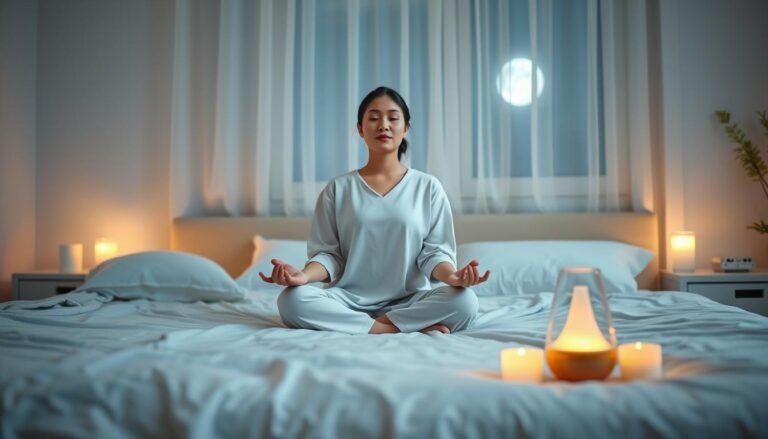
Consider a five-minute morning session before checking messages. Use those first quiet moments to establish your attention. In the evening, a soothing sound can help transition away from work and screens.
To build a sustainable habit, attach your practice to an existing routine. Whether it’s brushing your teeth or making coffee, this connection can help you remember to practice.
Practicing a few minutes daily is often more effective than one long session each week. Start with 5-10 minutes and gradually increase to 20 minutes when you feel comfortable. While sunrise is a traditional time, what matters most is consistency.
Experiencing the Holistic Benefits of Mantra Meditation
What if a few minutes of focused sound could bring you profound peace? Engaging in this practice can lead to significant benefits for your mental and emotional well-being.
One of the most notable advantages is stress reduction. Repeating a steady phrase can slow your breathing, promoting a parasympathetic relaxation response. This can help ease tension and create a sense of calm.
Additionally, mantra practice enhances your focus. By returning your attention to one sound, you train your mind to resist distractions. This skill can be invaluable in our fast-paced world.
Furthermore, this technique fosters self-awareness. You become more attuned to your thoughts and emotions, allowing you to observe them without immediate reaction. This awareness can lead to better emotional balance.
A recent 2023 randomized controlled trial highlighted these benefits. Participants in the mantra meditation group experienced a 61% reduction in sleepiness and an 80% decrease in insomnia severity over six weeks. While meditation can complement healthy sleep habits, it should not replace professional evaluation for persistent insomnia.
Addressing Common Misconceptions and Challenges
Do you have doubts about starting your practice due to common misconceptions? Many people hold beliefs that may hinder their journey in this practice. One common myth is that you must be fluent in Sanskrit to benefit. In reality, you can start with any sound or phrase that resonates with you.
It’s also important to note that this practice is not limited to those with religious beliefs. You can approach it as a secular method for training your attention and enhancing your focus. The beauty of this practice lies in its flexibility.
Additionally, many beginners worry about their wandering thoughts. This is completely normal! The key skill you are developing is gently returning your focus to the sound. Remember, even short phrases like “Om” or “Ram” can be effective.
If you’re concerned about time, starting with just five to ten minutes is perfectly acceptable. You can gradually increase your practice as you become more comfortable. Embrace the journey, and enjoy the peace it brings.
Practical Tips and Advanced Techniques for Ongoing Practice
What if there are simple ways to enhance your practice without feeling overwhelmed? Integrating breathwork can be a powerful addition to your sessions. Techniques like Nadi Shodhana, or alternate-nostril breathing, can help create a structured transition into your practice. This method promotes balance and focus.
Another technique to explore is Ujjayi, or ocean breathing. This practice encourages a calm, steady breath, making your mantra repetitions more effective. Keeping your breath comfortable and free of strain is key.
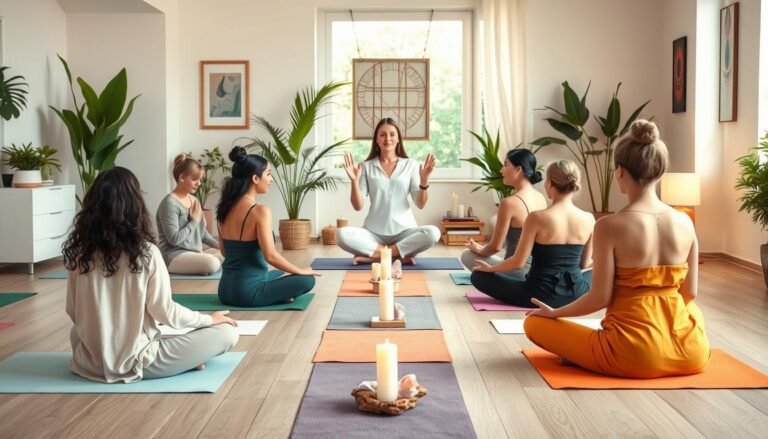
Consider incorporating bhajans or group chanting through satsang. These practices can foster a sense of community and keep you engaged. Music often enhances the experience, making it more enjoyable.
If you’re looking for personalized guidance, seek support from an Art of Living-trained teacher. They can help you select or pronounce a traditional phrase effectively.
Finally, track your session length, energy, mood, and ease of concentration for two weeks. This practice can provide insights into your progress without focusing solely on extraordinary experiences.
Conclusion
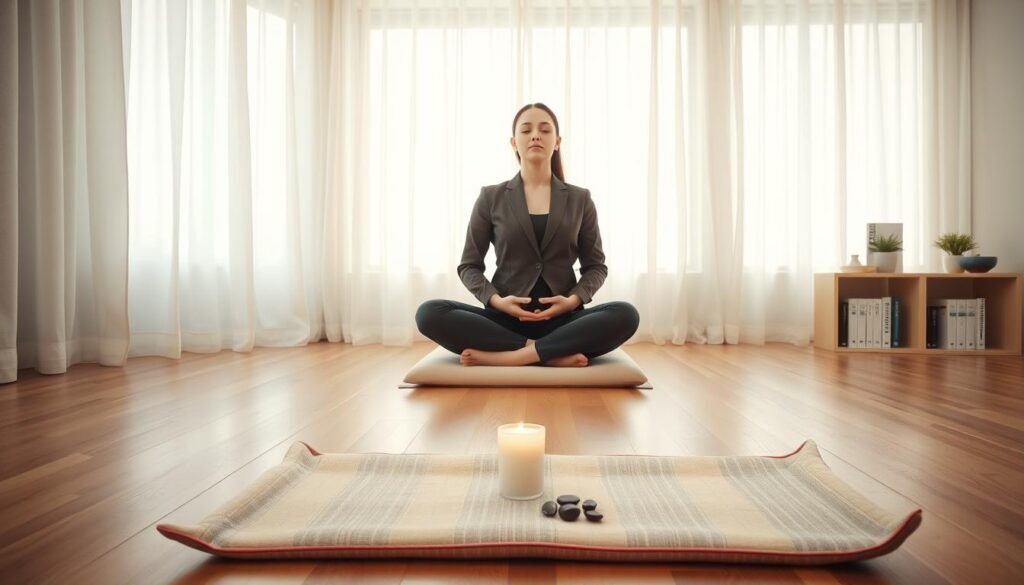
What if you could tap into a simple practice that brings calm to your daily routine? Mantra meditation serves as a powerful tool to help you steady your attention and find peace. By using repetition and sound, you can cultivate a deeper awareness of your thoughts and emotions.
Start with just 5-10 minutes each day, gradually increasing your practice as it feels sustainable. Both traditional phrases and modern affirmations can enrich your experience when approached thoughtfully. At the end of each session, take a moment to breathe quietly and notice how your body and mind feel.
For further guidance on integrating these practices into your life, explore resources like , which offers tools for enhancing your mindset and achieving clarity.
FAQ
What is the purpose of using a mantra in meditation?
A mantra serves as a focal point to help quiet the mind, allowing for deeper concentration and a sense of peace during your practice.
How do I choose the right mantra for my practice?
Selecting a mantra that resonates with you personally is key. Consider your goals and what you wish to cultivate, whether it’s calmness, focus, or positivity.
Can mantra meditation help reduce stress?
Yes, many people find that the repetition of a mantra can help alleviate stress by promoting relaxation and enhancing emotional balance.
How long should I practice mantra meditation each day?
Even a few minutes of practice can be beneficial. Aim for 5-10 minutes daily to start, gradually increasing the time as you become more comfortable.
Is it necessary to sit in a specific position while meditating?
While traditional practices suggest seated positions, the most important aspect is that you feel comfortable and can maintain focus. Find a position that works for you.
What should I do if my mind wanders during practice?
It’s natural for thoughts to arise. Gently bring your attention back to your chosen phrase without judgment, allowing yourself to return to the present moment.
Are there any health benefits associated with mantra meditation?
Yes, research suggests that this practice can improve mental clarity, enhance self-awareness, and contribute to overall well-being.
Can I use a mantra outside of meditation sessions?
Absolutely! You can incorporate your mantra into daily activities or moments of stress to help maintain focus and calm throughout your day.