Body Scan Meditation: A Step-by-Step Practice for Deep Relaxation
Body scan meditation is a powerful mindfulness practice that guides you through different regions of your body, from head to toe. This technique encourages you to notice physical sensations without judgment. You can do this practice while lying down or sitting up, making it accessible for everyone.
For beginners, a session typically lasts around 30 to 40 minutes, but shorter sessions can also be effective. You may find that relaxation develops gradually, so don’t worry if it doesn’t happen right away. Each time you practice, you’re building awareness and reducing stress.
In this article, we’ll explore the basics of mindfulness and its benefits. We’ll provide actionable guidance on preparing for your practice, along with detailed instructions. Whether you have a few minutes or a longer stretch of time, you can adapt this practice to fit your needs.
Key Takeaways
- Body scan meditation helps you develop body awareness.
- It is suitable for beginners and can be adapted to your schedule.
- Relaxation may come gradually, not instantly.
- This practice can significantly reduce stress levels.
- Each session, regardless of length, is beneficial.
Introduction to Mindfulness and Body Scan Meditation
Mindfulness is about paying attention to your immediate experiences with an open and curious mindset. It encourages you to notice what is happening in your surroundings and within yourself. This practice can significantly enhance relaxation by helping you focus on the present moment.
Jon Kabat-Zinn’s Mindfulness-Based Stress Reduction framework emphasizes that mindfulness involves full attention to real-time experiences. By focusing on your breath and sensations, you can interrupt repetitive stress responses without needing to empty your mind.
The body scan technique is a gradual meditation that starts with your breath. You explore one area of your body at a time, becoming aware of various sensations. These might include pressure, tightness, or even emotional reactions. This practice not only fosters body awareness but also promotes mental health and overall well-being.
To learn more about mindfulness, check out the BetterLifeAtlas guide on mindfulness meditation and explore a practical breathing exercise for enhancing your practice.
What is body scan meditation?
The technique of body scan meditation invites you to explore the sensations throughout your entire self. This practice encourages you to notice pain, tension, comfort, and neutral feelings across various areas. It is a powerful tool for developing mindfulness and awareness.
Modern programs, particularly those linked to Jon Kabat-Zinn, have introduced structured body scan meditations into clinical settings. His book, Full Catastrophe Living, co-authored with Thich Nhat Hanh in 2009, marks a significant milestone in making mindfulness accessible to many.
During a session, you might focus on each sensation for about 20 seconds to a minute. This method can follow a consistent route from your feet to your head, or any way that feels comfortable. Remember, there is no right or wrong way to practice; the aim is to engage with your experiences without judgment.
| Aspect | Description | Duration |
|---|---|---|
| Focus | Noticing sensations across different parts | 20 seconds to 1 minute per area |
| Route | Feet to head or any comfortable path | Flexible |
| Goal | Curious awareness without judgment | Ongoing practice |
Benefits of Body Scan Meditation for Body and Mind
Engaging in body scan practices can offer numerous advantages for both your mental and physical health. This technique helps you tune into your sensations, allowing you to manage stress and anxiety more effectively. By noticing how your body feels in different moments, you can identify tension before it escalates.
Research indicates that mindfulness techniques may enhance sleep quality. A 2019 review found that mindfulness practices can reduce the impact of sleep issues, making it easier for you to achieve restful nights. When you incorporate body awareness into your routine, you may find that relaxation becomes more accessible.
Moreover, a 2021 meta-analysis suggested that mindfulness and meditation could help alleviate stress and anxiety symptoms. While these findings are promising, more research is needed to fully understand their impact. Remember, these practices can support your well-being, but they are not a substitute for professional therapy when needed.
| Benefit | Description | Research Support |
|---|---|---|
| Stress Reduction | Helps notice physical activation before it overwhelms | 2021 meta-analysis |
| Improved Sleep | Enhances sleep quality and reduces sleep problems | 2019 review |
| Pain Management | Supports awareness of pain and tension | 2017 review |
Preparing Your Space for a Relaxing Meditation Session
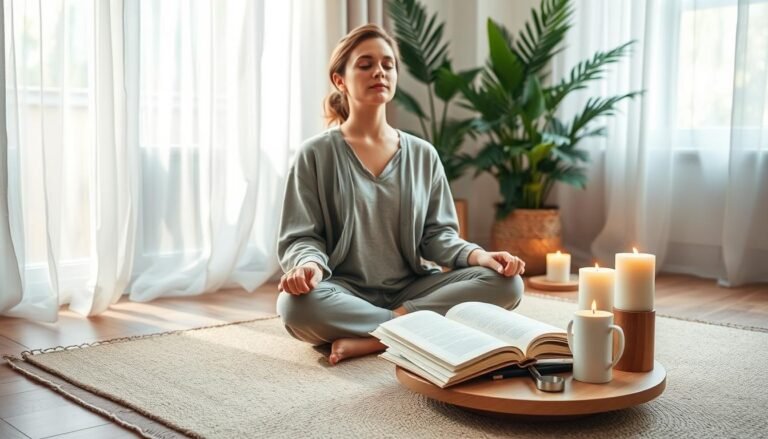
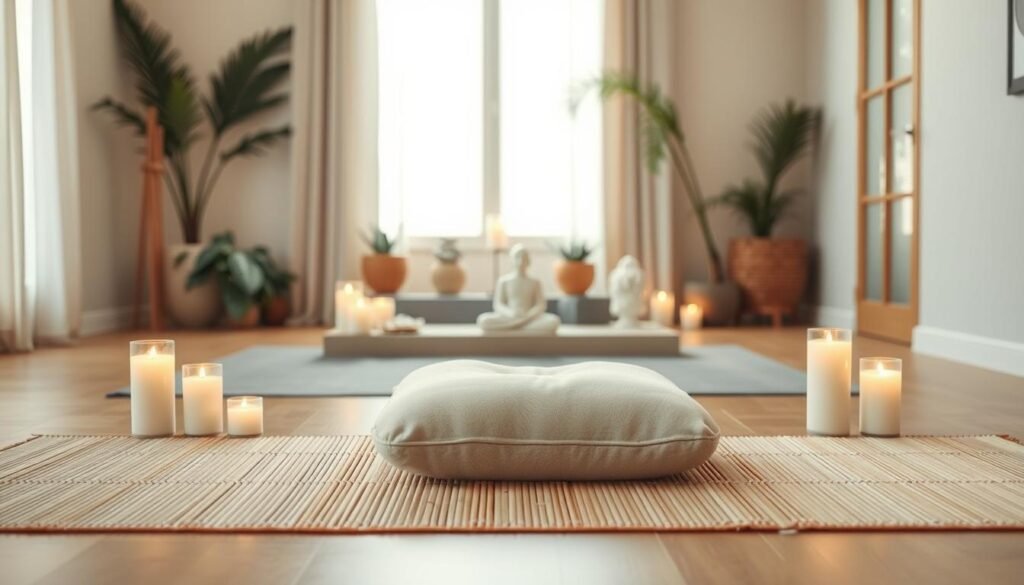
Creating a peaceful environment is essential for a successful meditation session. A well-prepared space helps you relax and focus your mind. Start by choosing a quiet area where you won’t be disturbed for several minutes. This could be a cozy corner of your home or even a peaceful outdoor spot.
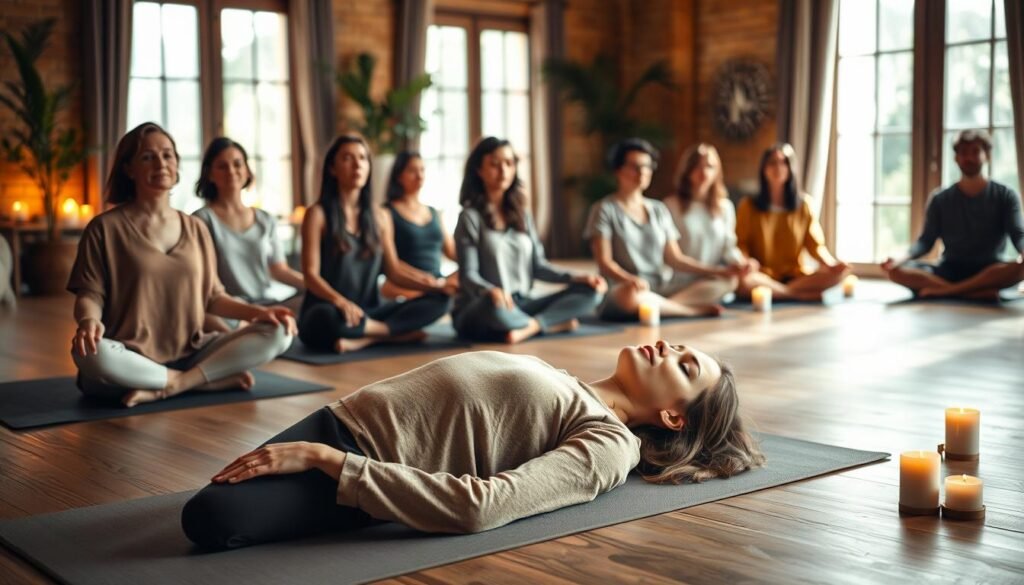
Comfort is key. Use a supportive chair or a soft spot on the floor. Wear comfortable clothing and consider having a blanket or pillow nearby. This will help your body stay still without unnecessary strain. Remember, lying down can promote relaxation, while sitting with supported legs can keep you alert.
To minimize distractions, silence notifications on your devices and inform those nearby that you need some quiet time. Dimming harsh lights can also create a calming atmosphere. While closing your eyes is an option, a lowered or half-open gaze may feel more comfortable if complete darkness is unsettling.
Finally, it’s crucial to note that meditation should only be practiced when you are stationary. Never attempt this while driving or operating machinery.
| Setup Aspect | Recommendation | Benefits |
|---|---|---|
| Location | Choose a quiet area | Minimizes distractions |
| Posture | Comfortable chair or floor | Supports relaxation |
| Lighting | Dimming harsh lights | Creates a calming atmosphere |
Step-by-Step Guide to Performing a Body Scan Meditation
To begin your journey with this practice, find a comfortable position and take a moment to breathe deeply. This initial step is crucial for grounding yourself and preparing for the experience ahead.
Getting comfortable and starting with deep breaths
Settle into a chair or on the floor, noticing how your body connects with the surface beneath you. Take several slow, deep breaths, observing the rhythm of your breath as it flows in and out.
Navigating through body regions systematically
Choose a route for your focus, such as moving from your feet to your head or vice versa. Spend about 20 seconds to 1 minute on each area, noticing sensations like tingling, pressure, or tightness. This deliberate approach helps you build awareness.
Practical tips for refocusing when your mind wanders
When distractions arise—thoughts about lunch or work—acknowledge them gently. Bring your attention back to the last area you explored. Remember, returning your focus is part of the practice and helps create new pathways in your brain.
Finish by expanding your awareness to your entire self, sensing your breath. Gradually open your eyes and transition mindfully into the next moment.
| Step | Action | Duration |
|---|---|---|
| 1 | Find a comfortable position | 1 minute |
| 2 | Take deep breaths | 2 minutes |
| 3 | Focus on body regions | 20 seconds to 1 minute per area |
| 4 | Refocus when distracted | Ongoing |
| 5 | Expand awareness | 2 minutes |
Actionable Tips for Deepening Your Meditation Practice
To enhance your practice, consider incorporating visualization and breathing techniques that can deepen your experience. These methods can transform your sessions into moments of profound relaxation and awareness.
Using visualization and slow breathing techniques
Imagine your awareness as warm water gradually filling your entire self. This visualization can help you connect with each part of your being. Pair each inhale with a body area, and each exhale with releasing attention. Keep your breath slow and gentle.
Integrating helpful practices from BetterLifeAtlas
When looking for variety, try a body scan variation from the Medito Foundation. This can offer a different pace or voice that suits your preferences. For more techniques, explore articles on BetterLifeAtlas about breathing and relaxation. Combining these practices can enhance your overall experience.
Remember, the goal is to cultivate curiosity rather than perfection. Noticing neutral sensations or wandering thoughts is part of the journey. Each moment spent in practice strengthens your awareness and promotes relaxation.
| Technique | Description | Benefits |
|---|---|---|
| Visualization | Imagine awareness as warm liquid | Enhances relaxation |
| Slow Breathing | Pair breaths with body awareness | Deepens focus |
| Medito Variations | Explore different guided sessions | Provides fresh perspectives |
Integrating the Practice into Your Daily Life
You can easily weave mindfulness into your everyday life, creating moments of peace and awareness. Establishing a consistent routine for mindfulness can greatly enhance your overall well-being. The key is to find small pockets of time that fit into your day.
Strategies to make meditation a regular habit
- Start with just 5 minutes after waking, during a work break, or before sleep. This helps build consistency before attempting longer sessions.
- Attach your practice to an existing routine, like brushing your teeth or finishing your exercise, to make it easier to remember.
- Choose a seated posture when you need alertness, a lying posture for relaxation, or standing when your schedule offers only a brief pause.
- If your mind resists a planned session, reduce the time without abandoning the habit. Remember, even 5 or 15 minutes can be worthwhile.
- Track simple observations like sleep quality or stress intensity without demanding immediate improvement from every session.
Adjusting time and posture based on your schedule
Flexibility is essential. The body scan practice can be completed lying down, sitting, standing, or even outdoors. A 30- or 40-minute session is great when you have uninterrupted time, but shorter durations can still be effective.
By bringing attention to the present moment, you can foster greater awareness and improve your mental health. Remember, mindfulness is a journey, and every moment spent in practice contributes to your overall well-being.
Conclusion
The journey of mindfulness is ongoing, offering new insights with each session. Body scan practices allow you to notice sensations, stress, and emotions while bringing your attention back to the present moment. Start with just 5 minutes, using a comfortable posture, and gradually extend your practice as you become more familiar with it.
Approach this practice with curiosity and patience. Allow sensations to be present without judgment, rather than forcing relaxation. Research indicates potential benefits for sleep, anxiety, and mental health, but remember that meditation is not a substitute for professional therapy.
If you experience intense distress or unwanted emotions, consider pausing and consulting a qualified therapist. Your well-being is important, and seeking support is a sign of strength.
FAQ
What is body scan meditation?
Body scan meditation is a mindfulness practice that involves paying attention to different parts of your body, noticing sensations without judgment. It helps enhance awareness and promotes relaxation.
How can I benefit from this practice?
This technique can significantly reduce stress and anxiety, improve sleep quality, and enhance overall well-being by fostering a deeper connection between your mind and body.
Do I need any special equipment to perform a body scan?
No special equipment is required. Just find a quiet, comfortable space where you can sit or lie down without distractions.
How long should I practice body scan meditation?
Start with 5 to 10 minutes and gradually increase the duration as you become more comfortable with the practice. Aim for 20 to 30 minutes for deeper relaxation.
What if my mind wanders during the practice?
It’s normal for your mind to wander. When it happens, gently bring your attention back to the sensations in your body without self-judgment.
Can I do this meditation before bed?
Yes, practicing body scan meditation before bedtime can help calm your mind and prepare your body for restful sleep.
Is there a specific posture I should use?
You can sit or lie down in a comfortable position. The key is to be relaxed yet alert, allowing your body to feel at ease.
How can I integrate this practice into my daily routine?
Set aside a specific time each day for your practice, whether it’s in the morning, during a break, or before bed. Consistency will help make it a habit.