
Gratitude for Health: Building Appreciation Into Your Wellness Routine
Every day, you encounter small moments that can lift your mood. Think about a safe walk in the park, a friend’s supportive message, or a peaceful family meal. These ordinary details can form the foundation of a fulfilling life.
Tyler VanderWeele, co-director of the Initiative on Health, Spirituality, and Religion at Harvard, emphasizes this point. He and his family take time several evenings each week to share what they appreciate at the dinner table. This simple ritual fosters connection and can make a difference, especially on tough days.
In this article, we will explore the emotional, social, and practical benefits of appreciation. While it won’t replace medical or mental health care, integrating these practices can enhance your wellness routine. You’ll discover how to notice moments of appreciation, journal your thoughts, and savor life’s experiences.
Today, choose one small observation to reflect on. Remember, even during challenging times, recognizing the good things can be worthwhile.
Key Takeaways
- Appreciation can start with everyday moments.
- Family rituals can strengthen connections.
- Recognizing benefits goes beyond just feelings.
- Journaling can help track your progress.
- Small observations can lead to big changes.
Understanding Gratitude and Its Impact on Health
Life is filled with tiny moments that can elevate your spirit. Gratitude means recognizing the meaningful aspects of your daily experiences. This could be a friend’s warm conversation, a stranger’s kindness, or even a serene walk in the park. Each of these instances contributes to your overall sense of happiness.
Appreciation isn’t just about big achievements; it thrives in the small, everyday moments. These routine experiences can significantly boost your mood and outlook on life. When you focus on the positives, it helps shift your attention away from negative emotions without dismissing genuine hardships.
Moreover, expressing thanks to others strengthens your relationships. Acknowledging someone’s care encourages them to continue being supportive. Studies suggest that practicing appreciation can enhance mental health, patience, and emotional well-being. Remember, while gratitude is a powerful habit, it complements rather than replaces other forms of support.
| Aspect | Impact | Examples |
|---|---|---|
| Emotional Well-Being | Increases happiness | Thanking a friend |
| Social Connections | Strengthens relationships | Recognizing kindness |
| Mental Health | Reduces depression risk | Journaling positive experiences |
The Science Behind Gratitude for Health
Recognizing simple joys can create a ripple effect on your overall happiness. Scientific research reveals fascinating connections between appreciation and brain health. Studies show that reflecting on positive experiences can enhance serotonin and dopamine activity, which are crucial for your mood.
One notable study published in July 2024 in JAMA Psychiatry analyzed data from 49,275 women, with an average age of 79. Participants completed a gratitude questionnaire in 2016. The findings were significant: those in the highest gratitude group had a 9% lower mortality risk over four years, including a reduced risk of heart disease.
While this observational study cannot prove that gratitude directly extends lives, it suggests possible pathways. A happier mood can lead to healthier behaviors, better sleep, and stronger social connections. However, the sample’s characteristics limit how broadly we can apply these results.
| Study Aspect | Findings | Implications |
|---|---|---|
| Sample Size | 49,275 women | Large-scale insights |
| Average Age | 79 years | Older population focus |
| Mortality Risk | 9% lower in high gratitude group | Potential health benefits |

Integrating Gratitude into Your Daily Wellness Routine
In the hustle of daily life, small moments can often be overlooked, yet they hold great potential for joy. Starting your day with a few moments of appreciation can set a positive tone. Consider taking just two minutes each morning to name one person, one physical ability, and one ordinary experience you genuinely value. This simple practice can enhance your mood and mindfulness.
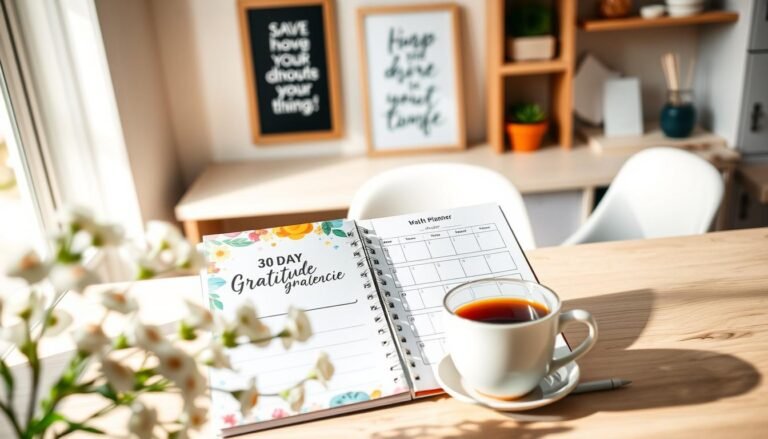
Using a gratitude journal can further deepen your appreciation practice. Linda Roszak Burton suggests journaling once a week or up to three times weekly, rather than daily. You can choose to write by hand or use a digital format. Here are some prompts to guide your entries:
- What made me smile today?
- What did I receive that I might otherwise overlook?
- Who is someone I enjoyed spending time with?
- What was a moment that improved my day?
Encourage yourself to reflect on why each item mattered. How did someone else’s action or intention impact your day? Additionally, consider adopting a family ritual similar to Tyler VanderWeele’s. Share grateful observations around the dinner table a few evenings each week. This strengthens bonds and fosters connection.
| Frequency | Activity | Benefits |
|---|---|---|
| Daily | Morning reflections | Boosts mood |
| 1-3 times/week | Journaling | Enhances mindfulness |
| Evening | Family sharing | Strengthens relationships |
Expressing Gratitude: Practical Strategies and Techniques
The simplest gestures often leave the most lasting impressions. One effective way to express gratitude is by telling someone specifically what they did, why it mattered, and how their action improved your day. This approach deepens connections and fosters a positive atmosphere.
Consider a family dinner inspired by VanderWeele’s routine. Each person can share a helpful action they appreciated from another family member. This not only strengthens relationships but also creates a culture of appreciation.
Writing thank-you notes is another powerful practice. A handwritten note can preserve a meaningful memory and deepen relationships. Use a simple structure: describe the action, identify its effect, acknowledge the person’s intention, and express sincere appreciation.
Savoring moments is also vital. Take a minute to pause and notice the sights, sounds, and sensations around you. This practice can enhance your overall well-being and help you appreciate life’s small joys.
Encourage expressing appreciation to coworkers or neighbors. Research shows that gratitude can lead to more helpful behavior in others. These small actions can contribute to a happier, more connected life.
Overcoming Obstacles to Practicing Gratitude
Amidst life’s chaos, it’s easy to miss the bright spots that uplift us. Our brains naturally focus on negative experiences, a tendency known as negativity bias. This means that even one embarrassing moment can overshadow several compliments or joyful experiences.
Stress, anxiety, and feelings of depression can create barriers to appreciation. It’s important to acknowledge these emotions without forcing positivity. Instead, you can identify one difficulty honestly, then recognize one available support or manageable next step.
Thought patterns like envy, materialism, and cynicism can also cloud our sense of appreciation. These feelings may hide the good things already present in your life. Remember, practicing gratitude should complement professional treatment, especially when dealing with anxiety or depression.
Research shows that gratitude is linked to less exhaustion and fewer illness-related absences. However, it’s essential to avoid the promise that personal routines alone can prevent burnout. If you feel persistently overwhelmed, consider reaching out to a qualified clinician or explore resources like for support.
| Barrier | Impact | Possible Solutions |
|---|---|---|
| Negativity Bias | Focus on the negative | Practice mindfulness |
| Stress | Reduces happiness | Identify support |
| Depression | Limits positive feelings | Seek professional help |
Building Resilience Through Gratitude and Mindfulness
In the rush of everyday life, it’s easy to overlook moments that bring us joy. By focusing on appreciation, you can strengthen your mental resilience. This process involves recognizing the good in your surroundings and connecting it with your emotions.
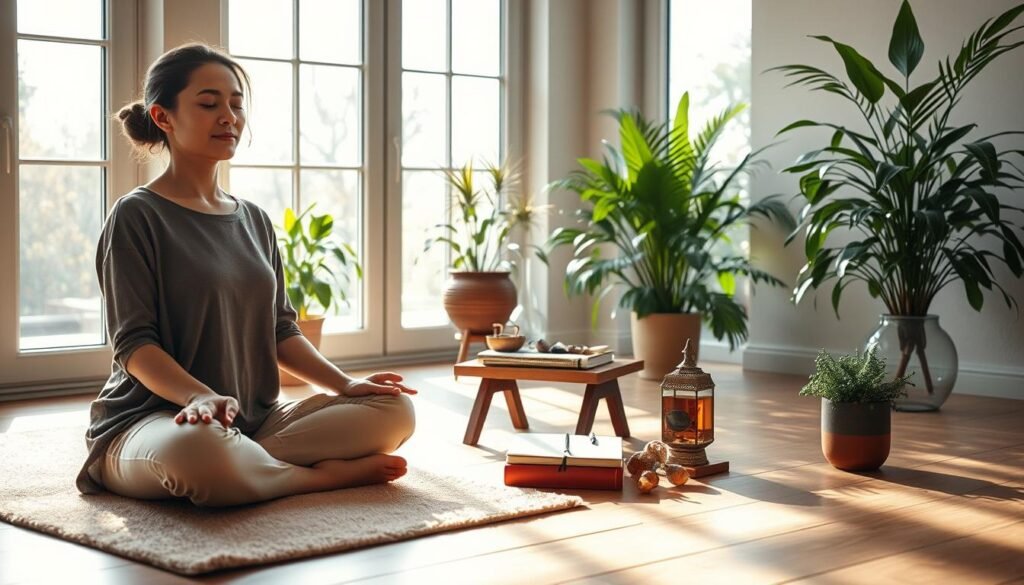
One effective technique is sensory savoring. Take thirty seconds to pause and notice three sights and two sounds around you. Then, name one experience you appreciate. This practice helps you cultivate awareness and shifts your focus to the positive.
Neuroplasticity plays a crucial role here. It refers to the brain’s ability to form new connections. By practicing appreciation regularly, you can strengthen supportive mental pathways. This leads to lower stress and anxiety levels, promoting a sense of purpose in life.
Another method is mindful breathing. Notice a difficult emotion without judgment, then identify a source of support in your life. Reflecting on past setbacks can also be beneficial. Instead of feeling regret, consider what you learned and how you grew from those experiences.
By integrating mindfulness with appreciation, you can enhance your emotional well-being. Remember, these practices support mental health but should not replace professional help when needed.
| Technique | Focus | Benefits |
|---|---|---|
| Sensory Savoring | Awareness of surroundings | Enhances positivity |
| Mindful Breathing | Emotion recognition | Reduces stress |
| Reflecting on Setbacks | Growth mindset | Builds resilience |
Inspiring Stories and Research Highlights
Life often presents us with opportunities to appreciate the small things. One shining example is Tyler VanderWeele’s family, who share grateful observations around the dinner table several evenings each week. This simple act fosters connection and strengthens relationships without requiring extensive time or resources.
Research supports the benefits of appreciation. A notable study published in July 2024 in JAMA Psychiatry analyzed data from 49,275 women, revealing that those with higher gratitude scores had a 9% lower risk of death over four years. While this observational study focused on older women, it highlights the potential impact of appreciation on longevity.
Additionally, a 2025 study in Frontiers in Sleep found that practicing gratitude is associated with fewer sleep disturbances among primary care patients. This aligns with a 2021 meta-analysis that examined gratitude interventions and their effects on depression and anxiety symptoms, suggesting a broader pattern of benefits.
- VanderWeele’s family example shows how sharing gratitude can strengthen bonds.
- The Nurses’ Health Study indicates that higher gratitude scores correlate with a 9% lower mortality risk.
- Observational studies, like the one in JAMA Psychiatry, provide promising insights but require cautious interpretation.
- Gratitude is linked to improved sleep quality, as noted in the 2025 sleep study.
- Meta-analyses on gratitude interventions suggest potential benefits for mental well-being.
- Nurse-focused research shows appreciation can reduce exhaustion and burnout.
Conclusion
Each day presents opportunities to find happiness in the ordinary. You can start by recognizing one specific person, experience, or detail that brings you joy. Remember, the 2024 Nurses’ Health Study highlighted a link—not proof—between higher gratitude scores and a 9% lower mortality risk.
Today, choose one sustainable action. This could be writing three lines in a journal, savoring a meal, or thanking someone directly. These small steps can support your relationships, sleep, and emotional resilience, making them part of a broader wellness plan.
If you are experiencing persistent feelings of depression, anxiety, or hopelessness, please seek qualified professional support. Gratitude is helpful, but it should not replace professional care. As you reflect on your day, ask yourself: What is one small thing, person, or moment you can notice and appreciate before the day ends?
FAQ
What is the importance of practicing appreciation in daily life?
Practicing appreciation helps enhance your mood, reduce stress, and improve overall well-being. It encourages a positive mindset and strengthens relationships.
How can I effectively start a gratitude journal?
To start a gratitude journal, set aside a few minutes each day to write down three things you appreciate. Focus on specific moments or people to deepen your sense of gratitude.
What are some simple ways to express gratitude to others?
You can express gratitude through verbal acknowledgments, writing thank-you notes, or simply taking a moment to reflect on what others mean to you. Small gestures can make a big impact.
How does appreciation influence mental health?
Appreciation can significantly improve mental health by reducing symptoms of anxiety and depression. It fosters a sense of connection and purpose, contributing to a more positive outlook on life.
What are some techniques to overcome negativity bias?
Techniques include mindfulness practices, focusing on positive experiences, and consciously reminding yourself of things you appreciate. These strategies can help shift your perspective over time.
Can gratitude practices improve physical health?
Yes, studies show that practicing gratitude can lead to better sleep, reduced blood pressure, and improved heart health. The positive emotions associated with gratitude can enhance your physical well-being.
How can I integrate gratitude into my daily routine?
You can integrate gratitude by starting or ending your day with a few moments of reflection, using reminders on your phone, or incorporating gratitude practices into family routines.
What role does mindfulness play in appreciating life?
Mindfulness enhances your ability to appreciate the present moment, making it easier to recognize and savor positive experiences. This awareness can deepen your gratitude and overall happiness.