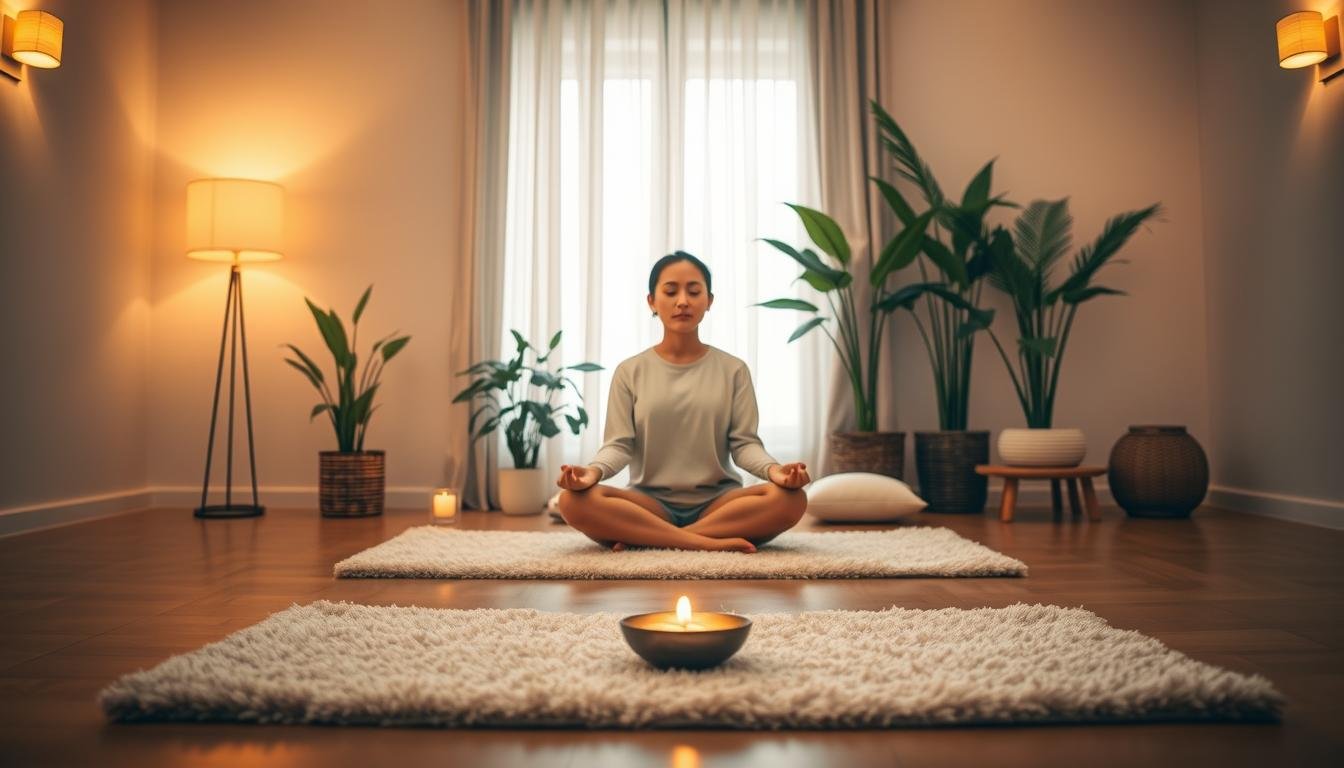
Guided Meditation: How It Works and How to Get Started
Are you curious about how to bring more calm and awareness into your life? Guided meditation can be a wonderful way to begin. It offers a structured approach where a teacher’s voice helps you focus your attention, notice your sensations, and gently redirect your thoughts when they wander.
At UCLA Mindful, you can find a variety of recordings by Diana Winston, the Director of UCLA Mindful. These sessions range from a quick three-minute Short Body Scan to a soothing 13-minute Body Scan for Sleep. With options available through their app and streaming platform, it’s easy for you to find a starting point that suits your needs.
Remember, meditation is a skill you can learn, not a test of perfect stillness. Research from Yale shows that different methods can help increase your calm and reduce distractions. This resource hub is designed to help you explore topics like stress, sleep, and focus, making it accessible for everyone.
Key Takeaways
- Guided sessions help you focus and redirect your thoughts.
- UCLA Mindful offers a range of recordings for beginners.
- Short options are available for quick, approachable sessions.
- Meditation is a learnable skill that can improve your well-being.
- This resource hub covers various topics for personal growth.
Understanding Guided Meditation
Have you ever wondered how a structured approach can enhance your inner peace? Guided meditation is a practice where an instructor leads you through various techniques. This method helps you focus on your breath, posture, and sensations in your body. By following a guide, you can develop a deeper awareness of your mind.
Think of guided meditation like learning to drive with an experienced instructor. Just as the instructor provides valuable feedback and support, a guide in meditation offers techniques and encouragement. This support is especially helpful when you’re just starting out.
In contrast, unguided sessions allow you to choose your own method and timing. You may prefer these as your confidence grows. Many users of Headspace, for instance, often start with guided sessions and later alternate with silent practices.
Ultimately, your personal preference matters. Research from Yale indicates that both guided and unguided practices can lead to increased calm and reduced mind wandering. Explore what feels right for you!
Key Differences
- Guided sessions provide structured support for posture and breathing.
- Unguided sessions allow for personal choice in practice.
- Many beginners find guidance comforting and effective.
- As confidence builds, users often switch between guided and unguided sessions.
- Research shows benefits in both approaches for mental clarity.
How Does Guided Meditation Work?
Have you ever thought about how a calming voice can guide your thoughts? In guided meditation, the instructor’s voice plays a crucial role. The pace, pauses, and word choices help direct your attention, creating a structured experience. Instead of feeling lost in your thoughts, you follow a sequence that keeps you anchored.
Music or ambient sounds can enhance this experience. They can serve as optional anchors, helping you focus. Some people prefer silence, while others find gentle sounds soothing. For instance, Jeff Warren’s three-minute “Ten Good Breaths” meditation pairs a simple breath count with a steady rhythm. This method encourages you to return your attention to the breath, creating a moment of calm.
When your mind drifts towards planning or worry, using a breath, sound, or body sensation can help you refocus. Remember, guided sessions don’t force your thoughts away; they train you to notice distractions and gently return to the present moment.
| Technique | Duration | Focus Point |
|---|---|---|
| Ten Good Breaths | 3 minutes | Breath counting |
| Breath, Sound, Body Meditation | 12 minutes | Breath and body awareness |
| Breathing Meditation | 5 minutes | Breath focus |
Benefits of Meditation for Mental and Physical Health
Could embracing meditation lead to a more balanced and fulfilling life? Research suggests that regular practice may help reduce stress and anxiety levels. According to studies cited by Headspace, meditators often report lower instances of depression and chronic pain.
Moreover, consistent meditation can enhance sleep quality and boost immune function. For example, a study involving U.S. Marines found that meditation improved focus in high-pressure situations. This indicates its potential benefits beyond relaxation.
While many users of meditation apps like Headspace have experienced improved well-being and reduced job strain, it’s essential to remember that these outcomes develop through consistent practice. They should not be viewed as guaranteed results or substitutes for professional medical advice.
If you struggle with anxiety, depression, or sleep issues, consider speaking with a qualified healthcare professional alongside your meditation journey. This combination can provide a more comprehensive approach to your well-being.
Starting Your Guided Meditation Practice
Are you ready to embark on your journey into the world of meditation? It’s essential to find the right app or instructor to guide you. Consider your comfort with their voice, pacing, and approach. Instead of choosing based on popularity, focus on what resonates with you.
For a great start, explore UCLA Mindful. They offer free audio and transcripts by Diana Winston, available in multiple languages. This makes it accessible for everyone, including speakers of Spanish, Mandarin, and many more.
If you prefer a structured progression, Headspace may be the right fit. It provides various options, from guided sessions to silent practices, catering to different levels of experience.
Next, create a calming space for your practice. Here’s a simple checklist:
- Silence notifications on your devices.
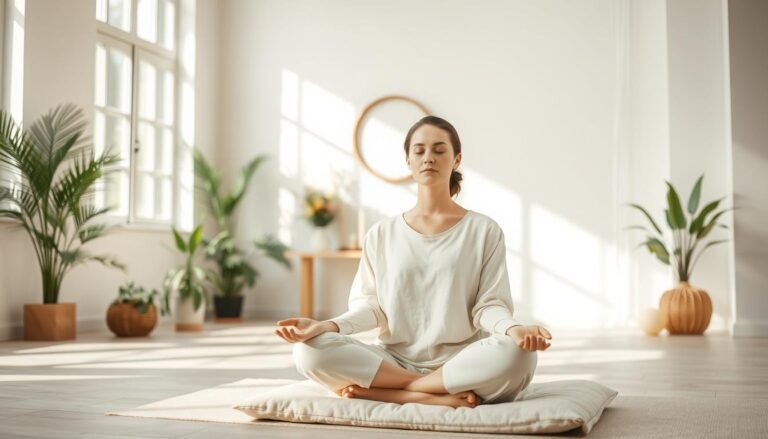
- Choose a stable, comfortable seat.
- Soften the lighting to create a soothing atmosphere.
- Keep the space tidy but not overly elaborate.
If committing to ten minutes feels daunting, start with just two minutes. Consistency is key, and resources like BetterLifeAtlas can help you build a sustainable routine.
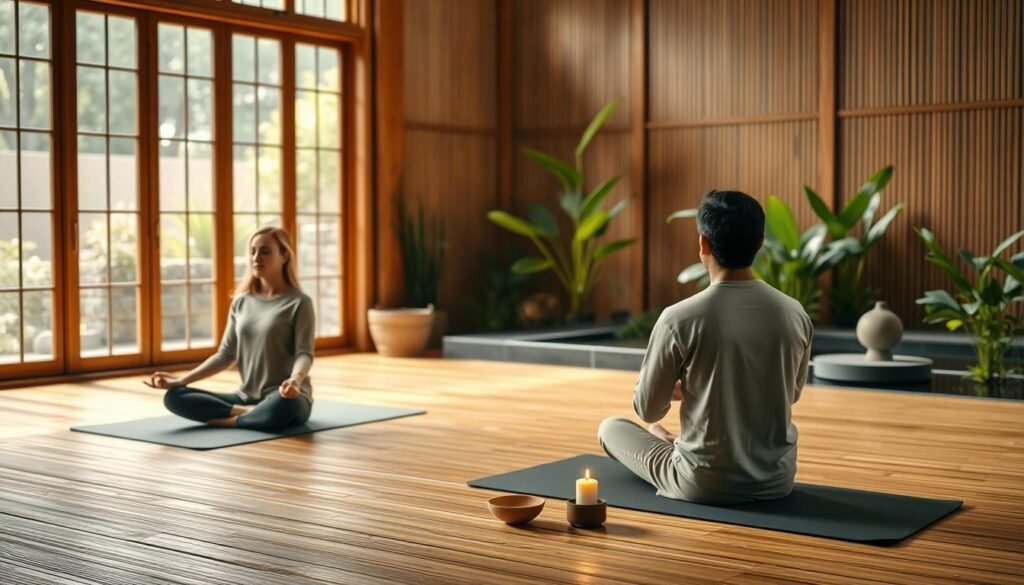
Guided Meditation Techniques for Beginners
Would you like to explore beginner-friendly techniques for inner peace? Starting with simple practices can significantly enhance your journey. Here are a few techniques you can try:
Simple Body Scan and Breathing Meditations
Begin with a three-minute body scan. Sit comfortably and focus on your body. Notice where it touches the surface beneath you. Acknowledge any tension, temperature, or movement without trying to change anything. This practice helps you develop awareness of your body.
Next, try a five-minute breathing session. Sit comfortably and pay attention to your natural breaths. When distractions arise, gently guide your focus back to your breath without judgment. This practice nurtures mindfulness and calmness.
Exploring Variations Like Loving Kindness
For a more emotional approach, consider the nine-minute loving-kindness meditation. Start by sending kind wishes to yourself, then extend those feelings to others. This technique fosters compassion and connection.
As you grow comfortable, you can progress to UCLA Mindful’s 19-minute Complete Meditation Instructions. Remember, it’s normal to notice discomfort or wandering thoughts. These experiences are part of building your awareness.
| Technique | Duration | Focus Point |
|---|---|---|
| Short Body Scan | 3 minutes | Body awareness |
| Breathing Meditation | 5 minutes | Breath focus |
| Loving Kindness Meditation | 9 minutes | Compassion |
| Complete Meditation Instructions | 19 minutes | Comprehensive practice |
| Breath, Sound, Body Meditation | 12 minutes | Multi-sensory awareness |
Enhancing Focus and Reducing Stress Through Meditation
Have you considered how a few moments of stillness can sharpen your focus and ease stress? Practicing mindfulness can significantly improve your daily life. A study involving U.S. Marines revealed that meditation helped participants maintain their attention in high-pressure situations.
To get started, try Anushka Fernandopulle’s 10-minute “Gathering Focus” session before tackling an important task. This approach allows you to center your thoughts instead of feeling overwhelmed by your entire workload. You can also label distractions as they arise, gently guiding your attention back to your chosen anchor. This technique interrupts automatic worry without forcing you to suppress your thoughts.
For those struggling with anxious thinking, Dan Harris offers a 10-minute session that helps create distance from mental loops. Additionally, consider Alexis Santos’s 20-minute work meditation for a longer reset, especially during busy days. These practices not only foster mindfulness but also enhance your ability to manage stress effectively.
Meditation for Improved Sleep and Relaxation
Could gentle practices help you unwind and improve your sleep quality? Integrating simple body and sound techniques into your evening routine can set the stage for a restful night. These practices are not just soothing; they can also help ease anxiety and stress, making it easier for you to drift off.
Start with Jeff Warren’s three-minute “Ten Good Breaths” to transition from your evening activities into a more relaxed state. This brief practice allows you to center your thoughts and prepare for sleep.
If you prefer a more structured approach, consider UCLA Mindful’s 13-minute Body Scan for Sleep. This technique focuses on physical sensations, guiding you through each part of your body to promote relaxation.
For a deeper experience, Matthew Hepburn’s 30-minute session incorporates themes of calm, pleasure, and gratitude, helping to settle a busy mind. Alternatively, Sharon Salzberg offers a 10-minute relaxation practice that gently tenses and releases areas like your face, hands, and shoulders.
Pair these meditations with consistent sleep habits from BetterLifeAtlas, such as dim lighting and reduced notifications. Remember, while these techniques can enhance your relaxation, they are most effective when combined with healthy sleep practices.
Exploring Mindfulness and Body Awareness
What if you could find peace in the simplest of activities? Mindfulness is about paying deliberate, present-focused attention to your experiences. This means noticing your thoughts, feelings, and sensations without reacting immediately. It’s a way to embrace each moment fully.
One great way to practice mindfulness is through walking. Alexis Santos offers a 10-minute mindful walking meditation that helps soothe your nervous system and refresh your mental energy. This simple act can transform your daily routine into a mindful experience.
Another example is mindful eating. Diana Winston’s five-minute mindful eating meditation is perfect for children. It encourages them to notice the smells, tastes, and textures of their food, turning mealtime into an awareness exercise.
Mindful listening is also a valuable practice. Inspired by Susan Kaiser Greenland, her seven-minute session for children helps them notice sounds without chasing or resisting sensations. This practice can enhance your ability to focus.
Try to incorporate body awareness into your daily activities. Whether you’re showering, commuting, or eating, being present can enhance your overall experience. Embrace these moments to cultivate greater awareness in your life.
| Practice | Duration | Focus |
|---|---|---|
| Mindful Walking | 10 minutes | Nervous system regulation |
| Mindful Eating | 5 minutes | Awareness of taste and texture |
| Mindful Listening | 7 minutes | Sound awareness |
Research and Science Behind Meditation
Have you ever stopped to think about how your mind and body interact during meditation? Recent studies provide fascinating insights into this connection. Research indicates that regular practice can lead to changes in brain structure, enhancing emotional regulation and attention.
Yale researchers have found that various meditation types can increase calm and reduce mind wandering. This shows that while meditation can benefit many, individual responses may vary. It’s essential to approach these findings with a critical mind.
Moreover, studies suggest that digital meditation practices can be as effective as in-person sessions for some individuals. However, results often depend on the methods used and the participants involved. It’s wise to evaluate your meditation practice based on consistent improvements in your attention, sleep, or stress levels over time.
Remember, the materials from UCLA Mindful are credited ©2011-2024 by The Regents of the University of California. The age of the content does not guarantee its effectiveness, so always seek reliable sources.
Using Technology and Apps for Meditation
Have you explored how modern technology can support your meditation practice? With numerous apps available, you can find options that suit your needs. Headspace is a popular choice, offering both guided and nonguided meditations. Their Pro series is especially helpful for those looking to practice longer periods of silence while still receiving occasional guidance.
On the other hand, UCLA Mindful provides a wealth of free resources, including audio recordings, transcripts, and streaming options. Their materials are accessible through a mobile app and are available under a Creative Commons license, allowing for noncommercial sharing.
When reviewing meditation apps, consider factors like voice quality, session length, and language availability. It’s also essential to check privacy terms and subscription requirements. Ultimately, choose the technology that makes regular practice easiest for you, whether it’s a full app, a saved recording, or a transcript.
Insights from Meditation Practitioners
What insights can we gain from those who practice meditation regularly? Personal experiences can offer valuable lessons on how to navigate stress and enhance our sense of well-being.
Here are some illustrative examples from various teachers:
- Sharon Salzberg leads a 10-minute basic relaxation meditation. This session illustrates how physical release can help those carrying daily tension.
- Joseph Goldstein teaches a 10-minute meditation for accepting difficult emotions. This approach emphasizes practicing acceptance rather than fighting uncomfortable feelings.
- Sebene Selassie provides a 10-minute self-compassion meditation for stressful moments. This session encourages learning from stress without falling into rumination.
- Oren Jay Sofer offers a 10-minute meditation addressing loneliness and belonging. This practice shows how meditation can foster connection alongside individual calm.
- Jessica Morey presents a 10-minute meditation for parents, focusing on presence, attunement, compassion, delight, and support.
These practitioners demonstrate different entry points into the practice. Your experience may vary based on personal circumstances and consistency.
| Practitioner | Session Length | Focus |
|---|---|---|
| Sharon Salzberg | 10 minutes | Relaxation |
| Joseph Goldstein | 10 minutes | Acceptance |
| Sebene Selassie | 10 minutes | Self-compassion |
| Oren Jay Sofer | 10 minutes | Loneliness |
| Jessica Morey | 10 minutes | Parenting |
Integrating Meditation into Your Daily Routine
What if you could transform ordinary moments into opportunities for awareness? Integrating mindfulness into your daily life can be both practical and rewarding. Here’s how you can create a consistent practice schedule that fits your lifestyle.
Start your day with Jeff Warren’s three-minute “Ten Good Breaths” session. This brief practice can be done right after waking up or before a meeting, providing a refreshing reset.
Next, consider attaching a 10-minute meditation to an existing routine. For example, you could incorporate Alexis Santos’s mindful coffee routine into your morning ritual. This creates a dependable daily location for your practice.
If sitting still feels unrealistic during your busy day, try Alexis Santos’s 10-minute walking practice. This can be done during your commute or breaks, allowing you to stay active while practicing mindfulness.
Before diving into focused work, schedule Anushka Fernandopulle’s 10-minute focus session. This will help sharpen your attention for the tasks ahead.
Lastly, track your completed sessions for two weeks without judging their quality. Adjust the time, teacher, or setting until your meditation practice feels sustainable.
| Activity | Duration | Best Time |
|---|---|---|
| Ten Good Breaths | 3 minutes | Morning or before meetings |
| Mindful Coffee Routine | 10 minutes | Morning |
| Walking Practice | 10 minutes | Commute or breaks |
| Focus Session | 10 minutes | Before work tasks |
Conclusion
Imagine finding clarity and peace in your everyday life through mindful practices. Guided meditation provides a structured path, while unguided sessions offer the freedom to explore your inner world. Research emphasizes that your personal preference plays a key role in what works best for you.
Start with a simple recording, like UCLA Mindful’s three-minute Short Body Scan or the five-minute Breathing Meditation. Choose techniques based on your goals: use breathing for steadiness, body scans for awareness, loving-kindness for warmth, and sleep sessions for relaxation.
Explore resources from experts like Diana Winston and Jeff Warren to find the right fit for your needs. Remember, meditation is a habit that can enhance focus, manage stress, and improve sleep, complementing professional care when needed. For more insights, check out this helpful article.
FAQ
What is the best time of day to practice meditation?
The best time to meditate varies for each person. Some find mornings ideal for setting a positive tone for the day, while others prefer evenings to unwind and reflect. Experiment to see what works best for you.
How long should I meditate each day?
Starting with just 5 to 10 minutes a day can be beneficial. As you become more comfortable, you can gradually increase the duration to 20 or 30 minutes. Consistency is key!
Can meditation help with anxiety and stress?
Yes, many studies show that meditation can significantly reduce anxiety and stress levels. It promotes relaxation and helps you develop a greater sense of awareness, allowing you to manage your thoughts more effectively.
Do I need to sit cross-legged to meditate?
Not at all! You can meditate in any comfortable position, whether sitting in a chair, lying down, or even walking. The important thing is to find a posture that allows you to feel relaxed yet alert.
Is it normal to have thoughts during meditation?
Yes, it’s completely normal! The goal isn’t to stop your thoughts but to observe them without judgment. Acknowledge them and gently bring your focus back to your breath or the guided practice.
How can I stay motivated to keep meditating?
Setting small, achievable goals can help maintain motivation. You might also try different techniques or apps to keep your practice fresh and engaging. Remember, it’s about progress, not perfection!
Can meditation improve my sleep quality?
Absolutely! Meditation can help calm your mind and body, making it easier to fall asleep and stay asleep. Incorporating relaxation techniques before bedtime can significantly enhance your sleep quality.
What if I don’t feel any benefits from meditation?
It can take time to notice the benefits. Be patient with yourself and continue practicing. If you still feel unsure, consider exploring different styles or seeking guidance from an instructor.