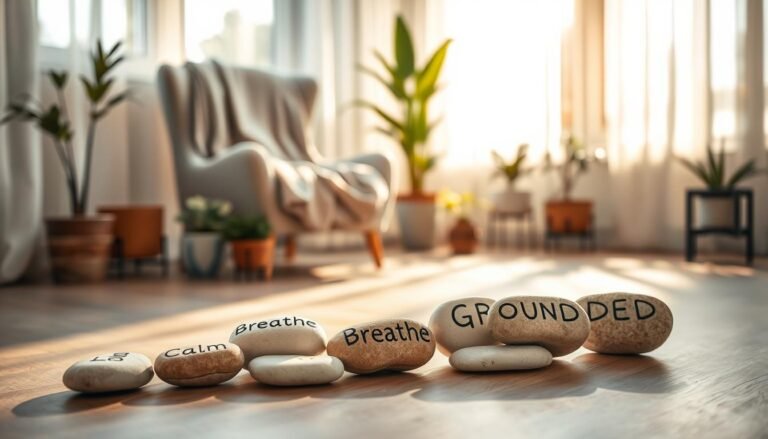

Affirmations for Patience, Calm, and a More Peaceful Mindset
In our fast-paced world, waiting can feel challenging. We often crave instant results, which can lead to stress and dissatisfaction. Yet, embracing the journey of life is essential. As the saying goes, “Nature does not hurry, yet everything works perfectly.” This reminds us that timing is part of our experience.
When we expect success or relief at a specific moment, we may create unnecessary pressure. Instead, we can use simple, repeatable statements to help us focus on the present. These affirmations encourage acceptance and calmness, allowing us to take a step back.
Consider phrases like “It is okay to wait,” or “I trust the timing of my life.” These can be powerful tools in your daily routine. Writing them in a journal and repeating them during quiet moments can foster a sense of peace.
For those looking for more options, check out the BetterLifeAtlas article Peace and. It offers over 100 statements to help you cultivate a more peaceful mindset.
Key Takeaways
- Patience is part of life’s natural journey.
- Expecting immediate results can lead to stress.
- Affirmations help refocus your mind on the present.
- Writing affirmations in a journal can enhance their effectiveness.
- Explore additional calming statements for daily practice.
Key Takeaways
Life’s pace can often make waiting feel like a burden. However, incorporating daily patience affirmations can significantly shift your perspective. These simple statements can help you pause before reacting, softening self-criticism and allowing for a calmer response in everyday situations.
Consider adopting a quick 30-second practice. Take a deep breath, recite your chosen affirmation, exhale, and check if your shoulders can relax. This method can help you find peace amidst the chaos of life.
Moreover, patience fosters better interactions. It encourages understanding and helps avoid conflicts with others. Start with one believable affirmation instead of overwhelming yourself with many. Attach this practice to a familiar part of your day, like your morning coffee or a brief wait.
Finally, keep a journal to track one stressful situation and your calmer response. Remember, patience is about gradual progress, not an overnight transformation.
Understanding the Power of Patience
In a world that values speed, the experience of waiting can be frustrating. However, patience is not merely about waiting; it is an active state of steadiness. This means being calm and composed while life unfolds at its own pace.
A good way to cultivate this quality is through realistic affirmations. Dr. Annabelle Kyle Dortch suggests using statements like “I am learning to be patient.” These are more credible than exaggerated claims. When you believe in your words, they resonate more deeply.
Dr. Michelle Chung emphasizes that affirmations paired with small actions can shift your mindset. Simple practices, like taking a deep breath or asking a question, can reinforce your commitment to patience.
Patience is also linked to growth. Professor Willem Kuyken reminds us that experiences like deep love and expertise take time. None of these can be rushed, and understanding this can help you find peace in the waiting moments.
Many people notice a change in their self-talk after two to three weeks of regular practice. To track your progress, consider keeping a journal. Compare your original thoughts with your chosen affirmation and the actions that followed.
| Aspect | Details | Benefits |
|---|---|---|
| Affirmation | Realistic statements | Builds credibility |
| Action | Small, practical steps | Enhances effectiveness |
| Growth | Understanding patience | Fosters inner peace |

Integrating Affirmations Into Your Daily Routine
In the hustle of daily life, waiting often tests our resolve. However, you can turn these moments into opportunities for growth. Integrating affirmations into your routine can make a significant difference in how you experience these pauses.
Here are some simple practices to consider:
- Use a quick 30-second practice during moments of impatience, like waiting in line. Breathe deeply, repeat your chosen affirmation on the exhale, and relax your shoulders.
- Say one selected statement while brushing your teeth or waiting for the shower to warm up. This connects affirmations to daily habits.
- Place an affirmation card near your computer or kettle. Visible cues can remind you to pause and reflect.
- Connect affirmations with ordinary transitions, such as starting work or preparing dinner. This makes the practice more natural.
- Keep a simple journal. Reflect on three prompts: “What triggered me?”, “What did I say?”, and “What did I do next?” This can help track your progress.
Remember, you don’t need a special setting or lengthy meditation. Just take a moment, breathe, and affirm your journey.
Affirmations for Patience: Your Path to Inner Peace
In the rush of everyday life, the act of waiting can often feel overwhelming. However, using realistic affirmations can transform your mindset. These statements interrupt harsh self-talk and create space for a calmer response.
For example, when facing delays, try saying, “I can wait with calm and patience.” This simple affirmation can help you manage frustration. Similarly, “I do what I can and leave the rest” encourages acceptance when you have limited control over situations.
Another powerful statement is, “I choose to enjoy the journey.” This can shift your focus from immediate results to appreciating the steps you take each day. Pair this with a small action, like taking a deep breath, to reinforce your commitment.
Remember to note one piece of gratitude each day. This practice ensures that waiting does not overshadow your appreciation for the present. After two to three weeks, review your journal entries to identify changes in your self-talk and reactions.
For more insights, explore how these techniques can enhance your daily routine at .

Applying Patience in Challenging Situations
Navigating life’s challenges can often test our ability to remain calm. In moments of stress, simple techniques can help you manage your feelings and maintain composure.
Start with a slow breath and remind yourself, “There is no need to rush.” This can be especially helpful when overwork makes a delay feel overwhelming.
In a long queue or stalled project, take a moment to relax your shoulders. Name the feeling you’re experiencing and ask yourself if there’s one useful action you can take right now.
During conflicts, consider taking a break before responding. Return with a question instead of an accusation to foster understanding.
In parenting or marriage, remember to stay steady, especially with difficult moments. Think about what the other person might be experiencing before jumping to conclusions about their behavior.
Use the phrase, “Patience is not inactivity,” to remind yourself that waiting doesn’t mean doing nothing. If you can change the situation, do so; if not, focus on your response.
Finally, identify one thing you can do, one thing you cannot control, and one response that protects your peace. This exercise can guide you through challenging moments with grace.
Conclusion
Waiting can often feel like a test of our resolve. Yet, it’s important to remember that patience is a skill you can develop daily. This isn’t about eliminating frustration or wishing for challenges to vanish. Instead, it’s about choosing a realistic statement and pairing it with a small action during those moments when impatience arises.
Embrace the idea of trusting the timing of life and appreciating the present. This mindset can foster a gentler relationship with uncertainty. Consider using breathing techniques, journaling, or placing visible affirmation cards around your space to support your journey.
For additional resources, explore BetterLifeAtlas’s 100+ Calming Affirmations for Inner Peace and Tranquility. These can provide further inspiration to cultivate a calm and peaceful mindset.
FAQ
What are some effective ways to practice patience daily?
Start by setting aside a few moments each day for reflection. Use breathing exercises or mindfulness techniques to ground yourself. Journaling your thoughts can also help you cultivate a patient mindset.
How can I integrate patience into my busy lifestyle?
Look for small opportunities throughout your day to pause and breathe. Whether it’s waiting in line or during a commute, use these moments to practice gratitude and remind yourself that good things take time.
Why is patience important for personal growth?
Patience allows you to appreciate the journey rather than just focusing on immediate results. It fosters resilience and helps you navigate life’s challenges with grace, ultimately leading to deeper personal development.
Can affirmations really help improve my patience?
Yes, affirmations can rewire your thinking patterns. By regularly repeating positive statements about patience, you can gradually shift your mindset and cultivate a more peaceful approach to life’s challenges.
How do I know if I am making progress in my patience journey?
Pay attention to your reactions in stressful situations. If you find yourself responding with more calmness and understanding, it’s a sign that your practice is working. Journaling can also help you track your growth over time.