Shiva Meditation: Meaning, Traditions, and How the Practice Works
Shiva meditation is a powerful practice that draws inspiration from the symbolism of Lord Shiva. This contemplative method helps you cultivate inner calm through breath, focused attention, visualization, and sound. By embracing these elements, you can enhance your awareness and deepen your consciousness.
Soken Graf, a certified meditation coach, emphasizes the importance of preparing your physical space and mental focus before you begin. Creating a serene environment allows you to connect more profoundly with your practice.
Lord Shiva, a revered figure in Hinduism, represents transformation and spiritual discipline. His teachings encourage you to overcome negativity and gain a deeper understanding of yourself. Visualizing Mount Meru, a sacred five-peaked mountain, can serve as a symbol of steadiness during your practice.
To get started, consider the mantra “Om Namah Shivaya,” which translates to “I bow to Shiva” or “I connect myself with Shiva.” This simple phrase can be a powerful tool in your journey toward mindfulness.
Key Takeaways
- Shiva meditation combines breath, visualization, and sound for inner peace.
- Preparing your space and focus enhances the meditation experience.
- Lord Shiva symbolizes overcoming negativity and self-discovery.
- Mount Meru represents steadiness and equanimity in practice.
- “Om Namah Shivaya” is a foundational mantra for connection.
Introduction to the World of Meditation and Shiva
Engaging in meditation allows individuals to tap into the transformative teachings of Lord Shiva. This practice draws from rich Hindu imagery and stories, making it accessible for those seeking personal growth or spiritual reflection. The essence of meditation lies in its ability to foster stillness and discipline, guiding you to release unhealthy attachments.
Lord Shiva is a key figure in Hinduism, embodying the journey of change and the conquest of negativity. His teachings can inspire you to ask meaningful questions, such as, “What can I release?” and “Where can I act with greater honesty?” These reflections can deepen your understanding of yourself and your place in the world.
The Shiva Purana serves as an ancient scripture filled with stories that encourage courage, balance, and inner wisdom. By integrating these themes into your meditation practice, you can explore both devotional and secular mindfulness. This flexibility allows you to choose whether to focus on an image, a deity-centered intention, or simply your breath.
The Spiritual and Physical Benefits of Meditation
Meditation can significantly enhance both your mental and physical well-being. Regular practice is linked to changes in brain structure and gray matter, which may improve your overall cognitive function. While individual experiences can vary, many find that focused breathing and mantra repetition help calm a busy mind, leading to a more peaceful state.
Moreover, meditation may support your physical health by potentially aiding blood pressure, immune function, and inflammation management. However, it’s essential to approach these claims with caution and consult a qualified professional for health concerns.
In the traditional sense, the concept of kundalini energy represents dormant spiritual power at the base of the spine. This idea highlights the spiritual aspect of meditation rather than serving as a medical measurement.
As you practice, you might notice practical benefits such as calmer reactions, improved concentration, better sleep habits, and greater awareness of your feelings.
Preparing Your Mind and Space for Meditation
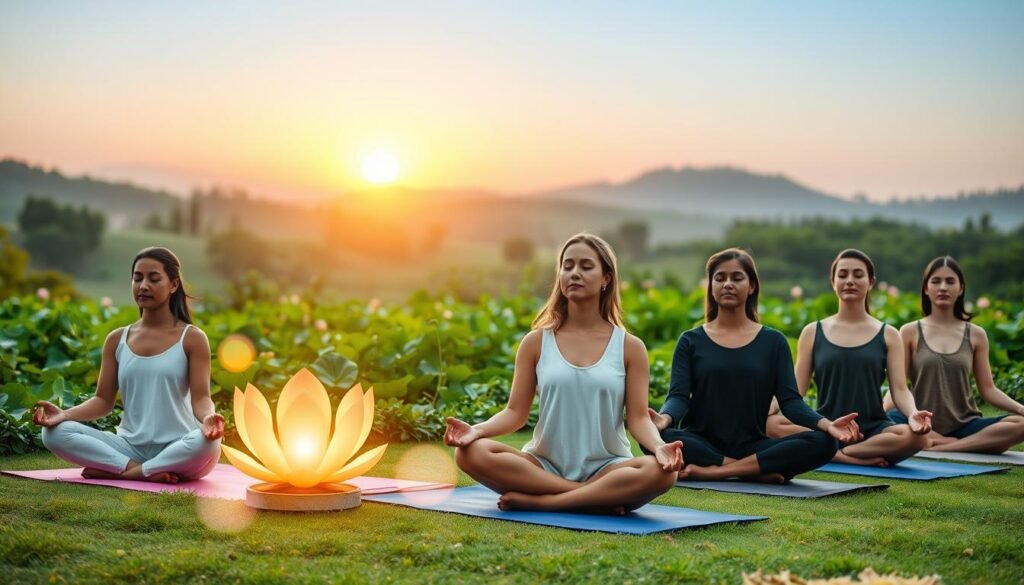
A focused mind and a tranquil space set the stage for meaningful meditation. Taking time to prepare both your body and environment can enhance your practice significantly. Here are some immediate steps to consider:
Creating a Sacred, Distraction-Free Environment
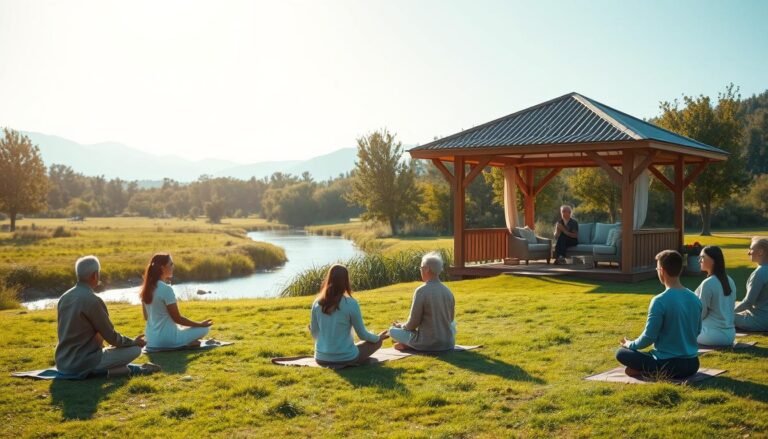
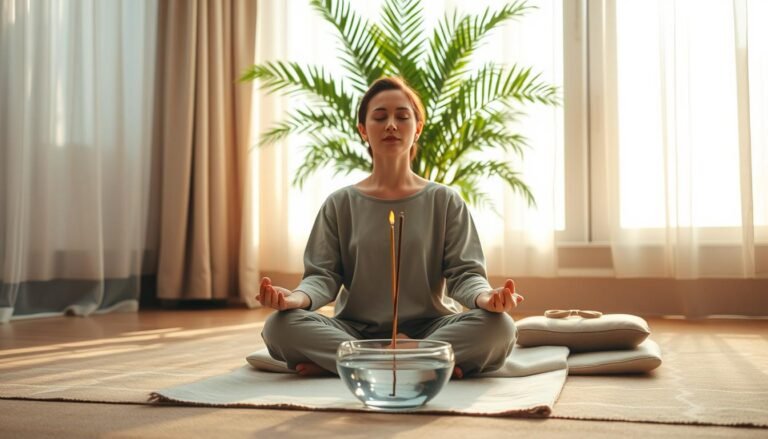
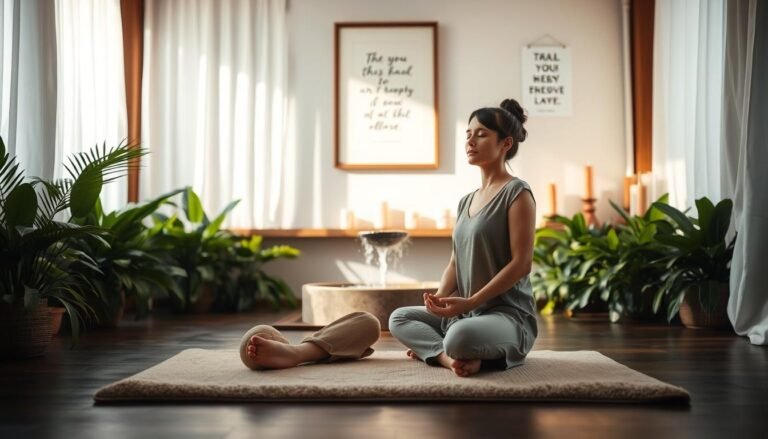
Start by turning off your television and silencing your cell phone. Choose a comfortable area free from distractions. This will help you focus entirely on your practice.
Choosing the Right Time and Comfortable Attire
Early morning or late evening are ideal times for meditation when surroundings are quieter. Wear loose-fitting clothing that suits the room’s temperature. This will help your body relax and avoid any discomfort.
Before you sit down, take a few minutes to stretch your legs, hips, back, shoulders, and neck. This will reduce stiffness and make it easier to maintain a comfortable posture. Aim for a session length of about 20 minutes to start, adjusting as you grow more accustomed to the practice.
| Preparation Step | Description |
|---|---|
| Turn Off Distractions | Silence your phone and turn off the TV to create a peaceful environment. |
| Choose the Right Time | Early morning or late evening are often quieter times for meditation. |
| Wear Comfortable Clothing | Loose-fitting attire helps avoid distractions related to discomfort. |
| Stretch Beforehand | Stretching helps reduce stiffness and prepares your body for sitting. |
| Start with Short Sessions | Begin with 20 minutes and gradually increase as you feel comfortable. |
Exploring shiva meditation: Traditions, Techniques, and Mantras
Exploring the depths of spiritual practices reveals the significance of the teachings associated with Lord Shiva. His wisdom can guide your meditation journey and deepen your connection to the universe.
Understanding the Role of Lord Shiva
Lord Shiva represents transformation and the balance of energies. Visualizing him as a strong Yogi or an egoless Yogi can help you set intentions for your practice. Each image offers a unique perspective on strength and humility.
Essential Mantras and Chanting Techniques
Begin with the mantra “Om Namah Shivaya,” meaning “I bow to Shiva.” Repeat it aloud or silently while focusing on a representation of Lord Shiva. This mantra connects you to his energy and wisdom.
- “Om” or “Aum” resonates with the cosmos, inviting you to feel its vibration.
- “Om Shanti” can be repeated at the end of your practice to promote peace.
Visualization and Advanced Practices
For visualization, consider Mount Meru, a mythical five-peaked mountain, symbolizing steadiness. As you visualize, allow light to flow through your body, expanding towards the universe. This gentle approach encourages observation without pressure.
As you explore these techniques, remember that kundalini energy at the base of the spine should be approached with respect and caution. Seek guidance if you wish to delve deeper into advanced practices.
Practical Steps to Start Your Meditation Journey
Starting your journey into meditation can be a transformative experience. Adapting your posture and breathing techniques is essential for creating a comfortable practice. Here’s a simple guide to help you begin.
Adapting Your Posture and Breathing Techniques
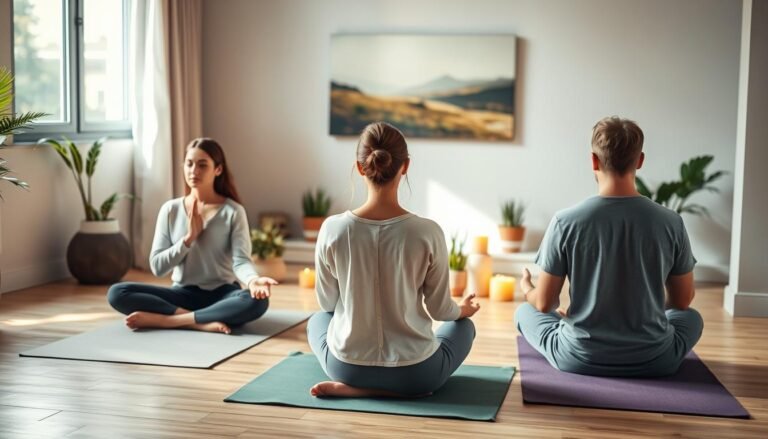
Begin in a cross-legged position only if it feels sustainable. If not, use a chair or support your back against a wall. The goal is to find comfort while maintaining a straight spine without rigidity.
- Keep your spine upright but relaxed. Let your shoulders drop away from your ears.
- Place your hands comfortably on your knees or in your lap.
- Try a four-count breathing pattern: inhale for four counts, hold for four, and exhale for four without straining.
- After stretching your legs, hips, back, shoulders, and neck, focus on gentle breathing exercises.
- During your first attempt to meditate, concentrate on one image, one mantra, or one breath sensation instead of forcing a complex experience.
Incorporating Mindfulness into Daily Life
Incorporating mindfulness into your daily routine can profoundly enhance your life. This practice extends beyond formal sessions, allowing you to find moments of peace throughout your day.
Start your morning with a short session of Shiva meditation. Use several rounds of breathing and set a simple intention connected to Lord Shiva’s qualities. This can help center your mind for the day ahead.
Integrating Meditation into Morning Rituals
- Practice mindfulness while eating, walking, or working. Notice one physical sensation, one sound, and one thought before returning to the present moment.
- Use the Shiva Purana for wisdom prompts. Reflect on patience, detachment, responsibility, and compassionate action.
- End your day with reflection meditation. Review what happened, name your feelings, appreciate one positive moment, and release one unresolved concern.
For more insights on integrating mindfulness into your life, explore about mindfulness, sleep routines, yoga, and intentional living.
Overcoming Challenges and Enhancing Consistency in Practice
Overcoming challenges in your practice can lead to a more rewarding experience. It’s common to face distractions and have unrealistic expectations when starting your journey. Understanding how to manage these can help you cultivate a more consistent routine.
When distractions arise, acknowledge them without judgment. Gently return your attention to your breath or mantra. This approach allows you to stay focused without feeling frustrated.
Managing Distractions and Expectations
- Replace unrealistic expectations with one measurable goal, like sitting for five minutes or completing ten breaths.
- Use a meditation timer or the Level SuperMind app to create a repeatable system.
- Consider meditation music or mantra recordings to help when external sounds become overwhelming.
Building a Sustainable Routine
Consistency is key in your practice. Remember, the benefits of meditation take time to manifest. Judge your progress by how often you return to your practice and how calmly you respond to distractions.
For additional support in your journey, explore that offers tools and insights for enhancing your meditation experience.
Conclusion
Finding peace through intentional practices can significantly enhance your overall well-being. Shiva meditation allows you to blend breath, visualization, and reflection, creating a rich tapestry of personal growth. Start with a comfortable posture and gentle breathing, gradually increasing your session length as you become more familiar with the practice.
Let the image of Lord Shiva guide you through life’s challenges with steadiness and compassion. Use mantras like “Om Namah Shivaya” thoughtfully, allowing the sound to support your focus without the pressure of specific outcomes. Remember, building a meditation habit takes time.
By choosing a consistent time of day and returning to your practice after distractions, you will notice positive changes in your mind and body. Embrace this journey, and allow your experience to unfold naturally.
FAQ
What is the significance of the third eye in meditation?
The third eye symbolizes intuition and insight. In meditation, focusing on this point can enhance your awareness and help you connect with deeper aspects of your consciousness.
How can I create a distraction-free environment for meditation?
Choose a quiet space, remove clutter, and consider using calming scents or soft lighting. This will help you focus and create a sacred atmosphere for your practice.
What are some effective breathing techniques for meditation?
Try slow, deep breaths, focusing on inhaling through your nose and exhaling through your mouth. This can help calm your mind and enhance your overall experience.
How often should I practice meditation to see benefits?
Consistency is key. Aim for a few minutes daily, gradually increasing the duration as you become more comfortable. Regular practice can lead to significant improvements in mental clarity and emotional well-being.
What role do mantras play in meditation?
Mantras serve as focal points during meditation. Repeating phrases like “Namah Shivaya” can help center your thoughts and deepen your practice.
Can meditation improve my physical health?
Yes, meditation can boost your immune system, reduce stress, and improve overall physical health by promoting relaxation and mindfulness.
How can I incorporate mindfulness into my daily routine?
Start by setting aside a few moments each day for mindful breathing or reflection. Integrate these practices into your morning rituals to set a positive tone for the day.
What should I do if I struggle with distractions during meditation?
Acknowledge the distractions without judgment and gently bring your focus back to your breath or mantra. Practicing regularly can help you manage distractions more effectively over time.