Meditation for Anxiety: Gentle Techniques for Calm and Grounding
Feeling overwhelmed by anxious thoughts is common, affecting nearly 19% of U.S. adults. Yet, many people do not receive the help they need. It’s important to understand that while some techniques can help, they are not a substitute for professional care.
One practical approach is to use mindfulness techniques. This means paying attention to the present moment without judgment. By practicing mindfulness, you can create space between yourself and your distressing feelings. This can lead to a more balanced response to stress and worry.
Setting realistic expectations is key. Techniques may support your mental health alongside therapy, medication, and social support. Accessible coping skills can be invaluable, especially since over 60% of individuals with anxiety disorders do not seek treatment.
In this article, we will explore various techniques, including breathing exercises and body awareness practices. You’ll find practical tools to help you manage stress and improve your overall well-being.
Key Takeaways
- Mindfulness can help increase awareness and acceptance of your feelings.
- Accessible coping skills are essential for those who struggle with anxiety.
- Techniques may complement professional treatment options.
- Breathing exercises and body awareness can be practiced daily.
- Creating a calming space can enhance your relaxation efforts.
Introduction to Meditation for Anxiety and Its Benefits
Anxiety can feel overwhelming, affecting many people’s daily lives. Mindfulness is a basic human ability to notice where you are and what you are doing without becoming overwhelmed. Jon Kabat-Zinn, who founded Mindfulness-Based Stress Reduction over 40 years ago, emphasizes the importance of intentional, present-moment awareness.
This practice helps you observe your breath, body sensations, and thoughts without judgment. A short mindfulness practice can help you notice a racing breath or tense body before reacting automatically. Starting with just five minutes can be beneficial, especially if longer sessions feel challenging.
| Practice | Possible Benefits |
|---|---|
| Breath Awareness | Promotes steadiness and calmness |
| Walking Awareness | Enhances grounding and connection |
| Body Scan | Increases body awareness and relaxation |
While mindfulness may ease anxiety symptoms, it’s important to remember that results can vary from person to person. Each individual’s journey is unique, and what works for one may not work for another.
How Anxiety Affects Your Body and Mind
For many, anxiety is not just a feeling but a physical experience that impacts daily life. The amygdala, a small part of your brain, plays a crucial role in how you process emotions and respond to stress. It acts like an emotional thermostat, activating when it senses a threat. This can lead to physical symptoms like rapid breathing, muscle tension, and stomach discomfort.
Ongoing anxiety keeps your body on high alert, which can make it hard to focus on anything else. It’s important to recognize that while these responses are natural, they can also be overwhelming. Research shows that regular practice can lead to changes in the brain. MRI studies indicate that those who engage in mindfulness techniques may have a smaller amygdala and a thicker prefrontal cortex.
Neuroplasticity refers to the brain’s ability to adapt based on experiences. However, it’s essential to remember that this doesn’t guarantee permanent changes for everyone. To help ground yourself, try this simple exercise: notice three physical sensations, identify two sounds around you, and take one steady breath. This practice can shift your focus from anxious thoughts to the present moment.
The Science Behind Mindfulness-Based Stress Reduction
Research shows that mindfulness can significantly influence your mental health. One of the most recognized programs is Mindfulness-Based Stress Reduction (MBSR), developed by Jon Kabat-Zinn over 40 years ago. This eight-week course combines instruction, formal practice, and mindful movement to help individuals reduce anxiety and stress.
A study published in the American Journal of Psychiatry in 1992 found that MBSR effectively reduced anxiety and panic symptoms among participants with generalized anxiety and panic-related conditions. This research highlights the program’s potential to support mental well-being.
To further understand MBSR’s impact, let’s compare it with Mindfulness-Based Cognitive Therapy (MBCT), created by Zindel Segal, John Teasdale, and Mark Williams in 1992. While MBSR focuses broadly on stress management, MBCT emphasizes recognizing thought patterns linked to depression and anxiety.
| Program | Focus | Key Findings |
|---|---|---|
| MBSR | Stress Management | Reduces anxiety and panic symptoms |
| MBCT | Thought Patterns | 50% reduction in depression relapse rates |
Both programs have shown promise, but it’s important to remember that outcomes can vary. Mindfulness practices can be a great place to start on your journey toward managing anxious thoughts and feelings.
Stepping Into Mindfulness: A Beginner’s Guide
Many people experience moments when anxious thoughts seem to take over their lives. Starting a mindfulness practice can help you regain control and find calm in the chaos. Here are some essential steps to guide you.
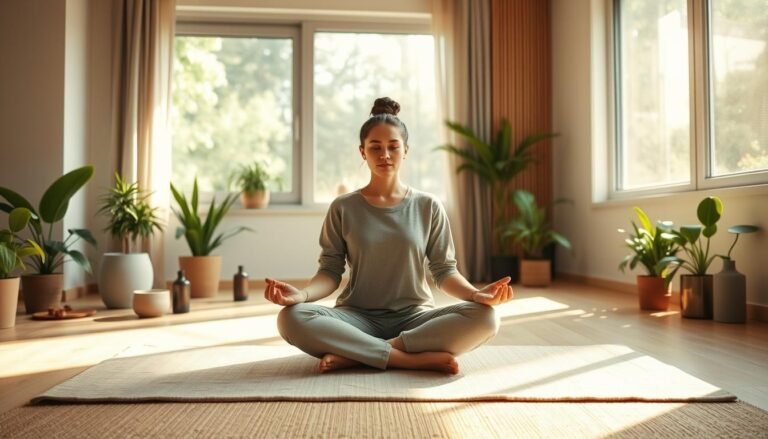
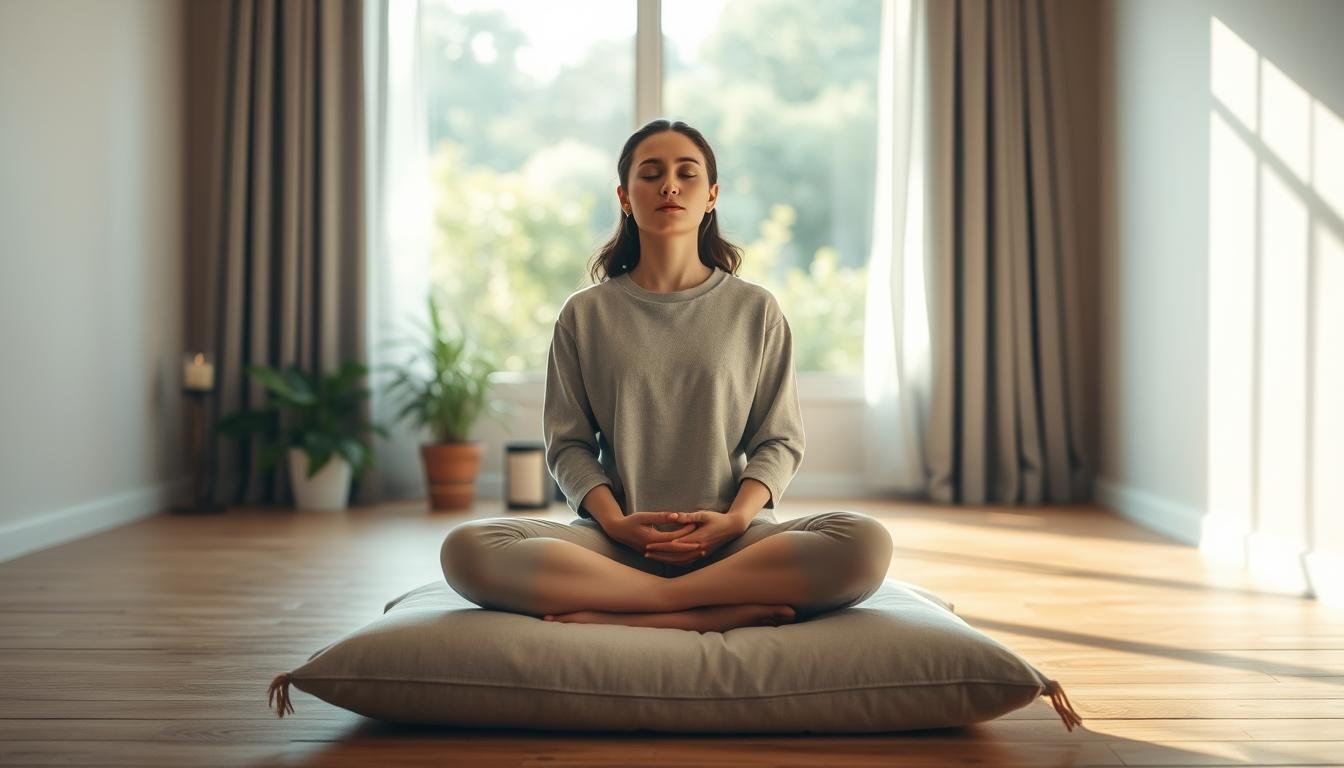
Begin by finding a comfortable seated position. Soften your gaze and notice your natural breath without trying to control it. This simple act can ground you in the present moment.
Essential Breathing Techniques to Start
Diaphragmatic breathing is a powerful tool. Allow your abdomen to expand gently as you inhale, then fall naturally during exhalation. This technique helps calm your body and mind.
Developing a Consistent Meditation Routine
Start with a five-minute routine: one minute for posture awareness, three minutes for breathing, and one minute for reflection. To build consistency, attach your practice to an existing cue, like brushing your teeth or starting your coffee.
Remember, it’s not about the length of time you practice but the consistency. Research shows that improvements can be felt after just two weeks of daily practice. to your journey toward a calmer mind.
Guided Meditations and Body Scan Techniques
When you’re feeling overwhelmed, guided meditations can be a helpful tool. These audio instructions simplify your experience, allowing you to focus on calming your mind without decision fatigue. You can easily follow along and find a moment of peace.
One effective practice is taught by Bob Stahl. His 30-minute session includes a mindful check-in, abdominal breathing, body scan, and compassionate closure. To perform a body scan, start at your feet. Notice any sensations like pressure, warmth, or tightness. As you move upward, pay attention to each part of your body without trying to change how you feel.
If you start to feel distressed, it’s perfectly okay to pause or stop the session. Remember, the goal is to cultivate awareness, not discomfort.
A study from the University of Waterloo involved 82 participants who listened to either 10 minutes of guided meditation or an audiobook. The results showed that those who practiced mindfulness shifted their focus from internal worries to the external environment, as noted by lead researcher Mengran Xu.
Practical Techniques to Manage Anxious Thoughts
Anxious thoughts can often cloud your mind, making it difficult to focus on the present. Recognizing these thoughts is the first step toward managing them effectively. Bob Stahl describes anxious thoughts as passing mental events, much like clouds drifting across the sky. By observing them without judgment, you can create space around your worries.
One helpful technique is thought labeling. Use simple phrases like “planning,” “fear,” or “judging” to identify your mental activity. This practice allows you to recognize that not every thought is a fact. Acknowledge your anxiety without fighting it—this is known as non-striving. Acceptance doesn’t mean inaction; it’s about being aware and responsive.
When you feel anxiety escalating, try this three-step pause: feel both feet on the ground, lengthen your exhale, and name the next useful action you can take in the present moment. Remember, if anxiety significantly interferes with your daily life, seeking professional support is essential.
Meditation for Anxiety: Gentle Techniques to Ease Stress
Many individuals find themselves struggling with overwhelming thoughts that can disrupt their daily lives. A simple two-minute sequence can help you regain a sense of calm. Start by noticing your body. Take a moment to feel your feet on the ground.
Next, follow three deep breaths. Inhale deeply through your nose, allowing your abdomen to expand. Exhale slowly through your mouth, letting go of tension. This diaphragmatic breathing can counter rapid, shallow breathing during panic. If at any point this feels uncomfortable, it’s okay to stop.
As you breathe, widen your attention to the sounds around you. This practice encourages a soft, nonjudgmental attitude. Remember, there’s no pressure to feel immediate calm. Instead, aim for gentle awareness.
Try practicing this sequence during ordinary moments. This way, it becomes familiar before anxiety intensifies. For more sensory techniques, check out our article on grounding exercises.
Exploring Different Meditation Practices
Many individuals seek different practices to find a sense of peace amid chaos. Two popular methods are mantra meditation and guided imagery. Each offers unique benefits, allowing you to choose what resonates with you.
Mantra Meditation for Calm
Mantra meditation involves repeating a steady word or phrase. Whenever your mind wanders, gently return your focus to the mantra. This practice can help ground you in the present moment.
Neutral examples include “Here now,” “One breath,” or “I can meet this moment with care.” These phrases are simple and avoid unrealistic affirmations, making them suitable for anyone.
Guided Imagery for a Peaceful Mind
Guided imagery encourages you to visualize a peaceful setting, object, or sound. This method directs your attention to a safe and calming space, helping to ease your mind.
Choose a mantra when you find comfort in repeated language. Opt for guided imagery when visual details support your relaxation. Platforms like Goodful and UCLA Health offer various formats, allowing you to compare voices, lengths, and approaches.
| Practice | Description | Best For |
|---|---|---|
| Mantra Meditation | Repeating a calming phrase | Those who prefer structure |
| Guided Imagery | Visualizing a peaceful scene | Individuals who enjoy visualization |
Actionable Tips for Incorporating Meditation into Daily Life
Integrating mindfulness into your daily routine can transform your approach to stress. You can start small by linking a five-minute practice to a reliable event, like waking up or having lunch. This simple habit can help you stay grounded.
Consider using reminders that ask, “What is happening in my body, breath, thoughts, and feelings?” This approach encourages awareness without the pressure to feel calm immediately. Tracking your practice can also be beneficial. Note the dates, duration, and how helpful you find each session.
A six-week online study on Isha Kriya revealed that participants experienced significant improvements in their mental health after just two weeks of daily practice. To further enhance your routine, conduct a weekly review. Identify which time, place, meditation style, and reminder worked best for you.
Evidence-Based Research on Meditation and Anxiety
Evidence suggests that feelings of distress are prevalent among adults, impacting their overall well-being. A 2014 meta-analysis published in JAMA Internal Medicine reviewed 47 randomized controlled trials with 3,515 participants. This analysis found small-to-moderate reductions in symptoms of anxiety and depression, highlighting that while benefits exist, they may not be dramatic for every individual.
In 2021, a study compared 12 weekly mindfulness sessions with cognitive behavioral group therapy for social anxiety disorder. The findings indicated that both approaches were effective, offering valuable options for those seeking relief.
Additionally, a 2022 study focused on healthcare workers revealed that Transcendental Meditation significantly reduced chronic stress, insomnia, and emotional exhaustion. Another 2022 study compared an eight-week MBSR course with Lexapro, finding similar effectiveness for treating anxiety symptoms. However, it’s crucial to note that these findings should not lead to changes in medication without professional guidance.
| Study | Sample Size | Intervention | Outcome | Limitations |
|---|---|---|---|---|
| JAMA Internal Medicine (2014) | 3,515 | Meta-analysis | Small-to-moderate reductions in anxiety | Varied individual responses |
| Mindfulness vs. CBT (2021) | Not specified | 12 weekly sessions | Effective for social anxiety | Limited long-term data |
| Transcendental Meditation (2022) | Not specified | Transcendental Meditation | Reduced chronic stress and emotional exhaustion | Sample size not disclosed |
| MBSR vs. Lexapro (2022) | Not specified | 8-week MBSR course | Similar effectiveness for anxiety | Requires medical supervision |
Leveraging Technology: Free and Accessible Online Guided Meditations
Finding a moment of calm can be challenging, especially in our fast-paced world. Fortunately, there are many free resources available to help you find quiet and enhance your well-being.
One excellent option is Goodful’s 10-minute anxiety meditation, which offers a short and straightforward practice. If you prefer a health-system source, check out UCLA Health’s free guided meditation collection for a variety of recordings.
Additionally, platforms like Insight Timer provide numerous stress and anxiety meditations, while Headspace offers free short sessions. You can also explore Mindful’s anxiety-focused recordings to find what resonates with you.
When choosing a digital practice, consider comparing the speaker’s voice, length, pacing, and instructions. Remember, online practices can complement your care, but if you experience urgent symptoms, seeking qualified professional help is essential.
How to Create a Calming Meditation Space at Home
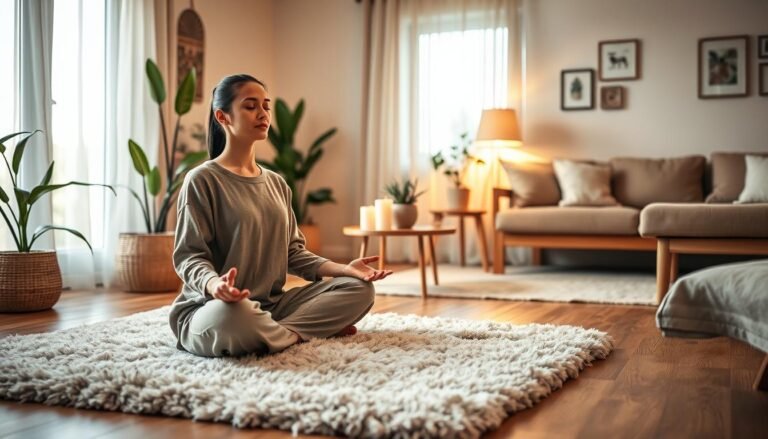
Creating a calming environment at home can significantly enhance your relaxation practices. You don’t need a dedicated room; a simple chair, corner, or even a folded blanket can work wonders.
To set up your space, keep a few essentials nearby:
- A cushion for comfort.
- A timer to track your practice.
- A water bottle to stay hydrated.
- Optional eye covering to block distractions.
Before starting a session, reduce notifications and clear visual clutter. Match your setup to the time you have, whether it’s five or thirty minutes.
It’s important to maintain a posture that feels both comfortable and alert. Bob Stahl’s practices can be done seated, standing, or even lying down.
If you share your home, consider using noise-reducing headphones or finding a quiet spot like a porch or parked car. You can even use a quiet room at work when appropriate.
Adapting Meditation Practices to Your Personal Needs
Finding the right approach to calm your mind can be a personal journey. It’s essential to tailor your practice to suit your unique needs and circumstances. Start by adjusting your posture; whether seated, standing, or walking, choose what feels most comfortable. If closing your eyes heightens anxiety, try an eyes-open practice.
Duration is also flexible. If a full session feels overwhelming, consider starting with just two minutes. You can shift your focus to external sounds or incorporate gentle movement to ease tension in your body. This way, you can remain engaged without feeling pressured.
For those with a history of panic, trauma, or severe symptoms, it’s wise to seek guidance from a licensed mental health professional. Remember, your practice should never replace prescribed treatments or lead to independent medication changes, especially when symptoms persist.
Think of personalization as an experiment. Test one adjustment at a time for several days, noting your response. Keep what genuinely helps you feel steady and calm.
| Adjustment Type | Suggested Changes | Benefits |
|---|---|---|
| Posture | Seated, standing, or walking | Enhances comfort and focus |
| Duration | Shorten to two minutes | Reduces overwhelm |
| Focus | External sounds or movement | Promotes engagement |
Success Stories and Practical Examples of Transformation
The journey toward improved mental well-being can be seen through relatable stories. Consider a healthcare worker who incorporates a quick 10-minute practice before each shift. Inspired by recent research, this routine helps them manage stress effectively, allowing for a smoother start to their day.
Another example is an office worker who pauses to take one deep breath before responding to challenging messages. This simple action helps them reduce automatic reactions, promoting a more thoughtful response rather than eliminating anxious feelings entirely.
Research from the University of Waterloo shows that just 10 minutes of guided mindfulness can enhance focus, even amid interruptions. Transformation may not always be dramatic; it can mean noticing anxious patterns sooner or recovering more quickly from stressful moments.
Remember, everyone’s journey is unique. Instead of expecting identical results, focus on your own progress. Define what success looks like for you, based on your personal observations and experiences.
Best Resources and Further Reading on Mindfulness and Meditation
If you’re looking to deepen your understanding of calming practices, many resources are available. Jon Kabat-Zinn’s work is foundational for those interested in the origins of mindfulness and MBSR. His teachings can provide you with a solid base.
For those focused on preventing relapse and understanding thought patterns, consider reading Mindfulness-Based Cognitive Therapy for Depression by Zindel Segal, John Teasdale, and Mark Williams. This book offers valuable insights into managing thoughts effectively.
Free guided meditations can be found at UCLA Health, which provides a variety of resources. Additionally, the Anxiety & Depression Association of America offers educational pages on managing anxiety.
For exploring different audio styles, platforms like Insight Timer, Headspace, Mindful, Goodful, and Ten Percent Happier are excellent options. Each offers unique features to help you find what resonates with you.
For more practical techniques, check out our articles on breathing practices, sleep habits, grounding exercises, and building sustainable wellness routines.
| Resource | Type | Focus |
|---|---|---|
| Jon Kabat-Zinn’s Work | Book | Foundational Mindfulness |
| Mindfulness-Based Cognitive Therapy | Book | Relapse Prevention |
| UCLA Health | Website | Guided Meditations |
| Insight Timer | App | Audio Styles |
Conclusion
Feeling overwhelmed by racing thoughts is common, and it can disrupt your daily life. Practicing awareness helps you notice your breath, body sensations, and feelings without reacting immediately to every anxious signal. Research supports modest benefits, as shown in the 2014 JAMA Internal Medicine review, reminding us to keep expectations realistic.
Start with just two to five minutes each day. Choose a comfortable posture and gently return your focus whenever your mind wanders. You might explore breathing exercises, body scanning, or even guided audio until you find what feels sustainable.
If anxiety significantly disrupts your life or raises safety concerns, don’t hesitate to reach out to a qualified mental health professional for personalized support. Remember, you’re not alone on this journey.
FAQ
What is mindfulness meditation?
Mindfulness meditation involves focusing on the present moment, acknowledging your thoughts and feelings without judgment. It helps cultivate awareness and can reduce stress and anxiety.
How can body scan techniques help with anxiety?
Body scan techniques encourage you to focus on different parts of your body, promoting relaxation and helping you connect with physical sensations. This practice can ground you and reduce anxious feelings.
What are some quick techniques to reduce anxiety during the day?
Quick techniques include deep breathing exercises, taking short mindful breaks, and practicing gratitude. These can help you manage stress and bring your focus back to the present moment.
How often should I practice meditation for the best results?
Consistency is key. Aim for at least 10-15 minutes daily. Even short sessions can be beneficial, helping you build a routine that fits your lifestyle.
Can guided meditations be found online for free?
Yes, there are many free resources available online, including apps and websites that offer guided meditations tailored to various needs, including anxiety reduction.
What should I do if I find it hard to concentrate during meditation?
It’s normal to have wandering thoughts. Gently bring your focus back to your breath or a mantra. Over time, you’ll improve your ability to concentrate.
How does meditation impact mental health?
Meditation can help lower stress levels, improve mood, and enhance overall mental well-being. Regular practice may also reduce symptoms associated with anxiety and depression.
What is the best environment for meditation?
A quiet, comfortable space free from distractions is ideal. Consider creating a calming atmosphere with soft lighting, cushions, or calming scents to enhance your practice.