Gratitude Meditation: A Simple Practice for Appreciation and Inner Calm
Life can often feel overwhelming, but taking a moment to appreciate the good things around you can create a sense of calm. This is where a heart-centered practice comes in. Developed by Dr. Kathi Kemper at Ohio State University, this approach helps you pause and reflect on the support you have in your life.
There are different ways to engage in this practice. For instance, the Greater Good in Action meditation lasts about ten minutes, while Josie Robinson’s Simple Serenity takes just five. These options make it easy for anyone to start, no matter how busy your day may be.
It’s important to set realistic expectations. One session might feel beneficial, but lasting effects come from regular practice. Consider appreciating simple things, like a breath of fresh air or a supportive friend. Remember, while this practice can enhance emotional well-being, it’s not a substitute for professional help when needed.
Key Takeaways
- Gratitude meditation combines mindful breathing with appreciation.
- Choose between a ten-minute or five-minute practice based on your schedule.
- Consistency is key for lasting benefits.
- Focus on small moments of appreciation in your daily life.
- This practice supports emotional health but does not replace professional care.
Understanding Gratitude Meditation
Finding peace in daily life can start with recognizing the small blessings that surround you. Gratitude meditation is a structured practice that combines present-moment awareness with appreciation for people, experiences, and everyday supports.
Developed by Dr. Kathi Kemper at Ohio State University, this approach includes stages like body scanning and emotional noticing. It encourages you to connect your feelings with physical sensations. For instance, noticing a tight shoulder or a racing mind can create space for a thoughtful response.
The meditation script highlights everyday essentials, such as clean water and electricity, making appreciation tangible. This practice broadens your awareness of the many individuals whose efforts support daily life, including farmers and transport workers. As you engage in this practice, remember that “appreciation is a way to enhance happiness and emotional well-being.”
How to Start a Gratitude Meditation Practice
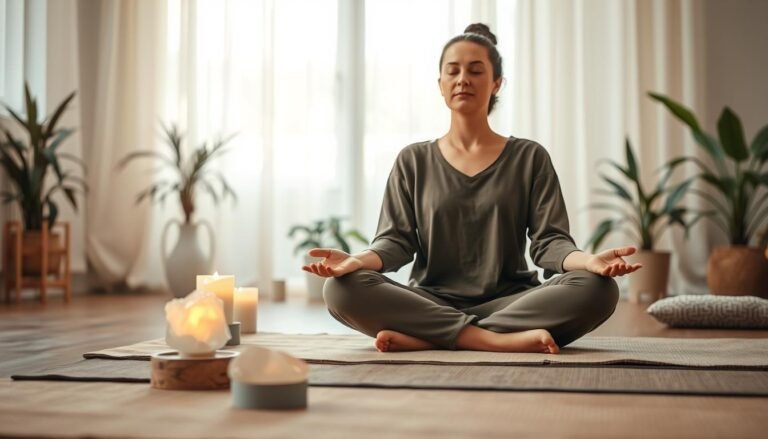
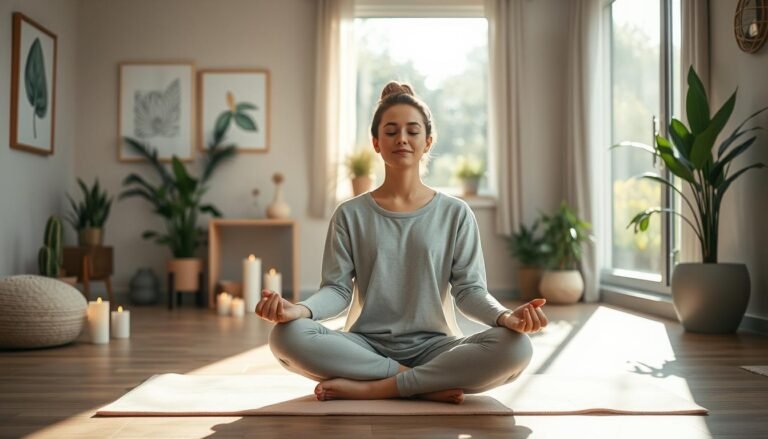
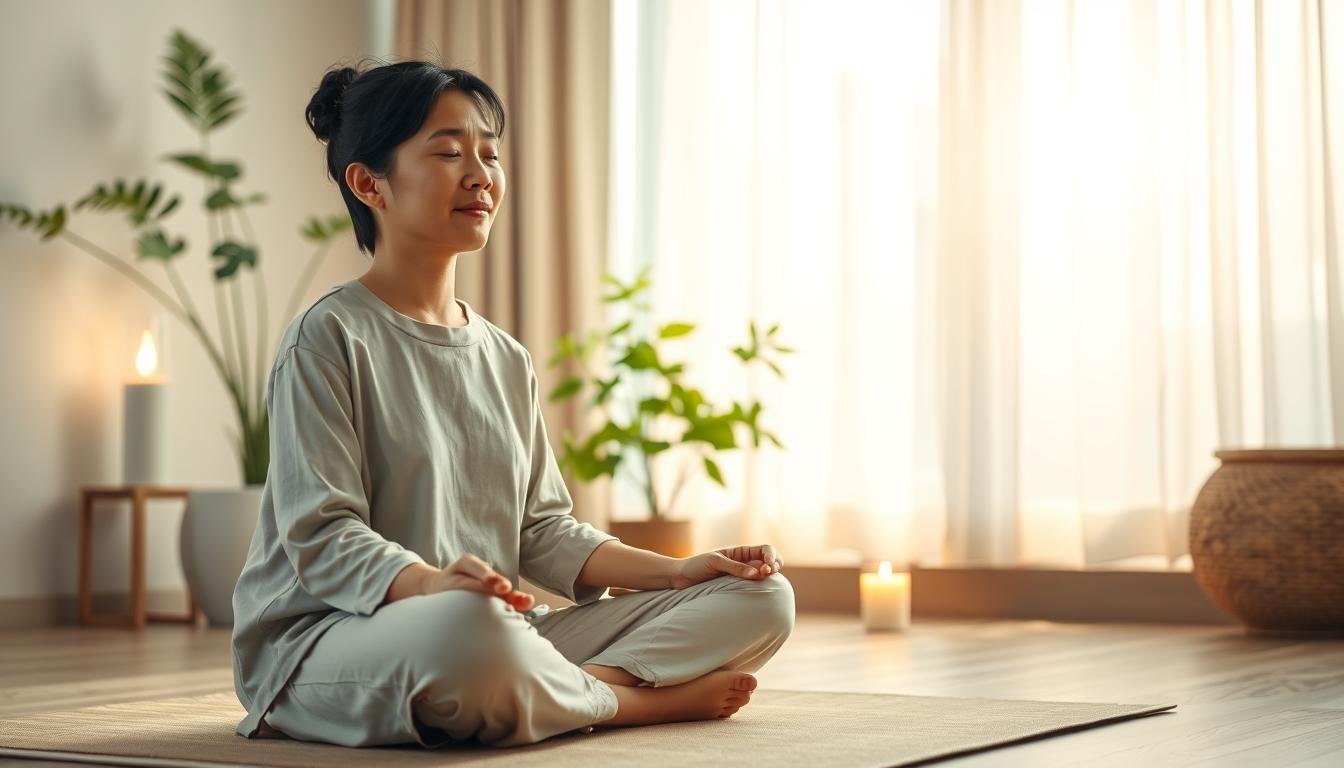
When life feels fast-paced, carving out a moment to recognize the good can help you feel centered. Starting a gratitude practice can be simple and rewarding. First, create a calming environment where you won’t be disturbed. Choose a quiet spot, free from distractions, to set the stage for your meditation.
Wear comfortable clothing, and consider having a blanket nearby if the room feels cool. You can start with just five minutes, following the format of Josie Robinson’s accessible meditation. This makes it easy to incorporate into your day.
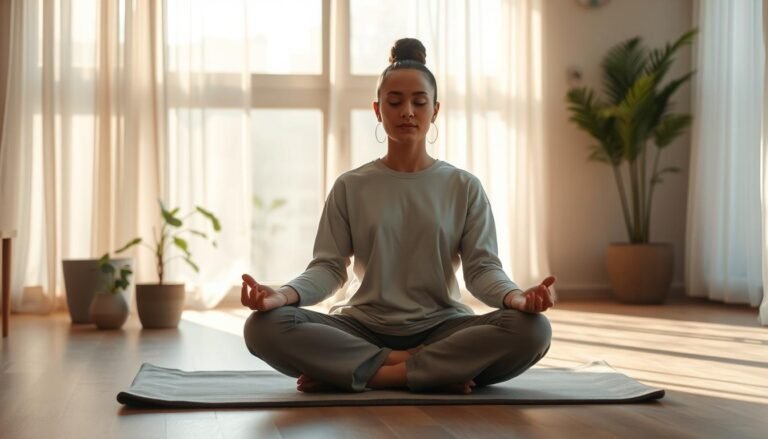
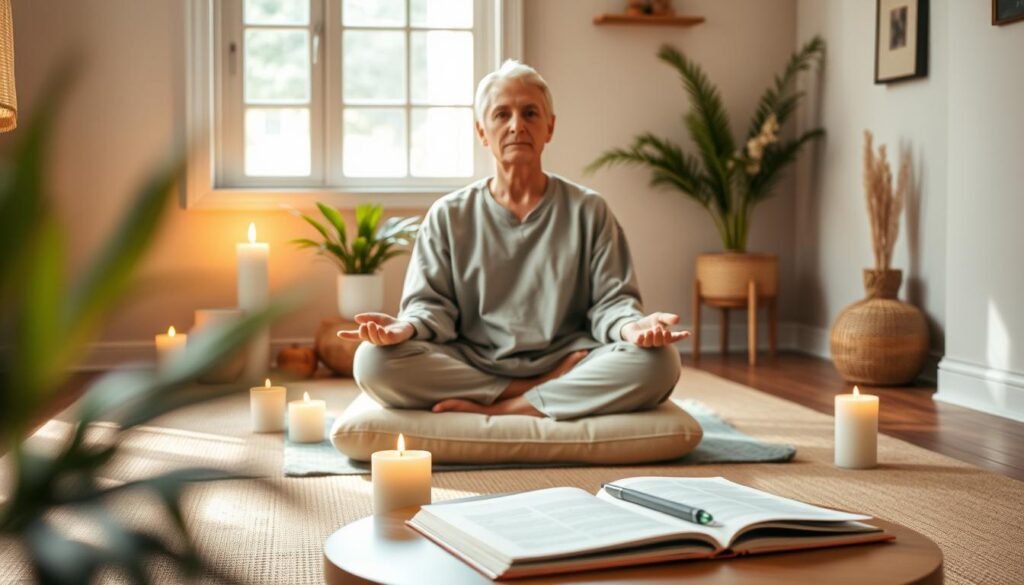
For posture, you can either sit upright with your back, neck, and head aligned or lie down with support under your knees. Aim for a soft gaze, looking 6-12 feet ahead, or close your eyes if that feels better. Focus on your breath, allowing your abdomen to expand on the inhale and gently contract on the exhale.
To enhance your practice, consider morning or evening sessions. This way, you can fit your meditation around your existing routine. Remember, the key is comfort—finding what works best for you.
| Practice Element | Description | Duration |
|---|---|---|
| Environment | Quiet and free from distractions | As long as needed |
| Clothing | Comfortable and loose | As long as needed |
| Posture | Sitting upright or lying down | 5 minutes |
| Breathing | Belly breathing technique | 5 minutes |
| Timing | Morning or evening sessions | 5-10 minutes |
Step-by-Step Guided Meditation to Cultivate Gratitude
In the hustle and bustle of everyday existence, finding time to acknowledge your blessings can foster peace. Preparing for your meditation session is essential for creating a supportive environment. Begin by choosing a safe, quiet place where you can settle comfortably. Take a few slow breaths to anchor your attention in the present moment.
Preparing for the Session
Once you’re settled, guide your awareness through a gentle scan from your head to your toes. Notice any tightness or discomfort without judgment. This step helps you connect with your body and acknowledge any distracting thoughts.
Following the Guided Script
As you progress, lead yourself through layers of appreciation. Start with simple things like your heartbeat and the air you breathe. Reflect on the infrastructure that supports your life, such as clean water and transportation. Take a moment to recall loved ones, friends, and even those who work behind the scenes.
Pause for 15 seconds to identify personal reasons you feel grateful. Finally, close your session with about 10 seconds of quiet appreciation. Allow gentle movement to transition back into your day, keeping the lightness of your practice with you.
Integrating Gratitude into Daily Life
Finding time to acknowledge the positive aspects of life can be a transformative experience. One effective way to do this is through daily practices and journaling. These simple habits can help you weave appreciation into your routine.
Consider starting your day with a five-minute session. Write down three to five specific things you’re grateful for, such as a supportive text from a friend or the warmth of the sun. This can set a positive tone for your day.
In the evening, reflect on your day by noting the good things that happened. This could be time spent with loved ones or a delicious meal. Specific descriptions make your entries more meaningful.
To make this easier, set a reminder on your phone or keep a journal by your bed. You can also involve family by creating a Gratitude Jar, where everyone adds notes about what they appreciate. Remember, it’s okay to feel a mix of emotions. Practicing gratitude can coexist with other feelings, helping you notice support in your life.
The Science Behind Gratitude Meditation
Research has unveiled fascinating insights into how gratitude meditation can impact your well-being. A study by Rao and Kemper in 2017 highlighted significant improvements in gratitude, self-compassion, and overall health among health professionals who participated in online meditation training. This suggests that such practices can foster a deeper sense of appreciation and emotional balance.
Another important study by Kyeong and colleagues explored neural connectivity and heart-brain interactions. While it didn’t directly confirm every claimed benefit, it laid the groundwork for understanding how these practices may influence our emotional responses. Additionally, a 2020 pilot study by Milbury and others showed that patients with brain tumors experienced enhanced relationship well-being through meditation, although their partners did not share the same benefits.
Mindful breathing can be a powerful tool, allowing you to navigate negative experiences while inviting positive feelings. However, it’s crucial to recognize that more research is needed across various populations. Gratitude meditation isn’t a cure-all for anxiety or depression, but it can certainly be a meaningful addition to your daily practices.
Enhancing Your Practice with Complementary Techniques
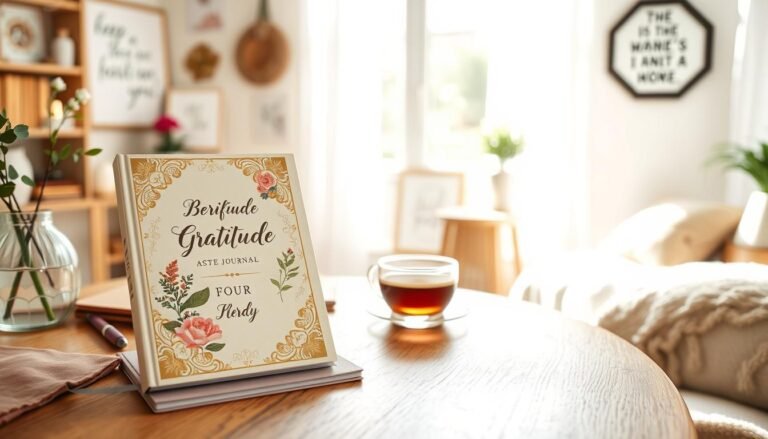
Incorporating additional practices can deepen your appreciation journey. Pairing gratitude meditation with a gratitude journal can enhance your experience. After each session, jot down one meaningful detail. This small act reinforces your feelings and creates a lasting record of your blessings.
Another effective method is to share appreciation with loved ones. Create a ritual where family members name one person or event they noticed during the day. This simple act fosters connection and awareness of everyday supports.
Consider using examples like farmers, postal workers, and teachers to help children understand the unseen contributions in life. This practice not only teaches them about gratitude but also nurtures empathy.
Additionally, you can introduce sympathetic joy by celebrating a loved one’s happiness first. Gradually extend this kindness to neutral or difficult people in your life. This approach helps cultivate a sense of community and interconnectedness.
For more techniques, explore articles on self-compassion meditation, daily gratitude practices, and family connection through appreciation.
| Technique | Description | Benefits |
|---|---|---|
| Gratitude Journal | Write one meaningful detail after each meditation session. | Reinforces feelings of appreciation. |
| Shared Appreciation | Family members name one support they noticed each day. | Fosters connection and awareness. |
| Sympathetic Joy | Celebrate a loved one’s happiness, then extend kindness. | Cultivates community and empathy. |
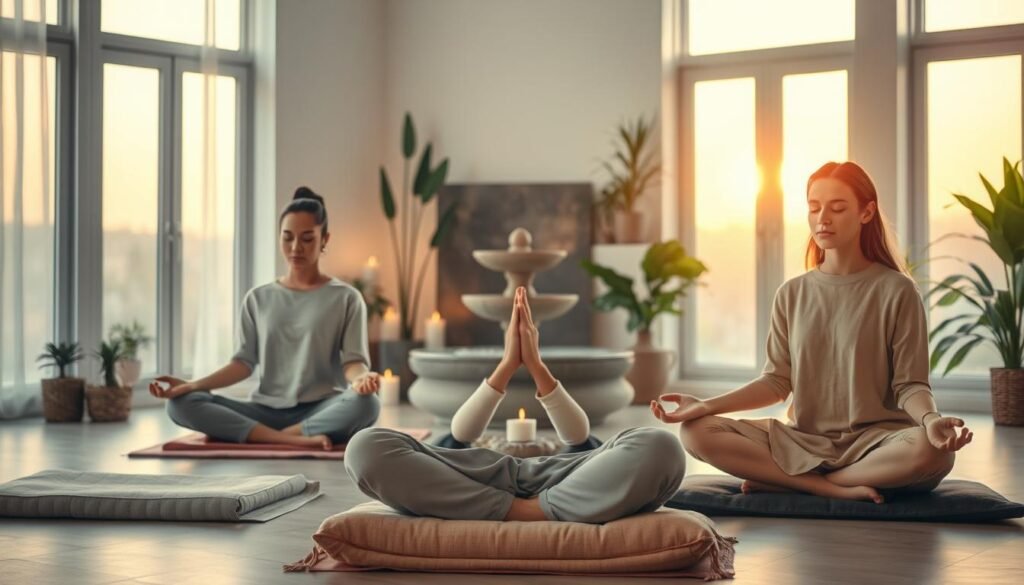
Mastering Gratitude Meditation for Lifelong Well-Being
Taking time to appreciate the little things can create a profound impact on your happiness. To maintain a consistent gratitude practice, start small. Begin with just five minutes a day. This brief commitment can help you build a lasting habit.
Once you feel comfortable, consider extending your sessions. However, only do this when the shorter routine feels stable. Attach your meditation practice to a reliable cue, like brushing your teeth or preparing coffee. This connection can make it easier to remember.
Keeping a simple journal can also enhance your experience. Aim to record three to five items that you appreciate each day. Don’t worry about missing days; instead, focus on the progress you make.
When challenges arise, adapt your practice. You can rotate among the 30 five-minute Simple Serenity meditations to find what resonates with you. Whether you read a script silently or listen to a recording, find what feels right.
Conclusion
In the chaos of daily life, pausing to recognize the positives can significantly enhance your well-being. Start with just five quiet minutes, focusing on your breath and one specific appreciation. You don’t need perfect conditions to begin this practice.
Dr. Kathi Kemper’s ten-minute approach and Josie Robinson’s five-minute script provide flexible options for any schedule. Carry this appreciation into your daily life by noticing supportive people, helpful services, and family moments.
Using a journal or a shared family ritual can strengthen your habit of acknowledgment. Remember, it’s okay to feel mixed emotions while practicing gratitude. Treat meditation as a supportive tool, and reach out to a mental health professional if you face overwhelming feelings.
FAQ
What is gratitude meditation?
It is a practice that involves focusing on the things you appreciate in life, promoting a sense of inner calm and well-being.
How can I start a gratitude meditation practice?
Begin by creating a calming environment, finding a comfortable posture, and focusing on your breath while reflecting on what you are grateful for.
How long should I meditate for gratitude?
Even a few minutes can be beneficial. Aim for 5 to 10 minutes daily to start, gradually increasing as you become more comfortable.
Can I combine gratitude meditation with other practices?
Yes, integrating techniques like journaling or sharing appreciation with others can enhance your overall experience and deepen your practice.
What are the benefits of practicing gratitude meditation?
Regular practice can improve your mood, increase happiness, enhance relationships, and promote better physical health.
How can I maintain consistency in my practice?
Set a specific time each day for your practice, create reminders, and consider joining a community or finding an accountability partner.
Is there any research supporting the benefits of gratitude meditation?
Yes, studies have shown that gratitude practices can lead to improved mental health, reduced stress, and greater overall life satisfaction.