Reiki Meditation: A Beginner’s Guide to Relaxation and Mindful Awareness
Are you curious about how to find peace and relaxation in your daily life? Reiki meditation offers a unique way to explore your inner self while promoting a sense of calm. This practice combines quiet attention, personal intention, and a gentle understanding of energy. It’s not just about sitting in silence; it’s about connecting with your body and mind.
Jan Kendall, who embarked on her healing journey with a simple question, “Who am I?”, discovered the transformative power of this practice. She learned from experts and recommends setting aside 10 to 30 minutes each day for practice. Whether you choose to engage in self-guided sessions or seek support from a trained practitioner, the goal is to foster relaxation and awareness.
It’s important to remember that your experience may vary. You might encounter wandering thoughts or shifting sensations, but these are part of the journey. The aim is to cultivate moments of peace, not necessarily a constant state of mental silence.
Key Takeaways
- Reiki meditation combines intention, energy, and quiet attention.
- Relaxation and mindful awareness are achievable goals.
- Practice can include deep breathing and body awareness.
- Personal stories can enhance your understanding of the practice.
- Expect a mix of thoughts and sensations during your sessions.
Introduction to Reiki Meditation
Have you ever wondered how to cultivate inner peace and clarity in your life? Reiki meditation beautifully merges contemplative attention with traditional energy healing. This practice creates a calm space for you to explore your inner self.
Jan Kendall’s journey illustrates this gradual exploration. She attended workshops, engaged with friends, and joined a meditation group, all while pursuing her education. Her experiences show that personal practice often develops through curiosity and openness.
As Buddha wisely stated,
“Meditation brings wisdom; lack of meditation leaves ignorance.”
This quote invites you to reflect on what nurtures wisdom and what distracts your mind. You may approach Reiki meditation in various ways—spiritually, reflectively, or simply as a relaxation ritual. It’s essential to recognize your expectations before starting, whether you seek calm, self-reflection, or connection.
The Origins and History of Reiki and Meditation
Have you ever thought about the roots of your relaxation practices? Understanding the origins of these techniques can deepen your experience. Reiki is closely linked to Japan and the Usui tradition. This form of energy healing was first channeled in Japan, emphasizing a unique connection to life energy.
Meditation, on the other hand, has a broader history. It appears across various cultures, including Buddhist and Hindu traditions. While Reiki focuses on energy healing, meditation serves multiple purposes, from mindfulness to spiritual exploration.
According to a review by Pamela Miles, Gala True, and Ulrike Dettling in 2003, Reiki’s history, theory, and practice have evolved over time. Jan Kendall, who trained with a Usui Reiki Master, later studied with William Lee Rand, illustrating a modern pathway in this tradition.
| Practice | Origin | Focus |
|---|---|---|
| Reiki | Japan | Energy healing |
| Meditation | Various cultures | Mindfulness and reflection |
While historical traditions can guide meaning and ritual, they do not automatically validate claims about energy or medical healing. It’s essential to approach these practices with an open mind and a sense of curiosity.
Understanding the Foundations: What is Reiki?
What if you could tap into a unique energy source for healing and balance? Reiki healing is a complementary practice that involves a practitioner placing their hands on or near your body. This technique is guided by intention and consent, creating a safe space for healing.
In Reiki, the term “energy” carries a spiritual significance. However, it’s important to note that scientific research has not yet established a universally accepted mechanism for this energy. A 2022 study by Gabriel Moss and colleagues explored whether practitioners could detect human energy fields, but findings remain inconclusive.
Jan Kendall shared a personal experience where her hands felt warm near her son’s wound. While this sensation was meaningful to her, it is essential to view such experiences as subjective rather than clinical proof of effectiveness.
Always remember, Reiki sessions should complement, not replace, proper medical care. It’s wise to discuss any health concerns with your practitioner, including preferences about touch and session boundaries.
Exploring the Mindfulness Element: What is Meditation?
Have you considered how simple moments of stillness can transform your daily experience? Meditation is more than just a practice; it’s a way to cultivate awareness and connect with your inner self. It can help you find clarity and manage stress, making it an essential tool for relaxation.
As Alan Watts famously compared, meditation is like music and dancing. The joy lies in the journey itself, not just the end result. You don’t need to achieve a dramatic breakthrough for your practice to be valuable.
For beginners, there are several approachable techniques to explore:
- Breath observation: Focus on your breath, noticing each inhale and exhale.
- Body scanning: Bring awareness to different parts of your body, releasing tension.
- Mantra repetition: Choose a word or phrase to repeat, helping to center your thoughts.
- Silent sitting: Simply sit in stillness, allowing thoughts to come and go without judgment.
Remember, it’s normal for thoughts to arise. Noticing them without resistance can create a kinder relationship with your mind. Start with just five minutes a day, choose one technique, and gradually extend your practice as it feels right.
The Science Behind Reiki and Its Healing Energy
Have you ever considered how scientific research supports the healing practices you explore? Understanding the evidence behind energy work can deepen your experience and help you make informed choices.
Several studies have examined the effects of energy practices:
- The 2010 randomized controlled trial by Richeson and colleagues focused on anxiety, depression, and pain among older adults.
- A 2024 meta-analysis reviewed Reiki interventions for anxiety, showing potential benefits while emphasizing the importance of study quality.
- Comparative reviews from 2008 and 2009 highlighted varying therapeutic effects, revealing the complexity of energy healing.
- Recent research by Hocking in 2025 explored daily self-Reiki and its impact on stress and well-being.
While studies provide insights, personal experiences are invaluable. Energy healing may resonate differently for each individual, and your journey is unique.
Reiki Meditation: A Step-by-Step Guide for Beginners
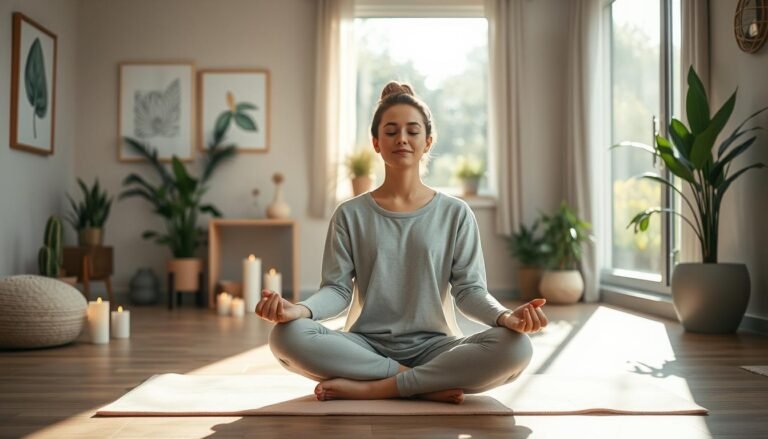
Imagine stepping into a serene space where you can truly connect with yourself. Preparing your environment is the first step toward a fulfilling practice. Start by finding a clean, comfortable place with an even temperature. This helps create a calming atmosphere.
Next, reduce interruptions. Silence notifications on your devices and inform those nearby that you need some quiet time. This will allow you to focus entirely on your practice.
Preparing Your Space for Meditation
Once your space is ready, sit in a supportive chair or lie down comfortably. Close your eyes if it feels right. Take three long, deep breaths to center yourself.
Physical and Mental Preparation
Set a simple intention for your session. You might choose to observe your body, welcome calm, or create space for reflection. If you’re trained, rest your hands on your legs or another comfortable position.
As you begin, scan your body from head to feet. Notice any sensations like warmth, coolness, or tightness. Allow yourself to feel without judgment. Aim to practice for 10-30 minutes, then finish with three deep breaths and a gentle stretch.
Creating a Sacred Space for Healing and Relaxation
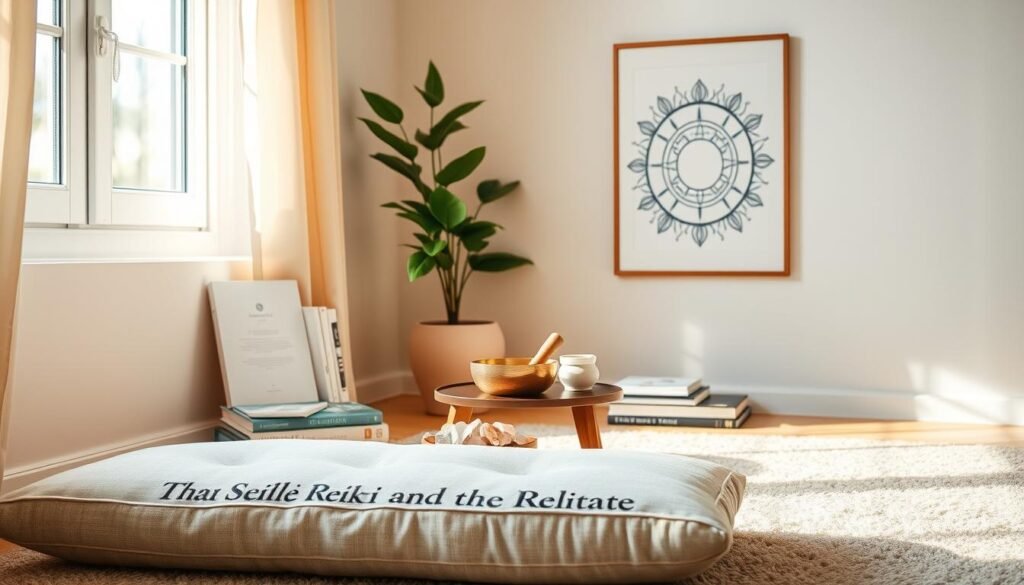
Imagine designing a space that nurtures your heart and spirit during your healing practices. A peaceful area can enhance your relaxation journey, allowing you to connect more deeply with yourself.
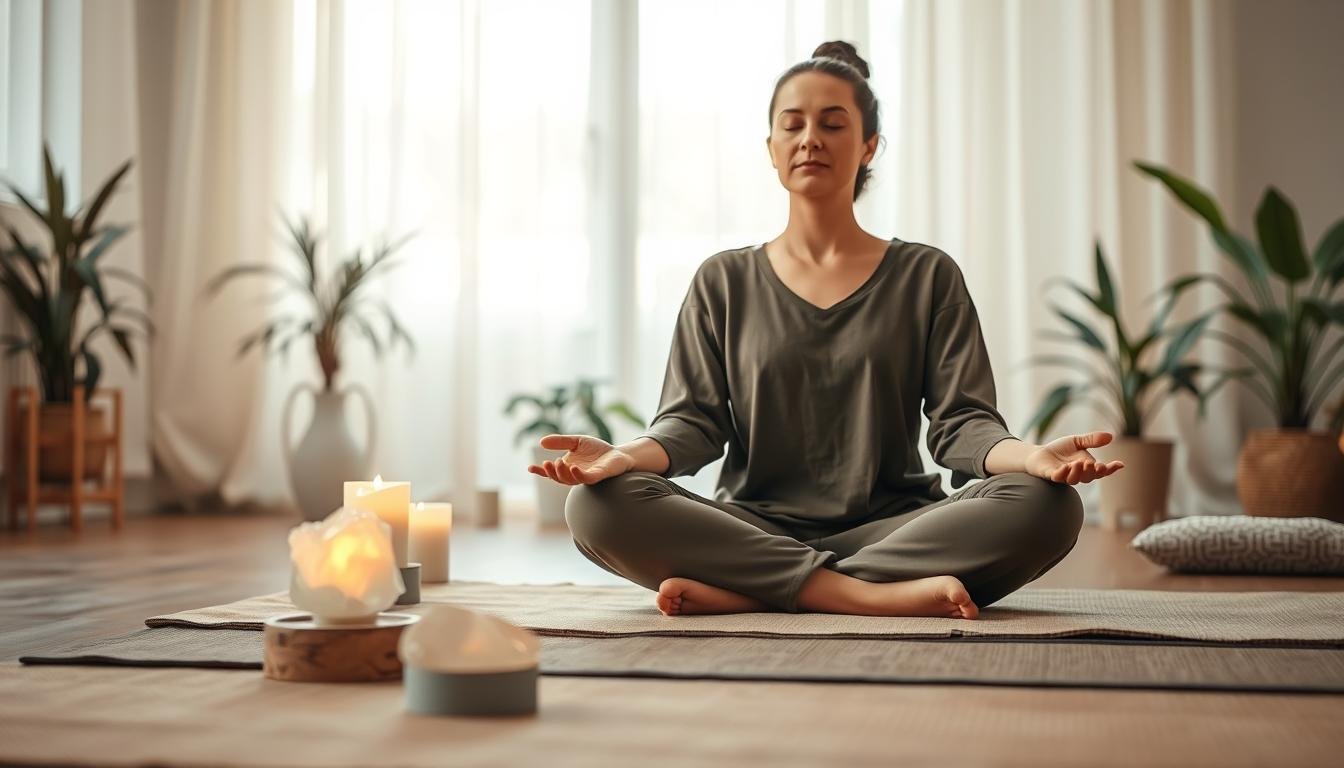
Start by choosing a quiet place that feels emotionally comfortable. You don’t need a dedicated room; any area that resonates with you can be effective.
Adjust the light and temperature to create a calming atmosphere. Soft lighting can help set the mood, while a comfortable chair or cushion supports your body. Sound is also essential; consider soft music if it helps you relax, but remember that silence can be equally beneficial.
Feel free to include meaningful objects, like a photograph or a piece of art, but only if they genuinely help you focus. Respect cultural practices like using sage or sweetgrass, keeping in mind ventilation and safety.
Ultimately, the goal is to cultivate a space that promotes peace and supports your personal growth.
Simple Techniques and Body Positions for Reiki Practice
How can simple adjustments in your hand positions create a more profound impact during your practice? Understanding the placement of your hands is essential for effective energy flow. It’s vital to choose positions that feel comfortable and consensual for both you and any participants.
Begin with your hands resting on your thighs, abdomen, or heart area. These spots can help you connect with your body and the energy around you. Move your hands slowly only when desired, observing sensations like warmth or tingling. These feelings can guide your practice but remember, they are not guarantees of energy transfer.
Hand Positions and Energy Flow
- Start comfortably: Choose positions that feel right for you, whether seated or reclined.
- Observe sensations: Pay attention to warmth, coolness, or deep relaxation without judgment.
- Follow your intuition: Beginners can begin with simple placements, while traditions may offer specific techniques.
- Respect boundaries: Always avoid pressing painful areas or touching injuries without clear consent.
- Adapt your posture: Find what works best for your mobility and comfort during practice.
Integrating Breathwork and Meditation for Deeper Relaxation
What if you could harness the power of your breath to enhance your relaxation experience? Breathwork can be a gentle yet effective method to support your journey toward calmness. Start by taking three comfortable breaths. Allow your exhale to lengthen naturally, without forcing it.
As you breathe, notice how it affects your chest, abdomen, and shoulders. Pay attention to your heart area and your overall sense of physical ease. Each inhale can be paired with simple awareness, while each exhale can symbolize the release of unnecessary tension.
If you begin to feel dizzy or anxious, simply return to your normal breathing. Open your eyes if needed and take a break whenever you feel uncomfortable. Try this breathing sequence for five to ten minutes before gradually extending your practice time, especially during stressful moments.
The Role of Attunement and Reiki Training
Have you considered how the right training can shape your healing experience? Attunement is a vital part of your journey in energy practices. It serves as a ritual that introduces students to essential symbols and methods within their lineage.
The first level of training often focuses on self-practice. As you advance, you may learn to work with others or even explore distance techniques. Each stage typically requires several days of training, allowing for practice time between levels.
When searching for a teacher, ask about their curriculum, lineage, and costs. It’s important to understand what each level includes. For example, Jan Kendall studied all levels with William Lee Rand at the International Center for Reiki Training in Michigan. This illustrates a clear learning pathway, but it’s not the only option.
Keep in mind that a title like “Reiki master” does not equate to medical expertise. Always discuss consent, touch, and confidentiality with any practitioner you choose. This preliminary conversation is crucial for a safe and respectful experience.
| Aspect | Details | Considerations |
|---|---|---|
| Attunement | Ritual introducing symbols and methods | Essential for understanding practice |
| Training Levels | First level focuses on self-practice | Advanced levels include work with others |
| Choosing a Teacher | Ask about curriculum and lineage | Evaluate costs and contact hours |
How to Use Guided Reiki Meditations
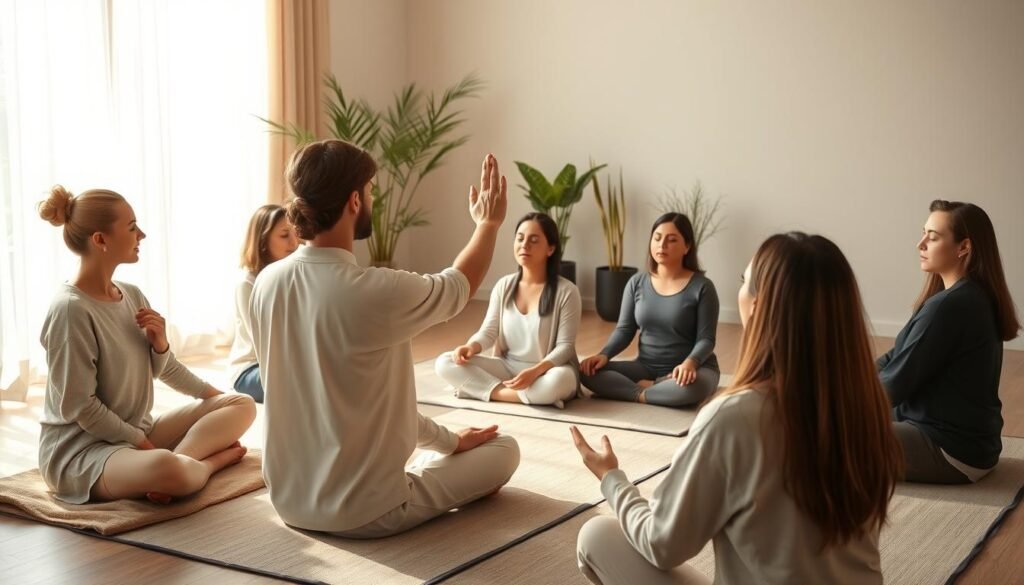
What if a guided session could help you connect more deeply with your energy? Guided audio or practitioner-led sessions can be excellent tools for beginners. They provide structure and support as you explore this unique practice.
Start with a short trial session, like a five-minute chakra-balance meditation. This allows you to ease into the experience without feeling overwhelmed. Follow the guide’s instructions for breathing, body scanning, and hand placement. Remember, you can pause or stop at any point if needed.
It’s essential to treat any imagery or sensations, such as warmth or tingling, as personal experiences rather than definitive proof of healing. After your session, consider journaling or drawing your impressions. This can help you process emotions and physical sensations.
Before committing to longer recordings, check if the session clearly identifies its creator, their training background, and any privacy practices. This will ensure you choose a meditation that aligns with your needs.
Incorporating Reiki Meditation into Daily Life
How can you seamlessly weave moments of tranquility into your everyday routine? Establishing a consistent practice can enhance your well-being and focus. To start, aim for a realistic schedule. Consider practicing once or twice daily for 10 to 30 minutes.
Here are some tips to help you maintain your practice:
- Schedule wisely: Set aside 10 minutes after waking, during lunch, or before bed.
- Create reminders: Use the same chair or a journal prompt to trigger your practice.
- Be gentle with your mind: When thoughts wander, return your focus to your breath.
- Start small: If daily practice feels overwhelming, begin with three days a week.
- Track your journey: Keep a simple log of your mood, stress levels, and observations.
- Consider challenges: A 30-day challenge can deepen your practice if it feels supportive.
With self-compassion and flexibility, you can build a sustainable habit that enriches your life.
Enhancing Your Practice with Complementary Therapies
Could adding complementary therapies to your routine bring you deeper healing? Integrating supportive practices can enhance your experience and overall well-being. You might consider options like gentle stretching, calming music, or reflective writing. Each of these can create a soothing atmosphere that complements your journey.
According to a 2013 meta-analysis by Bradt, Dileo, and Potvin, soft music has been shown to reduce stress and anxiety, particularly in patients with coronary heart disease. This highlights the benefits of incorporating music into your practice.
Here are some ideas to explore:
- Combine your practice with gentle stretching or calming music to enhance relaxation.
- Engage in reflective writing or spend time in nature to deepen your connection.
- Test one change at a time to see what genuinely supports your routine.
- Avoid practices that may create smoke, allergy risks, or financial pressure.
Remember, these therapies should be seen as additions to, not replacements for, prescribed care or urgent medical attention. By experimenting with these forms, you can find what truly benefits your personal experience.
| Therapy | Benefits | Considerations |
|---|---|---|
| Gentle Stretching | Enhances flexibility and relaxation | Be mindful of your body’s limits |
| Calming Music | Reduces stress and anxiety | Choose tunes that resonate with you |
| Reflective Writing | Encourages self-discovery | Allow your thoughts to flow freely |
Personal Experiences and Stories in Reiki Meditation
What if the feelings of others could illuminate your own path to serenity? Jan Kendall’s journey highlights how personal experiences shape our understanding of peace. Throughout her life, she has identified herself through various roles: wife, mother, teacher, single parent, and divorced woman. Each role prompted her to reflect on her values and personal identity.
In a significant moment, Kendall witnessed energy streaming from her son’s leg after a severe football injury. She felt warmth in her hands and saw relief in his expression. These feelings, while deeply personal, are not to be confused with medical evidence. Instead, they represent the emotional journey she experienced.
After an intuitive reader suggested that she was meditating and channeling energy to her son, Kendall sought out Usui Reiki training. This decision marked a shift toward a more intentional practice. She reported feelings of peace, strength, love, joy, harmony, focus, and deeper self-understanding.
As you explore your own experiences, consider recording your feelings, images, questions, and body sensations. Remember, it’s essential not to compare your journey with others. Insights and peace may emerge gradually, and it’s okay to encounter difficult emotions along the way. Personal stories can inspire exploration, but they cannot dictate how these practices will affect everyone in the world.
Resources and Further Learning
What if you could access valuable insights to support your growth? There are numerous resources available to enhance your understanding and practice. Connecting with a reiki teacher can provide you with personalized guidance and deeper insights into your journey.
For internal resources, consider exploring articles on beginner meditation techniques, stress management habits, mindful breathing, and building consistent wellness routines at BetterLifeAtlas.
External Expertise and Research Links
In addition to internal resources, you can find valuable external research. The 2015 Cochrane review by Joyce and Herbison discusses the effects of energy practices on depression and anxiety. Furthermore, the 2014 review by Thrane and Cohen examines findings related to pain and anxiety.
For those interested in recent studies, the 2021 randomized trial by Yüce and Taşçı involves caregivers of cancer patients, while the 2002 pilot study by Shiflett and colleagues focuses on poststroke rehabilitation. Lastly, the 2018 report by Vergo and colleagues discusses findings related to hospitalized patients.
When seeking a practitioner, evaluate their training transparency, ethics, and willingness to respect medical boundaries. This ensures a safe and supportive experience on your path to wellness.
Conclusion
How can you nurture your journey toward peace and relaxation in everyday life? Reiki meditation offers a gentle blend of personal intention, breath awareness, and reflective observation. Start by finding a quiet area, taking three deep breaths, and allowing your body to relax for 10 to 30 minutes.
Remember, experiences of warmth, peace, or insight are unique to you. Research continues to evolve, so keep an open mind. If you’re considering training, ask a teacher about their lineage and ethical practices.
Use this practice as a complement to your wellness routine. After each session, jot down your thoughts to see how this form of meditation fits into your life. With patience and consistency, you can cultivate a compassionate approach to your well-being.
FAQ
What is Reiki meditation?
Reiki meditation combines the principles of Reiki healing with meditation techniques to promote relaxation and mindfulness. It focuses on channeling energy to enhance your overall well-being.
How can I benefit from Reiki meditation?
Engaging in this practice can help reduce stress, promote emotional healing, and enhance your sense of peace. Many people find it beneficial for improving their mental clarity and emotional balance.
Do I need to be a Reiki master to practice Reiki meditation?
No, you don’t need to be a master. Beginners can start with simple techniques and gradually deepen their practice as they gain experience and understanding.
How long should I meditate for?
Even a few minutes of meditation can be effective. Start with 5-10 minutes and gradually increase the time as you become more comfortable with the practice.
Can I practice Reiki meditation on my own?
Yes, you can practice independently. However, working with a qualified Reiki teacher or practitioner can enhance your experience and provide valuable guidance.
What should I do if I feel distracted during meditation?
It’s normal to feel distracted. Gently bring your focus back to your breath or the energy flow. With practice, you’ll find it easier to maintain your concentration.
How can I create a sacred space for my practice?
Choose a quiet, comfortable area where you feel safe. You can enhance the space with calming elements like soft lighting, cushions, or soothing music to promote relaxation.
Are there any specific hand positions I should use?
Yes, there are various hand positions that can help channel energy effectively. You can start with simple placements, such as resting your hands on your heart or stomach.
How can I integrate Reiki meditation into my daily routine?
Set aside a specific time each day for your practice. Consistency is key, so try to make it a part of your morning or evening routine to cultivate a lasting habit.
What resources are available for further learning?
There are many books, online courses, and workshops available. Additionally, exploring articles from reputable wellness sites can provide valuable insights and techniques.