Moon Meditation: A Reflective Practice for Calm and Mindfulness
Have you ever felt the calming energy of the night sky? Moon meditation invites you to embrace that serenity. This practice encourages you to sit quietly, breathe slowly, and reflect on your intentions. It’s a simple yet powerful way to create a moment of peace in your busy life.
In 2026, the lunar calendar will feature thirteen full moons, including a rare Blue Moon on May 31. This is a perfect opportunity to start your practice. You can use these lunar phases as a backdrop for your reflections and personal growth.
Sun Dreval’s full moon meditation, published on January 5, 2023, guides you to a comfortable seated position. It encourages relaxed breathing while you focus on the night sky. Remember, this practice is about setting realistic expectations. The moonlight serves as a symbol for reflection, not a magic solution.
Ready to give it a try tonight? Gather your thoughts, set your intentions, and find a quiet space. Let the energy of the full moon inspire your journey.
Key Takeaways
- Moon meditation is a seated mindfulness practice for calmness.
- The 2026 lunar calendar includes thirteen full moons.
- Sun Dreval’s meditation starts with relaxed breathing and focus.
- Use lunar symbolism as a reflective framework for personal growth.
- Practical elements include intention setting and visualization.
Introduction to Moon Meditation
The stillness of the evening sky offers a unique opportunity for reflection. Setting an intention is a powerful way to anchor your practice. It helps you focus on what truly matters in your life. You might choose a simple affirmation like “I am at peace” or “I am present.” These phrases can guide your thoughts during your practice.
Consider intentions that resonate with you, such as “I’m improving my health” or “I’m strengthening my relationships.” These affirmations can serve as reminders of your goals. The 2026 Snow Moon on February 1 symbolizes resilience and clarity. You might use words like “steadiness” or “clarity” to reflect on your journey.
To create a comfortable space, you can sit in a chair, on a floor cushion, or even outside. It’s important to find a spot where you feel safe and relaxed. After your session, write down your intention. Reflect on how it supports your actions in work, relationships, or health.
| Intention Example | Meaning |
|---|---|
| I am at peace | Fosters inner calm |
| I am present | Encourages mindfulness |
| I’m improving my health | Focuses on well-being |
| I’m enough | Builds self-acceptance |
Understanding Lunar Energies and Phases
The rhythm of the night sky offers a fascinating lens through which to view our lives. Each lunar phase carries unique energies that can influence your thoughts and feelings. By understanding these phases, you can align your practices with their natural cycles.
Full moons, for instance, are often seen as times of completion and reflection. The names of these moons, like the Wolf Moon or the Harvest Moon, reflect seasonal changes and cultural observations. Each name carries a story, rooted in the environment and traditions of different regions.
For example, the 2026 calendar features thirteen full moons, including the Worm Moon on March 3 and the Sturgeon Moon on August 28. While these events are captivating, it’s essential to approach them with a balanced mindset. Eclipses, like the one during the Worm Moon, can heighten emotions but don’t automatically dictate health changes.
Here’s a brief overview of how lunar names connect to their meanings:
| Moon Name | Date | Symbolism |
|---|---|---|
| Wolf Moon | January 3 | Beginnings |
| Worm Moon | March 3 | Awakening |
| Sturgeon Moon | August 28 | Abundance |
| Cold Moon | December 23 | Reflection |
Using these lunar phases can inspire journaling and intention setting. You can also enhance your practice with scents or essential oils that align with each phase. Just be sure to consider any allergies or sensitivities you may have.
How to Practice Moon Meditation: A Step-by-Step Guide
The tranquility of the night invites a moment of self-discovery. Engaging in this practice can help you center your thoughts and intentions. Let’s explore how to get started with a few simple steps.
Finding a Comfortable Seated Position
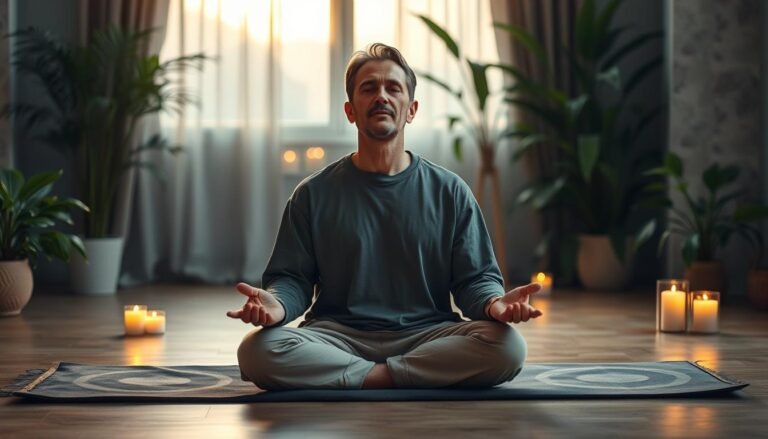
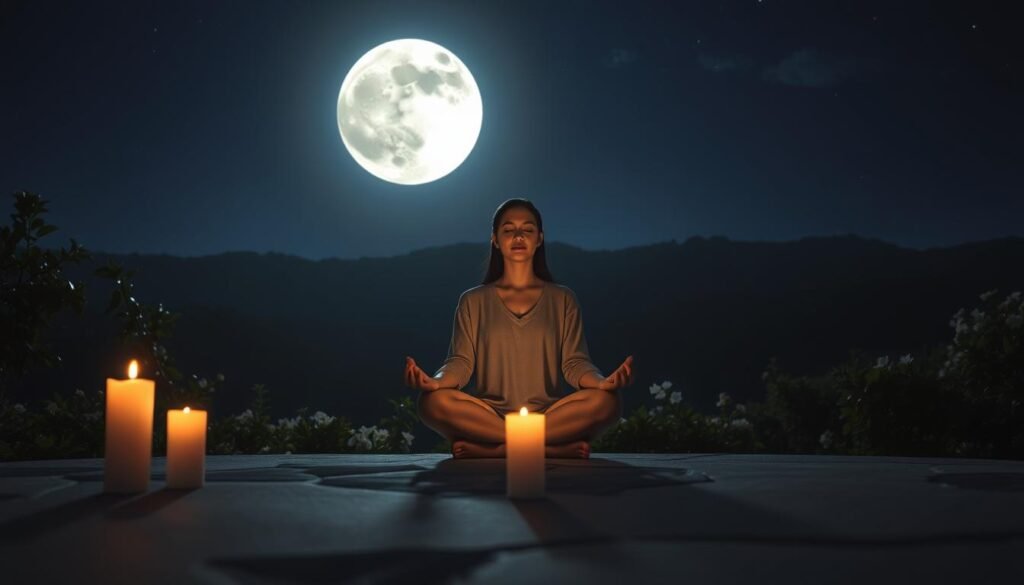
Begin as Sun Dreval recommends by sitting on a chair or floor cushion. Keep your spine straight, shoulders relaxed, and feet supported. This position will help you feel grounded and focused.
Breath Awareness and Visualization Techniques
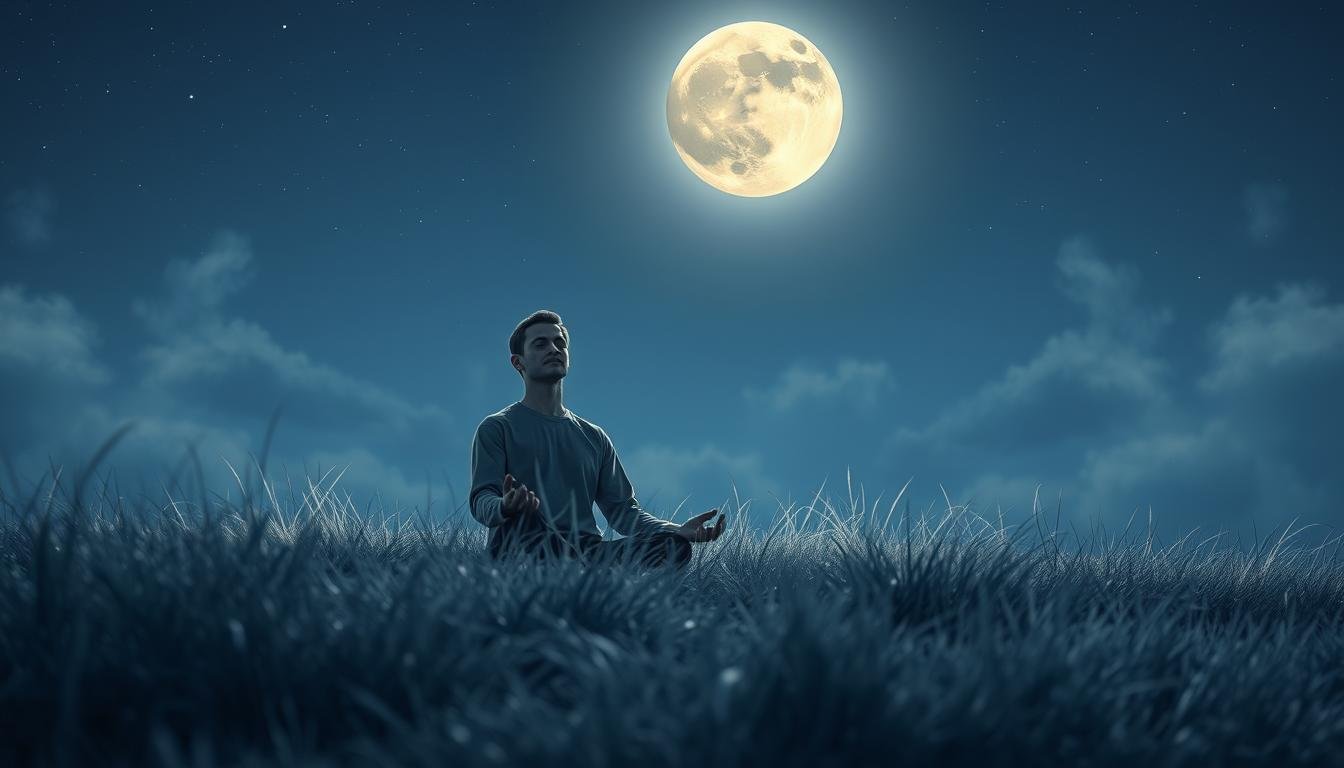
Close your eyes and take several slow, deep breaths. Notice how your abdomen and chest rise and fall. With each inhale, visualize the full moon becoming brighter above you. On each exhale, imagine a gentle sense of clarity flowing through your body.
Silently repeat an intention, such as “I am present,” for several breaths. If your mind wanders, gently return to this phrase. Finally, open your eyes slowly, taking a moment to notice your surroundings. Consider one practical step to reflect the calm you’ve cultivated.
Essential Mudras to Enhance Your Moon Meditation
The connection between your hands and the energies of the universe can enhance your reflective practice. Mudras, or hand gestures, play a significant role in this process. They can help channel energy and focus your intentions during your sessions.
Here’s a brief overview of some common mudras and how they relate to lunar energies:
Overview of Common Mudras
- Palli Mudra: Touch the ring finger to the thumb, crossing the index finger over the middle finger. This gesture represents shelter and grounding, perfect for the January 3, 2026 Wolf Moon.
- Chinmaya Mudra: Form a soft fist with the thumb touching the index finger. This grounded option supports inward awareness during the February 1, 2026 Snow Moon.
- Brahma Mudra: Create two soft fists with backs pressed together at the solar plexus. This aligns with the renewal theme of the March 3, 2026 Worm Moon.
- Padma Mudra: Hold an open lotus shape at the heart, symbolizing openness and love, especially during the April 1, 2026 Pink Moon.
- Prana Mudra: Connect the ring and little fingers to the thumb for vitality, resonating with the May 1, 2026 Flower Moon.
- Hridaya Mudra: Rest both hands gently over the heart, linking to the May 31, 2026 Blue Moon.
Linking Mudras to Lunar Energy
Each gesture can enhance your practice, encouraging reflection and connection to your intentions. Remember to release any mudra that causes discomfort. Comfort is key in this journey of self-discovery.
Moon Meditation for Full Moon Energy
Under the luminous glow of the full moon, we find a moment to pause and reflect. This phase of the lunar cycle is perfect for deepening your meditation practice. It’s a time to harness the full moon’s energy for personal growth and intention setting.
Guided meditation techniques can help you align with this powerful energy. For instance, during the January 3 Wolf Moon, visualize a snowy forest. Connect with your instincts while holding the Palli mudra. This grounding gesture enhances your experience.
Incorporating traditional mudras and rituals can further enrich your practice. Here’s a complete table of the 2026 full moons and their themes:
| Moon Name | Date | Themes | Mudra |
|---|---|---|---|
| Wolf Moon | January 3 | Beginnings and Instinct | Palli mudra |
| Snow Moon | February 1 | Resilience and Clarity | Chinmaya mudra |
| Worm Moon | March 3 | Awakening and Renewal | Brahma mudra |
| Pink Moon | April 1 | Joy and Blossoming | Padma mudra |
| Flower Moon | May 1 | Abundance and Gratitude | Prana mudra |
| Blue Moon | May 31 | Rarity and Intuition | Hridaya mudra |
| Strawberry Moon | June 29 | Sweetness and Simplicity | Shunya mudra |
| Buck Moon | July 29 | Growth and Strength | – |
| Sturgeon Moon | August 28 | Wisdom and Perseverance | – |
| Harvest Moon | September 26 | Fruition and Gratitude | – |
| Hunter’s Moon | October 26 | Preparation and Insight | – |
| Beaver Moon | November 24 | Diligence and Conservation | – |
| Cold Moon | December 23 | Reflection and Release | – |
As you explore these energies, remember that names and themes may vary across cultures. Use this knowledge to deepen your practice and embrace the unique qualities of each full moon.
Integrating Moon Meditation into Daily Life
Finding calm amidst the chaos of life can be a transformative experience. By incorporating moon meditation into your routine, you can cultivate a sense of peace and clarity. This practice can be repeated whenever you need rest and relaxation.
Start small. Dedicate just five minutes one evening each week. Use the thirteen full moon dates in 2026 as natural reminders for your sessions. This way, you won’t feel pressured to meditate daily.
Consider linking your practice to an existing habit. Perhaps enjoy your evening tea or turn off your phone. You can also meditate while stretching or writing down tomorrow’s priorities.
Choose one intention for the entire lunar cycle. Focus on improving health or strengthening relationships. Review your progress before selecting a new intention.
If a late-night outdoor session isn’t feasible, meditate indoors. Position yourself near a window or use a moon image while following the same breathing sequence.
Remember, missed sessions are opportunities for reflection. When time is limited, opt for a quick two-minute reset. Finally, integrate your practice with a simple act, like sending a thoughtful message or taking a mindful walk.
Using Tools and Techniques to Deepen the Experience
As darkness envelops the world, a serene opportunity for introspection arises. One optional tool to enhance your practice is a moon tuning fork. This simple instrument can create a soothing soundscape, marking the beginning or end of your sessions.
To use the tuning fork safely, strike it gently away from your ears. Allow the sound to fade, then embrace the quiet for breath awareness or intention setting. Remember to keep the volume comfortable, especially during nighttime practice. If the sound causes discomfort or anxiety, stop immediately.
Consider using one tone before visualization and another after journaling. However, only do this if it feels supportive and not distracting. The tuning fork serves as a personal soundscape choice, not a clinical treatment.
| Use of Tuning Fork | Benefits |
|---|---|
| Marking meditation start | Creates a focused atmosphere |
| Enhancing breath awareness | Encourages deeper relaxation |
| Setting intentions | Aligns energy with goals |
| Ending meditation | Brings closure to the practice |
Internal and External Resources for Further Exploration
In the quiet of the evening, opportunities for growth and insight emerge. To deepen your understanding of lunar practices and mindfulness, consider exploring these resources.
Related BetterLifeAtlas Articles for Extended Learning
- For foundational skills, check out BetterLifeAtlas’s beginner meditation techniques.
- After observing the full moon, you might enjoy BetterLifeAtlas’s mindful journaling for personal growth.
- Explore The Transformative Power of Meditation and Sound Healing for optional tuning-fork experimentation.
Recommended External Guides and Infographics
- For a solid introduction, visit Psychology Today’s meditation guidance.
- David Gelles from The New York Times offers a practical how-to guide for starting a daily meditation routine.
- Use the lunar phases and essential-oil infographic for inspiration, ensuring to check safety information before applying scents.
Conclusion
The quiet moments of the evening provide a perfect backdrop for personal reflection. Embracing this practice can be simple: find a comfortable spot, breathe deeply, and visualize the night sky. Focus on one clear intention whenever your mind wanders.
The 2026 calendar offers thirteen full moon opportunities, from the January 3 Wolf Moon’s beginnings to the December 23 Cold Moon’s release. Consider using mudras like Palli or Padma to enhance your focus, but remember, comfort is key—no gesture is necessary if it feels uncomfortable.
Feel free to incorporate journaling, a tuning fork, or calming music only if they add value to your experience. Start with one short session this week, and see if a recurring full moon ritual genuinely supports your calm and mindfulness.
Finally, remember that this practice complements—not replaces—professional support when needed. Enjoy your journey of self-discovery!
FAQ
What is moon meditation?
Moon meditation is a reflective practice that harnesses the energy of lunar phases to promote calmness and mindfulness. It encourages you to set intentions and connect with your inner self during specific moon cycles.
How do I set intentions for my moon meditation practice?
To set intentions, find a quiet space and reflect on what you want to achieve or release. Write down your intentions and keep them close during your practice, allowing them to guide your meditation.
Can lunar phases affect my mood and energy?
Yes, many believe that lunar phases can influence emotions and energy levels. For example, the full moon is often associated with heightened energy, while the new moon is a time for reflection and setting new intentions.
What are some techniques to enhance my moon meditation?
Techniques include breath awareness, visualization, and using specific mudras. You can also incorporate rituals that resonate with the lunar cycle, enhancing your connection to the practice.
How can I integrate moon meditation into my daily routine?
Start by setting aside a few minutes each day for meditation, especially during significant lunar phases. Consistency is key, so try to establish a routine that aligns with your lifestyle.
Are there tools that can help deepen my moon meditation experience?
Yes, tools like tuning forks attuned to lunar frequencies can enhance your practice. Additionally, crystals associated with the moon can provide supportive energy during your meditations.
Where can I find more resources on moon meditation?
You can explore related articles on BetterLifeAtlas for extended learning. There are also numerous external guides and infographics available online that delve deeper into the practice.