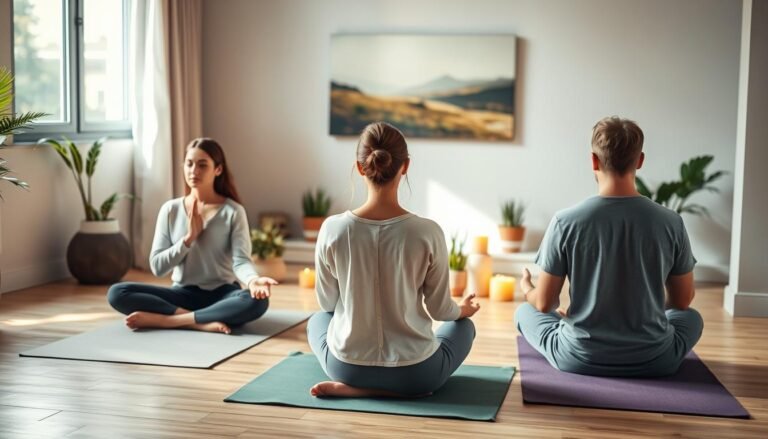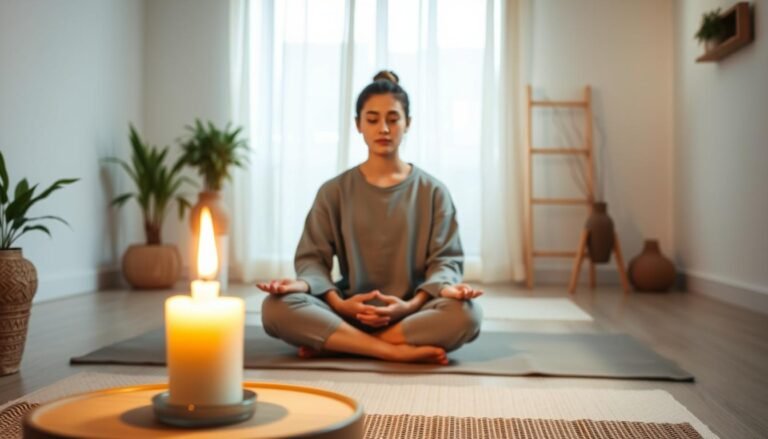
Meditation Benefits for Your Mind, Focus, and Daily Well-Being
In today’s fast-paced world, many people are seeking ways to enhance their mental clarity and emotional health. One practical approach is training your mind to focus and redirect thoughts. This skill can lead to significant improvements in your daily life.
Research shows that even just a few minutes of practice can make a difference. For instance, a study found that dedicating 13 minutes daily can enhance attention and memory after eight weeks. It’s important to understand that this is not a quick fix for every issue, but rather a skill that can help reduce stress and anxiety.
While individual experiences may vary, many find that incorporating this practice into their routine can lead to better emotional well-being, improved focus, and even better sleep. You can start small, finding a style that fits your goals and comfort level.
Key Takeaways
- Training your mind can enhance focus and redirect thoughts.
- Just a few minutes a day can lead to noticeable improvements.
- Individual experiences may vary; results are not guaranteed.
- Improved emotional well-being and stress reduction are common outcomes.
- Find a practice style that suits your lifestyle and energy levels.
Understanding Meditation and Its Practice
In a world filled with distractions, enhancing mental clarity and emotional health is a priority for many. The practice of focusing your mind can create a powerful connection between your thoughts and physical well-being. This connection plays a crucial role in how you respond to stress and emotions.
Chronic stress activates your sympathetic nervous system, releasing hormones like epinephrine and cortisol. These hormones can raise blood pressure and heart rate, impacting your overall health. On the other hand, when you engage in relaxation techniques, your parasympathetic nervous system kicks in, promoting a state of calm.
There are various techniques to explore. Focused-attention meditation directs your focus on a single object, thought, or sound, such as your breath or a mantra. In contrast, open-monitoring meditation encourages you to be aware of your thoughts and feelings without judgment. This can help you notice patterns without getting overwhelmed.
For beginners, using a calming sound or guided recording can serve as an anchor for your attention. Mindfulness meditation typically involves observing your thoughts and sensations without reacting. This gentle awareness can lead to greater emotional resilience.
Embracing Meditation as a Daily Wellness Tool
As life becomes increasingly hectic, people are eager to explore strategies that enhance their mental focus and emotional well-being. Incorporating simple practices into your daily routine can lead to profound changes in your life.
Here are some immediate steps to get started:
- Choose a quiet position: Find a comfortable spot where you can sit or lie down without distractions.
- Set a timer for five minutes: This creates a manageable timeframe for your practice.
- Notice your breathing: Focus on the rhythm of your breath to anchor your thoughts.
- Acknowledge distractions: If your mind wanders, gently bring your focus back to your breath.
- Return to your anchor: Repeat this process to cultivate a sense of calm.
To make this practice a part of your daily routine, consider setting an alarm a few minutes early. This allows you to use quiet morning time effectively. You can also explore guided meditation resources, such as the Art of Living Journey app, which offers free classes and sessions.
Remember, you can practice anywhere. Whether sitting in a chair, taking a walk, or during a short break, you can integrate these techniques into your busy lifestyle.
| Practice Type | Duration | Best Time |
|---|---|---|
| Focused Breathing | 5 minutes | Morning |
| Guided Session | 10 minutes | Evening |
| Mindful Walking | 15 minutes | During Breaks |
Meditation Benefits: Enhancing Mental and Physical Wellness
In a world where stress often overshadows our daily lives, finding ways to boost both mental and physical health is essential. Research highlights how regular practice can lead to transformative changes in your overall well-being. A 2017 review of 45 studies suggested that engaging in focused practices may significantly lower physiological stress markers, including cortisol levels.
For instance, findings from the University of California, Davis, showed that individuals participating in generalized programs experienced reduced cortisol levels. Additionally, studies from Harvard revealed that long-term practitioners had increased gray matter in key brain regions associated with sensory processing and emotional regulation.
To make the benefits clearer, here’s a table summarizing commonly reported outcomes:
| Outcome Type | Mental | Emotional | Physical | Behavioral |
|---|---|---|---|---|
| Stress Reduction | ✔️ | ✔️ | ✔️ | ✔️ |
| Improved Focus | ✔️ | ✔️ | ||
| Enhanced Resilience | ✔️ |
These insights align with articles on , sleep habits, and emotional resilience. Regular practice can lead to profound improvements in your life, helping you manage stress and cultivate a more balanced existence.
Reducing Stress and Controlling Anxiety
As daily pressures mount, individuals are increasingly looking for methods to cultivate mental peace and resilience. One effective way to address stress is through focused practices that help calm the mind. Research shows that even brief sessions can lead to significant improvements in your overall well-being.
A 2014 meta-analysis involving nearly 1,300 adults found that engaging in focused practices may decrease anxiety, particularly among those with higher anxiety levels. This indicates that even small efforts can yield substantial results.
For immediate relief, try a simple two-minute breathing reset. Lengthen your exhale to relax your body and bring your attention back to the present. This technique can help ground you during stressful moments.
Additionally, an eight-week mindfulness study demonstrated reduced anxiety symptoms in participants with generalized anxiety disorder. These findings highlight how structured practices can enhance coping mechanisms and improve stress reactivity.
Consider incorporating these strategies into your daily routine. For those experiencing severe anxiety or trauma, remember that these practices can complement professional care rather than replace it.
Enhancing Self-Awareness and Emotional Health
In our busy lives, fostering self-awareness and emotional health has become increasingly important. Noticing self-critical thoughts can create a pause between automatic judgments and more constructive responses. This practice encourages a shift towards kindness and understanding.
A review involving more than 3,500 adults found that mindfulness practices improved symptoms of depression. Additionally, a 2015 study revealed that those who engaged in focused practices had fewer negative thoughts after viewing distressing images.
Loving-kindness meditation is a wonderful way to start this journey. It begins with kindness toward yourself before extending compassion to friends and others. This can enhance your overall positive self-image.
Here’s a simple exercise to cultivate self-awareness:
- Name a difficult feeling: Acknowledge it without judgment.
- Observe its physical location: Notice where you feel it in your body.
- Respond with nonjudgmental language: Speak kindly to yourself about this feeling.
Moreover, a 2019 study of 153 mindfulness-app users reported reduced loneliness and increased social contact after just two weeks of use. This highlights how small steps can lead to meaningful connections and improved emotional health.
Boosting Focus, Memory, and Cognitive Function
As distractions grow in our daily lives, finding ways to sharpen your focus and enhance memory is more important than ever. Research indicates that just 13 minutes of practice each day can significantly improve your attention and memory over a period of eight weeks. This isn’t merely a theory; it’s backed by studies that show how consistent effort can yield real results.
Developing a Stronger Attention Span
Did you know that people are lost in thought about 47% of the time? This staggering statistic highlights the potential for improvement through focused practice. By engaging in focused-attention techniques, you can train your mind to return to a single point of focus, such as your breath or a mantra. This repetition acts like a workout for your attention span, helping you regain control over wandering thoughts.
Improving Memory With Short Daily Sessions
Another effective method is the Kirtan Kriya, which combines a mantra with finger movements. This technique has shown promise in studies for enhancing memory, especially in older adults. You can easily incorporate these practices into your routine. Try meditating for just five to 13 minutes before engaging in tasks like reading or studying. This simple adjustment can prepare your mind for better retention and focus.
Improving Sleep Quality and Managing Pain
Many individuals are searching for effective methods to improve their sleep patterns and alleviate chronic pain. Research shows that certain practices can support these goals, helping you feel more rested and comfortable.
One technique to enhance sleep is a bedtime body scan. This practice involves slowly moving your attention from your feet to your face, noticing any tension without forcing relaxation. It can help signal your body that it’s time to wind down.
A 2014 study found that mindfulness-based programs improved sleep duration and insomnia severity compared to an unmedicated control condition. This highlights the potential of these techniques in promoting better sleep.
When it comes to managing pain, observing sensations separately from fear or frustration can ease the experience. A Wake Forest University study reported a 40% reduction in pain-intensity ratings during focused practices, though results can vary for individuals.
If you’re dealing with new, severe, or worsening pain, it’s important to seek medical evaluation. Use these techniques as complementary support rather than a replacement for professional care.
Lowering Blood Pressure and Promoting Heart Health
Chronic stress can take a toll on your heart health. It’s important to understand how stress impacts blood pressure and overall cardiovascular well-being. When you experience repeated stress responses, your heart rate and blood pressure can rise. This extra strain on your cardiovascular system can lead to serious health issues.
A 2015 meta-analysis of 12 studies involving nearly 1,000 participants found that focused practices can help reduce blood pressure. The results showed that the effect was particularly strong among older adults and those with higher initial blood pressure levels.
Here are some key points to consider:
- Stress and Heart Health: Repeated stress responses can elevate heart rate and blood pressure, increasing the workload on your heart.
- Research Findings: The 2015 meta-analysis indicated a significant blood-pressure benefit from focused practices.
- Targeted Impact: The effect was more pronounced in older individuals and those with pre-existing elevated blood pressure.
- Breathing and Relaxation: Slower breathing and relaxation techniques can reduce fight-or-flight activation, promoting heart health.
- Consult Your Doctor: Always monitor your blood pressure and discuss lifestyle changes with a healthcare professional.
While these practices can support heart health, they should not replace prescribed treatments. Prioritize your cardiovascular health by staying informed and proactive.
Making Meditation a Sustainable Part of Your Daily Routine
Creating a consistent practice can help you navigate daily challenges with greater ease and focus. A personalized meditation plan can make all the difference in your journey toward mental clarity and emotional well-being.
Creating a Personalized Meditation Plan
Start by choosing a realistic frequency and session length that fits your lifestyle. For example, begin with just five minutes a day and gradually increase as you feel comfortable. Pair your practice with a stable daily cue, like your morning coffee or evening wind-down.
Actionable Tips for Long-Term Consistency
- Use an app or class: Consider using resources like Headspace, which studies show can reduce stress by up to one-third in just 30 days.
- Track your progress: Keep a journal to note your experiences and celebrate small wins.
- Don’t stress about missed sessions: If you miss a day, simply return the next day without guilt. Focus on consistency over perfection.
As you establish this practice, remember that even small steps can lead to significant improvements in your mental health. “You don’t have to be perfect; you just have to be consistent.”
Conclusion
Finding practical ways to enhance your mental clarity and emotional well-being is essential in our busy lives. Training your attention can help you notice thoughts and support calmer responses to daily challenges.
Research shows that even short practices can lead to significant improvements. In studies involving nearly 1,300 adults, positive outcomes were noted across various areas, though individual results may vary.
By choosing one technique and starting with just a few minutes each day, you can seamlessly integrate this practice into your routine. Remember, consistency is key for lasting change.
For more insights, explore resources like the , which offers guidance on achieving a mindset of wealth and clarity.
FAQ
What are the key benefits of incorporating meditation into my daily routine?
Regular practice can enhance your mental clarity, reduce stress, and improve overall emotional well-being. It also helps in managing anxiety and boosting focus.
How long should I meditate each day to see benefits?
Even just 5 to 10 minutes daily can make a difference. Consistency is key, so find a duration that fits your schedule and stick with it.
Can meditation really help lower blood pressure?
Yes, research shows that mindfulness practices can lead to significant reductions in blood pressure, contributing to better heart health.
What techniques can I use if I’m new to meditation?
Start with simple techniques like focusing on your breath, guided sessions, or using a mantra. Apps can also provide structured support.
How can I integrate meditation into a busy lifestyle?
Try short sessions during breaks or incorporate it into your morning routine. Even a few minutes of focused breathing can be beneficial.
What should I do if I find it hard to focus during meditation?
It’s normal to have wandering thoughts. Gently bring your attention back to your breath or your chosen focal point. With practice, your focus will improve.
How does meditation affect sleep quality?
Mindfulness practices can help calm your mind, making it easier to fall asleep and stay asleep. Techniques like body scans or deep breathing can be particularly effective.
Is it necessary to join a group or class to learn meditation?
While group settings can provide support and motivation, you can also learn through apps, online resources, or by practicing alone at home.
Can meditation help with chronic pain management?
Yes, studies suggest that mindfulness can help reduce the perception of pain and improve coping strategies for those dealing with chronic pain conditions.
What is the best time of day to meditate?
The best time is when you can consistently make it a part of your routine. Many find morning sessions refreshing, while others prefer to unwind in the evening.