Healing Meditation: A Gentle Practice for Relaxation and Emotional Well-Being
Healing meditation offers a gentle approach to finding calm and emotional balance. This practice can be especially helpful during challenging recovery days. It allows you to reconnect with your body and mind, easing stress and promoting relaxation.
Julie Peters has created an 11-minute self-healing meditation designed for those managing illness or injury. You can practice it while lying down or sitting comfortably. Remember, recovery is not always a straight path; some days may feel more difficult than others.
This meditation focuses on natural breath, the comforting earth beneath you, and a soothing white light. These elements work together to foster a sense of peace and awareness. While this practice can support your journey, it is important to note that it does not replace medical treatment. Instead, it can help you feel more grounded during your recovery.
Key Takeaways
- Healing meditation serves as a calming tool for the mind and body.
- Julie Peters’ meditation is tailored for those facing health challenges.
- Set realistic expectations; meditation complements but does not replace medical care.
- The practice emphasizes breath awareness and compassionate attention.
- Flexibility is key; recovery may have ups and downs.
Understanding the Foundations of Healing Meditation
Healing meditation serves as a pathway to emotional clarity and mental calmness. This practice blends mindfulness, breathing techniques, and guided imagery, as defined by Yasmine Saad, PhD. She emphasizes that these elements work together for holistic well-being.
Julie Peters, a counseling therapist and energy worker, crafted her approach from her professional experiences. She believes that the body knows how to heal when it feels supported. This connection is vital, as meditation can lower cortisol levels and activate the parasympathetic nervous system, promoting a state of relaxation.
It’s important to recognize the mind-body connection. Stress can impact our emotions and physical state. Awareness of breath, emotional honesty, and self-compassion can foster a peaceful environment for reflection.
However, Julie Peters cautions that stillness or controlled breathing may not be suitable for everyone, especially those with trauma. Flexibility and choice are essential in your practice.
- Healing meditation combines mindfulness and breath awareness.
- Julie Peters’ background informs her unique approach.
- Understanding stress and its effects on the body is crucial.
- Practicing self-compassion can enhance emotional balance.
- Be mindful of individual needs and preferences in meditation.
Step-by-Step Guide to a Healing Meditation Practice
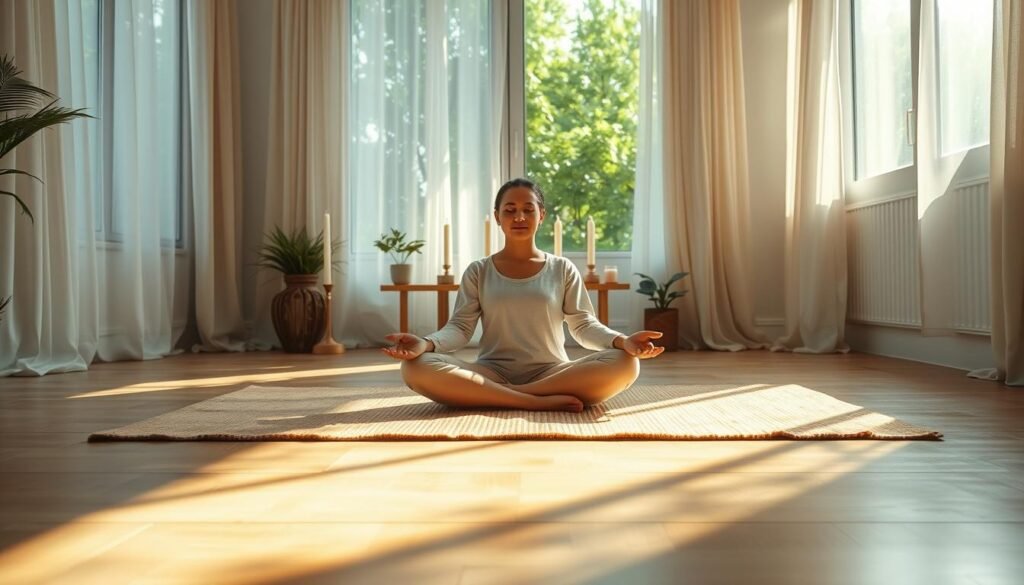
Creating a serene environment for your practice can enhance your overall experience. Start by finding a quiet space where you feel comfortable. You can either sit or lie down, softening your gaze and allowing your body to settle. This moment of stillness is crucial for connecting with yourself.
Preparing Your Space and Centering Your Mind
Connect with the earth beneath you. Feel the support of the surface, whether it’s the floor or a cushion. As you breathe out, let go of unnecessary tension. Allow each exhale to release stress and create space for peace.
Connecting with Breath, Earth, and Light
Observe the natural rise and fall of your breath. There’s no need to force it; just let it flow. Imagine bright, comforting white light surrounding you. Inhale this light deeply, envisioning it filling your lungs and bloodstream. As you exhale, visualize releasing any discomfort or pain.
Direct this healing light toward areas in your body that need attention. Gently ask what these parts require without demanding answers. Repeat this for up to three areas if it feels right.
Finish your practice with a deep breath, gentle stretching, and pay attention to your body’s needs. This meditation can support your recovery journey, helping you find balance and peace.
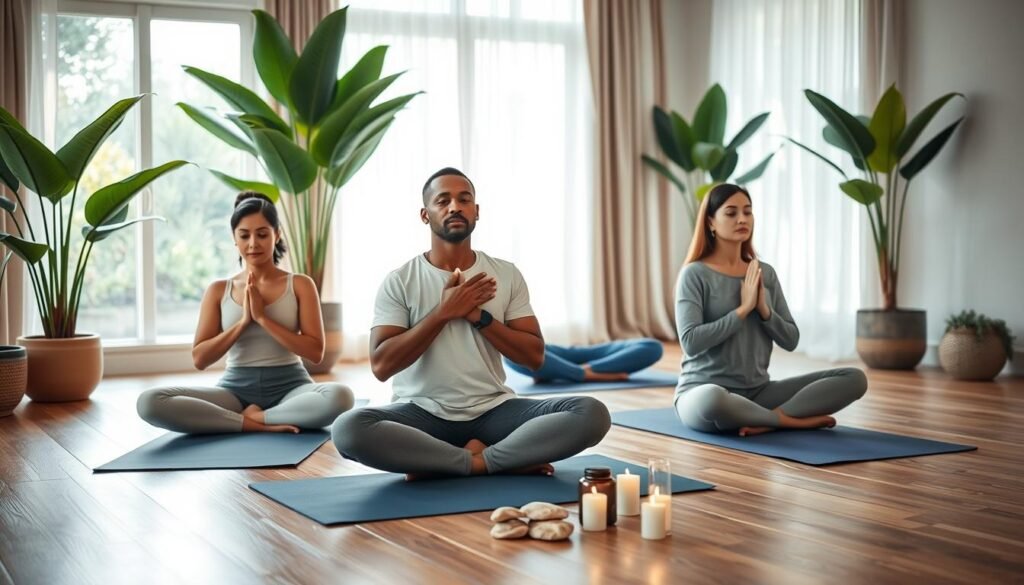
For more insights, explore or consider from expert practitioners.
Healing Meditation for Body Healing and Emotional Recovery
Exploring the connection between your mind and body can significantly enhance your journey towards recovery. Guided techniques can be a powerful tool for those navigating physical and emotional challenges. Research supports the benefits of mindfulness practices in promoting healing and emotional well-being.
For instance, a 2017 study highlighted that mindfulness-based stress reduction can improve skin healing within days. Additionally, a 2023 review found that individuals with chronic pain experienced lower pain intensity and increased tolerance through mindfulness exercises. These findings underscore the importance of integrating these practices into your routine.
Consider trying guided meditations, such as those offered by Kirra Michel on Peloton. Her classes incorporate breathwork, visualization, and self-compassion, which can be particularly beneficial for emotional recovery. Remember, it’s essential to follow the guidance of healthcare providers, especially when facing serious health challenges.
Using Guided Techniques from Expert Practitioners
Expert practitioners often emphasize the importance of flexibility in your practice. Julie Peters suggests allowing the words of a guided meditation to flow over you without forcing an outcome. This approach can create a more relaxed experience, making it easier to connect with your emotions.
Real-Life Examples and Practical Tips for Beginners
For beginners, starting with short sessions can be effective. Focus on your breath and let it guide you into a peaceful state. You might find it helpful to choose a type of meditation that resonates with you. Explore different styles until you find what feels right.
| Study | Findings | Implications |
|---|---|---|
| 2017 Study | Reduced skin permeability in wounds | Mindfulness aids physical healing |
| 2023 Review | Lower pain intensity, higher tolerance | Mindfulness helps manage chronic pain |
| 2024 Study | Lower injury risk in athletes | Mindfulness supports physical readiness |
By acknowledging your emotions and practicing self-compassion, you can foster a supportive environment for your healing journey. For more insights, check out that can guide you further.
Enhancing Your Meditation Journey with Practical Tips
Incorporating mindful moments into your life can promote inner peace and stability. To truly benefit from your practice, consider integrating short meditation sessions into your daily routine. You might schedule a few minutes after waking, during a stressful afternoon, or right before sleep. This way, meditation becomes a natural part of your day.
Journaling can also enhance your experience. Reflect on how the light felt during your practice, which areas of your body needed attention, and any emotions that arose. This reflection can deepen your understanding of your body and spirit.
For , check out Insight Timer, which offers a vast library of free guided meditations and sound healing. You can explore Julie Peters’ sessions on energy work and mental health as well. If you’re using Peloton, their app includes guided healing meditations that may resonate with you.
As you navigate your healing journey, remember to combine meditation with professional guidance. Protect your privacy when joining online communities, ensuring you feel safe while sharing your experiences.
Conclusion
Moments of stillness can foster emotional resilience and self-awareness. The practice shared by Julie Peters can offer a gentle moment of relaxation and body awareness. Begin with natural breathing and a calming image, adjusting your practice as needed.
Research indicates potential benefits for wounds, chronic pain, and injury risk, but remember that these findings do not replace professional medical care. A consistent practice may support your recovery and promote self-compassion.
Choose options like guided sessions, journaling, or gentle yoga that resonate with your current needs. For further insights, explore that can enhance your journey.
FAQ
What is healing meditation?
Healing meditation is a practice that combines mindfulness and relaxation techniques to promote emotional well-being and physical recovery. It focuses on connecting the mind and body to enhance overall health.
How can I get started with meditation?
Begin by finding a quiet space where you feel comfortable. Start with short sessions, focusing on your breath and allowing your thoughts to settle. Gradually increase the duration as you become more familiar with the practice.
What are the benefits of practicing meditation regularly?
Regular meditation can reduce stress, improve emotional balance, enhance focus, and promote better sleep. It also encourages a deeper connection to your body and mind, fostering a sense of peace and well-being.
Can meditation help with physical pain?
Yes, many people find that meditation can help manage physical pain by promoting relaxation and reducing stress. It encourages a more mindful approach to discomfort, allowing for a greater sense of control and healing.
How do I choose the right type of meditation for me?
Experiment with different types of meditation, such as guided sessions, mindfulness practices, or visualization techniques. Pay attention to what resonates with you and feels right for your personal journey.
How often should I practice meditation?
Consistency is key. Aim for daily practice, even if it’s just for a few minutes. Find a routine that fits your lifestyle, and gradually increase the time as you feel more comfortable.
Are there any resources to help me with my meditation practice?
Yes, there are numerous apps, online courses, and guided meditations available. Look for reputable sources that align with your goals and preferences to enhance your meditation journey.