Guided Meditation Scripts for Relaxation, Focus, and Mindfulness
Have you ever felt overwhelmed by the chaos of daily life? Finding a moment of peace can be challenging. This is where meditation comes in. Using specific scripts can help you direct your attention back to the present moment. Unlike silent practices, these scripts continually guide you, enhancing your experience.
Practicing with these scripts can lead to various benefits. You may notice reduced stress, improved sleep, and better emotional balance. They can also help you develop stronger focus and self-awareness. Additionally, reading a script allows you to control the pace and length of your practice, making it more personal.
As you explore this journey, consider starting with a realistic goal. You can connect with related articles on BetterLifeAtlas for more insights on stress relief and mindfulness techniques. Remember, every moment spent in awareness is a step towards a more balanced life.
Key Takeaways
- Scripts help maintain focus on the present moment.
- Benefits include reduced stress and improved sleep.
- Reading scripts can enhance self-awareness and emotional balance.
- Choose your pace and length for a personalized experience.
- Start with one achievable goal to guide your practice.
Introduction to Guided Meditation Practices
Navigating through life’s chaos can make it tough to find serenity. Guided practices offer a pathway to focus your mind and enhance your awareness. These practices involve a sequence of spoken or written prompts that direct your attention through breathing, sensations, and imagery.
For beginners, these prompts make mindfulness more approachable. Many find silent meditation challenging to maintain. With guided techniques, you can adjust the duration and intensity of your practice to fit your energy and schedule.
Common themes in these practices include breathing exercises and body scans. These techniques help shift your attention from scattered thoughts to direct sensory awareness. Starting with just five minutes can make a significant difference in your day.
For more guidance on building consistent habits, check out resources on BetterLifeAtlas.
| Theme | Description | Benefits |
|---|---|---|
| Breathing | Focus on your breath to anchor your thoughts. | Improves relaxation and reduces anxiety. |
| Body Scan | Pay attention to physical sensations in your body. | Enhances body awareness and reduces tension. |
| Gratitude | Reflect on things you appreciate in your life. | Boosts mood and fosters positivity. |
The Science Behind Guided Meditation and Imagery
In the quest for inner peace, understanding the mind’s workings is essential. Cognitive-Behavioral Therapy (CBT), designed by Aaron Beck in the late 1960s, highlights the importance of internal imagery. This approach shows how our thoughts shape our experiences and can help us manage our feelings.
Edwards’ research in 2007 linked guided imagery to neuroplasticity, suggesting that our brains can change based on our experiences. While this offers exciting possibilities, it’s crucial to remember that these changes are not guaranteed.
Moreover, a study by De Paolis et al. in 2019 revealed that imagined threats can trigger anxiety-like physical reactions, such as breathlessness and a racing heart. This underscores the power of our thoughts in influencing our body.
Hackmann et al.’s 2011 work in The Oxford Guide to Imagery emphasizes the role of internal images in therapeutic settings. These findings suggest that while guided imagery can complement therapy for anxiety and trauma, it should not replace professional medical care.
| Researcher | Year | Key Finding |
|---|---|---|
| Aaron Beck | 1960s | Developed Cognitive-Behavioral Therapy. |
| Edwards | 2007 | Linked guided imagery with neuroplasticity. |
| De Paolis et al. | 2019 | Imagined threats can cause physical anxiety symptoms. |
| Hackmann et al. | 2011 | Internal images aid in cognitive restructuring. |
Benefits of Guided Meditation for Body and Mind
Finding peace in a busy world can often feel impossible. However, practicing mindfulness techniques can significantly enhance your well-being. These practices offer various benefits, including emotional, cognitive, physical, and behavioral improvements.
Stress and Anxiety Reduction: Many people report feeling less stressed and anxious after engaging in mindfulness. Techniques like breath awareness help calm racing thoughts and ease muscle tension. This allows you to reconnect with your body and emotions.
Improved Sleep and Emotional Balance: Establishing a routine focused on relaxation can lead to better sleep patterns. While it’s essential to note that meditation is not a cure for insomnia, it can help you unwind. Resources like Mindful.org offer a that many find beneficial.
By noticing your feelings without immediate reaction, you can achieve greater emotional integration and self-awareness. This can lead to a more balanced life. Additionally, studies show that mindfulness can reduce pain perception, enhancing your overall quality of life.
How Guided Meditation Scripts Enhance Relaxation & Focus
Amidst the noise of everyday life, finding clarity can seem elusive. Guided practices help refocus your attention on the present moment. Reading a script adds concentration and commitment, enhancing your experience compared to just listening.
Here are some practical ways to incorporate these scripts into your routine:
- Predictable Prompts: These cues reduce decision fatigue by guiding you on when to notice your breath, relax your body, and observe your thoughts.
- Slower Pacing: Intentional pauses create a calmer atmosphere, allowing your mind to absorb each instruction fully.
- Sensory Anchors: Choose one anchor, like your breath or ambient sounds, to return to whenever your focus drifts.
- Two-Minute Reset: Before tackling demanding tasks, use the same script repeatedly to familiarize your attention with the routine.
For a quick comparison, see the table below:
| Method | Flexibility | Concentration |
|---|---|---|
| Reading | High | High |
| Listening | Medium | Medium |
| Recording | Low | Variable |
Incorporating Guided Meditation Scripts into Daily Routine
In a world filled with distractions, it’s essential to create space for self-reflection. Incorporating mindfulness practices into your daily routine can be both simple and rewarding. Here are some effective ways to weave these techniques into your life today.
Morning Routine: Start your day with three minutes of breath awareness. This can be followed by a brief body scan to ground yourself before diving into your tasks.
Midday Mindfulness: Take a mindful walking break. This practice helps clear your mind and refocus your energy, making it a great way to reset during a busy day.
Mindful Eating: During one meal, pay attention to the texture, temperature, and aroma of your food. This practice enhances your awareness and transforms eating into a meditative experience.
Evening Wind-Down: Create a calming routine with a sleep or letting-go script. Adjust the duration to suit your needs, allowing for a personalized experience.
Finally, track any changes in your focus, tension, or sleep over a week. This will help you see the benefits of your new routine. For more tips on habit-building, visit BetterLifeAtlas.
| Time of Day | Practice | Theme |
|---|---|---|
| Morning | Breath Awareness | Awareness |
| Midday | Mindful Walking | Movement |
| Meal Time | Mindful Eating | Gratitude |
| Evening | Sleep Script | Relaxation |

Free Guided Meditation Scripts for Your Daily Routine
In today’s busy world, achieving a sense of peace can feel like an uphill battle. Fortunately, there are numerous free resources available to help you integrate mindfulness into your daily life. Here’s a list of some valuable scripts you can explore:
- Michael W. Taft’s Letting-Go Script: Perfect for those moments when distractions and stressors make it hard to sit quietly. This script guides you through the process of releasing tension and finding calm.
- Yale University Gratitude Meditation: This structured meditation helps you appreciate the support and relationships in your life. It’s a wonderful way to cultivate a sense of gratitude.
- Mindful.org’s 20-Minute Sleep Meditation: Available on SoundCloud, this audio guide is ideal for those who prefer listening over reading before bed. It’s designed to help you unwind and drift into a restful sleep.
- Green Child Magazine’s Lake Visualization: Aimed at children with anxiety, this script can be adapted for different ages and comfort levels. It’s a gentle way to introduce relaxation techniques to younger audiences.
- Lovetoknow.com’s Mental-Clarity Script: This script is perfect for those seeking focus and clarity throughout their day. It can help you reset and refocus during busy moments.
Instead of downloading every option, consider saving one script for your morning routine, one for workday stress, and another for evening relaxation. This approach allows you to tailor your practice to your needs today.
Guided Meditation Scripts for Enhancing Mental Clarity
In a world buzzing with constant distractions, sharpening your focus can feel like a daunting task. Fortunately, meditation can help clear your mind and enhance your mental clarity. By using specific techniques, you can develop the ability to concentrate better, whether for work, study, or overcoming performance anxiety.
One effective practice involves a simple finger-to-thumb sequence. As you touch each finger to your thumb, let your attention flow through each digit. This tactile exercise provides a clear object for your focus, making it easier to center your thoughts.
Additionally, Paul Thomas offers a four-step visualization formula. Start by relaxing your body and mind. Next, visualize a scene on a movie screen. Then, shift to first-person imagery, experiencing the scene through your own eyes. Finally, multiply and integrate this visualization into your daily routine.
To make your visualizations more vivid, consider incorporating sensory details. Imagine a peaceful place, complete with natural sounds, gentle temperatures, and soothing colors. This approach allows your mind to wander without forcing specific images.
For practical applications, try mental rehearsal before important events like presentations or exams. Research by Di Rienzo et al. in 2016 supports the effectiveness of this technique in enhancing performance.
As you conclude your practice, gently return to your surroundings. Notice the room, open your eyes, and jot down one useful observation to carry with you.
| Technique | Description | Application |
|---|---|---|
| Finger Sequence | Touch each finger to your thumb to focus your attention. | Great for quick concentration boosts. |
| Visualization | Use imagery to create a mental movie. | Helps with performance anxiety and clarity. |
| Sensory Details | Incorporate nature sounds and colors into your visualizations. | Enhances the vividness of your practice. |
Developing Personalized Meditation Practices
Creating a meditation practice that resonates with you can be a fulfilling journey. Personalizing your approach allows you to connect more deeply with your feelings and intentions. One effective way to start is by adapting the self-love script authored by Samantha Feller, published by Yoga International.
To begin, place your hands over your heart and repeat phrases like “I am worthy” or “I am enough.” This simple action fosters a sense of compassion and self-acceptance. As you engage in this practice, invite yourself to observe any tension or negativity without judgment. Recognizing these feelings as temporary can empower you.
When exploring abundance, think beyond material wealth. Imagery can represent health, creativity, and meaningful relationships. The Guided Meditation Site offers a script that includes body relaxation and chakra colors, which can enhance your experience. However, feel free to keep only the imagery that feels comfortable for you.
To close your practice, ask yourself, “What supportive action can I take today?” This question can guide your next steps toward values-based behavior. Remember, the journey of self-discovery is unique to you.
For more insights on creating personalized practices, visit .
Audio Options: Listening to Your Guided Meditation
Finding the right audio for your relaxation practice can enhance your experience significantly. You have various options, including spoken guidance, soothing music, nature sounds, and even silence. Each of these formats serves a different purpose and can be matched to your needs.
For instance, the University of Michigan Rogel Cancer Center offers guided imagery podcasts, perfect for stress relief during treatment or everyday life. Alternatively, you might enjoy the University of Minnesota’s “Take 5: The Forest Awakens,” which provides a refreshing audio-visual nature experience for short breaks.
If you prefer more flexibility, consider the Simply Being app from Meditation Oasis. This app allows you to choose between voice, music, and nature sounds based on your preference. It’s a great way to customize your practice.
Before diving into your audio sessions, it’s wise to test the volume and background sounds. Make sure your headphones are comfortable, especially if you plan to listen while commuting or preparing for sleep. This attention to detail can greatly enhance your overall experience.
Guided Meditation Scripts for Teachers and Facilitators
As a facilitator, understanding your audience’s needs is key to delivering impactful sessions. Whether you’re working one-on-one or in a group setting, tailored scripts can enhance the experience for everyone involved.
Using Scripts in One-on-One Sessions
In personal sessions, you can adapt a script based on the individual’s goals, comfort level, and emotional state. This personalized approach fosters a deeper connection and encourages openness. Always ensure to maintain ethical boundaries, creating a safe space for exploration.
Adapting Scripts for Group Classes and Workshops
For group settings, predetermined wording can help maintain timing and flow. Consider the unique dynamics of your class, whether it’s a yoga retreat or a corporate workshop. Each environment may require different language and consent practices to ensure everyone feels included and respected.
Dr. Hanscarl Leuner’s work on guided affective imagery illustrates how to work with spontaneous imagery, enhancing emotional self-awareness. If you’re looking to deepen your skills, consider training through organizations like or the Academy of Guided Imagery.
Techniques for Tailoring Your Guided Meditation Experience
Choosing the right theme for your meditation can significantly enhance your experience. Different themes can cater to your immediate emotional needs, allowing for a more personalized practice. Below are some themes to consider:
| Theme | Focus | Purpose |
|---|---|---|
| Gratitude | Appreciation | Fosters positive feelings and joy. |
| Forgiveness | Releasing resentment | Helps in letting go of past hurts. |
| Compassion | Kindness | Encourages empathy towards self and others. |
| Breathing | Immediate grounding | Centers your focus and calms the mind. |
A body scan can be beneficial for physical tension, while a sleep theme may suit your evening routine. Additionally, using loving-kindness practices allows you to direct supportive phrases towards yourself or others.
It’s important to remember that forgiveness meditation doesn’t require excusing harm or contacting someone. You can choose one theme for a week and record any changes in your feelings and attention before switching practices. For more insights on forgiveness and emotional resilience, visit BetterLifeAtlas.
Combining Mindfulness Worksheets with Meditation Scripts
To enhance your mindfulness experience, consider integrating worksheets into your routine. These tools can frame and deepen your sessions, making them more impactful. Using a worksheet before meditation helps you identify your current situation, dominant thoughts, physical sensations, emotions, and your personal intention for the session.
After your practice, reflect on what changed in your body, which feelings emerged, and whether your attention became steadier. This reflection can deepen your awareness and understanding of your experience.
For visualization, pair it with a goals worksheet. Describe a future event, your desired response, the next action, and any possible obstacles. This exercise can help clarify your intentions and motivate you.
For ease of reflection, you can download a simple BetterLifeAtlas mindfulness worksheet. Written reflection complements your practice without turning every session into an analysis. Remember, it’s not about achieving perfect insight but about nurturing your growth.
Practical Tips for Leading a Successful Meditation Session
Creating a successful meditation session requires thoughtful preparation and attention to detail. By focusing on your environment and how you present yourself, you can foster a calming atmosphere that encourages relaxation and awareness.
Start with these practical steps:
- Read the Script: Familiarize yourself with the chosen script by reading it several times. Mark longer pauses and note any phrases that may sound unnatural when spoken.
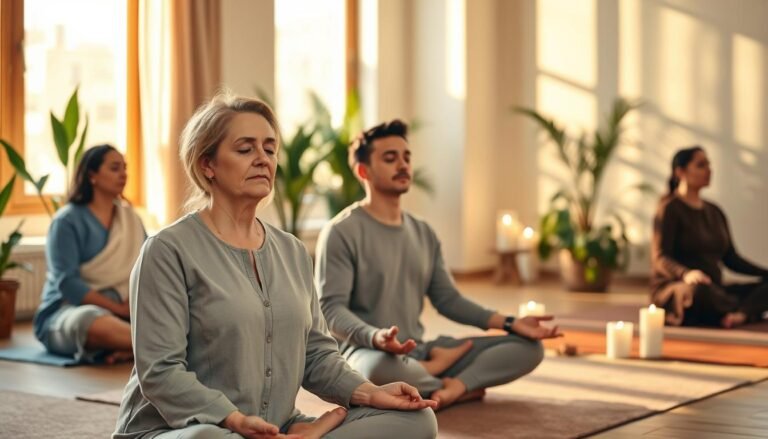
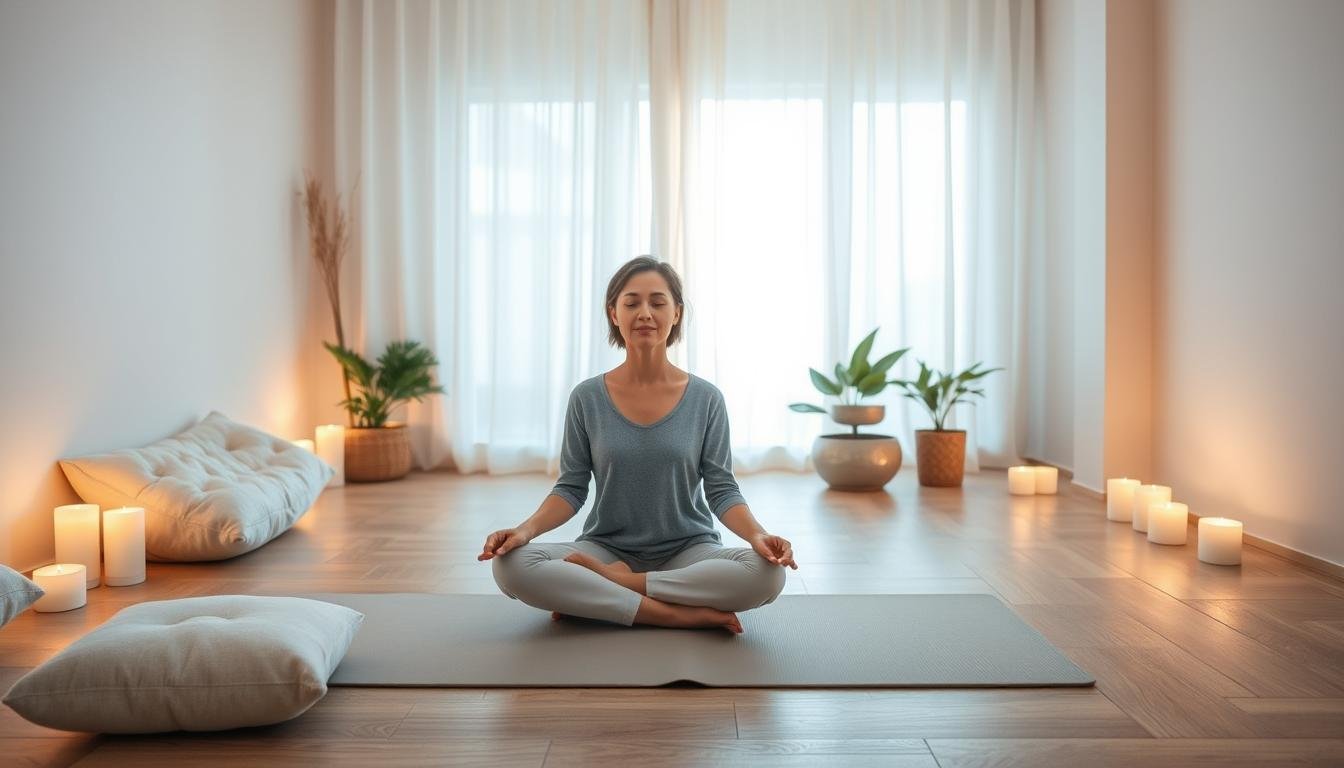
- Prepare the Environment: Set up a comfortable space with cushions, dim lighting, and perhaps some candles. This creates a welcoming atmosphere that respects different sensory needs.
- Practice What You Preach: Ground yourself by connecting with your breath and noticing your thoughts before guiding others. This sets a positive tone for the session.
- Pacing Matters: Speak slowly and clearly. Remember, silence may feel longer to you than to the group, so allow for pauses.
- Invite Choice: Encourage participants to choose their comfort level, whether that means open eyes, alternate positions, or stopping if they feel uncomfortable.
Using Guided Meditation Scripts to Overcome Stress & Anxiety
When anxiety strikes, discovering a pathway to relaxation can be difficult. However, there are immediate steps you can take to calm your mind and body during challenging moments. Start by taking three slower exhales. Allow your shoulders to relax and focus on the stable sensations of your feet touching the floor.
One effective technique is to adapt Green Child Magazine’s calming imagery of a peaceful lake. Picture the gentle ripples, birds in the sky, and a soft breeze. Embrace this sense of safety without forcing vivid details. Remember, this imagery is a tool for comfort, not a strict guideline.
Imagery rescripting, as explored by Grey et al. (2002) and Smucker et al. (1995), can be beneficial in therapeutic contexts. It’s essential to distinguish self-guided calming from techniques like imaginal desensitization introduced by Wolpe in 1958 and imaginal flooding from Stampfl and Levis in 1967.
If you notice that your imagery intensifies feelings of panic, trauma symptoms, or physical pain, stop immediately. It’s crucial to reach out to a qualified professional if symptoms persist or become severe. Your well-being is the priority.
Scientific Insights and Research on Guided Imagery
Exploring the science behind relaxation techniques reveals fascinating insights. Research shows that imagery is effective in various fields, including cognitive-behavioral therapy (CBT), pain management, and cancer support. Notably, studies have demonstrated that these techniques can help alleviate stress and anxiety, providing a pathway to emotional relief.
Several researchers have contributed to this growing body of evidence. For instance, Bedford (2012) and Carpenter et al. (2017) explored the effectiveness of imagery in managing pain and enhancing emotional well-being. Additionally, Ilacqua (1994) and Mahdizadeh et al. (2019) examined its role in cancer treatment, highlighting its potential to improve patients’ quality of life.
Ahsen (2001) focused on the application of imagery in sports psychology, while Vasquez and Buehler (2007) discussed its benefits in business coaching. These findings underscore the versatility of guided techniques across different domains.
For those interested in further reading, Virginia Thompson’s beginner handbook and works by Eric Hall, Carol Hall, Pamela Stradling, and Max Highstein offer valuable insights. Remember to assess the quality of sources and the credentials of practitioners before integrating these techniques into your routine.

Innovative Ways to Integrate Meditation into Daily Life
Finding ways to integrate mindfulness into your daily routine can transform your life. Meditation can fit seamlessly into various aspects of your day, whether at home, in the workplace, or online.
At home, you can use a short script with a partner or family member. Agree on the duration, volume, and privacy beforehand. This creates a shared experience that fosters connection.
In corporate settings, consider introducing two-minute breathing breaks during Lunch and Learns. These quick pauses can help maintain focus without disrupting the workday.
Schools can benefit from adapted scripts that consider age and developmental needs. Tailoring language and imagery makes meditation accessible and engaging for students.
Online sessions can be recorded with clear audio and intentional pauses. Ensure participants know that their involvement is voluntary, making it a comfortable experience.
For more insights on intentional living and productivity, check out BetterLifeAtlas articles on creating digital boundaries and sustainable routines.
| Setting | Application | Considerations |
|---|---|---|
| Home | Short scripts with family | Duration, volume, privacy |
| Workplace | Breathing breaks | Maintain focus, no disruption |
| Schools | Adapted scripts for students | Age-appropriate language |
| Online | Recorded sessions | Clear audio, voluntary participation |
Conclusion
Amidst the whirlwind of responsibilities, carving out time for tranquility is essential. Remember that meditation scripts provide a structured way to return your focus to your breath, body, and thoughts. Choose one goal—be it relaxation, sleep, or gratitude—and practice consistently for several days.
Whether you read, listen, or reflect using worksheets, all methods help develop your awareness. Adjust your setting, voice, and pace until your practice feels supportive rather than demanding. Why not try a five-minute session today? If you find persistent distress or complex symptoms, seeking professional support is always a wise step.
FAQ
What is a meditation script?
A meditation script is a written guide that helps you focus during your practice. It provides instructions on breathing, visualization, and mindfulness techniques.
How can meditation help with stress?
Meditation promotes relaxation and helps reduce stress by calming the mind and body. It encourages you to focus on the present moment, which can alleviate anxiety.
Can I use meditation scripts for self-improvement?
Absolutely! Meditation scripts can guide you in cultivating self-love, gratitude, and personal growth, enhancing your overall well-being.
How often should I practice meditation?
It’s beneficial to meditate daily, even if just for a few minutes. Consistency helps reinforce the positive effects on your mind and body.
Are there specific themes for meditation practices?
Yes, themes like compassion, forgiveness, and joy can be incorporated into your practice. Choosing a theme can deepen your experience and focus.
What are some tips for creating a comfortable meditation space?
Choose a quiet area, use comfortable seating, and consider adding calming elements like soft lighting or soothing scents to enhance your experience.
How can I integrate meditation into my daily routine?
Start with short sessions in the morning or before bed. You can also practice mindfulness during everyday activities, like walking or eating.
What should I do if my mind wanders during meditation?
It’s normal for your mind to wander. Gently acknowledge the thoughts and guide your focus back to your breath or the script.
Can meditation improve my sleep quality?
Yes, regular meditation can promote relaxation and reduce anxiety, leading to better sleep quality and overall emotional balance.
Is it necessary to follow a script exactly?
No, feel free to adapt the script to suit your needs. The goal is to create a practice that resonates with you and enhances your experience.