Meditation Mudras: A Beginner’s Guide to Hand Positions and Their Meaning
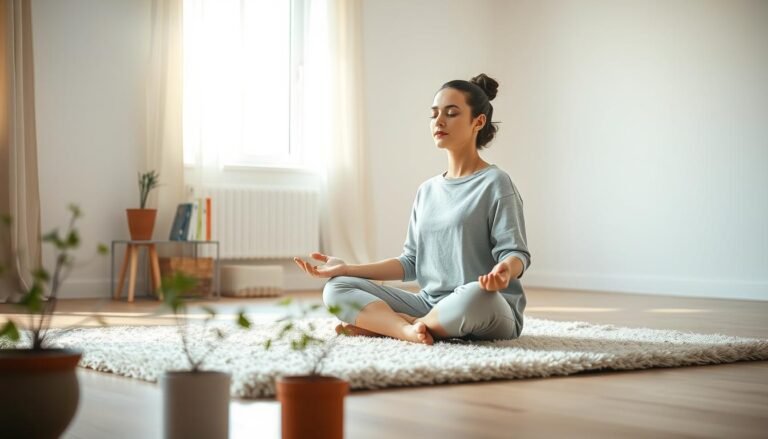
Are you looking for a way to enhance your practice and find a sense of calm? Meditation mudras might be just what you need. These intentional hand positions can help you focus your energy and draw your attention inward. According to Dr. Ram Jain’s guide, these gestures can significantly improve your concentration and awareness.
While some mudras are simple hand gestures, others can involve your entire body. Elizabeth Herman highlights how these practices can connect you with your breath and mind. As you explore meditation yoga, you’ll discover various mudras like Chin Mudra and Gyana Mudra, which are great for beginners. Remember, though, these practices are not a quick fix; they require patience and consistency.
Interestingly, before the pandemic, about 70% of U.S. adults found yoga and meditation effective for managing stress. So, why not give these hand gestures a try? They might just be the key to a more balanced and focused life.
Key Takeaways
- Meditation mudras use hand positions to direct your focus inward.
- Some mudras involve simple gestures, while others engage the whole body.
- Beginner-friendly practices include Chin Mudra and Gyana Mudra.
- These gestures can improve concentration and awareness.
- Many people find yoga and meditation effective for stress management.
Introduction to Meditation Mudras: A Beginner’s Guide
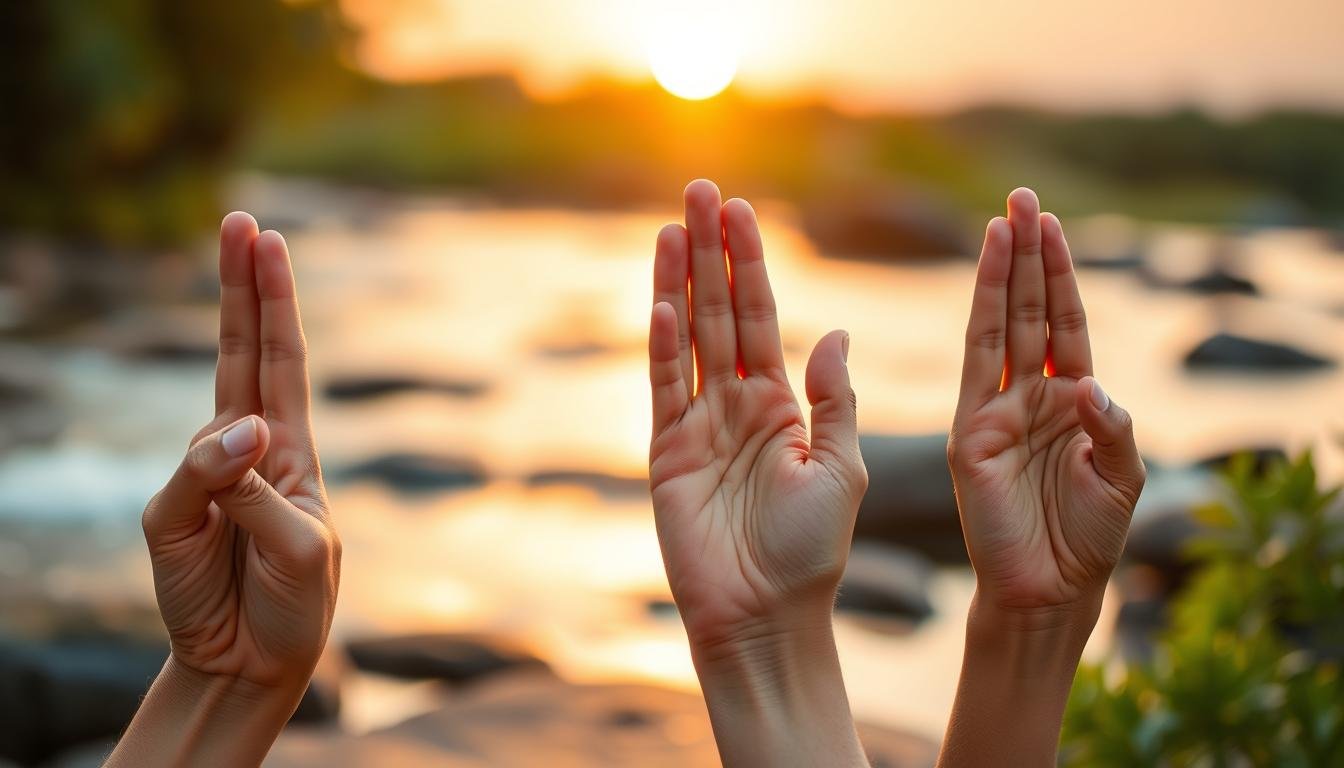
Curious about how hand positions can transform your mindfulness practice? A mudra is a Sanskrit term meaning “gesture” or “seal.” These gestures can shape how you place your hands during your practice, offering a way to direct your energy.
Mudras are categorized into three types: hasta (hand), kaya (body), and citta (consciousness). For beginners, starting with hand-based techniques is ideal. You can create a steady reminder for your attention by touching, crossing, bending, or extending your fingers.
It’s best to focus on one mudra at a time. Spend several minutes practicing it instead of trying to learn many at once. This approach helps you develop a deeper connection to the gesture.
For more insights on meditation definitions, goals, and benefits, check out the BetterLifeAtlas.
The Historical Roots and Philosophy of Mudras
Exploring the historical significance of hand positions can enrich your practice. Mudras, often referred to as gestures, have deep roots in both Ayurvedic and yogic traditions. These hand positions are believed to channel energy, known as prana, throughout the body.
Dr. Ram Jain, who began his yoga journey at a young age, emphasizes the connection between the fingers and the five elements of nature. In Ayurveda, the thumb symbolizes fire, the index finger represents air, the middle finger embodies space, the ring finger stands for earth, and the pinky signifies water.
This connection between fingers and elements illustrates how mudras can influence your life force. Each gesture acts as a seal, guiding energy flow and enhancing your practice. Furthermore, hand gestures play a vital role in cultural expressions, from prayer to greeting, fostering a sense of respect and connection.
| Finger | Element | Symbolism |
|---|---|---|
| Thumb | Fire | Transformation |
| Index Finger | Air | Intellect |
| Middle Finger | Space | Connection |
| Ring Finger | Earth | Stability |
| Pinky Finger | Water | Emotion |
Understanding the Science Behind Mudras
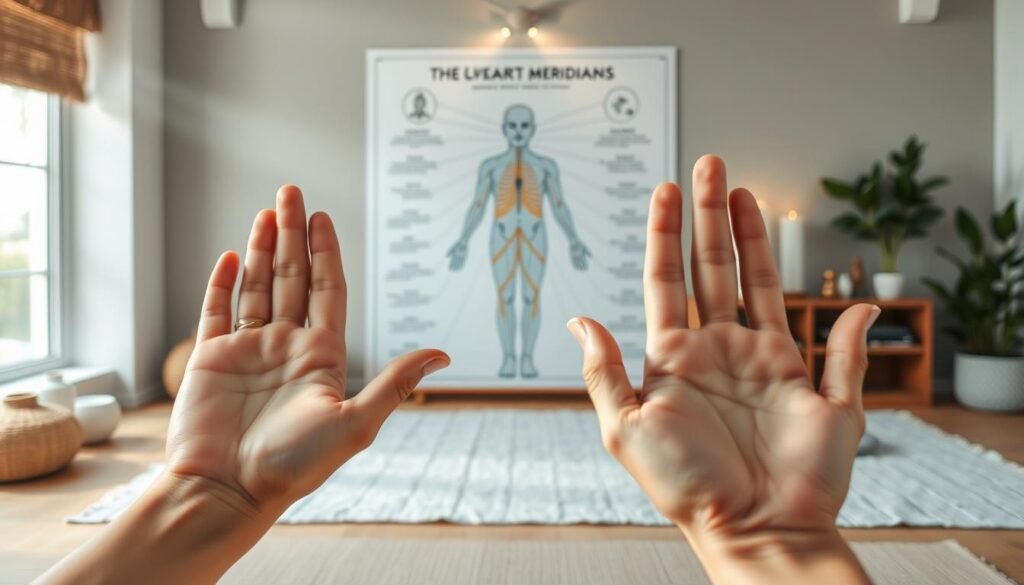
Understanding how hand gestures influence your energy can deepen your practice. Traditional yoga philosophy describes five pranas: Apana, Samana, Prana, Vyana, and Udana. Each of these represents a different aspect of your life force, guiding how energy flows within your body.
Yoga teaches that energy moves through channels called nadis. This model helps you appreciate how hand gestures can affect your overall balance. Elizabeth Herman compares this gentle stimulation of the hands to reflexology. However, she emphasizes that mudras do not apply the same deep pressure found in reflexology practices.
By incorporating these hand positions, you may experience benefits like relaxation, awareness, and improved concentration. Remember, though, that these outcomes can vary based on personal practice. If you have ongoing anxiety or other health concerns, it’s important to seek guidance from a qualified professional.
| Prana | Function | Role in Energy Flow |
|---|---|---|
| Apana | Downward energy | Elimination |
| Samana | Balancing energy | Digestion |
| Prana | Uplifting energy | Vitality |
| Vyana | Circulating energy | Distribution |
| Udana | Ascending energy | Expression |
Popular Meditation Mudras and Their Benefits
Unlock the potential of hand positions that can transform your focus and energy. Let’s explore some beginner-friendly gestures that are easy to practice and offer numerous benefits.
Chin Mudra and Gyana Mudra Explained
Chin Mudra is known as the wisdom gesture. To perform it, join the tips of your thumb and index finger while keeping your palms facing upward on your knees. This position encourages a flow of energy and enhances concentration.
In contrast, Gyana Mudra uses the same finger connection but with palms facing downward. This subtle shift helps ground your energy and promotes calmness, making it ideal for mindfulness.
Role of Vayu and Dhyana Mudras in Meditation
Vayu Mudra is unique as it involves folding the index finger toward the base of the thumb, with the thumb gently holding it down. This gesture is believed to balance air energy within the body, aiding in digestion and reducing anxiety.
On the other hand, Dhyana Mudra places the right hand above the left, with the tips of the thumbs touching softly in front of the abdomen. This gesture is often associated with images of Lord Buddha, symbolizing peace and deep concentration.
| Mudra | Hand Position | Benefits |
|---|---|---|
| Chin Mudra | Thumb and index fingertips together, palms up | Enhances concentration and energy flow |
| Gyana Mudra | Thumb and index fingertips together, palms down | Promotes calmness and grounding |
| Vayu Mudra | Index finger folded, thumb holding it down | Balances air energy, aids digestion |
| Dhyana Mudra | Right hand above left, thumbs touching | Encourages peace and deep focus |
Step-by-Step Guide to Performing Essential Mudras
Setting the right environment can significantly enhance your experience with hand positions. Begin by choosing a comfortable seated option, such as cross-legged, kneeling, or sitting in a chair. Elizabeth Herman suggests that you practice without discomfort and preferably on an empty stomach.
Once you are seated, take a moment to relax your shoulders. Let your hands rest naturally before forming the selected gesture. Set a timer for five minutes to keep your practice focused.
Next, take at least 10-12 slow Ujjayi breaths. As you breathe, observe your breath without straining. For the Chin Mudra, lightly touch the tips of your thumb and index finger, keeping the other fingers extended and palms facing upward. For the Vayu Mudra, fold your index finger toward the base of your thumb, gently holding it down without applying pressure.
Integrating Meditation Mudras into Your Yoga and Daily Practice
Integrating hand gestures into your daily routine can significantly enhance your overall wellness. By combining these gestures with breathwork, you can deepen your mindfulness practice and cultivate a sense of calm.
Consider pairing a simple gesture like Chin Mudra with slow Ujjayi breathing after your yoga session. This approach aligns your breath with your movements, fostering greater awareness. You might also find it beneficial to hold the gesture during a short seated meditation.
Another option is to explore walking meditation ideas from Idanim, which can be a refreshing way to practice mindfulness while moving. Aim to build a repeatable 20-minute routine that combines movement, breathwork, and a final quiet gesture.
For more insights on beginner yoga and mindful breathing, check out the BetterLifeAtlas. This resource can guide you in forming lasting habits that incorporate hand gestures into your daily life.
| Gesture | Breath Technique | Benefits |
|---|---|---|
| Chin Mudra | Slow Ujjayi Breathing | Enhances focus and energy flow |
| Walking Meditation | Mindful Breathing | Promotes awareness and relaxation |
| Seated Meditation | Deep Breathing | Encourages calmness and clarity |
Balancing the Five Elements Through Mudra Practice
Have you ever considered how hand gestures can connect you to the elements of nature? Each finger corresponds to a specific element, helping you find balance in your practice. Understanding this connection can enhance your overall experience.
Mapping Fingers to the Elements
Your thumb represents fire, while the index finger symbolizes air. The middle finger connects to space, the ring finger corresponds to earth, and the pinky finger signifies water. This mapping can guide your practice and intention.
| Finger | Element | Symbolism |
|---|---|---|
| Thumb | Fire | Transformation |
| Index Finger | Air | Intellect |
| Middle Finger | Space | Connection |
| Ring Finger | Earth | Stability |
| Pinky Finger | Water | Emotion |
Practical Techniques for Chakra Alignment
To cultivate grounding energy, practice the Prithvi Mudra by touching the tips of your ring finger and thumb. This gesture aligns with the root chakra. For fluidity, try the Varun Mudra by joining your little finger and thumb while keeping your fingers extended comfortably.
Additionally, explore the remaining mudras such as Agni, Vayu, Akash, Hakini, and Dhyana, which correspond to other chakras. Remember, chakra alignment is a contemplative model and should not replace professional care for any health concerns.
Common Challenges and Expert Tips for Beginners
Starting your journey with hand gestures can come with its own set of challenges. It’s natural to feel overwhelmed as you explore these techniques. Remember, every beginner faces hurdles, but understanding them can lead to a more fulfilling experience.
When you find your mind wandering, return to 10-12 slow Ujjayi breaths. This simple measurement, as noted by Elizabeth Herman, helps maintain focus without chasing perfect stillness.
Avoiding Overthinking and Maintaining Consistency
Feeling mild unfamiliarity is normal, but if you experience sharp pain or numbness, it’s time to release the hand position. Use Adi Mudra as a reminder that simple hand shapes can feel intuitive rather than technical.
Actionable Advice for Long-Lasting Benefits
If fingertip contact feels uncomfortable, try Merudanda Mudra, which involves gently closed fists and extended thumbs. To track your progress, record the date, mudra, duration, breath quality, and personal observations. This approach helps you focus on consistency rather than immediate benefits.
Hand gestures can serve as simple yet powerful tools to focus your mind and body. By starting with Chin Mudra or Dhyana Mudra, you can build a steady practice that enhances your concentration and calmness. Remember, these techniques are not just about the gestures themselves but also about the intention behind them.
While traditional beliefs about energy, elements, and chakras can enrich your understanding, they should not replace professional medical advice.
FAQs
- How long should I hold a mudra? Start with 5-10 minutes and gradually increase as you feel comfortable.
- Do I need yoga experience to practice mudras? No, anyone can begin practicing these gestures regardless of experience.
- What’s the difference between Chin and Gyana Mudra? Chin Mudra has palms facing up, while Gyana Mudra has palms facing down.
- Can I practice mudras while sitting in a chair? Yes, you can comfortably practice in any seated position.
- When should I stop if I feel discomfort? If you experience pain or numbness, gently release the gesture and rest your hands.
FAQ
What are mudras and how do they work?
Mudras are specific hand gestures that help channel energy and enhance your practice. They can influence your mind and body by promoting balance and focus.
How can I incorporate mudras into my daily routine?
You can integrate mudras during meditation, yoga sessions, or even while sitting quietly. Simply hold the gesture for a few minutes to experience its benefits.
Are there specific mudras for reducing stress and anxiety?
Yes, mudras like Vayu Mudra and Dhyana Mudra are known to help calm the mind and alleviate stress. They encourage relaxation and mental clarity.
How do mudras affect energy flow in the body?
Mudras help direct prana, or life force, throughout the body. By positioning your fingers in certain ways, you can enhance the flow of energy and improve overall well-being.
Can anyone practice mudras?
Absolutely! Mudras are accessible to everyone, regardless of experience level. They can be practiced by anyone looking to enhance their mindfulness and personal growth.
What should I do if I feel discomfort while practicing a mudra?
If you experience discomfort, gently release the gesture and take a break. It’s important to listen to your body and only practice what feels comfortable.
How long should I hold a mudra for maximum benefits?
Holding a mudra for 5 to 15 minutes is often recommended. However, even a few minutes can provide noticeable benefits, so find what works best for you.
Are there any specific breathing techniques to use with mudras?
Yes, combining mudras with deep, mindful breathing can enhance their effectiveness. Focus on slow, intentional breaths to deepen your practice.