
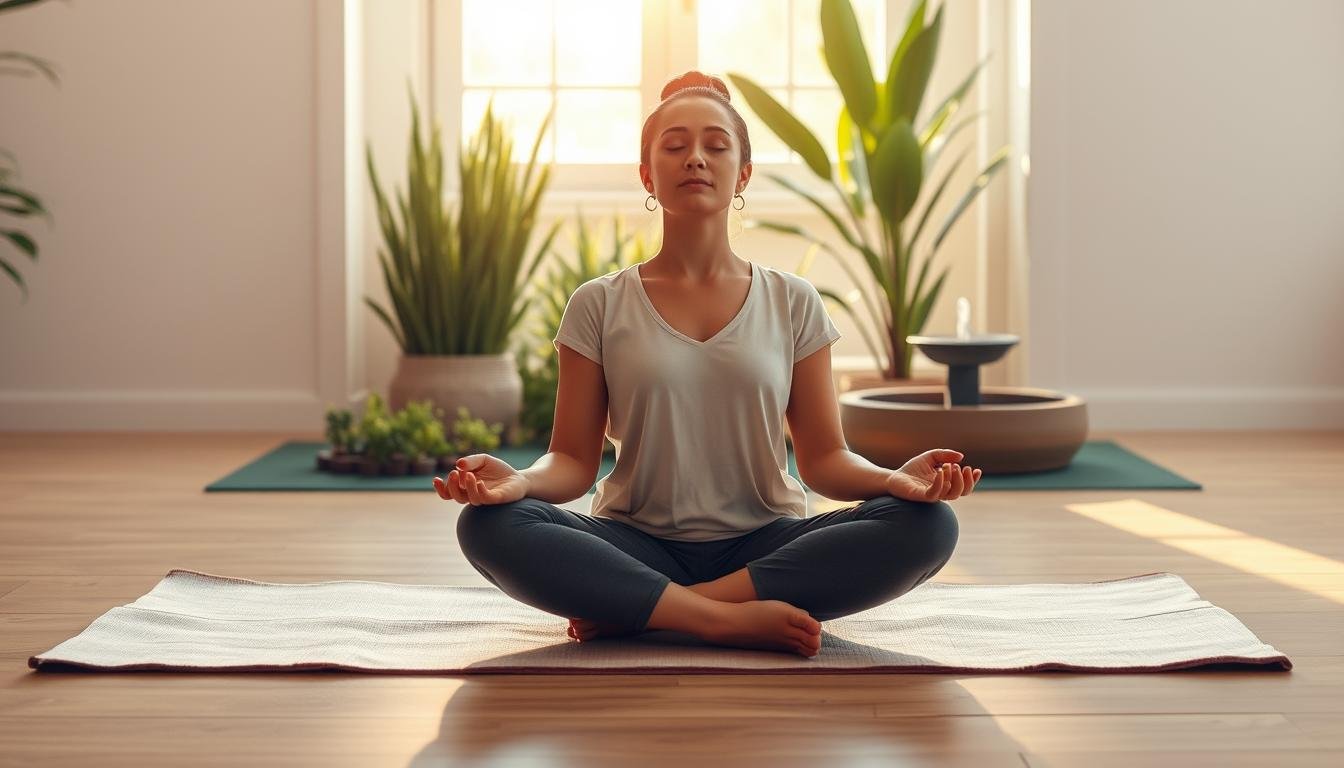
Morning Meditation for Beginners: A Simple Way to Start Your Day
Starting your day with a focused mind can set a positive tone for everything that follows. Engaging in a simple practice can help reduce stress and elevate your mood. Imagine dedicating just a few minutes to this calming ritual. Even five minutes can make a significant difference. You might find that waking up a bit earlier, perhaps 30 minutes, creates a peaceful space for this personal time.
What exactly is this practice? It’s any mindfulness exercise done at the start of the day. There’s no right or wrong way to do it. You can begin with just 3, 5, or even 10 minutes. As you progress, you might explore various techniques, from quiet breathing to journaling. Remember, the benefits may come gradually, so patience is key. All you need is a comfortable spot, a timer, and a willingness to refocus your attention.
Key Takeaways
- Starting your day with a few minutes of mindfulness can boost your mood.
- Five minutes is a strong starting point for this practice.
- Waking up earlier allows for undisturbed personal time.
- Benefits may develop gradually with consistent practice.
- You can explore various techniques as you become more comfortable.
- All you need is a comfortable place and a timer to begin.
- Consider using resources like to enhance your experience.
Introduction: Embrace Your Morning Meditation Journey
Harnessing the calm of the early hours sets a foundation for clarity and focus. The first quiet moments after waking are a precious opportunity. They allow you to observe your mind before the rush of emails, news, and family demands begins. This stillness can help you gain awareness and clarity, setting a positive tone for your day.
Consider trying a morning practice for just one week. Explore what resonates with you, rather than assuming you are not a morning person. Remember, meditation is flexible. You can sit on a cushion, use a chair, or even practice beside your bed.
Mindfulness teacher Elisha Goldstein emphasizes the importance of a gentle attitude.
“A gentle approach makes wandering attention easier to handle.”
Embrace this curiosity and kindness as you embark on your journey.
For more tips on building a morning routine, check out the resources at BetterLifeAtlas. They offer a free 4-day guide to help you get started.
Understanding the Benefits of Starting Your Day with Meditation
Initiating your day with mindfulness can significantly enhance your overall mood. This practice offers a pause between stressful thoughts and your immediate reactions. By taking a moment to breathe, you can notice tension before it controls your day.
Research shows that mindfulness is linked to lower stress and improved focus. It helps reduce mental chatter, creating space for more constructive thoughts. This shift can lead to a clearer mind and a more purposeful energy throughout your day.
Some studies suggest that attention improvements can last up to five years after mindfulness training. While results may vary, greater awareness can enhance your daily interactions, helping you listen better and respond thoughtfully to challenges.
How Meditation Reduces Stress and Boosts Mood
Practicing mindfulness can be a key factor in reducing stress. It allows you to observe your thoughts without judgment, leading to a calmer state of mind.
Clearing the Mind for Positive Thoughts
By fostering awareness, you can improve your ability to tackle problems and navigate difficult emotions with care. This simple practice can truly transform your approach to life.
Morning Meditation for Beginners: A Simple Routine
A simple routine can help you ease into your day with clarity. Starting with short, focused sessions is key. Here’s a straightforward approach to get you going:
- Find a comfortable spot and sit down. Set a timer for 5 minutes.
- Close your eyes and focus on your breath. Notice each inhale and exhale without trying to control it.
- If you feel ready, increase your session by 5 minutes each week, aiming for longer sessions over time.
- Consider starting with a guided morning meditation. This structure can help you feel more comfortable.
- As you grow more confident, transition to independent practice. Use an alarm to signal the end of your session.
- Remember, even a quick 5-minute session is better than skipping practice altogether.
By following these steps, you can build a solid morning meditation routine. This will not only help you start your day on a positive note but also encourage a lasting habit.

Creating a Serene, Distraction-Free Space
Creating a peaceful environment can enhance your practice and focus. A dedicated space for mindfulness is essential. It helps you settle your thoughts and prepares your mind for the day ahead.
Start by designing your personal meditation corner. Choose a quiet spot in your home, like a bedroom corner, where a cushion or chair can remain ready for use every day. Keep the space simple with low lighting and natural sounds. This simplicity fosters a calming atmosphere.
Next, minimize digital and environmental interruptions. Place your phone outside the practice area. Delay checking emails, texts, and social media until your session ends. Consider using headphones to block out noise during guided practices. This way, you can fully immerse yourself in the moment.
Additionally, connect ordinary activities with mindfulness. As Jon Kabat-Zinn suggests, practice awareness while brushing your teeth or drinking coffee. This integration can make mindfulness a natural part of your daily routine.
For structured prompts, explore the . It can support you in creating a dependable routine.
Essential Breathing and Body Scan Techniques
Focusing on your breath can create a bridge to a calmer state of mind. Here are some simple techniques to help you engage in this practice effectively.
- Find a stable seated position and set an alarm for your session.
- Close your eyes and notice where your natural breathing feels most clear.
- As you inhale, count “one,” and as you exhale, count “two.” This can help anchor your attention.
- If distractions arise, gently label them as “thinking,” “hearing,” or “itching,” then return to your breath without self-criticism.
Practicing Guided Breathing Exercises
Guided breathing can help maintain focus. Counting during your breaths offers a simple way to redirect wandering thoughts. Remember, it’s about observing, not forcing your breath.
Exploring the Benefits of a Body Scan Meditation
The body scan technique involves moving slowly from the top of your head down to your feet. Acknowledge sensations without trying to change them. This practice may feel challenging, but it enhances physical awareness and encourages present-moment attention.
Integrating Affirmations and Journaling into Your Routine
Incorporating affirmations and journaling can deepen your practice and enhance your mindset. These tools not only promote positivity but also help clarify your intentions for the day. Start by setting a timer for 1 to 2 minutes dedicated to affirmations. This short period can make a significant impact on your mindset.
One powerful affirmation to consider is, “Today, I focus on what makes me feel good.” Another example is, “I am a confident and articulate public speaker.” When crafting your affirmations, ensure they are specific, believable, and connected to your emotional goals. Repeating your affirmation after each exhalation can help reinforce its message.
Alongside affirmations, journaling can provide clarity and focus. Use prompts like:
- Three things I appreciate today.
- My intention for the day.
- One action that supports my most important goal.
By reflecting on these points, you create a roadmap for your day. Meditation can clear your mind before journaling, making it easier to express what truly matters. If you’re looking for additional guidance, consider exploring the BetterLifeAtlas journaling resources for more prompts and ideas.

Overcoming Distractions and Building Consistency
Staying focused during your practice can feel challenging, but it’s part of the journey. Many people struggle with distractions, especially when trying to build a consistent routine. It’s important to remember that noticing when your mind wanders is a key part of mindfulness.
To help you stay present, consider starting with just one to five minutes of practice each day. This manageable timeframe can make it easier to protect your practice time. As you become more comfortable, gradually increase the duration.
Using visible reminders can also aid in your practice. Place a meditation cushion or yoga mat where you can see it. This small change can interrupt the 95% of behavior that operates on autopilot.
Here are some simple tips to enhance your consistency:
- Normalize distractions; it’s okay for thoughts to wander.
- Create “if this, then that” cues, like taking a deep breath when you enter your office.
- Encourage five-minute mindful breaks during transitions to recognize your body’s needs.
| Strategy | Description | Benefits |
|---|---|---|
| Start Small | Begin with one to five minutes. | Builds confidence and reduces overwhelm. |
| Visible Reminders | Use a cushion or mat in sight. | Interrupts autopilot behavior. |
| Mindful Breaks | Pause for five minutes during transitions. | Helps recognize thoughts and emotions. |
Enhancing Your Practice with Guided Meditations and Apps
Incorporating guided sessions can significantly enhance your practice. For those just starting, guided meditation is a wonderful way to ease into mindfulness. You might find a 5-minute guided recording ideal if you need a gentle introduction. If you feel ready to extend your practice, consider a 10-minute session for deeper engagement.
Using headphones can be beneficial as they block out surrounding sounds, allowing you to focus on the instructions. However, ensure that your headphones are comfortable and that the volume is kept at a safe level to protect your hearing.
When selecting an app or recording, look for clear durations, calm instructions, and styles that resonate with your goals. This can make a significant difference in your experience.
To balance digital support, open your meditation app before sitting down, activate do-not-disturb mode, and avoid unrelated notifications afterward. As you progress, try practicing without an app, allowing your breath and the present moment to guide you.
Balancing Automatic Reactions with Mindful Awareness
Understanding how automatic behaviors influence your day can lead to more intentional living. Most of our actions happen without conscious thought. In fact, about 95% of behavior runs on autopilot. This means you might react to situations based on old habits rather than thoughtful choices.
Morning meditation creates a deliberate pause. It allows you to respond thoughtfully instead of reacting to worry or distraction. This practice empowers you to choose how to engage with your day.
To support intentional actions, remove obstacles. Keep your meditation cushion visible, prepare water nearby, and place your phone out of reach. These small adjustments can make a big difference.
Creating cues can also help. For example, take a deep breath before answering the phone or pause before opening social media. Each small, deliberate action connects to your broader goal of living intentionally.
| Behavior Design Strategy | Description | Impact on Intentional Living |
|---|---|---|
| Visible Cues | Keep reminders in sight. | Encourages mindfulness and awareness. |
| Preparation | Have essentials ready nearby. | Reduces friction in forming habits. |
| Action Cues | Use specific prompts for actions. | Supports intentional decision-making. |
Conclusion
Investing time in a calming routine can significantly enhance your mindset. A useful practice can take just 5 minutes and requires no special equipment or advanced knowledge. Start by finding a quiet seat and focusing on your natural breath. As you grow comfortable, you can explore techniques like body scans, affirmations, and journaling.
Remember, wandering attention is completely normal. Each gentle return to your breath strengthens your awareness. Protect those first quiet moments of the day from distractions like phones and emails.
Try this routine for about a week to see what feels best for your energy and sleep. You might discover that a different time suits you better. For more insights, check out related articles on BetterLifeAtlas about mindfulness, habits, and intentional living.
FAQ
What is the best time to start my meditation practice?
Starting your day with meditation can set a positive tone. Early morning is often recommended, as it helps you begin with clarity and intention.
How long should I meditate each day?
If you’re just starting, aim for 5 to 10 minutes. Gradually increase the duration as you become more comfortable with the practice.
Do I need any special equipment for meditation?
No special equipment is necessary. A quiet space and a comfortable seat are all you need to get started.
Can I meditate if I have a busy mind?
Absolutely! It’s common to have racing thoughts. Focus on your breath and gently bring your attention back whenever your mind wanders.
What should I do if I get distracted during meditation?
It’s normal to experience distractions. Acknowledge them without judgment and return your focus to your breath or mantra.
How can I stay consistent with my meditation practice?
Establish a routine by meditating at the same time each day. Consider setting reminders or pairing it with another daily habit.
Are there specific techniques I should use as a beginner?
Start with simple breathing exercises or guided meditations. These can help you ease into the practice and build confidence.
What are the long-term benefits of regular meditation?
Regular practice can lead to reduced stress, improved focus, enhanced emotional well-being, and a greater sense of mindfulness throughout your day.