
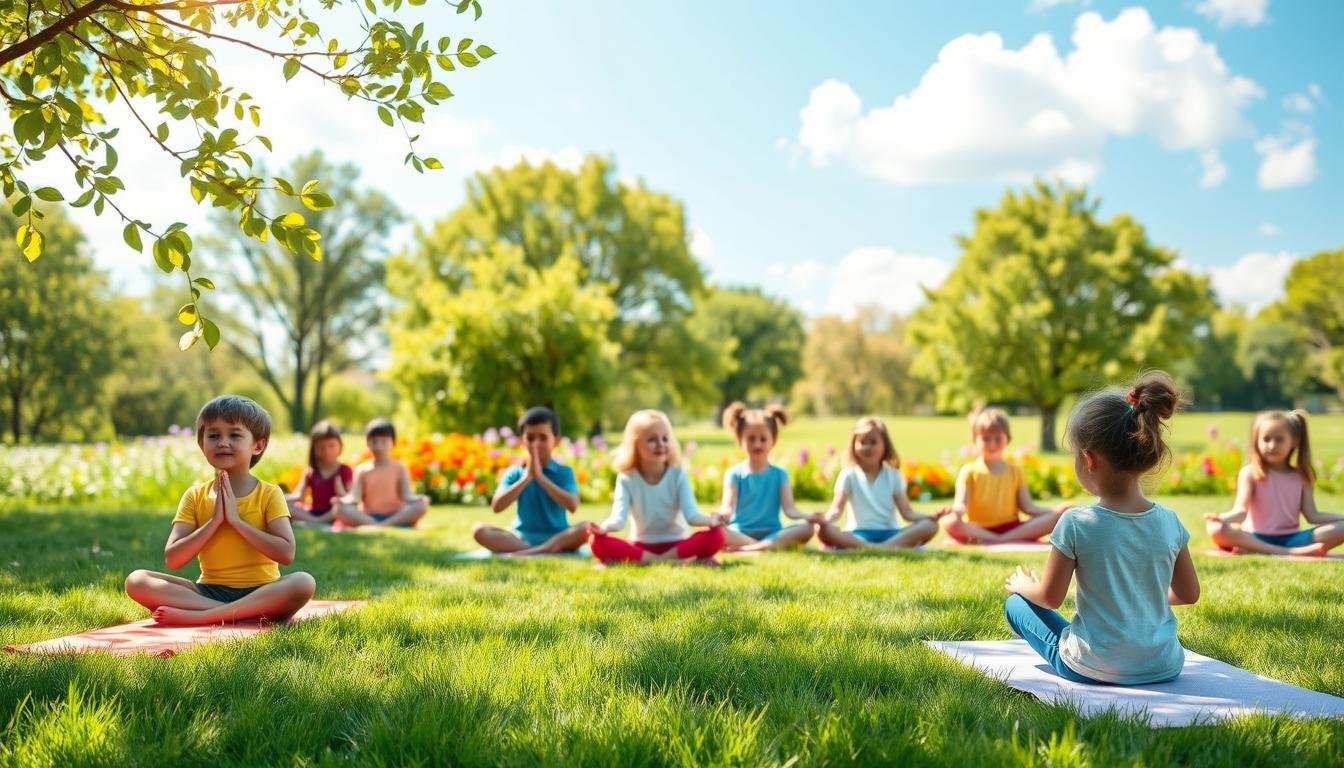
Meditation for Kids: Simple Mindfulness Exercises for Calm and Focus
Introducing mindfulness practices can be a wonderful way to support emotional awareness and focus in children. By incorporating simple exercises, you can create a calm environment at home or in the classroom. These practices encourage kids to connect with their feelings and surroundings without the need to sit perfectly still.
Over the years, Mellisa Dormoy has developed engaging scripts for Green Child, offering a library of over 70 guided sessions. These scripts provide a variety of tools that can help children navigate their emotions, whether it’s calming down during a hectic morning or transitioning smoothly between activities.
In this article, you’ll discover practical techniques inspired by Green Child’s resources. These age-appropriate exercises are designed to respect each child’s unique energy and needs. You’ll find that introducing mindfulness can be a shared experience, much like reading together, fostering a deeper connection.
Key Takeaways
- Mindfulness helps children with emotional regulation and focus.
- Simple breathing and body awareness exercises can be effective.
- Practices can be adapted for different times of the day.
- Shared activities strengthen the parent-child bond.
- Each child’s needs and preferences should guide the approach.
Introduction to Meditation for Kids
Engaging in mindfulness practices offers a unique way to nurture emotional awareness and concentration in children. Mindfulness means paying kind and honest attention to what a child feels, hears, or senses in the present moment. This approach encourages kids to connect with their experiences rather than striving for an empty mind.
Guided meditation is another helpful tool. It involves listening to a parent, teacher, or recording, similar to bedtime stories. This familiar format makes it easier for children to relax and focus. During these sessions, they can gently pay attention to their breathing, body sensations, and thoughts.
Learning mindfulness early can equip children with essential skills. These include awareness, active listening, and empathy. Such practices can help manage stress and anxiety, paving the way for a healthier emotional landscape. It’s crucial for parents to adapt these activities to suit each child’s unique needs, ensuring that the experience is enjoyable and beneficial.
Understanding the Benefits of Meditation for Kids
Mindfulness practices can be a powerful tool to enhance emotional understanding and focus in children. Research shows that these techniques can lead to numerous benefits. They can improve attention spans, reduce stress, and foster emotional resilience.
For instance, a 2019 study revealed that high school students who engaged in mindfulness showed better attention spans compared to those who did not. This finding suggests that even younger children can develop similar skills through consistent practice.
Additionally, a 2014 analysis in *JAMA Internal Medicine* reviewed over 3,500 participants. It found that mindfulness practices can significantly reduce anxiety and stress while improving overall well-being.
Here’s a quick overview of some key benefits:
| Benefit | Description |
|---|---|
| Enhanced Focus | Improves attention spans and working memory. |
| Stress Reduction | Helps children manage anxiety and emotional challenges. |
| Better Sleep | Mindfulness practices can lead to longer sleep durations. |
| Emotional Resilience | Fosters empathy and emotional intelligence. |
“Mindfulness can reduce reactivity and support emotional intelligence.”
Incorporating these practices into daily routines can truly help children thrive, both academically and emotionally.
Getting Started with Simple Mindfulness Exercises
Starting mindfulness exercises can greatly enhance a child’s emotional clarity and concentration. Creating the right environment is key to making these practices enjoyable and effective.
Here are some tips to help you begin:
- Choose a comfortable, quiet setting with limited distractions. Look for a place free from loud noises to help your child focus.
- Read the script privately first. Use a calm voice and include pauses, allowing your child to absorb the imagery and sensations.
- Start with a short breathing or body-awareness exercise. For example, encourage your child to notice one complete out-breath before extending the practice.
- If your child resists, stop without pressure. It’s important to try again later, ensuring mindfulness remains a positive experience.
- Consider using the free Mindful app. It offers kid-friendly audio sessions for guided practice, making it easier for families.
Age-Appropriate Meditation Techniques for Kids
Incorporating age-appropriate mindfulness exercises can help children connect with their feelings and improve focus. Understanding the developmental readiness of your child is essential. For toddlers and preschoolers, simple stories and sensory games can be effective.
These young ones may enjoy following a relaxing story or cuddling while a parent reads guided imagery. At around age four, children start to become more aware of their thoughts, making it a good time to introduce these practices.
Meditation for Toddlers and Preschoolers
- Use brief stories or animal breathing exercises to keep them engaged.
- Encourage cuddling or sensory games that allow movement.
- Remember, individual readiness matters more than age.
Guided Practices for Early Elementary Ages
For early elementary children, structured exercises can be beneficial. Try counting ten breaths or noticing belly movements. A July 2021 study found that mindfulness practices helped elementary children sleep an average of 74 extra minutes each night.
As children grow, preadolescents and teens can engage in more sophisticated mindfulness techniques. Use age-appropriate language and longer practices to keep them interested.
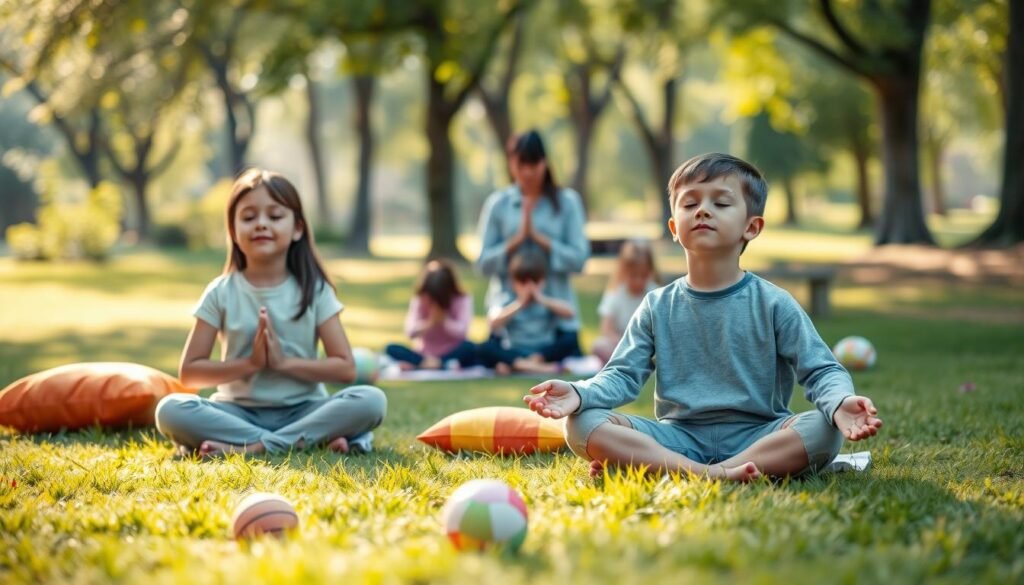
Practicing Meditation for Kids: Tools and Guided Scripts
Utilizing engaging tools and scripts can make mindfulness practices more accessible for children. There are many creative ways to introduce mindfulness through guided imagery and playful activities. Here are some effective techniques:
Favorite Meditation Scripts and Imagery
Consider using guided imagery themes that spark imagination. Some favorites include:
- Peaceful retreats
- Lazy rivers
- Autumn leaves
- Nature scenes
- Self-esteem adventures
Before reading a script to your child, practice it yourself. This helps you pause calmly, allowing your child to notice body sensations and emotions.
Integrating Fun Tools Like Meditation Toys
Fun tools can enhance the experience of mindfulness. Here are some suggestions:
- Use a stuffed animal on the child’s stomach to demonstrate belly breathing.
- A Hoberman sphere can visually show inhalation and exhalation.
- Glitter jars provide a creative way to acknowledge feelings.
- Try Susan Kaiser Greenland’s “Three Good Things” exercise to focus on positive thoughts.
These tools can help children connect with their feelings while making the practice enjoyable.
Integrating Meditation into Daily Home and Classroom Routines
Integrating mindfulness into daily routines can foster emotional stability and focus in children. Families and educators can utilize brief, repeatable activities during meals, transitions, lessons, and bedtime. These practices help children connect with their feelings and enhance their learning experiences.
Here are some effective ways to incorporate mindfulness:
- Consider one-minute breathing pauses before homework, tests, or meals. This technique reflects how Gary W. uses mindfulness breaks in his lessons.
- Adapt the “Three Good Things” exercise for dinner or bedtime. This helps children express gratitude while acknowledging their feelings.
- Encourage sensory learning activities, like slow snack tasting or sound noticing, to reinforce attention and classroom participation.
- Use M. Lui’s example of dedicating 30 minutes weekly to mindfulness activities for Year 5 students as a flexible model.
- Short meditation breaks can help children return to learning with improved attention and emotional regulation.
Mindful Activities to Enhance Learning
Mindfulness practices can support executive function skills, including attention and memory. Engaging in these activities regularly can lead to better emotional management and overall well-being.
Easy Meditation Breaks for Busy Parents and Teachers
Even in busy schedules, taking a moment for mindfulness can be beneficial. Quick, guided meditations can help children focus and reduce stress, creating a calmer environment.
| Activity | Duration | Benefits |
|---|---|---|
| Breathing Pause | 1 minute | Improves focus and calms anxiety. |
| Three Good Things | 5 minutes | Encourages gratitude and emotional awareness. |
| Sensory Snack Tasting | 5-10 minutes | Enhances attention and mindfulness. |
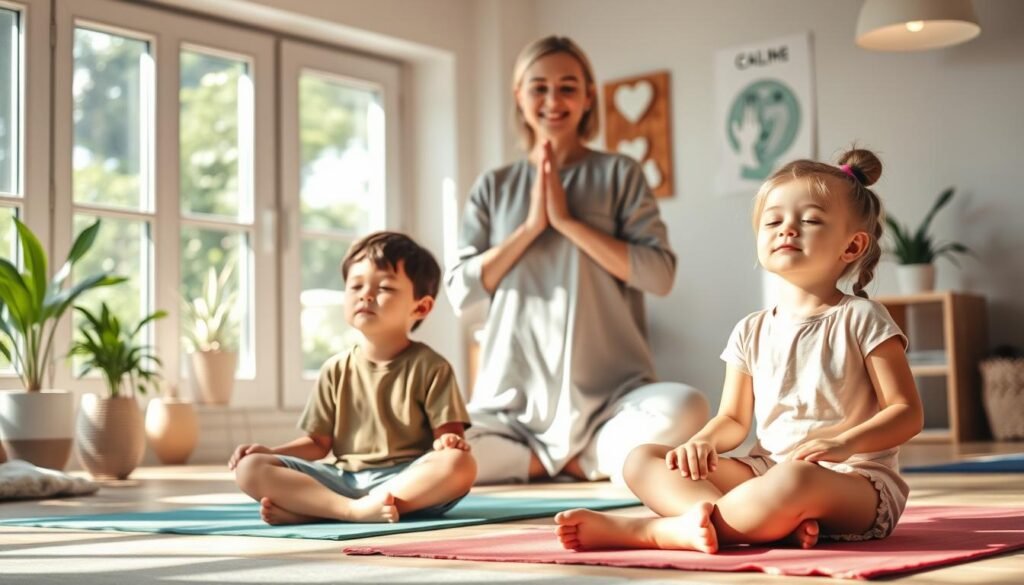
Meditation for Kids: Practical Tips for a Sustainable Practice
Establishing a routine around mindfulness can help children build lasting emotional skills. To make this practice sustainable, consider setting aside a specific time each day. Whether it’s after waking up, before bedtime, or during a classroom transition, consistency is key.
It’s also important for parents to model mindfulness behaviors. Your own moments of pause, active listening, and expressions of gratitude will teach children more than words alone. As Lorraine Murray suggests, demonstrating these practices can inspire children to embrace them.
Suggestions for Regular Mindfulness Sessions
- Rotate between breathing exercises, body scans, and guided imagery to keep sessions fresh.
- Use the “Three Good Things” technique to encourage positive thinking.
- Integrate mindfulness into daily activities, making it a natural part of life.
Using Internal and External Resources for Ongoing Learning
Explore trusted resources like the free Mindful app and Green Child’s extensive library of scripts. These tools can provide valuable guidance for families looking to deepen their practice. They offer a variety of techniques that cater to different interests and age levels.
Conclusion
Building emotional awareness and focus in children can be achieved through simple, engaging practices. Small, repeatable exercises can nurture attention, self-compassion, and stress-management skills. Remember, a child might start with a stuffed animal, a calming story, or just one breath instead of a formal posture.
Research supports these practices, showing benefits like improved attention and better sleep. While every child is unique, the findings from studies highlight the potential for positive outcomes.
As you explore these practices, be flexible and consistent. Let your child choose what resonates with them. Practicing together can make the experience even more meaningful. If you want to dive deeper into resources, check out for soothing guidance.
FAQ
What age is appropriate to start mindfulness practices with children?
You can introduce mindfulness activities as early as toddlers. Simple breathing exercises and guided imagery can be effective for even the youngest kids.
How can mindfulness help my child in school?
Mindfulness enhances focus and attention, helping children manage stress and improve their academic performance. It can also promote emotional resilience.
What are some easy mindfulness exercises I can do with my child?
Try simple breathing techniques, body scans, or visualization exercises. These can be done anywhere and can be tailored to your child’s interests.
How long should a mindfulness session last for kids?
Start with short sessions of about 5-10 minutes. As your child becomes more comfortable, you can gradually increase the duration.
Can mindfulness help with my child’s anxiety?
Yes, mindfulness practices can provide tools to help children manage their feelings of anxiety. They learn to recognize and cope with their emotions effectively.
How can I make mindfulness fun for my child?
Incorporate playful elements like meditation toys, storytelling, or themed imagery that sparks their imagination. This keeps them engaged and excited about the practice.
Are there any resources for guided meditations for kids?
Yes, many apps and websites offer guided meditations specifically designed for children. Look for ones that feature age-appropriate content and engaging narratives.
How can I encourage my child to practice mindfulness regularly?
Establish a routine by setting aside specific times for mindfulness. You can also join them in the practice to make it a shared experience.