Daily Meditation: How to Build a Practice You Can Actually Maintain
Starting a practice can feel daunting, but remember that it doesn’t have to be long or complicated. A daily meditation routine can be as simple as dedicating just three, five, or ten minutes to yourself. This realistic entry point allows you to explore what works best for you.
Many find that practicing in the morning, before the day gets busy, makes it easier to stay committed. This “same time, same place” approach can help you carve out that essential moment for yourself. It’s a small act that can lead to a more mindful day.
Connecting this practice to healing and hope is essential. Organizations that focus on mental health often emphasize the power of lived experiences, science, and love. They show us that these moments of stillness can be transformative.
Throughout this article, we’ll guide you through practical steps—from spiritual reflection to comfortable postures and even helpful apps. You’ll discover how to integrate these practices into your everyday life.
Key Takeaways
- A daily practice doesn’t need to be long or perfect.
- Starting with just a few minutes is a great way for beginners.
- Morning sessions can help protect your meditation time.
- Linking meditation to healing can enhance its impact.
- Practical steps can make meditation a part of your routine.
Understanding the Foundations of Daily Meditation
Meditation is a practice that can feel overwhelming at first, but it can be simple and rewarding. Embracing the healing and spiritual power of this practice can transform your life. Scripture offers profound insights into this journey, inviting you to reflect on your approach.
In Matthew 19:13-15, we see Jesus welcoming children, demonstrating kindness to those often overlooked. He encourages us to make space for others, prompting a question: does your practice help you show kindness to young people? Consider praying for their growth in faith and character.
Psalm 16 frames meditation as a return to refuge and guidance. It emphasizes stability and the path of life, reminding you of God’s presence as a source of strength. Reflect on these verses as you cultivate your practice.
Lastly, Epiphanius the Latin teaches us about childlike humility and trust. This encourages adults to embrace simplicity and kindness, reinforcing the essence of your meditation journey. For more insights, visit dailyscripture.net for complete readings and attributions.
Establishing a Consistent Daily Meditation Routine
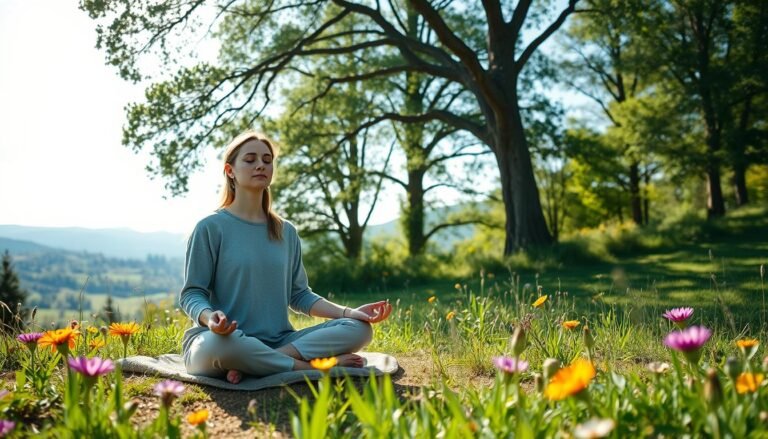
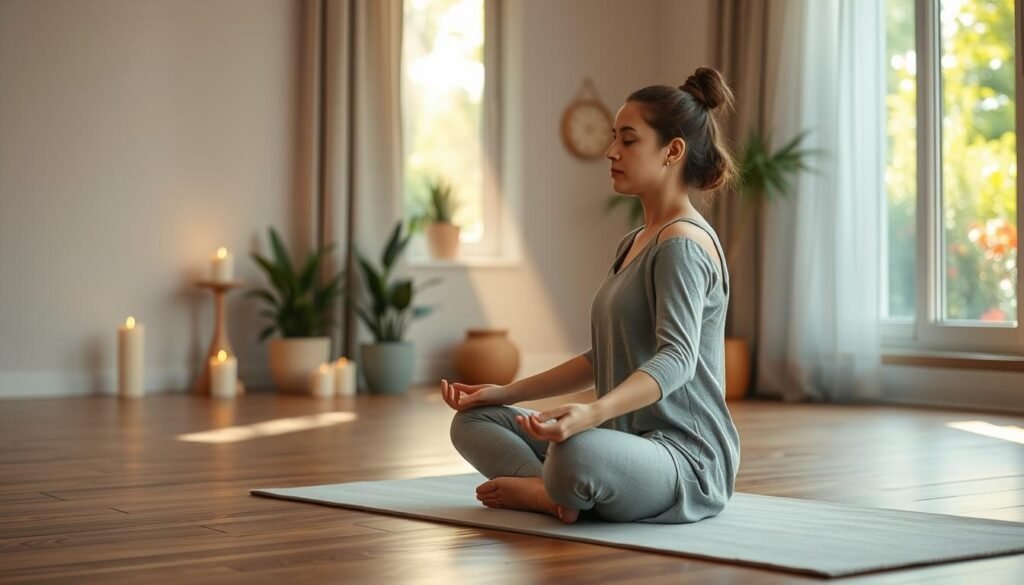
Creating a routine for meditation doesn’t have to be intimidating; it can be straightforward and enjoyable. To begin, it’s essential to choose a time and place that suits you. Look for a warm, quiet spot free from distractions. This can be a cozy corner of your home or even a peaceful outdoor area.
Start small. Aim for just three, five, or ten minutes at first. This makes it feel achievable rather than another obligation. For instance, you might find it helpful to count 15 inhale-and-exhale cycles for 30 seconds right after brushing your teeth. This method of attaching a new habit to an existing one can significantly increase your chances of success.
Consider the following simple routines:
| Time of Day | Routine | Duration |
|---|---|---|
| Morning | Breath counting after brushing teeth | 3-5 minutes |
| Midday | Quiet reflection during lunch break | 5-10 minutes |
| Evening | Relaxing on a couch with calming music | 10 minutes |
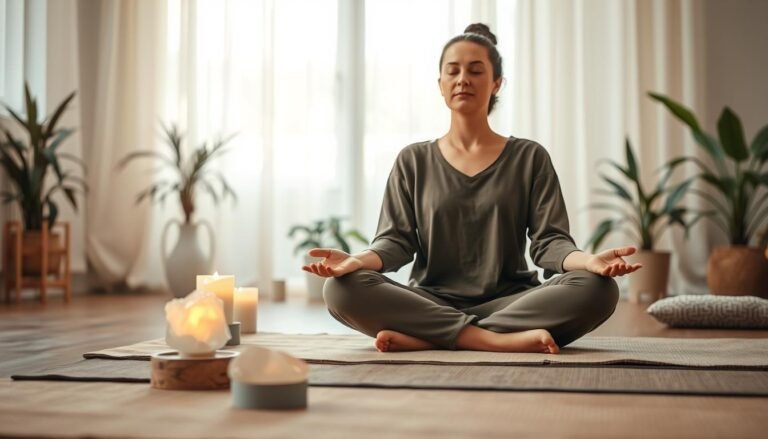
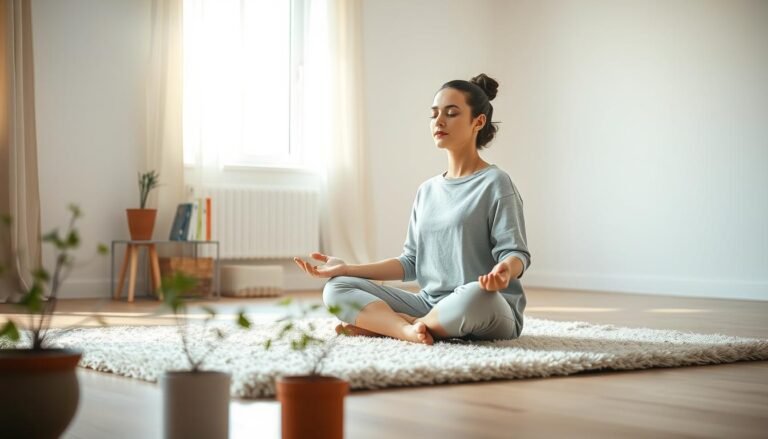
Remember, your posture matters too. Whether sitting in a chair, on a cushion, or even standing, ensure you feel comfortable. This will help you focus on your practice and enhance your experience.
For more tips on establishing your routine, .
Incorporating Mindfulness into Everyday Life with Daily Meditation
Everyday tasks can become opportunities for mindfulness, enriching your life with each breath. You can practice mindful breathing while walking, waiting, or even washing dishes. This approach allows you to stay present without limiting awareness to formal sessions.
It’s essential to remember that missing a session is okay. What matters is how gently you return to your practice. A sustainable routine depends more on restarting than on maintaining an unbroken streak.
When you meditate, choose a clear focus, such as your breath or feelings of gratitude. This gives each session a manageable purpose, making it easier to engage.
Practical Tips for a Sustainable Practice
Consider using apps like Headspace, which offers guided support for both beginners and experienced meditators. These tools provide valuable insights and help you explore various topics related to meditation.
Using Apps and Guided Meditations for Support
For additional inspiration, you can explore by Don Schwager. These meditations can deepen your understanding and enhance your practice.
Conclusion
Initiating a practice might seem intimidating, but it can transform into a rewarding experience. Start with just three, five, or ten minutes. Don’t wait for the perfect moment or environment; simply begin.
Find a quiet space, ensure a comfortable posture, and establish a consistent habit. These elements can make your practice easier to maintain. Remember the message from Matthew 19:13-15, which teaches us about welcome and humility, making room for others.
Missing a session doesn’t erase your progress. What truly matters is how you return with patience, keeping your practice connected to real life. Choose one time, one place, and one simple action to start today!
FAQ
What are the benefits of incorporating meditation into my daily routine?
Regular practice can enhance your focus, reduce stress, and improve emotional well-being. It promotes mindfulness, helping you to live more intentionally and with greater clarity.
How long should I meditate each day?
Start with just a few minutes daily. As you become more comfortable, gradually increase the duration. Even 5-10 minutes can make a significant difference.
Do I need a special space to meditate?
While a quiet, comfortable space can enhance your experience, it’s not mandatory. You can meditate anywhere you feel at ease, whether at home, in a park, or even at your desk.
Can I use apps to help with my meditation practice?
Absolutely! Many apps offer guided sessions, reminders, and tracking features to support your journey. They can be especially helpful for beginners.
What if I find it hard to focus during meditation?
It’s common to struggle with focus. Try acknowledging your thoughts without judgment and gently redirecting your attention back to your breath or a mantra.
How can I stay motivated to maintain my meditation practice?
Setting realistic goals, tracking your progress, and reminding yourself of the benefits can help. Joining a community or practicing with a friend can also provide support and encouragement.