

Om Meditation: How to Use the Om Mantra in Your Practice
Have you ever wondered about the power of sound in your personal growth journey? Om meditation, also known as mantra meditation, revolves around the sacred sound “Om,” pronounced “Aum.” This practice is not just for seasoned practitioners; it’s accessible to everyone, even if you have no special training.
Traditionally, “Om” is described as the primordial sound from which the entire universe emerged. This concept provides a spiritual backdrop that can enhance your experience. The sound is broken into three parts: “Aaa,” “Uuu,” and “Mmm.” Each of these vibrations can help you focus your attention, paving the way for deeper concentration and mental clarity.
To get started, consider dedicating just 5-10 minutes to this practice. This short duration allows you to explore the benefits without feeling overwhelmed. In this guide, you’ll find practical steps covering posture, breathing, vocal techniques, and ways to integrate this practice into your daily life.
Key Takeaways
- Om meditation is a simple practice accessible to beginners.
- The sound “Om” represents the universe’s primordial vibration.
- It consists of three parts: “Aaa,” “Uuu,” and “Mmm.”
- Start with just 5-10 minutes to ease into the practice.
- This guide offers practical steps to enhance your experience.
Understanding the Om Mantra
Exploring the meaning of “Om” can reveal layers of spiritual insight and personal growth. This sacred syllable is a cornerstone in various Indian spiritual traditions. It encourages you to approach its significance with curiosity and respect.
The sound “Om” is traditionally broken down into three parts: “A,” “U,” and “M.” Each represents essential aspects of existence—creation, sustenance, and destruction. The silence that follows the chant is equally important, symbolizing the universe’s vastness.
The Bhagavad Gita discusses “Om” in several verses, including 7.8, 9.17, and 10.25. These references highlight its importance in connecting individuals to higher consciousness. Ruby Burrows notes that “Om” is often used in meditation music, enhancing the experience of mindfulness.
This mantra can serve as a bridge between your breath, sound, and awareness, fostering a deeper connection to the universe. It invites you to explore your personal interpretation without imposing a singular belief system.
| Symbol | Meaning | Significance |
|---|---|---|
| A | Creation | Represents the beginning of all things. |
| U | Sustenance | Symbolizes the maintenance of life. |
| M | Destruction | Signifies the end, leading to rebirth. |
Benefits of om meditation
Harnessing the power of sound may lead to improved mental clarity and emotional balance. Engaging in this practice can provide a stable focus, helping you gently bring your attention back when distractions arise. This repetition creates a calming anchor for your mind.
Research indicates that this practice can enhance concentration and emotional stability. However, it’s important to remember that a more peaceful experience does not guarantee specific health outcomes. Each person’s journey is unique.
Slow breathing combined with gentle chanting can foster deep relaxation. This is especially beneficial when stress and anxiety make it difficult to focus. Before you begin, consider setting an intention, like feeling calmer before a busy day. Sit comfortably, close your eyes, and take deep breaths.
Moreover, the practice connects with your respiratory muscles, digestion, and emotional well-being. If you have medical concerns, it’s wise to consult a qualified professional before starting.
| Benefit | Description | Potential Impact |
|---|---|---|
| Mental Clarity | Enhances focus and attention. | Improves decision-making and productivity. |
| Stress Reduction | Helps to alleviate anxiety and tension. | Promotes a sense of calm and relaxation. |
| Emotional Stability | Encourages a balanced emotional state. | Supports resilience in challenging situations. |
Preparing Your Space and Mind for Meditation
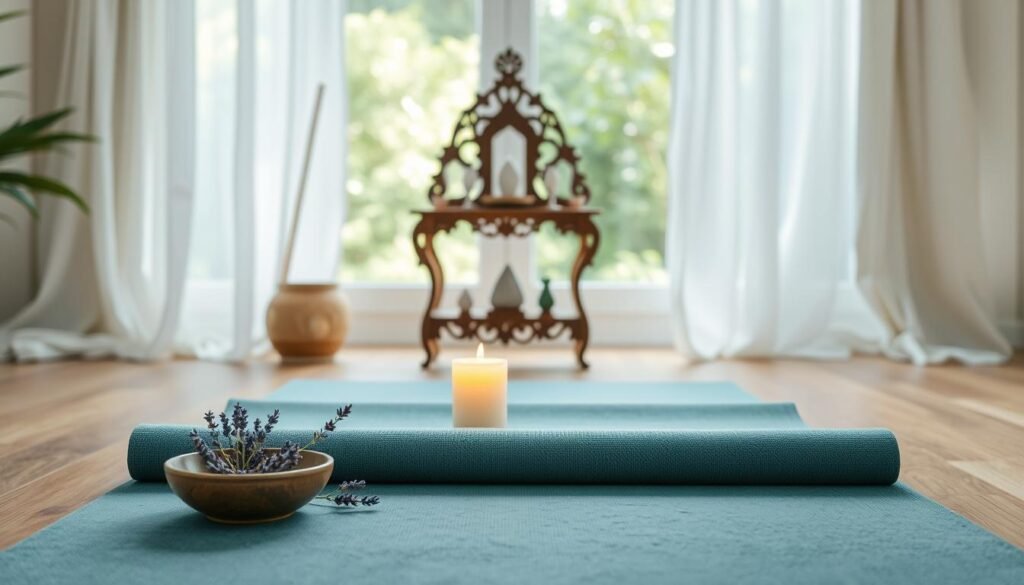
Setting the right environment can significantly enhance your experience with sound practices. A dedicated meditation corner helps create a peaceful atmosphere. Choose a quiet spot in your home, office, or even outdoors. You might use a cushion, chair, or folded blanket to make the space inviting.
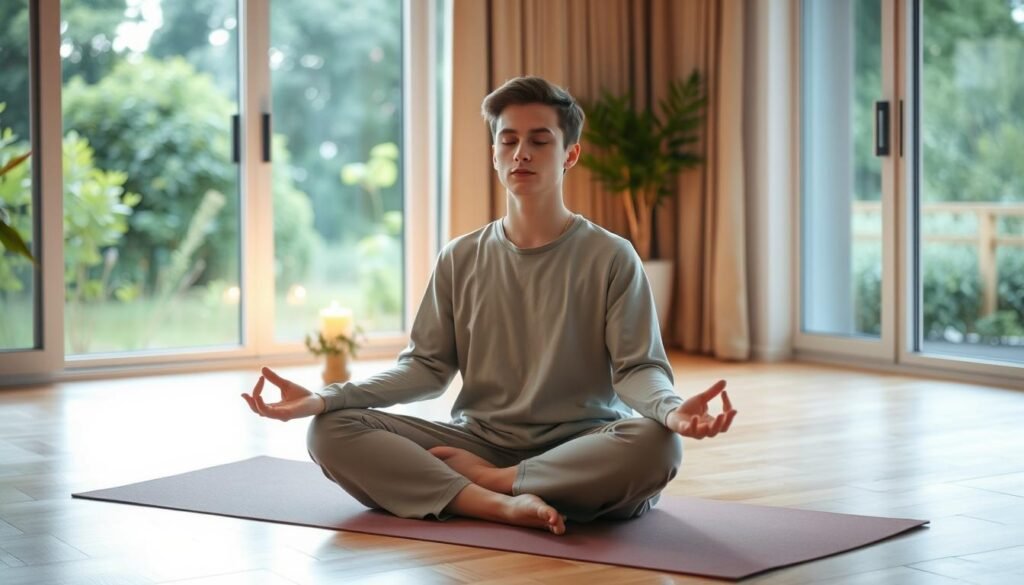
When you’re ready to sit, you can choose to be cross-legged on the floor or comfortably in a chair. Remember, your spine should remain straight but relaxed. This posture allows for a calm mind while you practice.
Creating a Dedicated, Peaceful Meditation Corner
- Pick a quiet corner that feels inviting.
- Use a cushion or chair for comfort.
- Keep the space free from distractions.
Adopting Proper Posture and Hand Gestures
Place your hands on your knees, and if it feels comfortable, join your thumb and index finger in Gyan Mudra. This gesture can enhance your focus. Close your eyes gently and take 3-5 deep breaths. Notice any physical tension in your body before beginning.
Establish a simple setup ritual. Use a timer, wear comfortable clothing, and set a clear intention for your practice. This way, you can try practice daily without feeling overwhelmed.
Step-by-Step Guide to Effective Om Chanting
The journey of sound can transform your meditation experience in profound ways. To make the most of your practice, follow these simple steps for effective chanting.
1. Begin your meditation by sitting comfortably. Close your eyes and take 3-5 deep breaths, allowing your shoulders and jaw to soften.
2. Set an intention for your practice. Inhale deeply through your nose, and prepare to start chanting.
3. Gently chant “Aaa-Uuu-Mmm.” Keep the volume soft but audible, ensuring that you don’t force it.
4. Divide the sound into three balanced parts. Give “Aaa,” “Uuu,” and “Mmm” equal time so the complete vibration can flow naturally.
5. Pay attention to the vibrations moving from your abdomen through your heart toward your head. Use this sensation as an anchor, rather than chasing a specific result.
6. Finish with three slow, deep breaths. Remain silent for a moment before gradually opening your eyes.
Exploring Various Techniques of Om Chanting
Diving into the various techniques of sound practices can enrich your personal experience. Each method offers unique benefits, allowing you to tailor your approach based on your environment and preferences.
Vocal Chanting: The Aaa-Uuu-Mmm Method
This technique involves vocalizing the three sounds “Aaa-Uuu-Mmm.” It invites you to notice how the vibrations resonate throughout your body. By engaging with this method, you can enhance your focus and deepen your relaxation.
Silent Mental Repetition (Manasika Chanting)
Manasika chanting is a quieter option, perfect for work breaks or travel. This method allows you to repeat the sound mentally, directing your attention inward without external noise. It’s a discreet way to bring calm into your day.
Rhythmic Chanting with Timed Breath Counts
Rhythmic chanting involves a structured pattern. You may use a four-count for inhaling, a four-count hold, and a four-count release. This method helps establish a flow that can guide your practice. If holding feels uncomfortable, feel free to shorten the counts.
| Technique | Description | Best For |
|---|---|---|
| Vocal Chanting | Chanting “Aaa-Uuu-Mmm” aloud. | Deepening sound experience. |
| Manasika Chanting | Mental repetition of Om. | Quiet environments or travel. |
| Rhythmic Chanting | Timed breathing with sound. | Structured practice. |
| 108 Repetitions | Chanting 108 times using beads. | Counting practice. |
| Akhand Chanting | Continuous flow without pauses. | Deep immersion in sound. |
Integrating Om Meditation into Your Daily Routine
Integrating sound practices into your daily life can bring about meaningful changes. Starting with just 5-10 minutes in the early morning or evening can help you build a habit without feeling overwhelmed. This simple approach makes it easier to practice daily.
After a week of short sessions, consider using an 11-minute timer. This gradual increase can enhance your experience and make it feel more familiar. If you feel self-conscious, listening to a clear recording of the sound can help ease you into the practice.
When your mind wanders or stress arises, gently acknowledge it without judgment. Calmly redirect your focus back to the sound or your breath. If you experience throat discomfort, lower your volume and stay hydrated. Remember, missing a session is not a failure; simply resume the next day.
Understanding the Science Behind Om Vibrations
The vibrations produced during chanting can have a profound effect on your body and mind. This practice involves slow breathing and sustained sound, which may encourage a relaxation response. However, it’s important to note that some claims about its benefits lack solid scientific backing, as no specific study dates or sample sizes are provided.
Extended vocal exhalation during chanting engages your respiratory and diaphragmatic muscles. This connection gives your attention a physical anchor, allowing you to focus more deeply. Rhythmic chanting may activate the parasympathetic nervous system, which is linked to relaxation and stress reduction.
While there are suggestions that this practice can improve lung function, enhance blood flow, and support digestion, these should be viewed as possibilities needing further evidence. When distractions arise, remember to bring your focus back to the chant instead of judging your practice.
Consider using this practice as a complementary wellness tool rather than a substitute for medical treatment, especially if you experience persistent stress or health concerns.
| Mechanism | Description | Potential Benefits |
|---|---|---|
| Slow Breathing | Encourages relaxation and reduces stress levels. | Improved emotional stability. |
| Vocal Resonance | Engages respiratory muscles for better lung function. | Enhanced physical well-being. |
| Attention Training | Helps refocus when distractions occur. | Increased mental clarity. |
Enhancing Your Practice with Technology and Music
The intersection of sound and technology can elevate your practice to new heights. Utilizing specific frequencies may enrich your personal growth journey through sound. Tracks at 417 Hz, 432 Hz, and 528 Hz are excellent options to explore.
For instance, an 11-minute track featuring 432 Hz chanting combined with Tibetan singing bowls can create a soothing backdrop. This sound may help you achieve a calm mind during your practice.
Utilizing 432Hz and 528Hz Frequencies
While 528 Hz is often framed as supporting positive transformation, 417 Hz is associated with removing negative energy blocks. However, it’s essential to note that these claims are not established medical guarantees.
Incorporating Tibetan Singing Bowls and Meditation Tracks
- Try an 11-minute 432 Hz track with Tibetan singing bowls if you prefer a consistent background sound.
- Choose a comfortable listening volume and use headphones safely.
- Stop if the sound causes discomfort or distraction.
- Compare a plain Om recording, a Tibetan singing bowl track, and silence to discover which sound best supports your personal meditation experience.
Conclusion
Engaging with sound allows you to explore deeper dimensions of your inner self. This practice provides a simple way to blend breath, sound, and attention. Whether you prefer audible chanting, silent repetition, or recorded tracks, you can find what resonates with you.
Start with just 3-5 breaths and 5-10 minutes. Gradually extend your practice as you feel comfortable. Let the Aaa-Uuu-Mmm vibrations guide your awareness, while remembering that each person’s experience is unique.
Choose a quiet space, maintain a relaxed posture, and keep the volume gentle. This will support relaxation rather than create strain. Whenever your mind wanders, return to the sound, allowing consistent practice to deepen your connection with this transformative tool.
FAQ
What is the Om mantra and how is it used in meditation?
The Om mantra is a sacred sound that represents the universe’s vibration. In meditation, it serves as a focal point to help you achieve deeper relaxation and mental clarity.
How can chanting the Om mantra enhance my meditation experience?
Chanting the Om mantra can create a calming atmosphere, helping you reduce stress and anxiety. It allows you to connect with your inner self and promotes emotional stability.
What are some practical tips for beginners starting with Om chanting?
Begin by finding a quiet space, sitting comfortably, and taking deep breaths. Start with short sessions, focusing on the sound and vibrations of the chant to gently bring your focus back when distractions arise.
How often should I practice Om meditation for the best results?
It’s beneficial to practice daily, even if just for a few minutes. Consistency helps build a habit, enhances your concentration, and deepens your meditation experience over time.
Can technology and music improve my Om meditation practice?
Yes, using specific frequencies like 432Hz and 528Hz can enhance relaxation. Incorporating Tibetan singing bowls or meditation tracks can create a soothing environment that supports your practice.
What should I do if I find it difficult to concentrate during Om meditation?
If your mind wanders, gently acknowledge the distraction and bring your focus back to the sound of the chant. Practicing mindfulness can improve your concentration over time.
How does Om meditation impact my overall well-being?
Regular practice can improve your mental clarity, reduce stress levels, and promote emotional stability. It positively influences your nervous system, contributing to a sense of calm and well-being.