Benefits of Meditation: What a Regular Practice Can Do for Your Well-Being
Meditation is more than just a trend; it’s a powerful practice that can reshape your life. By training your mind to focus and redirect thoughts, you can enhance your daily experiences. Research shows that even a small commitment, like 13 minutes each day, can lead to significant improvements in attention and memory.
In this article, we’ll explore how meditation can influence stress, sleep, focus, and even physical health. You don’t need any special equipment or a dedicated space to start. Whether you’re at home, at work, or enjoying a quiet morning, you can easily integrate this practice into your routine.
We’ll provide practical guidance on choosing a meditation style that suits you, building consistency, and connecting this habit to your overall wellness journey. With insights from a comprehensive review of 45 studies, you’ll see why many people are turning to meditation as a reliable tool for managing stress.
Key Takeaways
- Training your mind can improve stress management and emotional health.
- A daily practice of just 13 minutes can enhance focus and memory.
- No special equipment is needed; you can meditate anywhere.
- We’ll guide you on how to start and maintain your practice.
- Insights from scientific studies support the effectiveness of meditation.
Introduction to Meditation and Its Impact on Well-Being
Meditation has long been a practice cherished across cultures, providing tools for inner peace. This ancient method has roots that extend back thousands of years. Today, modern research highlights its positive effects on well-being, attention, and mental health.
There are different types of meditation to explore. Focused-attention meditation zeroes in on a single object, thought, or sound. In contrast, open-monitoring meditation expands awareness, allowing you to observe thoughts and feelings without judgment.
By practicing meditation, you can observe your thoughts without immediate reaction. This approach fosters a sense of peace and helps you respond to stress more flexibly. Just a few minutes each day can improve your sleep, reduce anxiety, and enhance your overall health.
For those interested in starting, consider taking a few minutes for quiet reflection. For more guidance, check out this BetterLifeAtlas article on mindfulness.
| Type of Meditation | Focus | Benefits |
|---|---|---|
| Focused-Attention | Single object or thought | Improves concentration |
| Open-Monitoring | Broad awareness | Enhances emotional regulation |
| Mindfulness | Present moment | Reduces stress and anxiety |
Exploring Meditation for Stress Reduction and Anxiety Relief
Many individuals turn to meditation as a means to navigate the turbulent waters of stress and anxiety. Chronic stress activates the sympathetic nervous system, leading to heightened levels of cortisol and heart rate. In contrast, relaxation techniques, including mindfulness, support the parasympathetic response, helping to reduce the body’s stress load.
A 2017 review of 45 studies revealed that various forms of meditation can significantly lower physiological stress markers. Additionally, a 2014 meta-analysis involving nearly 1,300 adults indicated that meditation may reduce anxiety, especially among those with higher initial anxiety levels.
For instance, eight weeks of mindfulness meditation helped individuals with generalized anxiety disorder improve their coping strategies and positive self-statements. In the workplace, employees using a mindfulness app for eight weeks reported lower job strain and enhanced well-being.
Research from the University of California, Davis, also supports these findings, showing that generalized meditation programs can lower cortisol levels. Notably, medical students using the Headspace app experienced a 12% reduction in stress after just 10 days, while those using it for 30 days reported a one-third reduction in stress.
Supporting Emotional Health and a Positive Outlook
Emotional well-being is essential for a fulfilling life. Practicing mindfulness can help you become aware of your emotional reactions earlier. This awareness creates a pause between difficult feelings and your automatic responses, allowing for healthier choices.
A review involving over 3,500 adults showed that mindfulness meditation improved symptoms of depression. However, it’s important to note that this does not mean it treats every form of depression. Each person’s experience is unique.
In a 2015 study, participants who completed a meditation exercise reported fewer negative thoughts after viewing distressing images. This suggests that meditation may soften the intensity of some negative thought patterns.
Additionally, cultivating a kinder inner voice through mindfulness can enhance your self-image and emotional balance. A more realistic self-observation can lead to a more positive outlook on life.
If you are experiencing persistent symptoms of depression or anxiety, consider seeking support from a qualified clinician. Meditation can be a valuable tool, but it is not a substitute for professional help.
| Study | Participants | Findings |
|---|---|---|
| Mindfulness Review | 3,500+ | Improved depression symptoms |
| Negative-Image Study | Varied | Fewer negative thoughts |
| Anxiety Reduction | Generalized Anxiety Disorder | Reduced anxiety symptoms |
Enhancing Self-Awareness and Cognitive Focus
Unlocking your mind’s potential can be a transformative journey. Engaging in mindful practices can enhance your self-awareness and sharpen your cognitive abilities. By dedicating just a few minutes each day, you can start to notice changes in how you respond to your thoughts and emotions.
For instance, self-inquiry through focused-attention meditation can help you identify recurring thought patterns. This awareness allows you to choose more constructive responses over time. A 2019 study found that 153 adults using a mindfulness app for two weeks reported feeling less lonely and more socially connected. This suggests that mindfulness can foster better relationships.
Building Mindfulness and Personal Growth
Think of focused-attention meditation as a form of mental training. Just as physical exercise builds endurance, this practice can strengthen your concentration gradually. Regular meditators have shown improved attention and accuracy during tasks, enhancing their overall performance.
Boosting Attention Span and Memory
Thirteen minutes of daily practice has been linked to improved attention and memory after just eight weeks. This accessible approach can make a real difference in your daily life. Additionally, Kirtan Kriya, which combines chanting with finger movements, has been studied for its effects on age-related memory loss.
Incorporating these techniques into your routine can lead to meaningful changes. Start small, and you may find that your mind becomes clearer and more focused over time.
Physical Health Gains: Lowering Blood Pressure and Easing Pain
Engaging in mindfulness practices can yield significant improvements in physical health. Research indicates that these techniques may help lower blood pressure, which is crucial for heart health. A 2015 meta-analysis involving nearly 1,000 participants found that mindfulness can lead to a modest reduction in blood pressure levels.
High blood pressure increases the heart’s workload and can contribute to serious conditions like atherosclerosis and heart attacks. Therefore, relaxation techniques can reduce strain on the cardiovascular system. However, if you have diagnosed high blood pressure, it’s essential to continue monitoring your condition with a healthcare professional.
A 2017 review of 38 studies also showed that mindfulness may alleviate pain and enhance quality of life for many people. This complements findings from a 2014 meta-analysis that linked mindfulness practices to decreased pain among nearly 3,500 participants.
Consider incorporating a gentle body-scan or breathing exercise into your routine. This can support your well-being while ensuring you don’t discontinue any prescribed treatments for pain or blood pressure.
| Study | Participants | Findings |
|---|---|---|
| 2015 Meta-Analysis | 1,000 | Reduced blood pressure |
| 2017 Review | 38 studies | Pain reduction |
| 2014 Meta-Analysis | 3,500 | Decreased pain levels |
Improving Sleep Quality with Relaxing Meditation Techniques
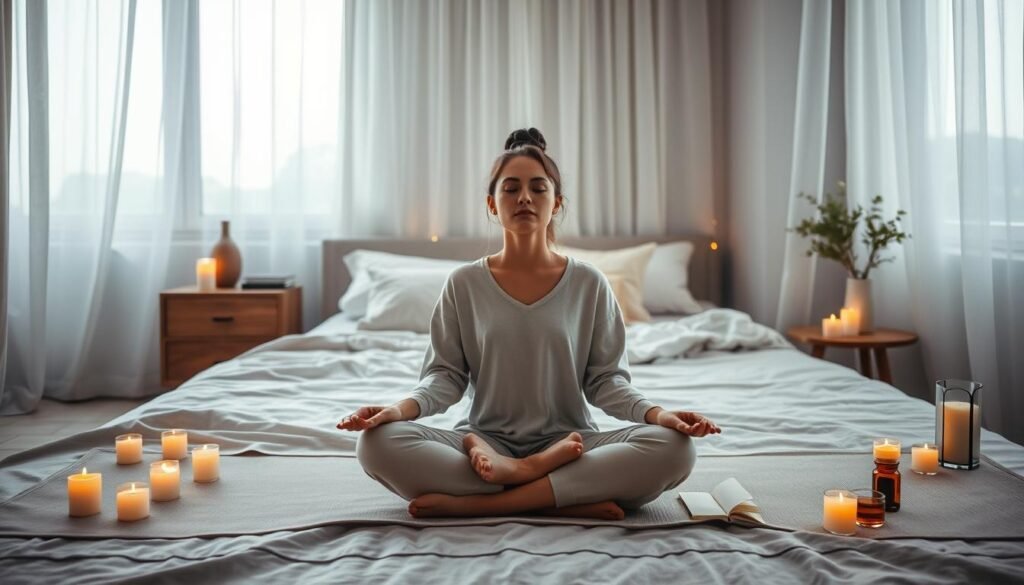
Finding restful sleep can be challenging, but relaxing techniques can help ease your mind. Racing thoughts and physical tension often interfere with a good night’s rest. By incorporating slow breathing, you can signal your body to relax before bed.
A 2014 study found that mindfulness-based practices improved sleep duration and reduced insomnia severity among participants. To start, consider dedicating just five minutes to comfortable breathing. Focus on your breath and allow your body to relax.
Next, try a brief body scan, starting from your forehead and moving down to your feet. Notice any tension and consciously release it. If thoughts arise, acknowledge them without judgment and gently return your focus to your breath.
If you struggle with ongoing insomnia or severe daytime fatigue, it’s wise to discuss these issues with a healthcare professional. Meditation can support your sleep journey, but it’s not a substitute for medical advice.
| Technique | Duration | Focus |
|---|---|---|
| Breathing Exercise | 5 minutes | Calm the mind |
| Body Scan | 5-10 minutes | Release tension |
| Mindfulness Reflection | As needed | Redirect thoughts |
Meditation’s Role in Strengthening the Immune System
Understanding how stress impacts your body can lead to healthier lifestyle choices. Chronic stress raises cortisol levels, which can suppress your immune system. This elevation disrupts energy levels and sleep patterns, making stress management essential for your overall health.
Research shows that chronic stress can also increase blood pressure, heart rate, and cholesterol levels. A notable study from Harvard found that regular practice dampened genes involved in inflammatory responses while promoting those associated with DNA stability.
While the immune system’s benefits from meditation are promising, they remain an area of ongoing research. It’s crucial to remember that meditation should not be viewed as a cure for infections. Instead, it should complement a balanced approach to health that includes sleep, nutrition, movement, and preventive care.
Incorporating meditation into your routine can support your body’s stress response. However, it is not a substitute for treatment of immune or inflammatory conditions.
| Impact of Stress | Effects on the Body | Role of Meditation |
|---|---|---|
| Chronic Stress | Elevated cortisol | May lower stress levels |
| Increased Blood Pressure | Heart strain | Supports heart health |
| Inflammatory Responses | Suppressed immune function | Promotes DNA stability |
Accessible Meditation Techniques for Busy Lifestyles
Even a few minutes dedicated to awareness can transform your daily routine. You don’t need a lot of time to start meditating. In fact, simple practices can easily fit into your busy life.
For a quick morning boost, set your alarm just a few minutes early. Use this time for a two-minute breathing exercise before diving into your day. Focus on your breath and let go of any lingering thoughts.
During work breaks, try focused-attention meditation. Anchor your attention to your breath, a calming sound, or even a mantra. This can help reduce stress and enhance your focus.
If you’re commuting, consider open-monitoring meditation. Notice the sounds around you and the sensations in your body without judgment. This can help ground you in the present moment.
Lastly, attach meditation to an existing routine. Whether it’s brushing your teeth or making coffee, consistency is key.
Transcendental Meditation: Deep Rest and Scientific Insights
Transcendental Meditation offers a unique approach to achieving profound relaxation and mental clarity. This specific technique is taught one-on-one and generally practiced for 20 minutes twice daily. With over 480 peer-reviewed studies examining its effects, the research supports its potential to improve well-being.
Research has shown significant physiological changes during practice. For instance, decreases in respiration, skin conductance, and plasma lactate indicate deep rest. A notable study by Travis, Haaga, and Hagelin in 2010 explored brain coherence during this practice, revealing enhanced brain functioning.
A meta-analysis of 146 studies found that Transcendental Meditation effectively reduces trait anxiety. Furthermore, research by Nidich and colleagues highlighted improvements in academic achievement among at-risk urban middle school students.
Interestingly, a comparison involving about 2,000 regular practitioners and 600,000 insurance members showed a 56% average reduction in hospitalization. This suggests a strong link between the practice and overall health outcomes. As Frank described in a July 2024 course review, it was a “life-changing experience.”
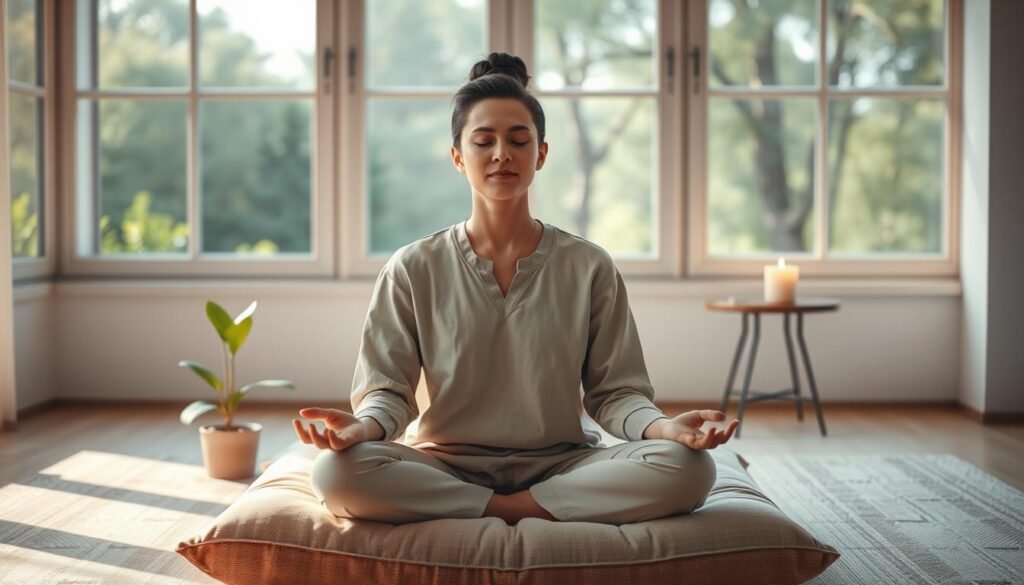
Key benefits of meditation for a Balanced Life
Meditation offers a pathway to a more balanced life, enhancing your mind, body, and emotions. It’s a practice that supports your overall well-being, allowing you to navigate daily challenges with greater ease. Studies have shown that just a few minutes each day can lead to improvements in stress management, sleep quality, and emotional health.
To start, consider a balanced habit plan. Begin with just five minutes each morning, focusing on your breath. As you grow more comfortable, you can gradually extend your practice. This approach makes it easier to incorporate mindfulness into your routine.
Transforming Mind, Body, and Emotions
Research indicates that meditation can positively influence your physical health and mental resilience. For instance, a 2015 meta-analysis found that mindfulness practices helped reduce blood pressure among participants. Similarly, a 2017 review linked mindfulness with decreased pain and improved quality of life.
Integrating Meditation into Everyday Activities
Integrate mindfulness into your daily activities. Whether you’re walking, eating, or commuting, practice being present. This simple shift can enhance your attention and emotional well-being. Remember, the most effective practice is one you can maintain consistently.
Embrace this journey toward a more intentional life, knowing that every small step counts.
Conclusion
Embracing a regular practice can lead to profound changes in your life. Many people find that meditation offers a flexible way to address stress, anxiety, and emotional health without needing special equipment. Research indicates that even dedicating just 13 minutes a day can create significant improvements in your overall well-being.
Start by choosing one technique that resonates with you. Set aside a specific time each day to practice, beginning with a duration that feels manageable. Remember, this journey can complement professional care but should not replace treatment for conditions like depression or chronic pain.
With consistency and patience, you can cultivate a sense of peace and clarity in your daily life. Take that first step today, and see how a few moments of mindfulness can transform your experience.
Related Guides
- Meditation for Beginners: How to Start a Simple Daily Practice
- A Practical Meditation Guide for a Consistent Daily Practice
- Guided Meditation: How It Works and How to Get Started
FAQ
What is meditation?
Meditation is a practice that involves focusing your mind and eliminating distractions to achieve a state of mental clarity and emotional calm. It can be done in various forms, including mindfulness and guided techniques.
How does meditation help reduce stress?
Regular practice can lower cortisol levels, the hormone associated with stress, and help you manage daily pressures more effectively, leading to a more relaxed state of mind.
Can meditation improve my sleep quality?
Yes, meditation techniques can help quiet your mind before bed, making it easier to fall asleep and enjoy a more restful night.
How long should I meditate each day?
Even just a few minutes a day can be beneficial. Starting with 5 to 10 minutes and gradually increasing the time can help you develop a consistent practice.
Is meditation beneficial for my physical health?
Absolutely! Meditation can help lower blood pressure, improve heart health, and even boost your immune system, contributing to overall well-being.
What are some simple meditation techniques I can try?
You can start with mindfulness meditation, focusing on your breath, or try guided meditations available through apps and online resources. These techniques are easy to integrate into your daily routine.
How does meditation enhance self-awareness?
By practicing regularly, you can develop a deeper understanding of your thoughts and emotions, leading to personal growth and improved emotional regulation.
Can meditation help with anxiety and depression?
Yes, studies show that meditation can reduce symptoms of anxiety and depression, helping to improve your mood and overall outlook on life.
What is Transcendental Meditation?
Transcendental Meditation is a specific technique that involves silently repeating a mantra to settle the mind into a state of profound rest and relaxation, backed by scientific research showing its benefits.
How can I integrate meditation into my busy lifestyle?
You can incorporate short meditation sessions throughout your day, such as during breaks or before meals, making it easier to maintain a consistent practice without needing a lot of time.