Yoga Meditation: How to Combine Movement, Breathing, and Mindfulness
Have you ever felt the need to quiet your mind and find balance in your life? Combining physical movement with focused breathing can be a practical way to achieve this. Many people discover that these practices enhance their ability to concentrate and relax. Mara Carrico emphasizes that these two skills are essential for deepening your experience in mindfulness.
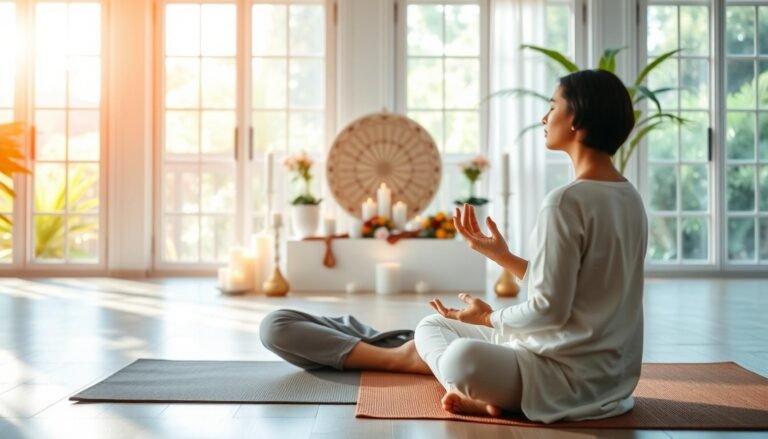
Think of yoga meditation as a seamless blend of gentle movements, natural breathing, and being present in the moment. It’s not about complicated rituals but rather about making simple, effective choices that benefit your well-being. You don’t have to practice both to experience their benefits; they complement each other beautifully.
As you explore this journey, remember that even a few minutes of consistent practice can lead to greater calm, concentration, and self-awareness. The journey from movement into stillness can be enlightening, aligning with Patanjali’s teachings that yoga begins when the mind becomes quiet.
Key Takeaways
- Combining movement and breathing enhances focus and relaxation.
- Yoga meditation is accessible and not just a complicated ritual.
- You can practice each method independently, yet they support each other.
- A simple progression can lead you from active movement to quiet stillness.
- Even brief sessions can cultivate calmness and self-awareness.
Introduction to Yoga Meditation and Its Benefits
Do you often find yourself overwhelmed and seeking tranquility in your daily life? Understanding how movement and breathing work together can provide a path to greater peace. In the yogic tradition, meditation is seen as an experience of inner union, where the mind and body connect deeply.
This practice promotes mindfulness, allowing you to observe your thoughts and feelings without judgment. It encourages a nonjudgmental awareness of the present moment, which can be incredibly liberating.
Research supports the benefits of these practices. Studies show that during meditation, brain activity shifts from rapid beta waves to slower alpha and theta patterns. This transition often results in slower respiration and lower blood pressure, contributing to overall well-being.
In our busy lives, a brief, repeatable practice can be a powerful tool for managing stress. By integrating these techniques, you can cultivate a calmer relationship with daily challenges. For more information on the benefits of mindfulness, check out the American Psychological Association.
Core Elements: Movement, Breath, and Mindfulness
Do you ever find it challenging to stay present in your daily activities? The core elements of movement, breath, and mindfulness can enhance your awareness and bring you back to the moment.
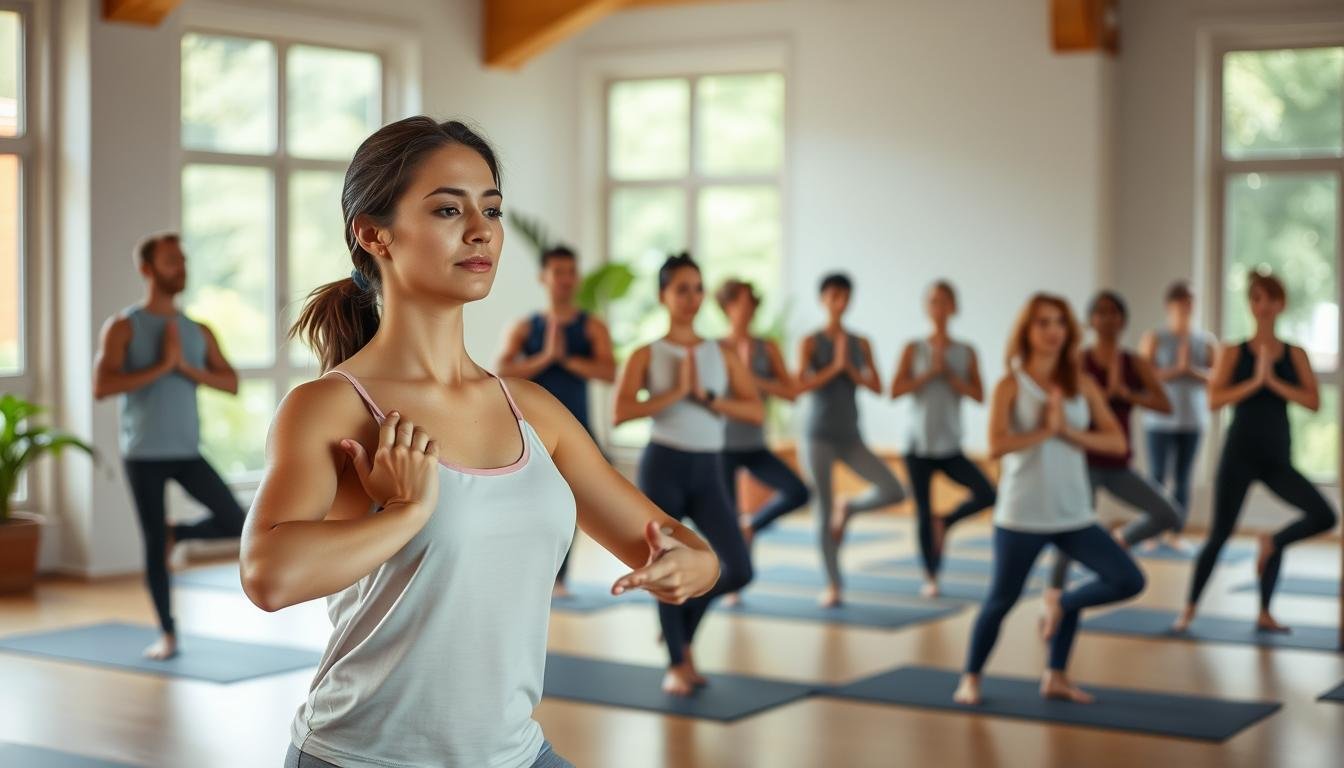
Slow, deliberate movement acts as a physical anchor. It helps you notice balance, muscle effort, and the rhythm of each pose. For example, in a walking practice, you can coordinate your breath with your steps: inhale for three steps and exhale for three steps. If counting feels awkward, simply allow your breath to flow naturally.
Breath awareness doesn’t always require structured techniques. Observing your natural inhale and exhale can serve as a complete practice. This is similar to vipassana, where you explore sensations without labeling them as good or bad. Notice the temperature and movement of your breath; this curiosity deepens your experience.
Pairing a short movement sequence with quiet breaths can ease the transition from active practice into stillness. Remember, returning your attention to the breath is not a failure. It’s a central part of strengthening your focus over time.
| Technique | Description | Benefits |
|---|---|---|
| Walking Meditation | Inhale for three steps, exhale for three steps. | Enhances focus and coordination. |
| Breath Observation | Notice the quality and sensations of your breath. | Promotes mindfulness and relaxation. |
| Movement Sequence | Combine gentle movements with quiet breaths. | Facilitates a smooth transition into stillness. |
The Philosophy Behind Yogic Meditation
What if the essence of your practice holds more wisdom than you realize? The philosophy of yogic meditation is rich and layered, offering insights into interconnectedness. This idea, known as advaita, suggests that everything is linked, allowing you to explore these concepts personally without adhering to a specific belief system.
Patanjali’s teachings outline a path where dhyana, or meditation, follows dharana, or concentration, and precedes samadhi, or final liberation. Together, these three elements form a practice known as samyama, emphasizing inner discipline.
The initial limbs of yoga—yama, niyama, asana, and pranayama—serve as essential foundations. They prepare your body and mind for deeper introspection. Following these, pratyahara acts as a bridge, helping you notice your senses without being overwhelmed by them.
Consider the analogy from Mara Carrico: concentration initiates contact, meditation deepens involvement, and samadhi embodies unity. This relationship illustrates how each stage builds upon the last, guiding you toward a more profound understanding of yourself.
Exploring Yoga Meditation Techniques
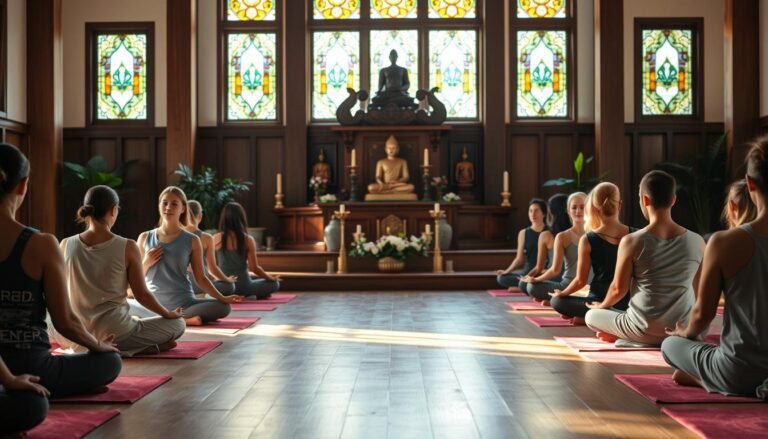
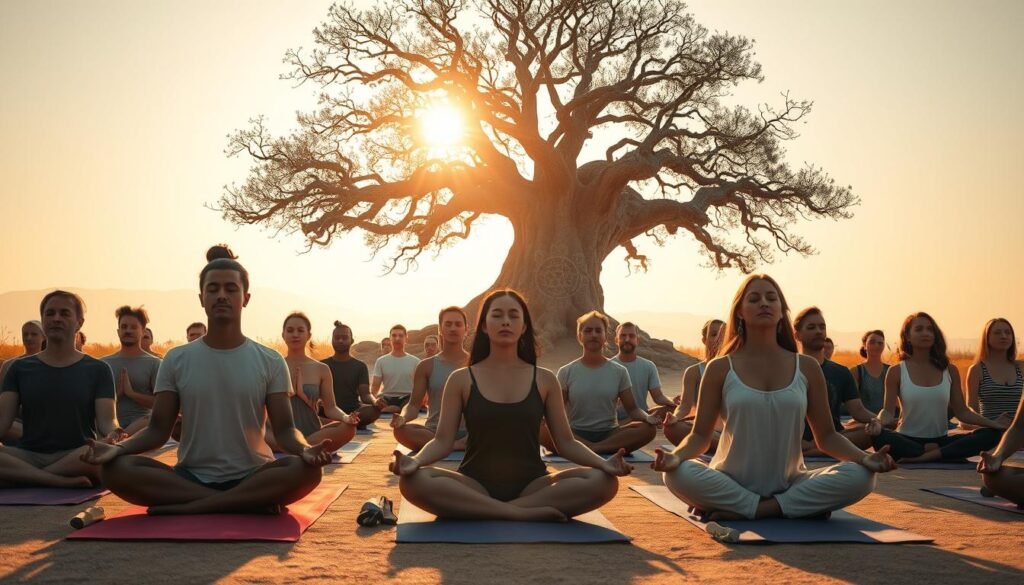
What if the way you sit or lie down could transform your experience? Understanding different meditation postures can significantly enhance your practice. The four primary positions are sitting, walking, standing, and reclining. Each offers unique benefits depending on your needs.
The Corpse Pose, or Savasana, is a common reclining option. While it promotes relaxation, beginners may find it challenging to stay alert. If you prefer sitting, options like Sukhasana (Easy Cross-Legged Pose) or Padmasana (Lotus Pose) can provide stability and comfort.
To help you choose, here’s a quick comparison:
| Posture | Stability | Energy Level |
|---|---|---|
| Sitting | Stable | Moderate |
| Walking | Active | High |
| Reclining | Restful | Low |
Introducing the So Hum mantra can also enrich your practice. This natural mantra means “I am That,” with “So” linked to inhalation and “Hum” to exhalation. You can practice it silently, allowing your breath to guide you without needing to vocalize.
As you explore these techniques, consider focusing on one method for several sessions. This approach helps build familiarity and enhances your connection to your practice.
Creating a Home Practice Routine for Daily Calm
Are you looking for a way to bring calm into your daily routine? Establishing a consistent practice can make a significant difference in your life. You can start with just five minutes of quiet reflection after your asana practice. Alternatively, a standalone session of 10 to 15 minutes is manageable for many beginners.
Choosing the right time is essential. Morning is often seen as optimal, but practicing in the afternoon or early evening can also be effective. Consistency is key; try to practice at the same time and place each day.
Creating a peaceful corner in your home doesn’t require expensive equipment. A simple setup with a cushion, a folded blanket, or a chair can work wonders. Set a timer to help you stay focused and minimize distractions.
Here’s a simple routine to get you started:
- Settle your body comfortably.
- Observe three natural breaths.
- Choose to focus on the So Hum mantra or your breath.
- End with one quiet minute.
It’s normal for your thoughts to wander. Each gentle return to your focus reinforces your practice. Remember, even a brief two-minute session can maintain continuity and keep you connected to your routine.
Guided Meditation Scripts for Yoga Teachers
Could the right guided meditation script make a difference in your students’ journeys? Tailoring your approach can significantly enhance their experience. Here are seven adaptable script themes you can use:
- Finding the Breath
- Bringing Your Mind Back From Thoughts
- Basic Body Scan
- Body Scan for Gratitude
- Simply Stopping
- Whole Body Breathing
- Opening Awareness
As a yoga teacher, it’s essential to customize your scripts based on your students’ needs. Adjust the length, vocabulary, and pauses to ensure the practice suits beginners and experienced students alike. Remember to read each script at least twice before class to boost your confidence and pacing.
Encourage invitations rather than commands. For example, suggest that students soften their gaze or adjust their posture. This approach fosters a supportive environment.
Be mindful of trauma-sensitive practices. Remind students that noticing their experiences doesn’t mean they have to dwell on discomfort. A gentle transition at the end of your session can help them reconnect with their whole body and the space around them.
Integrating Mindfulness into Your Asana Practice
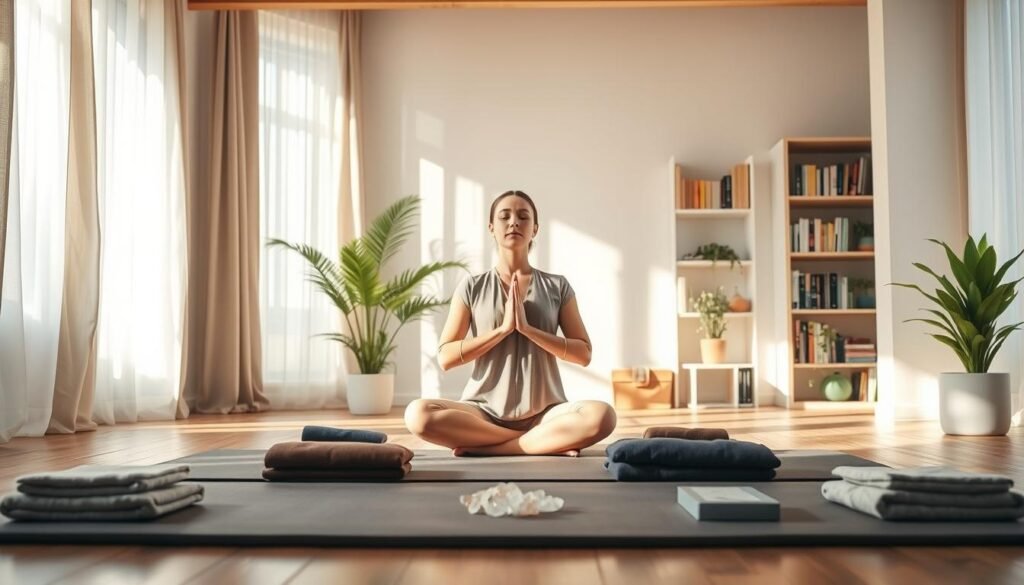
Can your asana practice become a pathway to greater mindfulness? Introducing mindfulness can enhance your experience on the mat. You can start by setting an intention at the beginning of class. Remind yourself that achieving a perfect pose is not the goal; rather, it’s about being present.
During each asana, invite curiosity about your breath and physical sensations. Focus on how your body feels rather than how it looks. This shift in perspective can deepen your awareness and enhance your practice.
As you transition between poses, slow down. Notice how your body shifts weight and organizes itself. This attentiveness allows you to stay connected to your immediate experience.
Throughout your practice, gently recognize distractions and bring your attention back to your body. Finally, in Corpse Pose, take a moment for a brief body scan. Remember, it’s okay to adjust your position if you feel discomfort. Mindfulness means listening to your body, not forcing it to endure pain.
Advanced Approaches: Mantras, Visualization, and Drishti
How can incorporating mantras and visualizations enrich your experience? These advanced practices can deepen your connection to mindfulness and enhance your focus.
A mantra is more than just a word; it serves as an instrument of thought. You can choose a meaningful word, prayer, or affirmation that resonates with you. For beginners, the So Hum mantra is an excellent starting point. It connects your breath to your thoughts, creating a steady rhythm.
As you grow more comfortable, you might explore longer chants or the sacred sound of Om, a primordial seed sound in Vedic tradition. This sound can help anchor your mind during practice.
Visualization is another powerful tool. Picture calming images like an ocean, a blooming flower, or a favorite outdoor spot. You can also imagine colors associated with specific chakras to enhance your experience.
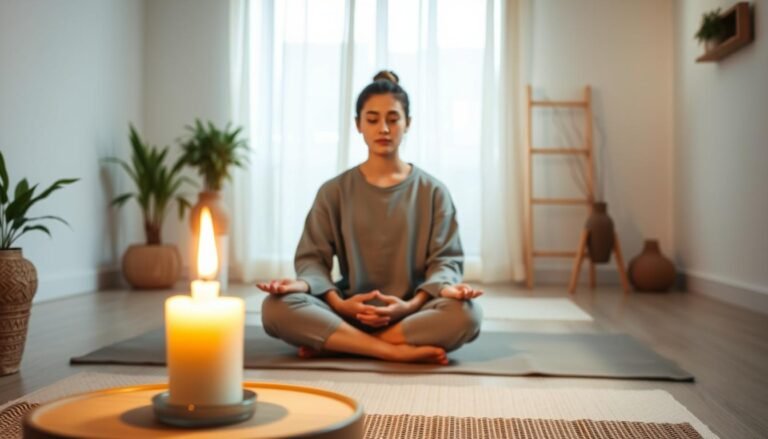
Drishti, or your gaze, plays a crucial role in maintaining focus. Try candle gazing, where you softly focus on a flame with partially closed eyes. This practice helps you cultivate a deliberate gaze, sharpening your awareness.
Maintaining a stable posture is essential. Physical restlessness can distract you from mantra, visualization, and gaze-based practices. Find a comfortable position that supports your focus.
Experiment with these techniques without pressure. The most effective method is the one you can practice consistently and comfortably.
| Technique | Description | Benefits |
|---|---|---|
| Mantra | A word or sound repeated to aid concentration. | Enhances focus and mindfulness. |
| Visualization | Imagining calming scenes or colors. | Promotes relaxation and clarity. |
| Drishti | A deliberate gaze, such as candle gazing. | Improves concentration and awareness. |
Safety, Posture, and Alignment Tips
What if the way you hold your body could influence your ability to focus and connect? Proper alignment is essential for both comfort and effectiveness during your practice. Keeping your body aligned helps you stay present in the moment and reduces the risk of strain.
For seated practice on the floor, elevate your sitting bones with a cushion or folded blanket. This allows your pelvis and lower back to relax naturally. Keep your spine upright without stiffness, letting your shoulders move back and down. Rest your hands comfortably on your thighs or lap.
If the floor creates strain, consider using a chair. Ensure both feet are supported and adjust your setup if your back, hips, or knees become uncomfortable. For standing poses, place your feet hip- to shoulder-width apart, soften your knees, and relax your arms. Maintain a long neck with your head balanced over your spine.
In reclining positions, support your head and knees as needed. Aim for a symmetrical position, and keep your eyes open if you feel sleepy. Remember, alignment serves comfort and attention, so it’s always okay to change a pose or end your practice if needed.
Conclusion
What if achieving inner calm was simpler than you think? Combining comfortable movement, natural breathing, and gentle attention makes these practices approachable. Patanjali’s framework illustrates how posture, breath, sensory awareness, concentration, and meditation connect as parts of one cohesive practice.
You can start with just five minutes after your routine, focusing on a quiet So Hum session, mindful walking, or simple breath observation in a chair. Choose a posture and technique that support steadiness, returning to that focus whenever thoughts wander.
If you teach, consider using short guided meditations and adaptable language to create a safe space for your students. Remember, the most effective practice is one you can repeat with patience, curiosity, and respect for your body’s changing needs.
FAQ
What is the purpose of combining movement, breathing, and mindfulness?
This combination helps create a deeper connection between your mind and body, enhancing overall awareness and promoting relaxation.
How can I start a home practice for daily calm?
Begin by setting up a peaceful space where you feel comfortable. Dedicate a specific time each day to focus on your breath and movement.
What is the Corpse Pose and how does it benefit me?
The Corpse Pose, or Savasana, allows your body to relax fully, helping to integrate the benefits of your practice and promote deep relaxation.
How do I choose the right mantra for my practice?
Select a mantra that resonates with you personally. It should evoke positive feelings and support your intentions during meditation.
What should I focus on to maintain proper alignment in poses?
Pay attention to your body’s alignment by engaging your core, keeping your spine straight, and ensuring your limbs are positioned correctly to avoid strain.
Can beginners practice these techniques effectively?
Absolutely! Beginners can benefit greatly from these practices by starting slowly and gradually incorporating more techniques as they feel comfortable.
What are the benefits of mindfulness in my practice?
Mindfulness enhances your ability to stay present, reduces stress, and allows you to connect more deeply with your body and breath during your sessions.