Morning Meditation: A Simple Routine for a Calm and Focused Day
Starting your day with a few moments of stillness can create a ripple effect throughout your life. Imagine dedicating just one minute to focus on your breath. This simple act can set a positive tone for the hours ahead. With platforms like Headspace offering various sessions, finding a routine that fits your schedule is easier than ever.
Instead of diving straight into social media, consider a quick five-minute practice. This doesn’t mean you need to overhaul your life overnight. Instead, think of it as a gentle way to ease into your day. Over time, you may notice improvements in your focus and stress levels.
In this article, we’ll explore practical steps to build a morning routine that works for you. From location ideas to technique comparisons, you’ll find everything you need to make this practice a part of your daily life.
Key Takeaways
- One minute of focused breathing can start your day positively.
- Headspace offers hundreds of meditation options for various needs.
- A five-minute routine can replace scrolling through social media.
- Steady practice supports your mind and helps manage stress.
- Notice gradual changes rather than expecting instant results.
Embracing a New Morning Ritual
A few quiet moments at the start of your day can transform your entire experience. Anchoring your practice to waking can make it easier to incorporate into your routine. Consider setting your alarm just ten minutes earlier to create space for a brief practice before diving into daily responsibilities.
Ralph De La Rosa, a meditation instructor, suggests a simple five-minute routine. Sit at the edge of your bed with your feet grounded. Focus on relaxed exhales, allowing a comfortable pause at the end of each breath. This small act can lead to a greater sense of calm throughout your day.
Setting an intention is key. Choose something simple like patience or self-kindness. This approach helps you navigate thoughts without trying to control them. For example, a practitioner noted feeling less stressed by day two and was better prepared for challenges by day three.
Linking your routine to an existing cue, like making your bed or preparing breakfast, can ease the decision-making process. Remember, it’s normal to experience distractions or racing thoughts. Embrace these moments as part of your journey.
| Day | Experience | Focus Level |
|---|---|---|
| 1 | Initial practice | Low |
| 2 | Less stress | Medium |
| 3 | Confidence in challenges | High |
| 4 | Looked forward to practice | High |
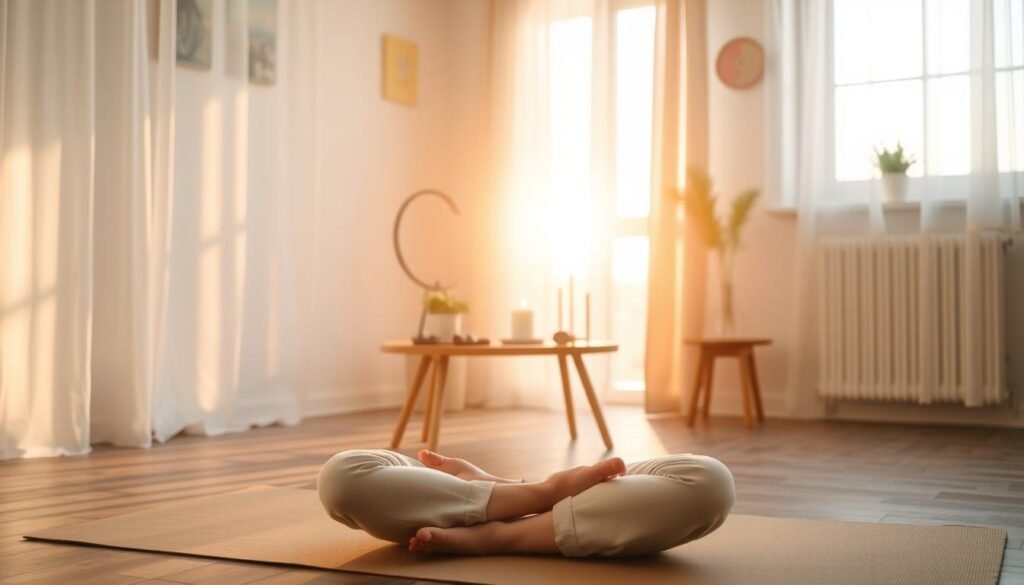
Choosing Your Ideal Meditation Space
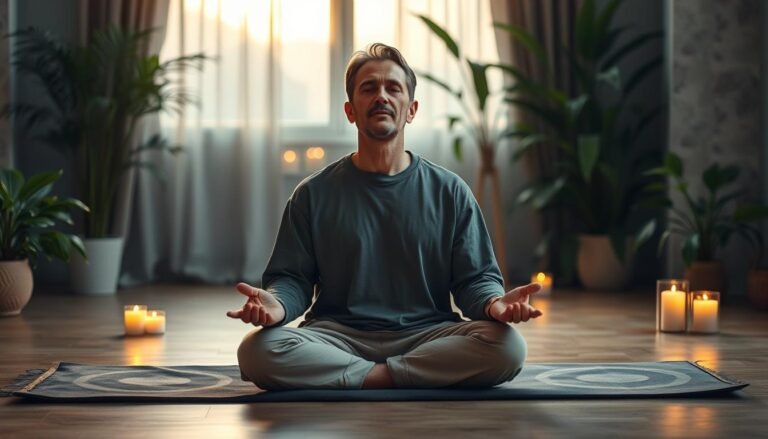
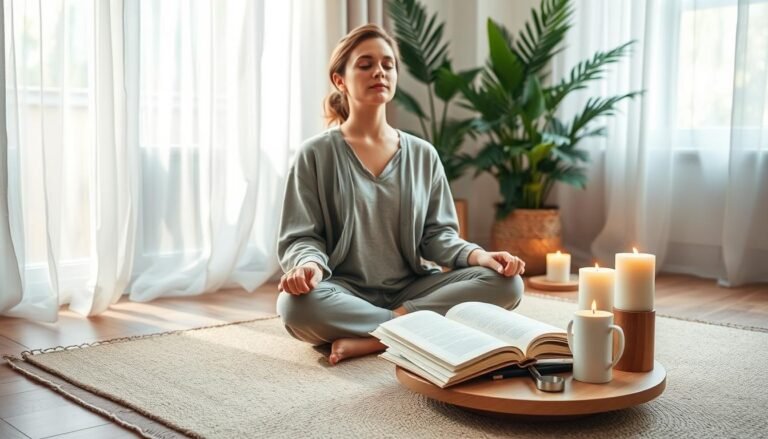
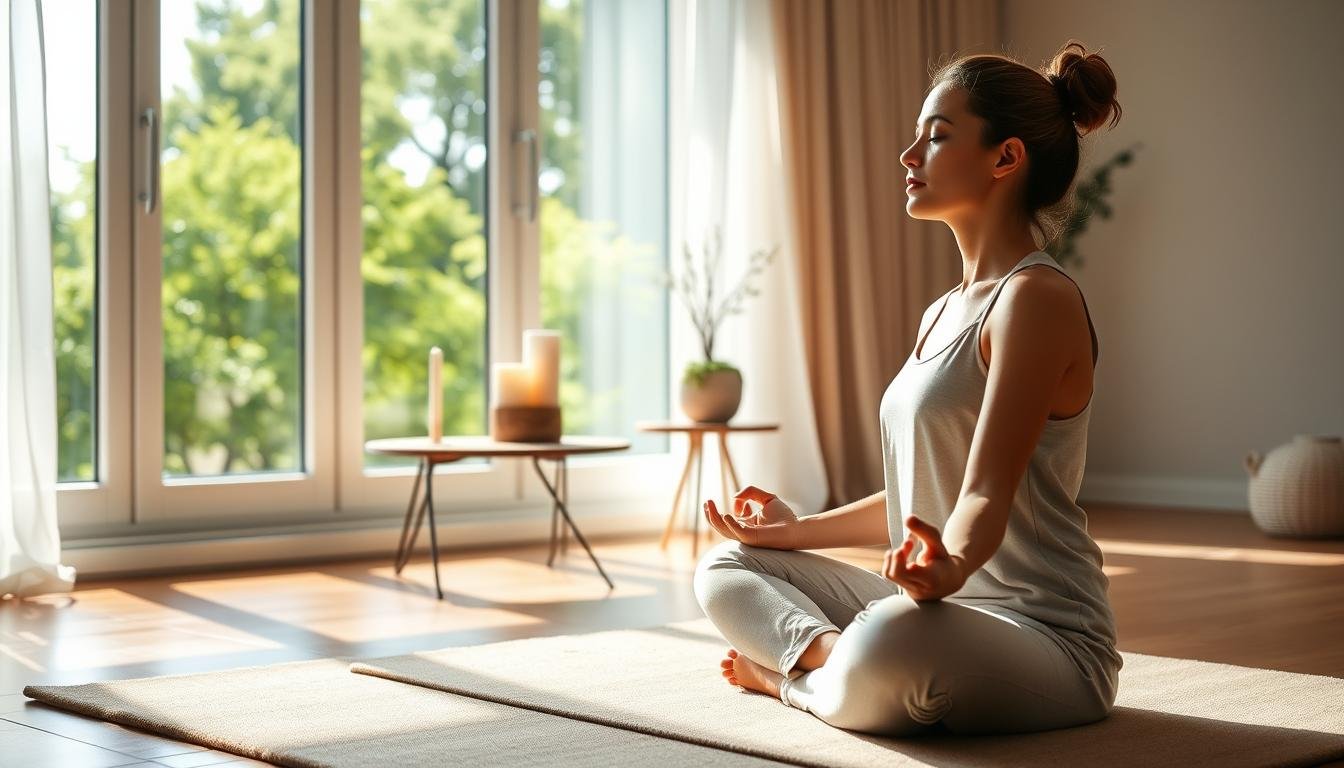
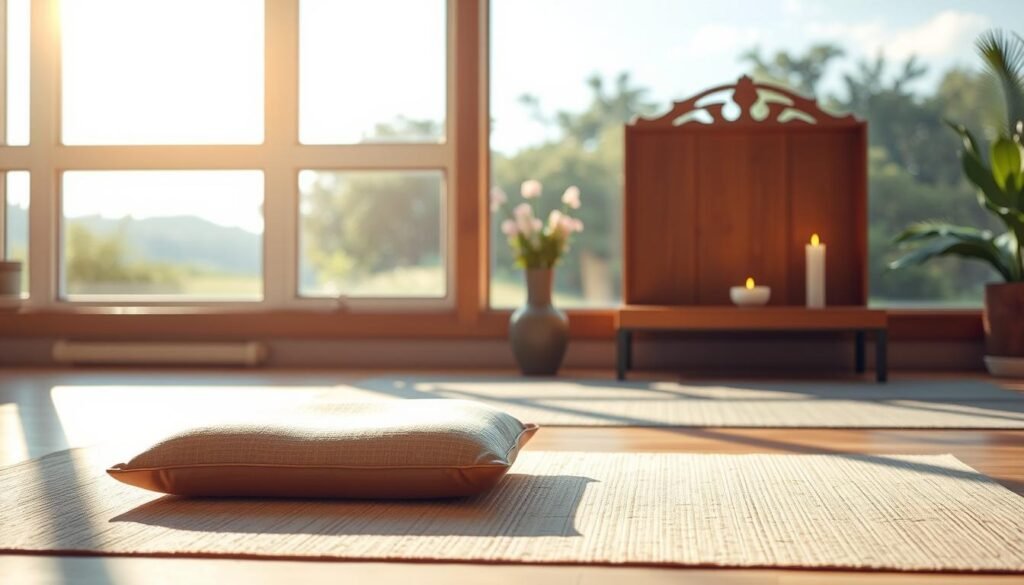
Creating a serene environment for your practice can significantly enhance your experience. Think about a peaceful corner in your home. You can use an upright bed, a comfortable chair, or even a floor cushion. The key is to find a spot that allows you to sit upright, which helps maintain alertness and keeps you from dozing off.
If privacy is a concern, consider alternative locations. A parked car can serve as a quiet space for a quick session before heading out for the day. You might also explore nearby parks or gardens. Nature can be a wonderful backdrop for your practice.
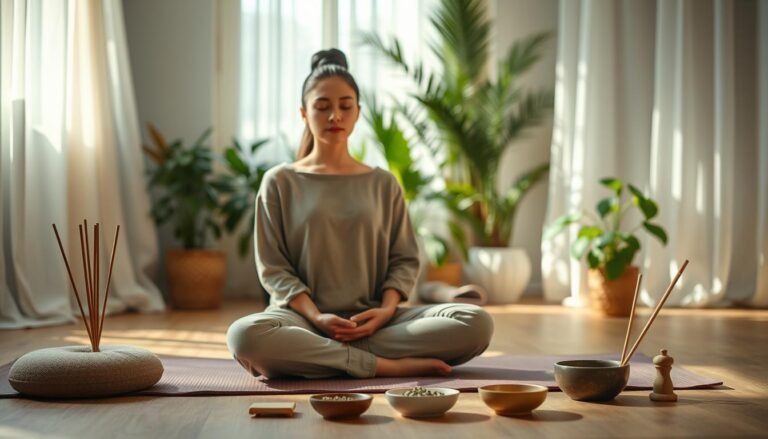
To minimize distractions, silence your notifications and keep your phone out of reach. A simple setup with just a cushion or a blanket can make it easier to stick to your routine. Remember, consistency is crucial. You might even find that a meditation studio, like MNDFL, provides the structure you need, while practicing at home offers comfort and privacy.
Try your chosen space for a few days. Pay attention to how the lighting, noise, and temperature affect your focus. Adjust your setup as needed to create the most peaceful atmosphere possible.
Personalizing Your Meditation Practice
Finding what resonates with you can transform your practice into a powerful tool for growth. There are various approaches to consider when personalizing your routine. Guided meditationoffers a structured experience, often led by a voice that provides direction. This can be beneficial for those new to the practice, helping to maintain focus and clarity.
On the other hand, unguided meditation allows you to explore your thoughts and sensations independently. This can foster a deeper connection with your inner self. If you seek a balance, semi-guided sessions might be ideal. These provide occasional prompts while still allowing for personal reflection.
To enhance your practice, consider using the . It offers a 10-day beginner course on mindfulness basics, perfect for starting your journey. You can choose sessions lasting one, ten, or twenty minutes, depending on your schedule. For busy mornings, a quick one-minute session can set a positive tone for your day.
Remember, practice is about finding what works for you. Try different formats, like breathing exercises or body scans, until you discover a routine that feels sustainable. Embrace the journey, and allow your practice to evolve over time.
Exploring the Benefits of morning meditation
Investing a few minutes in stillness can lead to remarkable changes in your mindset. Many people experience enhanced focus and reduced stress after just a few days of practice. For instance, a practitioner training for a marathon reported feeling more prepared during challenging moments. On day three, they tackled the mental block that often arises during the eighth mile with newfound confidence.
Additionally, meditation can create a greater sense of manageability in daily tasks. The same practitioner noted that their to-do list felt less overwhelming after just one session. While meditation supports mental well-being, it should not replace professional care for anxiety or depression.
To cultivate a sustainable habit, aim for one session per day. Even a five-minute practice can fit into a busy schedule. For those juggling work and personal commitments, quick sessions can help maintain focus and calmness. If you miss a day, don’t abandon your practice. Instead, get back on track quickly, as many find themselves craving the routine after just a few days.
Consider a weekly check-in to assess how your practice supports your focus, stress levels, sleep, and energy. This reflection can help you gauge the benefits meditation brings to your life.
Conclusion
A brief pause can create a powerful shift in your daily experience. You can start a routine with just five minutes, just like Ralph De La Rosa’s approach. Remember to sit upright, choose a comfortable space, and focus on your breath. Let your session end naturally when your timer goes off.
Headspace offers flexible options of one, ten, and twenty minutes, so you can adapt your practice to your schedule. Feeling distracted doesn’t mean you’ve failed; even experienced practitioners encounter racing thoughts. Focus on being consistent and observe gradual changes in your stress, attention, and energy levels.
Why not begin your practice tomorrow? For more insights, check out the BetterLifeAtlas article on What Is Mindfulness? to deepen your understanding.
FAQ
What is the best time to start my meditation practice?
The ideal time to begin is early in the morning when your mind is fresh and calm. This sets a positive tone for the day ahead.
How long should I meditate each day?
Aim for at least 10 to 20 minutes per session. Consistency is key, so find a duration that feels manageable for you.
Can I meditate if I have a busy schedule?
Absolutely! Even a few minutes of focused breathing can be beneficial. It’s about quality, not quantity.
What are the benefits of meditation?
Regular practice can enhance focus, reduce stress, and improve overall well-being. Many people also find it helps with emotional regulation.
Do I need any special tools or apps to meditate?
While not necessary, tools like the Headspace app can provide guidance and structure, especially for beginners.
Is it better to meditate alone or in a group?
It depends on your preference. Some people find group settings motivating, while others prefer the privacy and peace of solo practice.
How can I create a calming meditation space at home?
Choose a quiet corner, add comfortable seating, and consider soft lighting or calming scents to enhance your experience.
What if my mind wanders during meditation?
It’s completely normal! Gently bring your focus back to your breath or your chosen point of focus without judgment.