Gratitude and Mindfulness: How to Practice Both in Everyday Life
As early October brings chilly air and the promise of snow, it’s easy to feel overwhelmed. The muted winter light, the quiet falling of snow, and the warmth of a loved one can soften even the toughest mornings. These small sensory details remind us to pause and appreciate the little things that make life beautiful.
Practicing awareness helps you acknowledge life’s challenges while also focusing on one meaningful moment right in front of you. By taking a deep breath, you can anchor your thoughts to the present. This simple act can be a powerful tool when stress or anxiety begins to creep in.
Today, I invite you to try a brief sensory check-in. Notice what you see, smell, hear, and feel. Appreciate the ordinary things around you. This article will guide you through practical exercises like journaling, five-minute meditations, and a gratitude ritual that can seamlessly fit into your daily routine.
Understanding the Power of Gratitude and Mindfulness
As the crisp air of autumn settles in, we find ourselves reflecting on the moments that truly matter. Understanding the essence of gratitude and mindfulness can transform your daily experiences. These practices are not just buzzwords; they are tools for enhancing your emotional health.
What is Gratitude?
Gratitude is the intentional act of noticing what feels valuable in your life. It can be as simple as appreciating your family, friends, or health. By recognizing these blessings, you cultivate a deeper sense of connection to the world around you.
Epictetus wisely stated, “Men are disturbed not by things, but by the view which they take of them.” This highlights how your attention shapes your emotional responses. Instead of focusing on difficulties, shift your perspective to appreciate the good.
What is Mindfulness?
Mindfulness is about being aware of your thoughts, feelings, and surroundings without judgment. It encourages you to stay anchored in the present moment. This nonjudgmental awareness allows you to observe your emotions without being swept away by them.
Think of mindfulness as a snow globe. When chaos swirls around you, it’s easy to get caught up in the storm. However, by practicing mindfulness, you can remain the stable scene inside the globe, grounded amid the chaos.
| Concept | Definition | Benefits |
|---|---|---|
| Gratitude | Noticing the good in life | Enhances emotional health |
| Mindfulness | Present-moment awareness | Reduces stress and anxiety |
| Complementary Roles | Appreciative vs. Observing | Promotes overall well-being |
The Science Behind Gratitude and Mindfulness
As the world transitions into autumn, it’s a perfect moment to consider the elements that bring us joy. Research shows that practicing appreciation can significantly impact your overall health. For instance, Goldberg et al. published a 2018 review highlighting the benefits of mindfulness-based interventions for various psychiatric disorders.
Another insightful study by Kyeong et al. in 2017 explored how gratitude meditation affects brain-heart connections. This research indicates that our emotional state can influence physical health, emphasizing the need for supportive practices.
In a 2016 pilot study, Redwine et al. examined gratitude journaling’s effects on heart-rate variability and inflammatory markers in heart failure patients. These findings suggest that even simple acts of appreciation can enhance well-being.
Deng et al.’s 2018 study focused on gratitude interventions among Chinese prisoners, demonstrating that these practices can foster resilience and emotional strength. However, remember that while these studies are promising, they should not replace professional care for persistent anxiety or sleep issues.
In summary, viewing gratitude as a supportive habit can lead to improved emotional health and resilience. By integrating these practices into your daily life, you can create a positive ripple effect.

Benefits of a Daily Gratitude and Mindfulness Practice
As nature transitions, it prompts us to consider the small habits that can improve our well-being. Practicing appreciation daily can lead to significant emotional benefits. Noticing supportive people, small blessings, and pleasant experiences helps create a balanced emotional outlook, especially during stressful times.
Research links these practices to increased happiness, optimism, and lower depression. You may also experience improved immune function and lower blood pressure. However, it’s important to approach these findings with caution; they are not guaranteed outcomes.
Integrating evening gratitude or calming meditation can facilitate a smoother transition to sleep. For persistent sleep issues, consulting a professional is advisable. Additionally, expressing thanks to a family member or friend can strengthen your relationships, turning private appreciation into meaningful recognition.
Simple Daily Techniques to Practice Mindfulness and Gratitude
In this season of change, it’s an ideal opportunity to explore simple techniques that foster appreciation. Incorporating these practices into your daily routine can create a positive impact on your overall well-being.
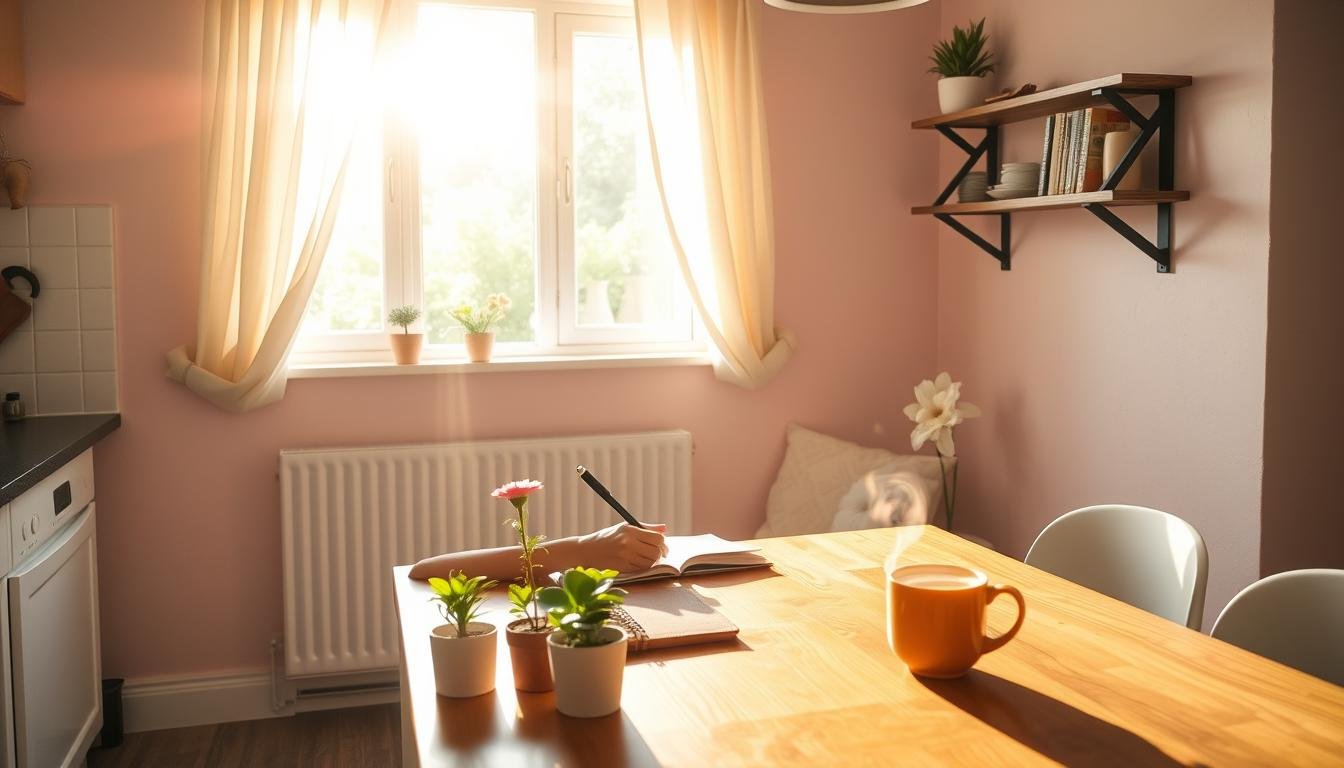
One effective method is maintaining a gratitude journal. Start each entry by noting where you are and how you feel. Then, list three to ten specific things you appreciate. This focused approach helps you cultivate a deeper sense of appreciation.
Maintaining a Gratitude Journal
- Record your location and feelings before listing specific details.
- Focus on concrete examples rather than broad statements.
Engaging in a 5-Minute Meditation
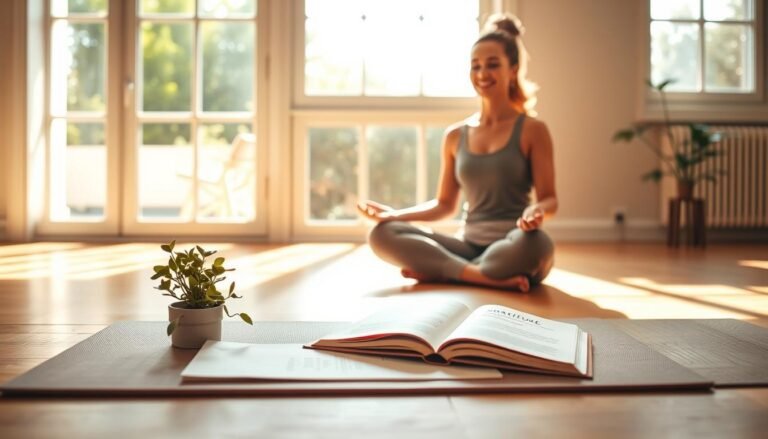
Another technique is a brief meditation. Sit comfortably, relax your body, and take five to ten deep breaths. Bring to mind one person, place, body part, meal, and animal. Allow each image to serve as a prompt for appreciation.
To enhance your experience, consider setting a daily alarm. Move through your senses—sight, smell, taste, touch, and hearing—before identifying three things you appreciate in that moment.
| Technique | Description | Benefits |
|---|---|---|
| Gratitude Journal | Daily entries of specific appreciations | Enhances emotional awareness |
| 5-Minute Meditation | Focused breathing and appreciation | Reduces stress and anxiety |
| Gratitude Alarm | Daily sensory check-in | Promotes present-moment awareness |
Integrating Mindfulness, Meditation, and Gratitude Into Your Routine
As the days grow shorter, it’s a wonderful time to weave appreciation into your daily life. You can easily incorporate mindfulness and meditation practices into your routine. By doing so, you create a more intentional way to engage with the world around you.
One way to get started is by using guided meditation apps like Insight Timer. This app offers structure, reminders, and a teacher’s voice to guide you through your practice. If you prefer a more calming atmosphere, consider playing soothing meditation music. This can help you settle into quiet awareness, especially when external noise becomes distracting.
Creating a Gratitude Ritual or Jar
Another effective method is to create a gratitude jar. Use a mason jar to collect notes of appreciation. Each morning or evening, write down something you’re thankful for and add it to the jar. When you need a boost, reread these notes to gain perspective.
Pair your gratitude ritual with an existing routine, like after dinner. This reliable cue makes it easier to remember. You can even invite a friend or family member to join you in exchanging appreciations. This simple act fosters connection and makes the practice even more meaningful.
| Practice | Description | Benefits |
|---|---|---|
| Guided Meditation | Using apps like Insight Timer | Provides structure and guidance |
| Calming Music | Listening during meditation | Enhances relaxation |
| Gratitude Jar | Collecting notes of appreciation | Offers perspective and joy |
Tips to Overcome Challenges and Maintain Consistency
As we navigate through the busyness of life, finding moments of calm can feel like a challenge. Distractions often pull us away from our practices. To help you stay focused, consider placing your phone out of reach for just two minutes. This small step can lead to greater mindfulness.
It’s essential to recognize that appreciation cannot erase challenges like job loss or heartbreak. Allow yourself to feel these painful emotions instead of hiding them. Remember: sadness and appreciation can coexist without forcing a cheerful interpretation onto tough experiences.
Building resilience takes time. Start with small, consistent actions. If you miss a day or feel restless, gently return to your breath. Flexibility in your expectations can make a significant difference.
If you struggle with persistent anxiety or depression, please seek professional care. Personal practices are valuable, but they should complement, not replace, qualified support.
| Challenge | Tip | Benefit |
|---|---|---|
| Distractions | Put your phone away | Increases focus |
| Emotional Pain | Allow feelings to surface | Promotes healing |
| Building Resilience | Practice small repetitions | Enhances consistency |

Conclusion
As the leaves change, it’s a reminder to appreciate the fleeting moments that bring us joy. Noticing what supports you can lead to a more fulfilling life. Meanwhile, being present helps you meet each moment with steadiness.
Start small: take one breath, observe your surroundings, and list three specific things you appreciate. Renowned researcher Robert Emmons offers insights on the power of appreciation in his video.
For further exploration, check out TED Talks like “Kiss Your Brain: The Science of Gratitude” and “Want to Be Happy? Be Grateful.” Remember, consistency grows through small actions, so repeat this practice tomorrow.
FAQ
What are some simple ways to practice gratitude daily?
You can start by maintaining a gratitude journal where you write down three things you are thankful for each day. Another option is to express appreciation to someone in your life, whether it’s a friend or family member.
How can mindfulness help reduce stress?
Mindfulness encourages you to focus on the present moment, which can help alleviate anxiety and stress. By practicing mindfulness techniques, such as deep breathing or meditation, you can create a sense of calm and clarity.
What is the best time of day to practice mindfulness?
Many people find morning to be an ideal time for mindfulness practice. Starting your day with a few minutes of meditation or reflection can set a positive tone for the hours ahead.
Can gratitude improve my relationships?
Yes, expressing gratitude can strengthen your connections with others. When you acknowledge the positive aspects of your relationships, it fosters a sense of appreciation and encourages deeper bonds.
How do I stay consistent with my mindfulness practice?
To maintain consistency, set aside a specific time each day for your practice. You can also use reminders or guided meditation apps to help keep you on track.
What should I do if I find it hard to focus during meditation?
It’s normal to struggle with focus. Try gently bringing your attention back to your breath or a mantra whenever your mind wanders. Over time, this practice will improve your concentration.
How can I incorporate gratitude into my evening routine?
Consider reflecting on your day before bed. Take a few moments to think about what went well and what you appreciated. This can help you end your day on a positive note.