
Gratitude for Yourself: How to Practice Self-Appreciation Without Guilt
Many people often overlook the importance of appreciating themselves. Self-appreciation is about recognizing the qualities, efforts, and small achievements that make you who you are. It can be as simple as acknowledging the patience you showed during a tough day or the resilience you demonstrated in challenging times.
Consider Trisha Rahman’s idea of being your own best friend. This perspective makes the practice of self-appreciation feel both practical and relatable. You don’t need to be perfect or constantly positive; what matters is fairness and compassion towards yourself.
Take a moment today to think about one thing you appreciate about yourself. It could be your kindness, your ability to learn from experiences, or even the way you support others. This journey of self-recognition is essential for personal growth and well-being.
In this article, we will explore practical methods for cultivating self-appreciation, including self-care, positive self-talk, and mindfulness. These practices can help you build a more positive relationship with yourself.
Key Takeaways
- Self-appreciation involves recognizing your own qualities and achievements.
- Being your own best friend can make self-gratitude feel more attainable.
- Fairness and compassion are key in appreciating yourself.
- Consider one thing you appreciate about yourself today.
- Practical methods include self-care, positive self-talk, and mindfulness.
Understanding Self-Appreciation and Its Impact on Wellbeing
In the hustle of daily life, self-recognition often takes a backseat. Self-appreciation means acknowledging the good in your personality, experiences, and choices. It is a vital part of maintaining a healthy mindset.
While gratitude and self-compassion are related, they serve different purposes. Gratitude helps you notice the value in your life, while self-compassion encourages kindness during tough times. According to the American Heart Association, practicing gratitude can lower blood pressure and boost your body’s ability to fight illness.
Research from Frontiers in Psychology shows that gratitude fosters stronger relationships and greater closeness with family and friends. When you appreciate yourself, you extend the same understanding you offer to others, especially during setbacks.
| Benefit | Description | Source |
|---|---|---|
| Lower Blood Pressure | Practicing gratitude can lead to lower blood pressure. | American Heart Association |
| Stronger Relationships | Gratitude is linked to closer bonds with others. | Frontiers in Psychology |
| Increased Kindness | Self-compassion promotes treating yourself kindly. | Self-Compassion Research |
Embracing Everyday Self-Care with Gratitude
Self-care is often sidelined in our busy lives, but it is crucial for mental wellness. You can transform simple daily tasks into acts of kindness toward yourself. This shift can enhance your overall well-being.
Consider how Lindsay Paulson enjoys running. This activity serves as her personal time, turning it into a way to appreciate her body and mind. Instead of viewing it as another obligation, it becomes a restorative practice.
At the end of each day, take a moment to jot down one completed task, a challenge you managed well, and a quality you demonstrated toward others. Relatable wins could be reading a bedtime story, scheduling a doctor’s appointment, or packing a nutritious lunch.
Consistent self-kindness not only boosts your mental health but is also linked to physical benefits. Research highlights that practicing gratitude can lower blood pressure and enhance your body’s ability to fight illness.
Choose one small act of care today. Whether it’s enjoying a meal without distractions, taking a leisurely walk, or resting without guilt, these moments matter.
Simple Ways to Cultivate Gratitude for Yourself
Finding time to appreciate your own achievements can be challenging in a busy world. Yet, recognizing your strengths is essential for personal growth. Reflect on the qualities that make you unique and the successes you’ve had.
Consider these reflective questions:
- What is your strongest life value, and how does it shape your choices?
- Can you recall a time when you stepped outside your comfort zone?
- How have you supported others in their times of need?
To help you identify your strengths, create a three-column list:
- Personal Quality
- Specific Example
- Positive Effect
Recognizing your growth over the years fosters healthier relationships. When you appreciate your value, you communicate your needs more clearly. Review your list monthly to track progress that might otherwise fade into routine.
Practicing Gratitude: Mindfulness and Positive Self-Talk
The journey to self-appreciation often gets lost amid life’s chaos. Yet, practicing gratitude through mindfulness and positive self-talk can help you reconnect with your inner strengths. This practice encourages you to speak to yourself as you would to a trusted friend—with kindness and patience.
Psychology Today notes that negative self-talk can be seen as honest or protective, but it doesn’t have to be harsh. Instead of criticizing yourself, try compassionate replacements. Say, “I made a mistake and can repair it” or “This is difficult, and I am learning how to respond.”
Consider using a simple mantra like, “I deserve kindness and respect.” Choose words that resonate with you. A short mindfulness exercise can also be beneficial. Find a quiet space, set a clear intention, and focus on your breath for a few minutes. Practicing this once or twice a week can significantly enhance your mental health.
By incorporating these techniques, you not only nurture your well-being but also foster a healthier relationship with yourself. Remember, small shifts in your inner dialogue can lead to profound changes in your life.
Essential Techniques for Gratitude Journaling
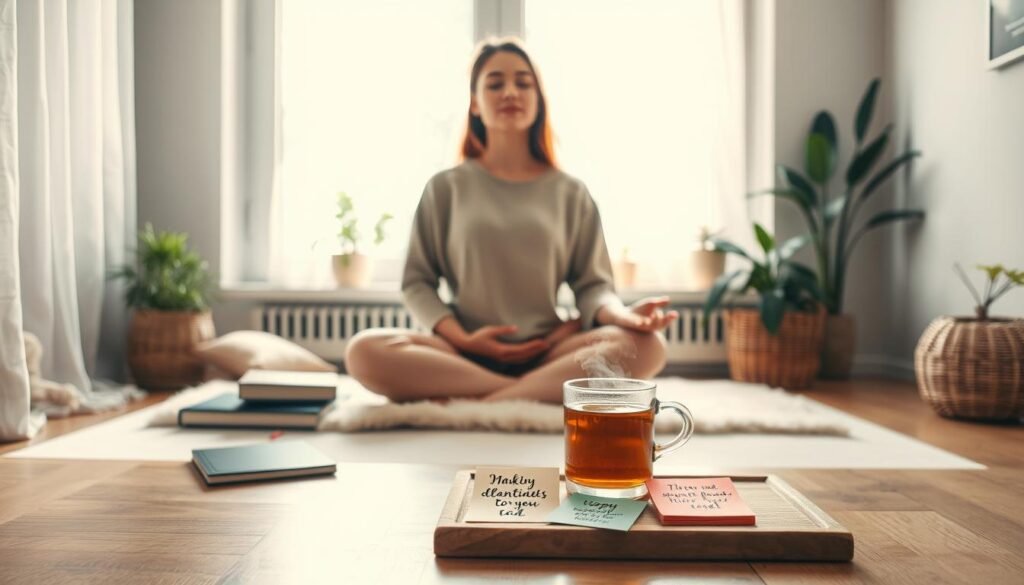
In our fast-paced lives, it’s easy to forget to acknowledge our own strengths. A personal gratitude journal can be a powerful tool to help you reflect on your achievements and qualities. Start with a simple notebook, a note on your phone, or a document dedicated to self-appreciation.
At the end of each day, take a moment to write down three specific things you appreciated about yourself. This practice builds consistency and reinforces positive thoughts. Examples could include your patience, your love of helping others, or your ability to complete a challenging task.
Consider using prompts to guide your entries. Ask yourself what you like most about yourself, what was difficult but you managed to complete, or how you supported someone else. Describe the actions behind each quality, as this provides evidence rather than vague compliments.
Lindsay Paulson found that gratitude journaling significantly improved her mental wellness and interactions with others. By honoring your journey, you create a narrative that celebrates your growth and resilience.
Incorporating Self-Acceptance into Your Daily Routine
Recognizing your own traits and limitations is a crucial step toward personal growth. Self-acceptance is about acknowledging who you are right now, including your mistakes and imperfections. It doesn’t mean you must view every flaw as positive; rather, it’s about understanding them as part of your journey.
Start your day with a simple intention. It could be responding with patience, asking for help, or taking a meaningful pause. These small commitments can set a positive tone for your day. During challenging moments, pay attention to your inner critic. Replace harsh judgments with specific observations about your actions.
Think of yourself as your own best friend, as Trisha Rahman suggests. This perspective allows you to maintain a supportive inner dialogue while holding yourself accountable. At the end of the day, reflect on one moment where you handled a challenge with honesty or care. This practice fosters a more compassionate relationship with yourself.
| Strategy | Description | Benefit |
|---|---|---|
| Daily Intention | Set a realistic goal each morning. | Encourages focus and positivity. |
| Replace Criticism | Identify specific actions instead of labeling yourself. | Promotes self-awareness and growth. |
| End-of-Day Reflection | Recall one imperfect moment managed well. | Builds resilience and self-compassion. |
Practical Tips for Nourishing Your Mind and Body
In our busy lives, taking time to recharge is essential. Genuine solo time should focus on rest and relaxation, not just running errands or basic hygiene. Lindsay Paulson emphasizes that true self-care means engaging in activities that replenish your spirit.
Here are some practical ideas to help you carve out that precious time:
- Schedule restorative breaks that differ from chores or errands. Consider activities like quiet reading, stretching, or enjoying music.
- Nourish your body with enjoyable meals. Whether you cook, order takeout, or savor a favorite treat, focus on the experience.
- Pair meals with mindfulness. Sit down, slow your pace, and truly notice the flavors and sensations of your food.
- Incorporate small habits into your routine. Protect your sleep, stay hydrated, and take moments to breathe deeply.
- Limit phone use to enhance your presence in the moment.
These simple practices can significantly boost your mental health. The American Heart Association highlights that gratitude can lower blood pressure and enhance your body’s defenses against illness. Prioritize your well-being today!
| Practice | Description | Benefit |
|---|---|---|
| Restorative Breaks | Engage in activities that relax and rejuvenate you. | Enhances mental clarity and reduces stress. |
| Mindful Eating | Slow down and enjoy your meals without distractions. | Improves digestion and satisfaction. |
| Small Daily Habits | Incorporate hydration and breathing pauses. | Supports overall health and well-being. |
Conclusion
Taking a moment to recognize your worth can transform your outlook on life. Self-appreciation means acknowledging your efforts, qualities, and growth without the need for perfection. Remember to:
- Speak kindly to yourself.
- Journal three things you appreciate.
- Notice your small wins daily.
- Practice mindfulness and accept imperfections.
- Make time for self-care.
Research from the American Heart Association and Frontiers in Psychology highlights the positive impact of self-appreciation on health and relationships. Choose one small action today; consistency is more effective than waiting for the perfect moment.
FAQ
What is self-appreciation and why is it important?
Self-appreciation involves recognizing and valuing your own worth. It’s crucial for overall wellbeing as it boosts self-esteem and fosters a positive mindset.
How can I practice self-appreciation daily?
You can practice self-appreciation by acknowledging your achievements, no matter how small, and incorporating daily affirmations into your routine.
What are some simple ways to cultivate gratitude for myself?
Start by identifying your personal strengths and celebrating your successes. Create a list of things you appreciate about yourself to refer back to when needed.
How does mindfulness relate to self-appreciation?
Mindfulness helps you stay present and aware of your thoughts and feelings. This awareness allows you to shift towards a kinder inner dialogue, enhancing self-appreciation.
What techniques can I use for gratitude journaling?
Creating a personal gratitude journal involves writing down things you are thankful for each day. Use prompts that encourage reflection on your daily wins and personal growth.
How can I incorporate self-acceptance into my routine?
Embrace imperfections by reminding yourself that everyone has flaws. Practice self-compassion and focus on progress rather than perfection.
What are some practical tips for nourishing my mind and body?
Make time for self-care, even in a busy schedule. Prioritize healthy habits like balanced meals, regular exercise, and sufficient rest to reinforce self-compassion.