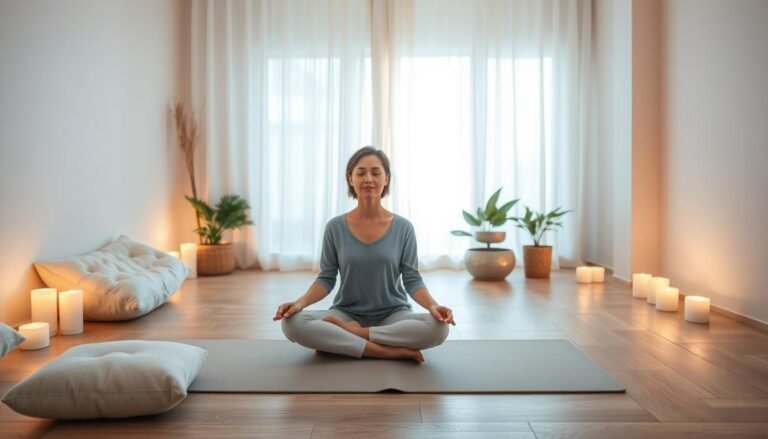
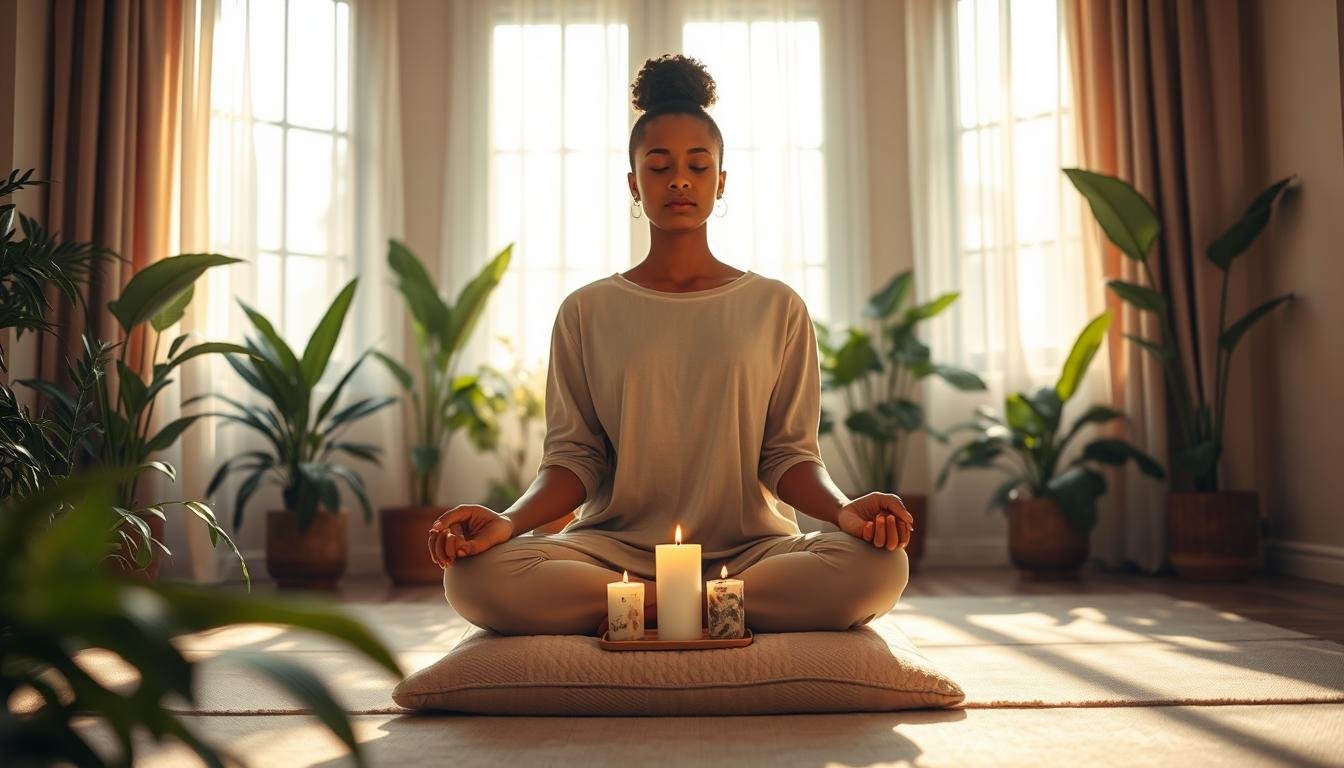
The Power of Meditation: How a Daily Practice Can Support Your Well-Being
In today’s fast-paced world, feelings of worry, anxiety, and stress can weigh heavily on both our mental and physical health. These experiences are not just fleeting distractions; they can significantly impact our overall well-being. This is where a daily practice comes into play. By dedicating just 10 to 20 minutes each day to focus, you can begin to experience a shift in your mindset.
When you practice attention control, you learn to observe your thoughts without judgment. This approach creates space for you to respond thoughtfully, rather than react impulsively in challenging situations. The benefits are remarkable, including improved mood, enhanced brain function, and even lower blood pressure.
Think of meditation as a skill that you can develop over time, much like brushing your teeth. It’s about building a routine that supports your health and peace of mind. To complement your journey, consider exploring ways to establish calming habits that can further enhance your practice.
Key Takeaways
- Daily practice can help manage stress and anxiety.
- Just 10 to 20 minutes a day can lead to meaningful changes.
- Observing thoughts helps you respond rather than react.
- Benefits include improved mood and brain function.
- Building a routine is essential for lasting effects.
Meditation: A Path to Lower Blood Pressure, Reduced Stress, and Better Brain Function
The pressures of daily life can lead to overwhelming stress and anxiety for countless individuals. Many are unaware that a simple practice can bring about significant change. Research shows that meditation can help reduce sympathetic nervous system activity. This reduction may lead to a slower heart rate, calmer breathing, and ultimately, lower blood pressure.
Healthcare providers often incorporate meditation into treatment plans for various conditions. It is essential to remember that while meditation offers many benefits, it should not replace professional medical care. If you experience persistent symptoms, consult with a qualified clinician.
There are different types of meditation, including mindfulness, concentrative, and transcendental approaches. Mindfulness focuses on present-moment awareness, while concentrative techniques involve breathing or repeating phrases. Understanding these methods can help you choose the one that resonates most with you.
To get started, aim for 20 to 30 minutes daily. If time is limited, begin with shorter sessions and gradually increase your practice. This consistency can lead to remarkable improvements in your overall well-being.
Power of Meditation: Exploring Mindfulness and Brain Health
Stress and anxiety are common challenges that many people face today. Fortunately, research shows that meditation can offer profound benefits for mental health and brain function. Studies have highlighted how mindfulness practices can enhance brain connectivity and self-regulation, paving the way for a more balanced life.
For instance, Bin He’s research on Tibetan monks revealed that those with an average of 15 years of meditation experience exhibited reduced activity in the brain’s default network. This network includes areas responsible for self-referential thought, like the medial prefrontal cortex. Such findings suggest that longer meditation practice may improve self-regulation, helping individuals respond better to life’s challenges.
Further studies by Michael Posner and Yi-Yuan Tang demonstrated that even short-term meditation can lead to significant changes. Participants showed increased myelin in brain areas associated with attention after just 2 to 4 weeks. This indicates that meditation can enhance cognitive abilities and lower stress levels, as measured by reduced cortisol.
- Longer meditation experience correlates with reduced default network activity.
- Short-term practice can improve attention and problem-solving skills.
- Consistent meditation may lead to lower stress hormones.
Experts like Richard Davidson emphasize that the best practice is one you can maintain. Finding a method that resonates with you is crucial for long-term benefits. By integrating meditation into your daily routine, you can cultivate a sense of peace and clarity.
Incorporating Daily Meditation into Your Routine: Practical Tips and Techniques
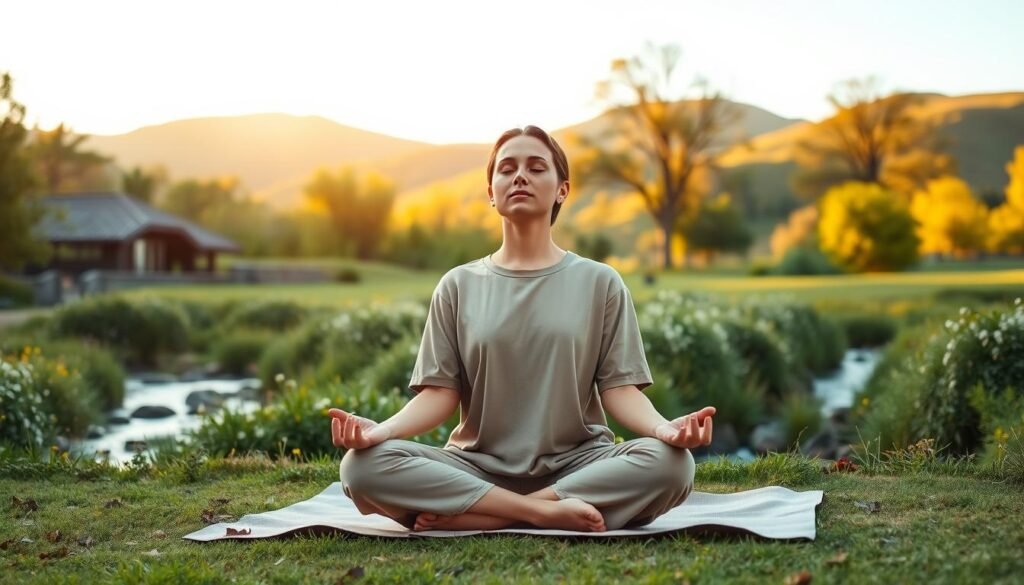
Amidst the chaos of everyday life, many people struggle to carve out time for stillness. Establishing a meditation practice can be transformative, and it starts with creating the right environment.
Creating a Personalized, Distraction-Free Meditation Space
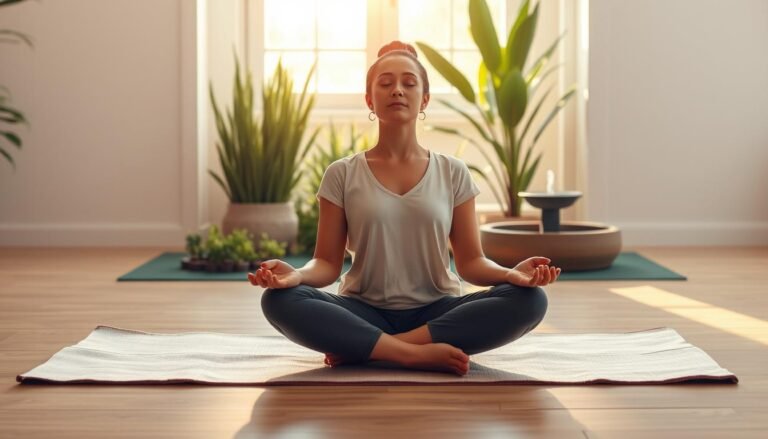
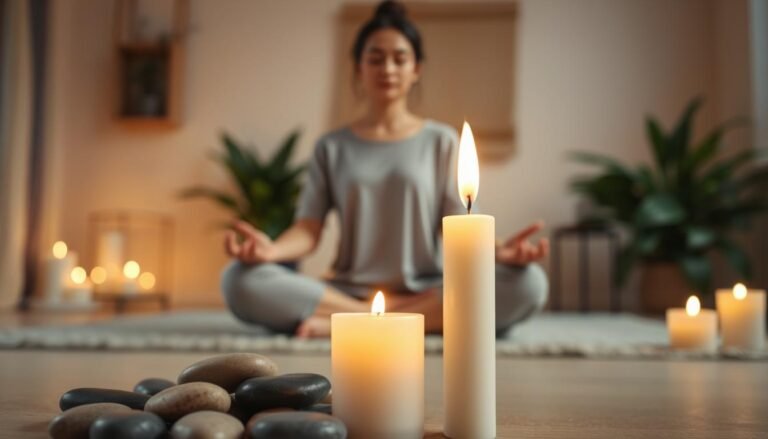
Begin by finding a quiet place where you can sit comfortably, whether in a chair or on the floor. Keep your setup simple, making it easy to repeat daily. This consistency is key to building a lasting practice.
Simple Practices: Breath Awareness, Mindfulness Meditation, and More
One effective technique is breath awareness. Focus on the air moving through your nostrils and mouth, feeling your belly rise and fall. When thoughts arise, gently note them and return your attention to your breath. This process encourages a peaceful mind.
Integrating Meditation with Yoga, Tai Chi, and Walking Meditations
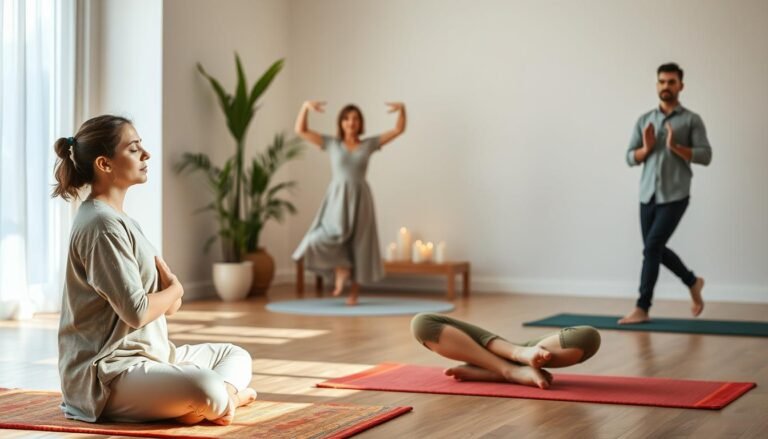
If you’re busy, consider alternatives like yoga or Tai Chi. Both combine movement with breathing to promote relaxation. Walking meditation is another option, where you focus on each step and the movement of your legs and feet.
As you explore these techniques, remember Richard Davidson’s advice: choose the method that resonates with you most. Tracking your sessions for a week can help solidify your practice without the pressure of perfection.
| Technique | Description | Benefits |
|---|---|---|
| Breath Awareness | Focus on your breath to center your mind. | Reduces stress and enhances mindfulness. |
| Yoga | Combines movement and breath for relaxation. | Improves flexibility and mental clarity. |
| Tai Chi | Gentle movements with deep breathing. | Enhances balance and reduces anxiety. |
| Walking Meditation | Focus on each step and movement. | Promotes mindfulness in motion. |
For additional resources, visit UAMS mindfulness resources to deepen your understanding and practice.
Conclusion
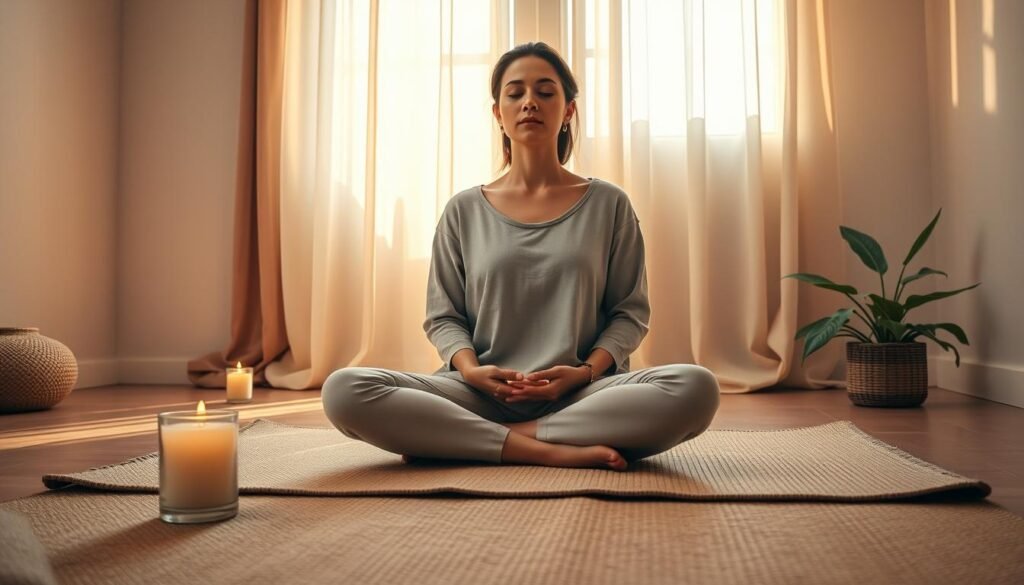
Navigating daily life can often feel overwhelming, leading many to seek effective strategies for balance and well-being. Regular practice may support lower blood pressure, calmer stress responses, improved attention, and healthier brain function. However, remember that results can vary for each individual.
Research involving Tibetan monks and studies lasting from 5 days to 4 weeks show promising findings. You might consider starting with a manageable session, like 10 minutes, gradually working up to the recommended 20 to 30 minutes.
Explore techniques such as breath awareness, mindfulness, yoga, Tai Chi, or walking meditation based on your schedule and comfort. As you embark on this journey, it’s wise to seek qualified medical guidance for ongoing health concerns while incorporating meditation as a supportive daily habit.
FAQ
What are the main benefits of practicing meditation daily?
Daily meditation can help lower blood pressure, reduce stress, and enhance brain function. It promotes mindfulness, leading to better emotional regulation and improved overall well-being.
How does meditation impact anxiety levels?
Meditation encourages relaxation and mindfulness, which can significantly reduce anxiety. By focusing on the present moment, you can shift your thoughts away from stressors and cultivate a sense of peace.
Can meditation improve my focus and productivity?
Yes, regular meditation practice can enhance your concentration and mental clarity. It trains your mind to stay present, which can lead to improved productivity in daily tasks.
How long should I meditate each day to see benefits?
Even just 10 to 15 minutes of meditation daily can yield positive results. Consistency is key, so find a duration that works for you and stick with it.
What are some simple meditation techniques I can try?
You can start with breath awareness, mindfulness meditation, or guided meditations. These techniques are accessible and can be easily integrated into your daily routine.
Do I need special equipment or a specific environment to meditate?
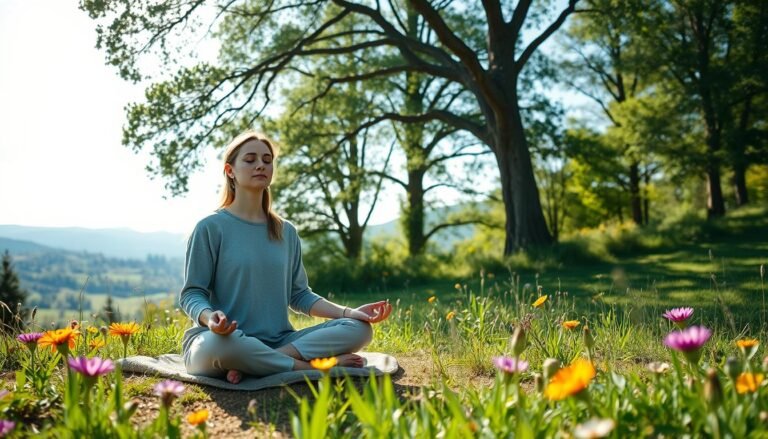
No special equipment is required. You can meditate anywhere, but creating a distraction-free space can enhance your experience. A quiet room or a comfortable spot outdoors can work well.
How can I incorporate meditation into my busy schedule?
Try setting aside a few minutes in the morning or before bed. You can also practice mindfulness during daily activities, such as walking or eating, to integrate meditation into your routine.