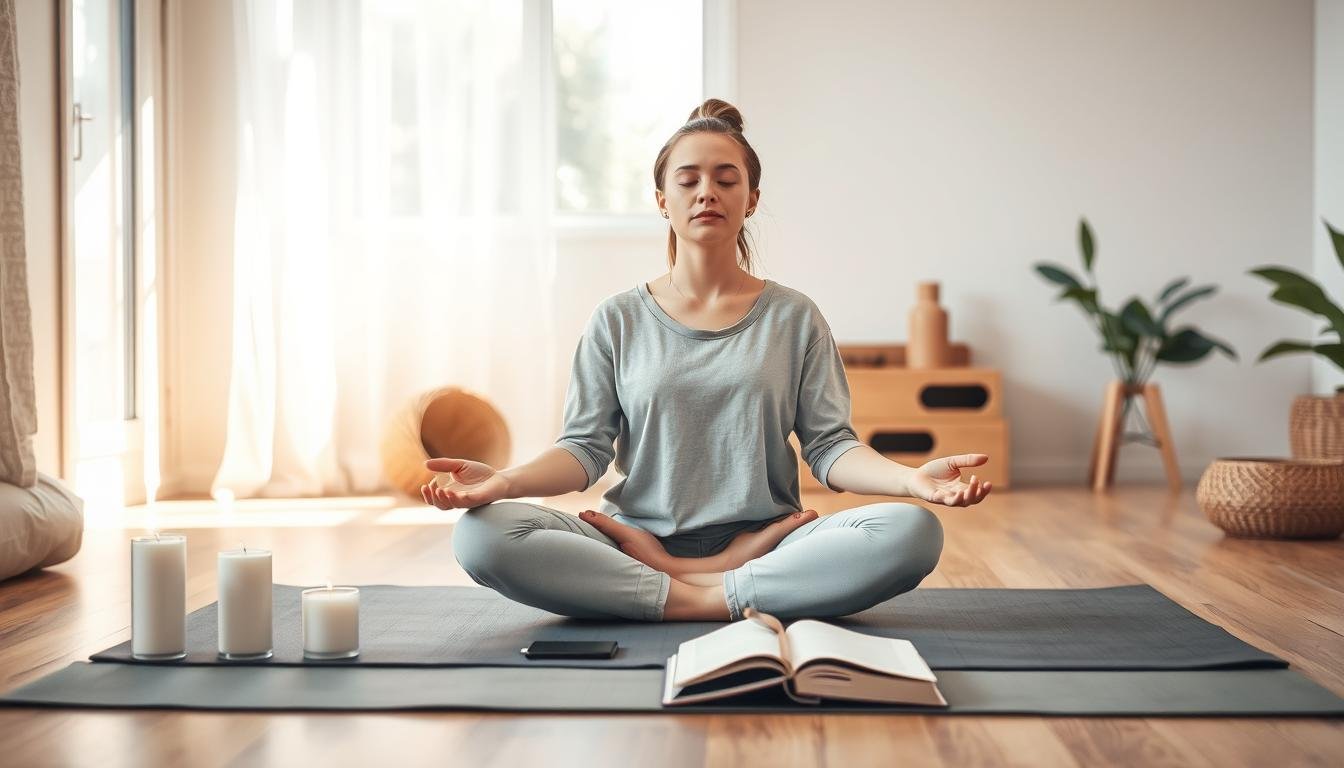
Meditation for Stress Relief: Simple Practices to Relax and Reset
Everyday life can bring a whirlwind of challenges. From moving to relationship changes, work demands, and family issues, stress often feels unavoidable. You might wonder how to create a moment of calm amid all this chaos.
That’s where simple practices come in. These techniques can help you pause before reacting to stressful triggers. By taking a step back, you allow your mind to approach the present moment with greater clarity and calmness.
Breathing exercises, body awareness, and mindfulness are all accessible practices that require no special equipment. They are designed to fit seamlessly into your daily routine. Remember, a 2018 study showed that consistent practice can lead to a 14% reduction in stress over just ten days.
In this article, you’ll discover practical exercises to try today. Whether it’s a brief breathing pause, a body scan, or mindful walking, you’ll find tools to help reset your heart and mind.
Understanding Stress and Its Impact on Your Health
Navigating daily challenges can be overwhelming at times. Recognizing the signs of stress is crucial for your well-being. Common symptoms include tiredness, burnout, and physical discomfort. You might also notice irritability, sleep disruptions, or changes in your eating habits.
Prolonged stress can lead to unhealthy coping behaviors. These may include smoking, excessive drinking, or overeating. Such habits can increase your risk of serious health issues, including high cholesterol and high blood pressure.
Research from the British Heart Foundation shows that adults facing stress at work or home have a higher risk of coronary heart disease and stroke. Stress not only affects your heart but can also worsen conditions for those already facing heart disease.
If you experience chest pain or severe anxiety, it’s essential to seek medical guidance. While relaxation techniques can help, they should not replace professional advice.
How Meditation Helps Manage Stress
In a world full of demands, finding balance can seem impossible. Yet, understanding how mindfulness can support your emotional health is key. While meditation is a trained activity, mindfulness is a quality of awareness. Sara Lazar, PhD, compares mindfulness to the benefits of physical exercise. Just as you build strength through workouts, you cultivate awareness through mindfulness practices.
Jon Kabat-Zinn defines mindfulness as “awareness arising through purposeful, present-moment, nonjudgmental attention.” This approach can soften your reactions to life’s challenges. Research published in the Annual Review of Psychology examined 250 studies, revealing that mindfulness meditation can lead to less emotional reactivity.
| Physiological Changes | Reported Benefits | Duration of Practice |
|---|---|---|
| Reduced breathing rate | Lower anxiety levels | 8 weeks |
| Decreased cortisol levels | Improved emotional balance | 8 weeks |
| Lower heart rate | Enhanced focus | 8 weeks |
| Decreased inflammation | Better overall health | 8 weeks |
Research also indicates that consistent practice for at least eight weeks may change the brain’s structure. This can enhance your response to negative stimuli, helping you manage anxiety more effectively.
Meditation for stress: Simple Practices That Work
Facing numerous responsibilities can create a sense of overwhelm. Simple practices can help you find a moment of calm. Two effective techniques are guided breathing and a body scan meditation.
Guided Breathing Techniques
Start by sitting comfortably. Inhale deeply through your nose, then exhale slowly through your mouth. Focus on each breath without forcing it. This exercise takes just a few minutes but can greatly enhance your awareness and calmness.
Step-by-Step Body Scan Meditation
This quick body scan can be done in just a few minutes, making it ideal before work or after a long day. Begin by focusing on your head and face, then move down to your neck, shoulders, and arms. Continue this process through your chest, stomach, back, legs, and feet.
- Notice any tension, especially in your jaw, shoulders, and lower back.
- Instead of judging these sensations, invite them to soften.
- Finally, sense your whole body against the chair or bed.
Slowly reopen your eyes and take a moment to observe how you feel. These practices can be powerful tools to help you navigate your day with greater ease.
Setting Up Your Personal Meditation Routine
Life often presents a series of hurdles that can feel overwhelming. However, establishing a personal routine can make a significant difference. Here are some simple steps to help you get started.
Finding the Right Time and Place
Experiment with your schedule. Dr. Sara Lazar suggests trying one or two longer sessions or frequent two- to three-minute sessions. Even just 10 minutes can provide benefits. You might attach this practice to daily cues like coffee breaks or bedtime.
Creating a Distraction-Free Environment
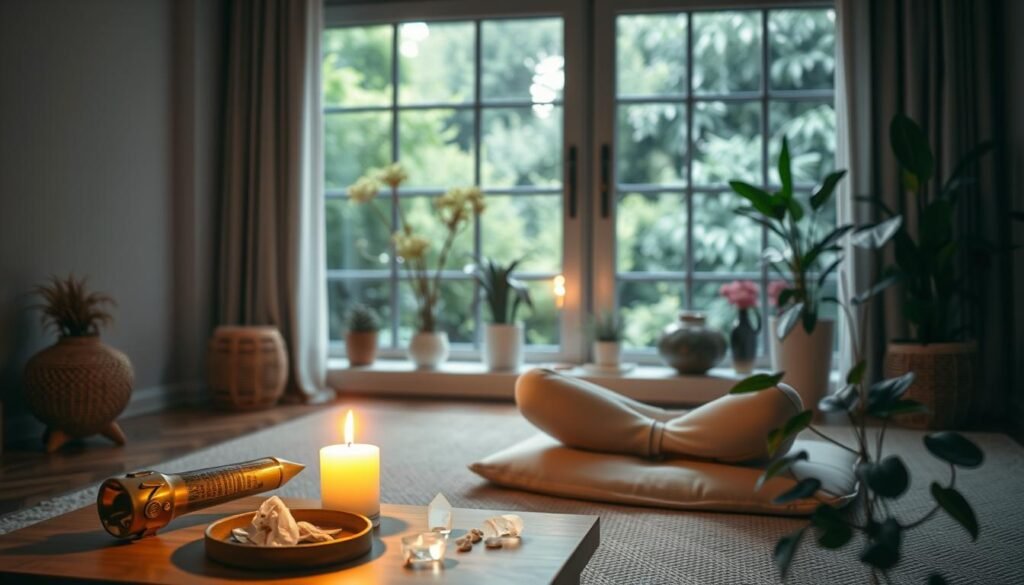
Choose a comfortable position—sitting, lying down, or even walking. Your eyes can be closed, open, or partially closed, depending on what feels right for you. Aim for a quiet space with soft instrumental music or nature sounds to enhance your experience.
- Test different session lengths to see what fits your lifestyle.
- Request that family members or coworkers minimize interruptions during your practice.
- Adjust lighting and use headphones if it helps you focus better.
Enhancing Focus with Mindful Breathing and Movement
Daily routines can often feel like a relentless race. However, you can find calmness by integrating mindfulness into your everyday activities. Dr. Sara Lazar suggests that simple transitions, like walking or stretching, can help shift your focus from a hectic pace to a more centered state.
Incorporating mindfulness into your daily life can be as easy as paying attention to your movements. Consider these practical tips:
- Start with a brief walk or stretch before sitting down. This allows your body to transition smoothly into stillness.
- Practice mindful walking by focusing on the sensations in your feet, your pace, and the sounds around you.
- Count your breaths during routine tasks, such as washing dishes or waiting in line, to cultivate awareness.
- Use a simple mantra with each exhale during moments of stillness, especially when preparing for challenging conversations.
- Remember that even ordinary actions can become opportunities for mindfulness, as Dr. Lazar notes that daily tasks often challenge our awareness.
Overcoming Common Meditation Challenges
The demands of daily living can sometimes feel like a heavy weight on your shoulders. It’s normal to encounter obstacles when trying to maintain a practice. The key is to approach these challenges with compassion and understanding.
Dr. Sara Lazar suggests a three-step response to distractions. First, notice when your mind starts to wander. Next, acknowledge your awareness of this wandering. Finally, gently refocus your attention back to your practice.
Think of your practice like physical exercise. Just as dribbling a soccer ball improves with practice, so does your ability to stay focused. Remember, daily practice is ideal, but it’s not mandatory to reap the benefits.
- Start small; aim for just two minutes each day.
- If you miss a day, simply restart at your next opportunity.
- Use reminders like a calendar mark or phone alert to help you stay consistent.
By reframing distractions as part of your training, you can build resilience. Each time you return to your practice, you strengthen your ability to focus. This journey is about progress, not perfection.
Integrating Meditation into a Holistic Stress Management Plan
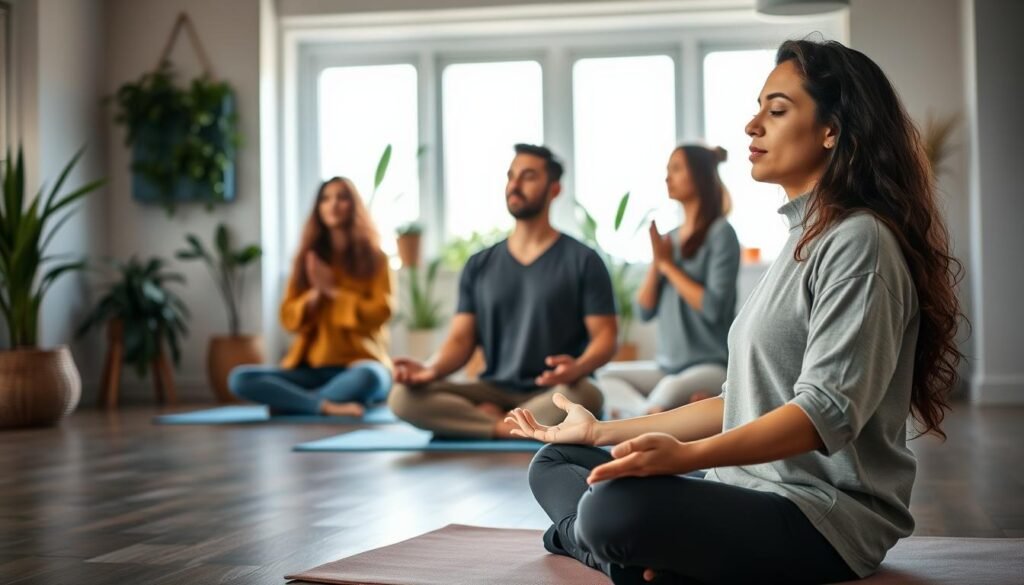
Finding ways to manage life’s pressures can lead to a healthier, more balanced lifestyle. Integrating mindfulness into your daily routine is a vital step. The British Heart Foundation emphasizes the importance of pairing relaxation techniques with healthy eating and regular exercise.
Consider using mindfulness to observe your thoughts. This approach allows you to acknowledge stress without labeling it as harmful. By doing so, you can respond more flexibly to pressure.
Structured programs, like Headspace’s 30-day stress course, can be beneficial. This course employs visualization techniques to help you engage and settle your mind. A 2018 study by Headspace found that participants experienced a reported 14% reduction in stress after just ten days.
Building resilience takes time and consistent practice. Research shows that daily mindfulness for at least eight weeks can lead to changes in brain structure. These changes can enhance your ability to cope with stressors effectively.
Conclusion
Life can sometimes feel like a series of uphill battles. However, you can learn to relate to challenges in a healthier way. Remember, simple practices can be part of a broader health plan. Start with a few minutes of body awareness or a calming breathing pause, as suggested by the British Heart Foundation.
Choose a routine that fits your lifestyle, whether it’s two minutes or a longer session. It’s essential to know that wandering thoughts are part of the process. The key is to gently bring your focus back.
If you have concerns about heart health, check out the BetterLifeAtlas article on stress and heart problems. For more guidance, the British Heart Foundation offers valuable resources.
FAQ
What are the benefits of mindfulness practices?
Mindfulness practices can help reduce anxiety, improve focus, and enhance emotional well-being. They promote a greater sense of awareness and help you stay present in the moment.
How long should I meditate each day?
Even a few minutes can be beneficial. Start with 5 to 10 minutes daily and gradually increase the time as you become more comfortable with the practice.
Can meditation help with physical health issues?
Yes, studies suggest that regular mindfulness practices can lower blood pressure, reduce chronic pain, and improve heart health by promoting relaxation and reducing stress levels.
What should I do if my mind wanders during practice?
It’s normal for your mind to wander. When you notice this happening, gently bring your focus back to your breath or the present moment without judgment.
Is there a specific technique I should follow?
There are various techniques to explore, such as guided breathing exercises, body scans, or mantra repetition. Find what resonates with you and fits your lifestyle.
How can I create a distraction-free environment for meditation?
Choose a quiet space, turn off notifications on your devices, and consider using calming music or nature sounds to enhance your focus during practice.
Can I incorporate meditation into my daily routine?
Absolutely! You can practice mindfulness during everyday activities, such as walking, eating, or even while doing household chores. This helps integrate mindfulness into your life.
What if I struggle to stay consistent with my practice?
Start small and set realistic goals. Consider scheduling your practice at the same time each day to build a habit. Remember, consistency is key to reaping the benefits.